Can carnation grow in Bali? A florist's perspective
A Bali florist's honest take on growing carnations in the tropics — what works, what doesn't, and where they really come from.
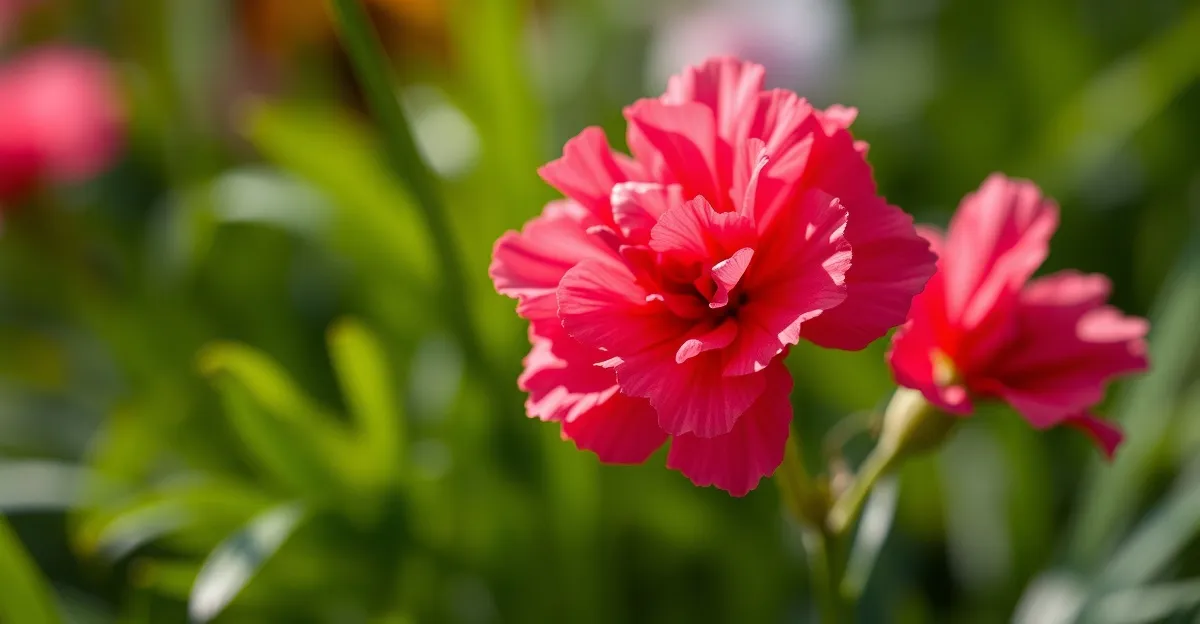
People ask me this more often than I expect. Carnations are everywhere — in markets, in bouquets, tucked into hotel lobbies across Canggu and Seminyak. So naturally people wonder: are those grown here, or do they come from somewhere else? The honest answer is complicated. Carnations can technically survive in Bali, but "surviving" and "thriving" are two very different things. As someone who sources and arranges flowers in this part of the island every week, here is the full picture.
The climate challenge
Bali sits just eight degrees south of the equator. It is hot. It is humid. From November through March the rains are relentless, and even in the dry season (May to September) the nights rarely drop below 22°C. Carnations — Dianthus caryophyllus — evolved in the Mediterranean. They like cool nights, dry air, and sandy, well-draining soil. The tropics are basically the opposite of everything they prefer.
What heat does to carnation blooms
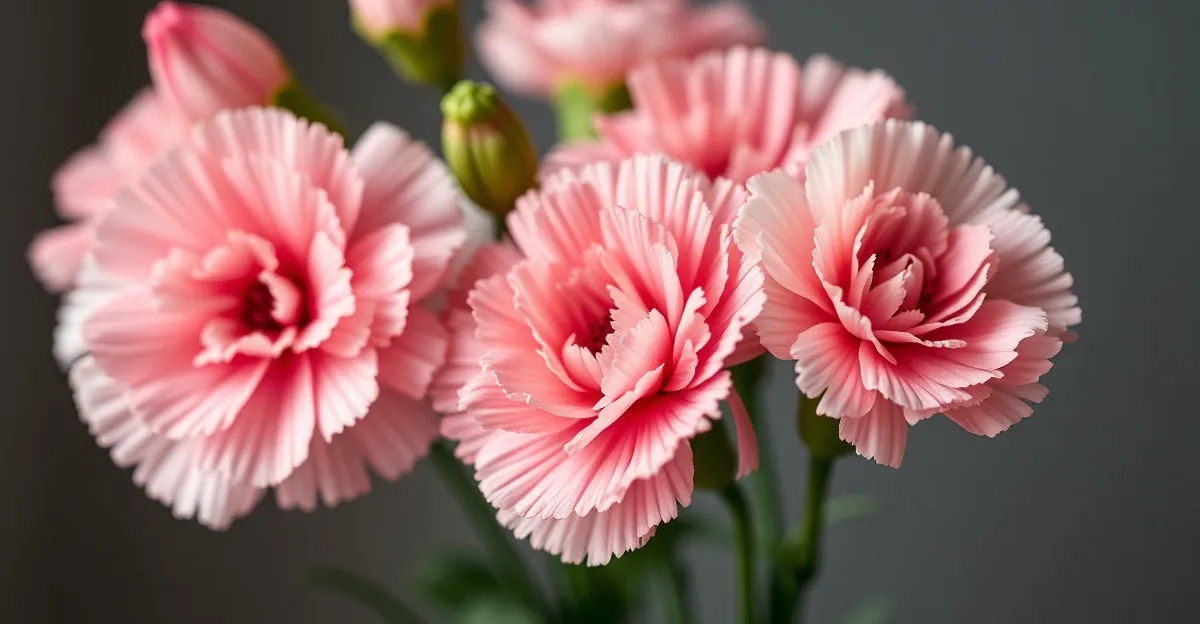
When temperatures stay consistently above 30°C, carnations produce fewer and smaller flowers. The buds often fail to open properly, or they open too fast and shatter within a day or two. The tight, layered petals that make carnations so visually satisfying need a slow, cool opening period. Bali's heat rushes that process.
Stem length also suffers. The long, elegant stems that make carnations useful in arrangements come from plants that have had time to grow steadily in cooler temperatures. In the lowland heat of coastal Bali, stems stay short and the plants tend to look leggy and disappointed.
Humidity and fungal pressure
Beyond temperature, the humidity is the real problem. Carnations are extremely susceptible to Fusarium wilt and botrytis — both fungal diseases that love exactly the warm, moist conditions that Bali provides in abundance. A commercial carnation crop in these conditions without intensive chemical management would fail quickly.
Where Bali's carnations actually come from
Most carnations sold and arranged in Bali are grown in the highlands of Java — particularly around Bandung and Lembang, where elevations of 700–1,500 metres bring cooler temperatures and lower humidity. Some come from the Bedugul area here in Bali, a highland region around 1,200 metres above sea level where the climate is genuinely temperate enough to support carnation production.
Bedugul is remarkable. Drive an hour north from Canggu and the landscape shifts completely — cooler, misty, with strawberry farms and vegetable plots alongside flower fields. The flower market at Bedugul supplies much of southern Bali with carnations, chrysanthemums, and other blooms that simply would not grow near the coast.
Import versus local
A smaller portion of high-end carnations — particularly spray varieties and specialty colours — are imported from South America or Kenya, where commercial carnation production is massive. These arrive by air freight and go primarily into hotels and event floristry where quality and specific colour matching are non-negotiable.
When I'm building a bouquet for a client in Berawa or Kerobokan, I'm most likely working with Bedugul or Bandung carnations. Fresh, beautiful, and honestly just as good as imports for most purposes.
Growing carnations at home in Bali
If you genuinely want to try growing carnations on your Bali property, the single most important factor is elevation. In Ubud (around 200–300m), you have marginally better conditions than the coast. In Munduk or Bedugul, you have a real shot.
At sea level in Canggu or Seminyak? You can grow them in pots with some success, but manage your expectations.
Tips if you're going to try
Choose the right variety. Look for heat-tolerant miniature carnations or spray carnations rather than standard large-headed varieties. They are more forgiving.
Prioritise drainage. Carnations hate wet feet. Use a raised bed or container with excellent drainage, mixing perlite or coarse sand into your potting medium generously.
Pick the coolest microclimate on your property. East-facing positions get morning sun and afternoon shade. Avoid areas that trap heat — stone walls, south-facing surfaces, or spots next to a pool that reflects heat.
Watch the watering. Water at the base, never overhead. Wet foliage in humid Bali is an open invitation for fungal problems.
Expect shorter seasons. You might get a flush of flowers in June and July when the dry season brings slightly cooler nights. Do not expect year-round blooming the way you would in a temperate garden.
What this means for fresh flower arrangements in Bali
Understanding where carnations come from has real implications for freshness and availability. During the peak wet season (December to February), road conditions between Bedugul and the south can affect supply. Heavy rains can damage crops. Sometimes a flower that was available last week simply isn't available this week.
Good florists here — and I include myself in this — maintain relationships with growers and adapt. When carnation supply from Bedugul is uncertain, I might lean into locally abundant alternatives: tropical foliage, heliconia, marigolds, or whatever else is looking particularly strong that week. Flower delivery in Kerobokan relies on exactly this kind of local knowledge.
That flexibility is actually part of what makes Bali floristry interesting. You are not working from a fixed catalogue — you are working with what the island and its supply chains offer each week.

The team
your florists
weekly subscription · Bali
We write about flowers because we love them. We deliver them because someone should — properly, weekly, across Bali.
— heyflowerPay once for 3, 6, or 12 months, no auto-renewal.
Why carnations remain worth it
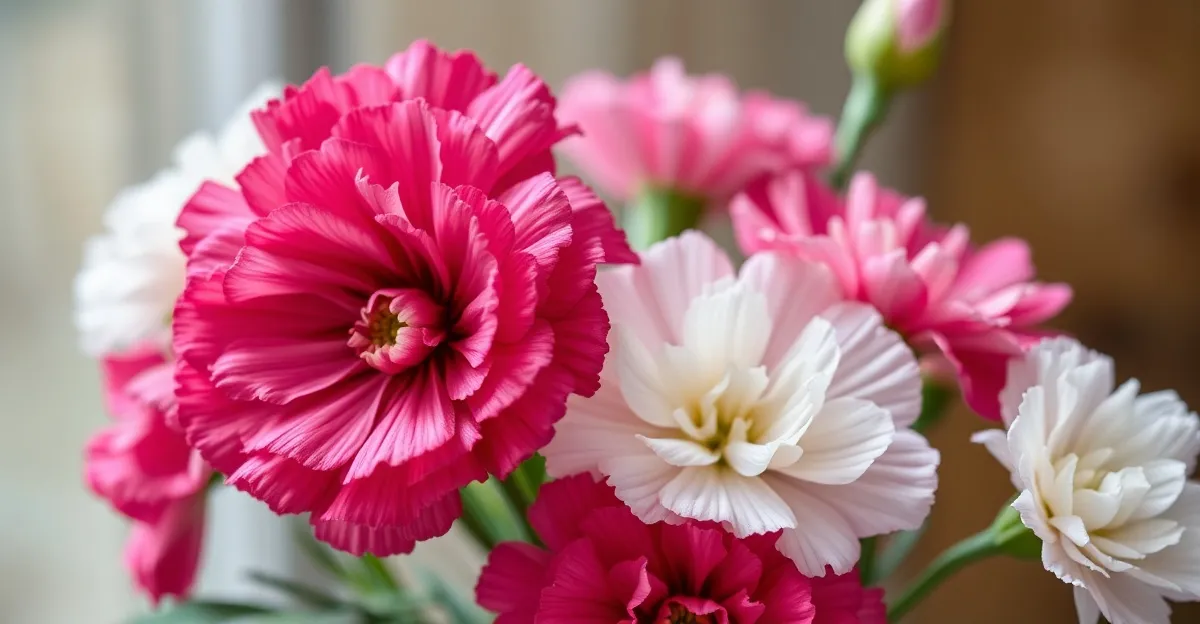
Despite all the challenges, carnations are genuinely worth the effort of sourcing. They last extraordinarily well as cut flowers — often ten to fourteen days with proper care. They come in an enormous range of colours. They are one of the few flowers that carry distinct cultural meanings in both Western and East Asian traditions. And they are affordable compared to roses or imported blooms.
For everyday bouquets, arrangements for villa living rooms, or long-lasting gifts, carnations deliver real value. The trick is just knowing where they come from and working with seasonal availability rather than against it.
If you are curious about pairing carnations with other blooms in Bali floristry, the same highland sourcing principle applies to many of the flowers that work beautifully alongside them.
Frequently Asked Questions
Can I grow carnations in a pot on my Canggu balcony?
You can try, but results will be modest. Use a well-draining mix, place the pot in your most sheltered, coolest spot, and water carefully at the base. Expect a shorter blooming season — your best chance is during the dry-season months of June through September.
Where are the carnations in Bali flower markets grown?
Most are grown in the highlands — either Bedugul in Bali or the Bandung/Lembang area of West Java. These cooler, higher-altitude regions provide the conditions carnations need. A smaller percentage are imported from South America or Kenya for the hotel and events market.
Do carnations survive Bali's monsoon season?
As cut flowers, yes — they are hardy and long-lasting regardless of season. As garden plants in coastal Bali, the monsoon brings fungal pressure that makes them very difficult to maintain outdoors.
Are Bedugul-grown carnations as good as imported ones?
For most everyday floristry and gifting purposes, absolutely. They are fresh, well-grown, and available in a wide colour range. Imported varieties may offer more specialist colours or larger blooms for very specific event requirements.
What flowers should I use if carnations are not available?
Marigolds are a wonderful tropical substitute — vibrant, long-lasting, and very Balinese. Spray chrysanthemums from Bedugul are another excellent option. Or ask your florist what is looking best that week; flexibility here almost always produces better results than insisting on a specific flower.
Fresh flowers should feel easy, not complicated. At heyflower.co, we handle all the sourcing complexity so you just receive something beautiful at your door each week — whether that includes carnations or whatever else is at its best right now.
More on Carnation