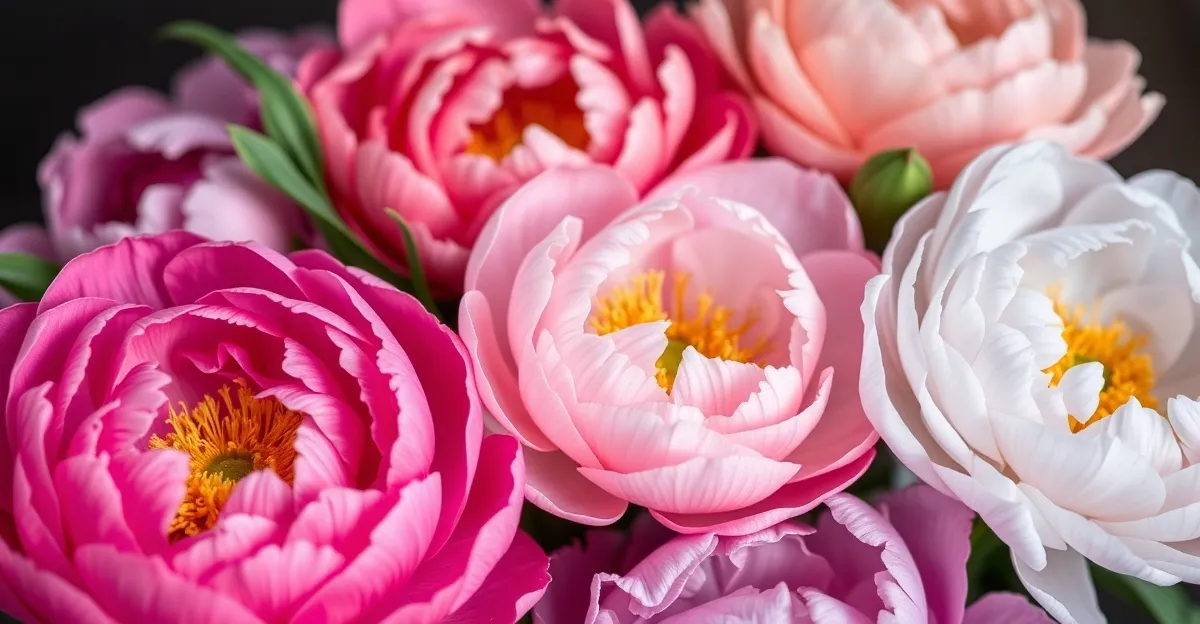
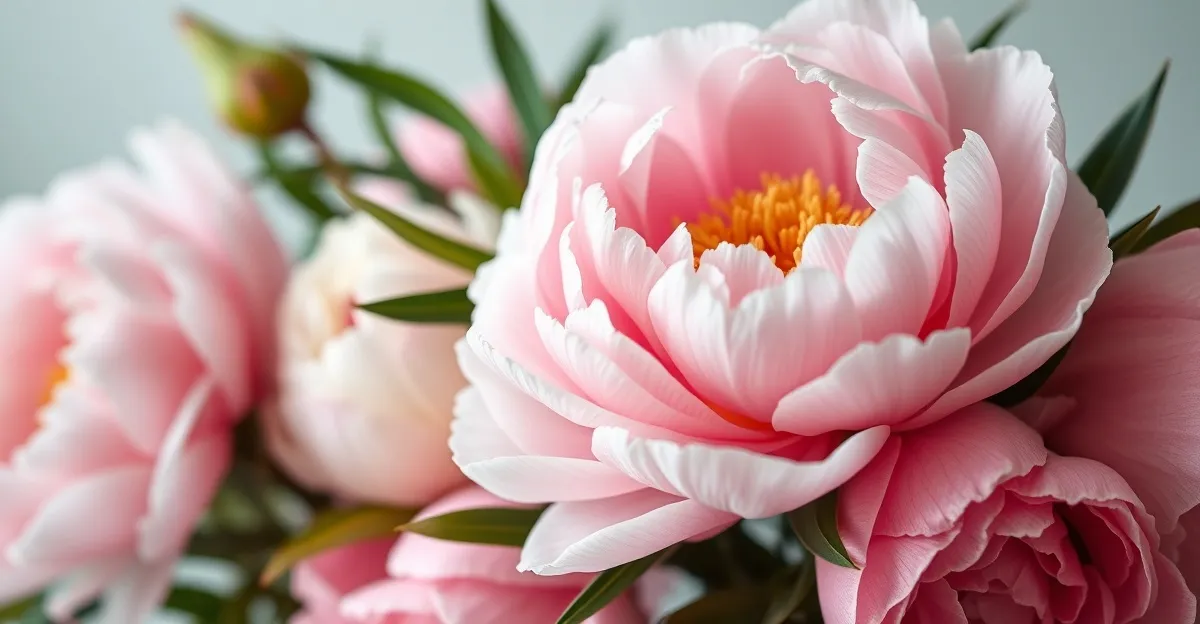
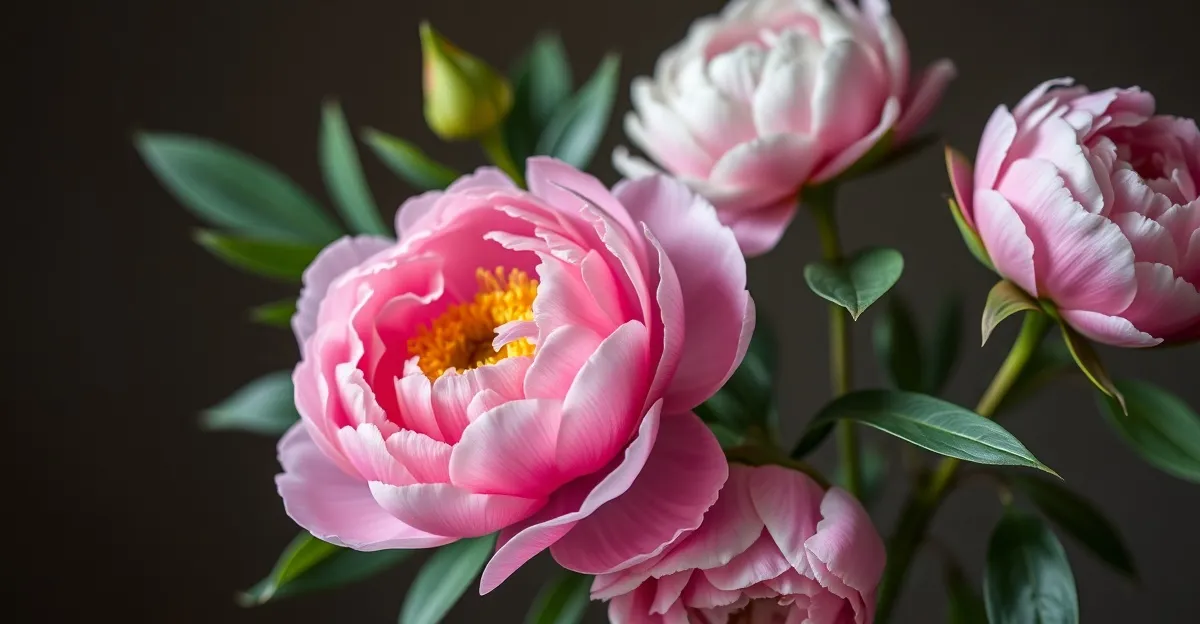
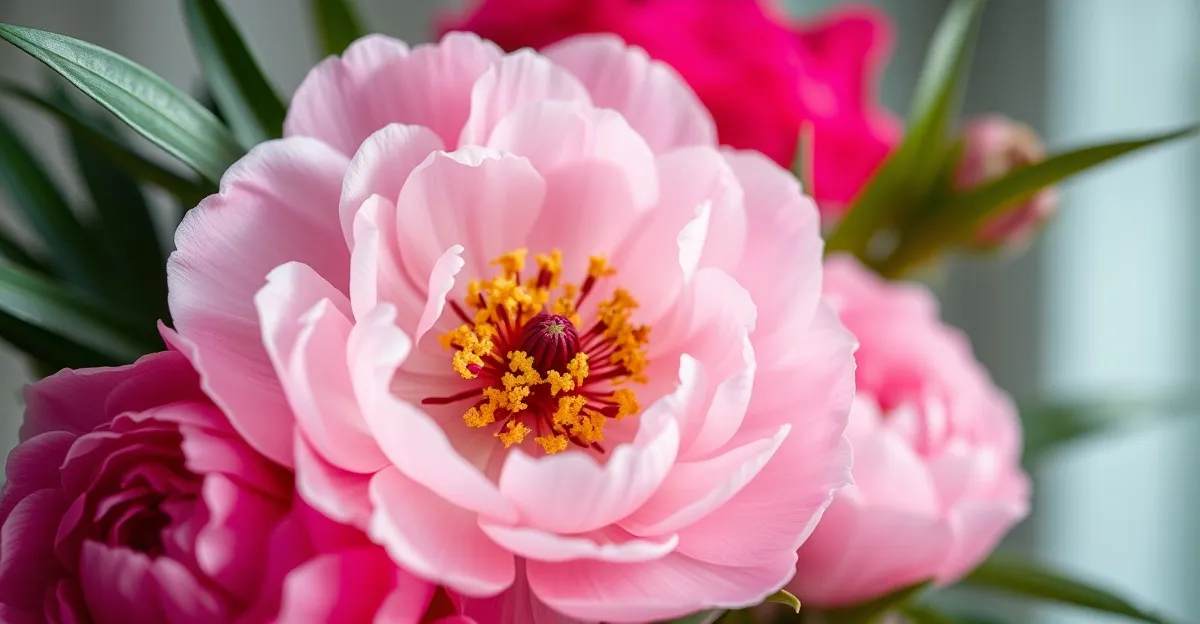
Can peony grow in Bali? A florist's perspective
Can peonies actually grow in Bali's tropical climate? A florist shares the honest answer, plus what you can do if you love these blooms.
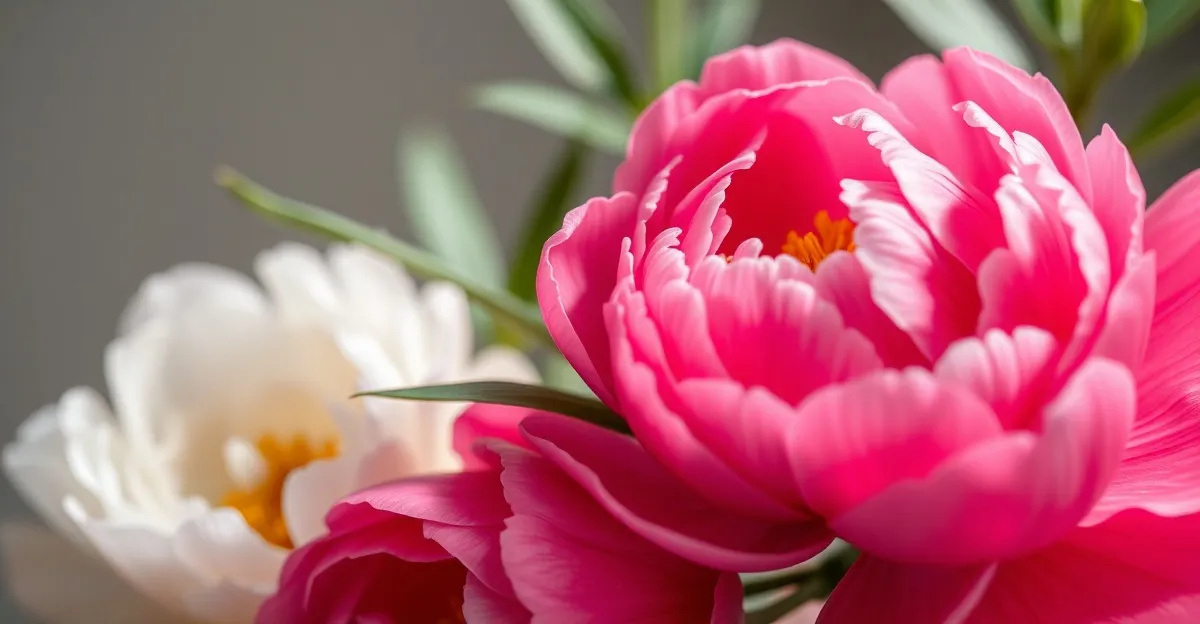
People ask us this every week. Someone has just returned from Japan during hanami season, or spotted a peony arrangement at a Seminyak wedding, and now they want to grow their own. It's an understandable dream — peonies are extraordinary flowers. But the short answer, from someone who's worked with blooms in Bali for years, is: no. Not really. And understanding why tells you a lot about what makes peonies special in the first place.
That said, "not really" has some nuance. There are conditions in Bali where a peony plant might technically survive. There are specific highland areas of Indonesia where things get cooler. And there are ways to get genuine peonies in Bali without growing them yourself. This article covers all of it honestly — the botany, the climate math, and the practical alternatives for peony lovers living in the tropics.
What peonies actually need to thrive
Peonies are what botanists call "temperate perennials." They have evolved over thousands of years in environments with cold winters, and that cold period isn't just something they can tolerate — it's something they require.
The chilling requirement
Peony plants need a period called vernalisation. This is a sustained exposure to temperatures between 0°C and 7°C for roughly 500 to 1,000 hours each winter. Without it, the plant doesn't set buds for the following spring. You can have a perfectly healthy-looking peony plant in tropical soil, but without that chill period, it simply won't flower.
This isn't optional. It's built into the plant's hormonal system. The cold triggers hormonal changes that shift the plant from vegetative growth to reproductive mode. No cold, no blooms.
Soil and drainage requirements
Beyond the cold, peonies want well-draining, slightly alkaline soil with good organic content. Bali's volcanic soil is highly acidic and holds moisture. The two are incompatible without significant soil amendment, and even then you're fighting the drainage patterns that Bali's wet season creates.
Disease pressure in the tropics
Even if you solved the temperature and soil issues, Bali's humidity creates extreme disease pressure for peonies. Botrytis blight — a grey mould that devastates peony foliage and buds — thrives in exactly the warm, humid conditions found across coastal Bali. Plants would need constant fungicide treatment just to survive, let alone flower.
Why Bali's climate makes it impossible
Bali sits at roughly 8 degrees south latitude. The island's coastal and low-elevation areas (where most people live — Canggu, Seminyak, Kerobokan, Berawa) hover between 26°C and 32°C year-round. The coolest month is July or August, and even then nighttime lows rarely dip below 22°C.
To put the chilling requirement in context: Bali's coldest temperatures are still 15 degrees warmer than what peonies need for vernalisation. The plant doesn't experience a "winter" in any meaningful sense. Without that chill, it won't bloom, and over time it will weaken and die.
Compare this to a country like Australia, which exports peonies to Bali — the southern states have genuine cold winters that allow proper vernalisation, making commercial peony growing viable.
What about Bali's highlands?
The Kintamani area and the mountains near Bedugul are genuinely cooler. Bedugul, at around 1,500 metres elevation, can see temperatures drop to 14°C at night during the dry season. That's meaningfully cooler — but is it cool enough, and sustained enough, for peonies?
Unlikely. You'd need a minimum of around 500 hours at temperatures below 7°C. Bedugul rarely reaches 7°C, let alone sustains it for weeks. A few experimental gardeners in Indonesian highland areas have tried; results are consistently disappointing. The plants may survive, but flowering is sparse and unreliable.
You'd also be dealing with the same high-humidity disease pressure that affects lowland Bali. Growing peonies in a tropical highland requires the kind of controlled environment — climate-regulated greenhouse, soil engineering, disease management — that makes it commercially unviable for anything other than the most determined enthusiast.
Where do Bali's peonies actually come from?
Most peonies you see in Bali florist arrangements and at weddings are imported. The main sources:
Australia: Australian farms in Victoria and New South Wales run counter-seasonal to Europe, which means fresh Australian peonies are available during Bali's dry season (May–September). Flight time to Bali is short, so the flowers arrive in reasonable condition.
The Netherlands: Dutch flowers travel further and are older by arrival, but Dutch growers dominate global peony supply and their stock is exceptional quality. Expect these during the European peony season (April–June).
China: Chinese peonies — including the famous Paeonia suffruticosa tree peony — are available in certain seasons and are sometimes sourced by Indonesian importers. Tree peonies, notably, have slightly lower chilling requirements than herbaceous peonies, though they still can't be grown reliably in tropical Bali.
The practical implication: because peonies are imported, their availability and price fluctuate with seasons and air freight costs. If you're planning a Bali event around peonies, book your florist early and be prepared with alternatives.
Alternatives that give you a similar feel
If you love peonies for their full, layered, romantic aesthetic, there are flowers that thrive in Bali and can deliver a similar look.
Ranunculus
The closest visual match to a peony. Ranunculus has that multi-petalled, cabbage-rose-like density that photographs beautifully. It's also imported but travels better than peonies and is available for more of the year. A ranunculus arrangement is often more practical for a Bali event than peonies.
Garden roses
Full-bloom garden roses — David Austin varieties especially — have the same romantic lushness as peonies. Some varieties are grown commercially in Java and ship to Bali efficiently. They also last longer in tropical conditions than peonies, which makes them better value for weddings and long-running events.
Lisianthus
Less well-known but genuinely beautiful. Lisianthus has layered, ruffled petals in shades from white to deep purple-blue. It grows reasonably well in Indonesian highland conditions and is stocked by premium florists in Bali. Vase life in the tropics is also better than peonies.

The team
your florists
weekly subscription · Bali
We write about flowers because we love them. We deliver them because someone should — properly, weekly, across Bali.
— heyflowerPay once for 3, 6, or 12 months, no auto-renewal.
Getting genuine peonies in Bali
If it has to be peonies, here's how to get them reliably:
-
Plan around the Australian season (roughly November to February for southern hemisphere spring peonies). This is when Australian imports are freshest and transit time is shortest.
-
Order through a florist who knows suppliers well. Peonies aren't the kind of flower you find at a general market stall. A specialist florist will have relationships with importers and can time orders to match your event.
-
Be flexible on colour. White and soft pink peonies are the most reliably available imports. Coral, hot pink, and red peonies are harder to source and often less fresh by arrival.
-
Keep expectations realistic on vase life. As covered in our guide on peony vase life in the tropics, expect four to seven days with proper care. Plan accordingly.
At heyflower.co, we source peonies when seasonal availability makes quality worth the effort. Subscribe at /#subscriptions and we'll work with you on seasonal requests.
Frequently Asked Questions
Can any variety of peony survive in tropical conditions?
Tree peonies (Paeonia suffruticosa) have slightly lower chilling requirements than herbaceous peonies, but they still need a cool period that Bali simply can't provide at sea level. No variety is truly suited to a tropical climate like Bali's.
What's the closest thing to a peony that can actually grow in Bali?
Garden roses — particularly full-bloom David Austin or centifolia varieties — are the closest in appearance. Ranunculus, when available, also captures the layered aesthetic. Both are practical choices for Bali gardens and arrangements.
Why are peonies so expensive at Bali florists?
The price reflects import costs, air freight, and the limited seasonal availability. Peonies can't be grown locally, so every bloom has flown in from Australia, Europe, or China. That logistics chain adds significant cost compared to locally grown tropical flowers.
Are there any peony farms in Indonesia?
Not commercial ones that we're aware of. Some experimental growing has been attempted in Java's highlands, but commercial peony farming in Indonesia isn't viable without controlled-environment infrastructure. Most Indonesian peonies in circulation are imported.
Can I bring peony seeds or bulbs into Bali to try growing them?
Indonesia has strict biosecurity rules around importing plant material. Seeds and bulbs require phytosanitary certificates and may be confiscated at customs. Beyond the legal issues, attempting to grow peonies in Bali from bulbs would require artificial chilling equipment to simulate winter — a significant investment with uncertain results.
More on Peony