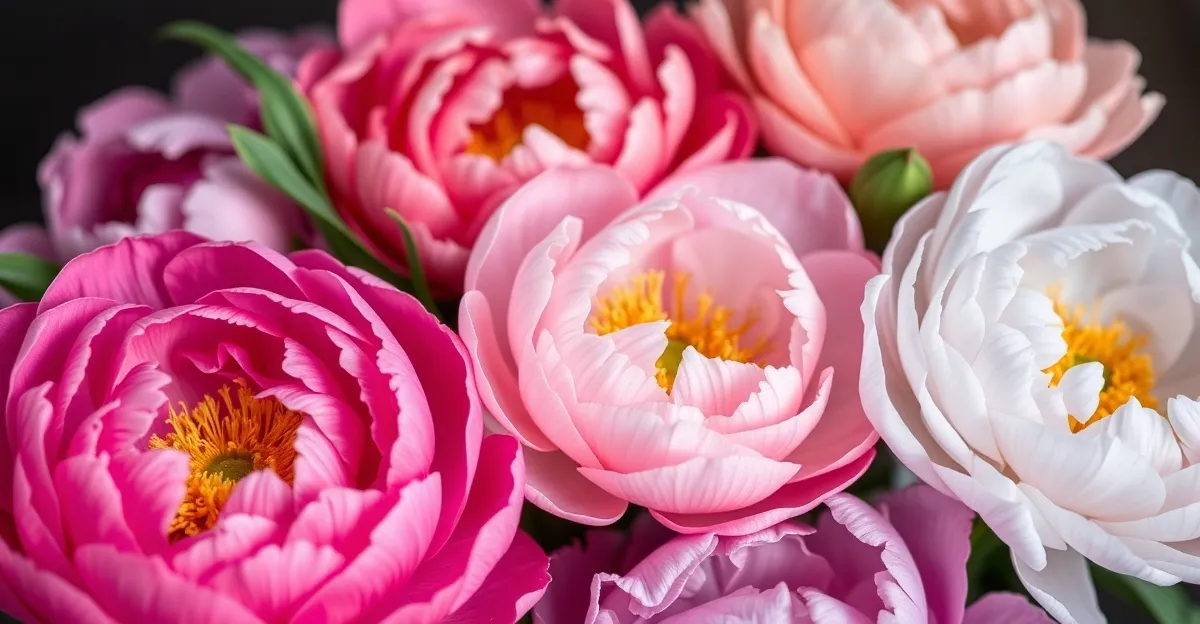
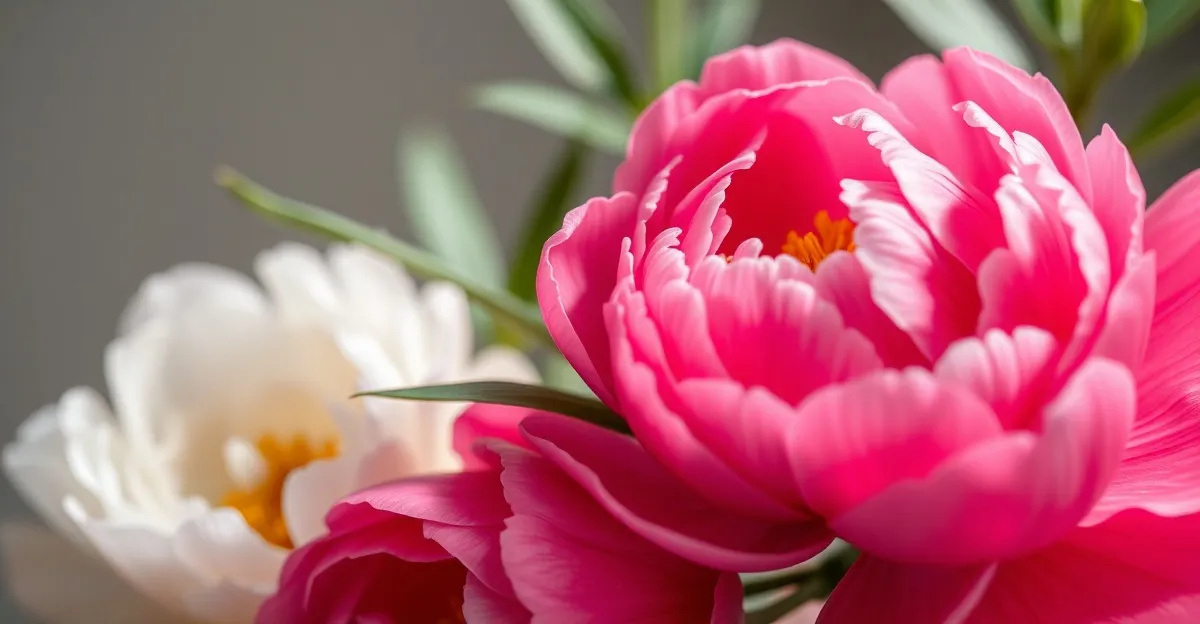
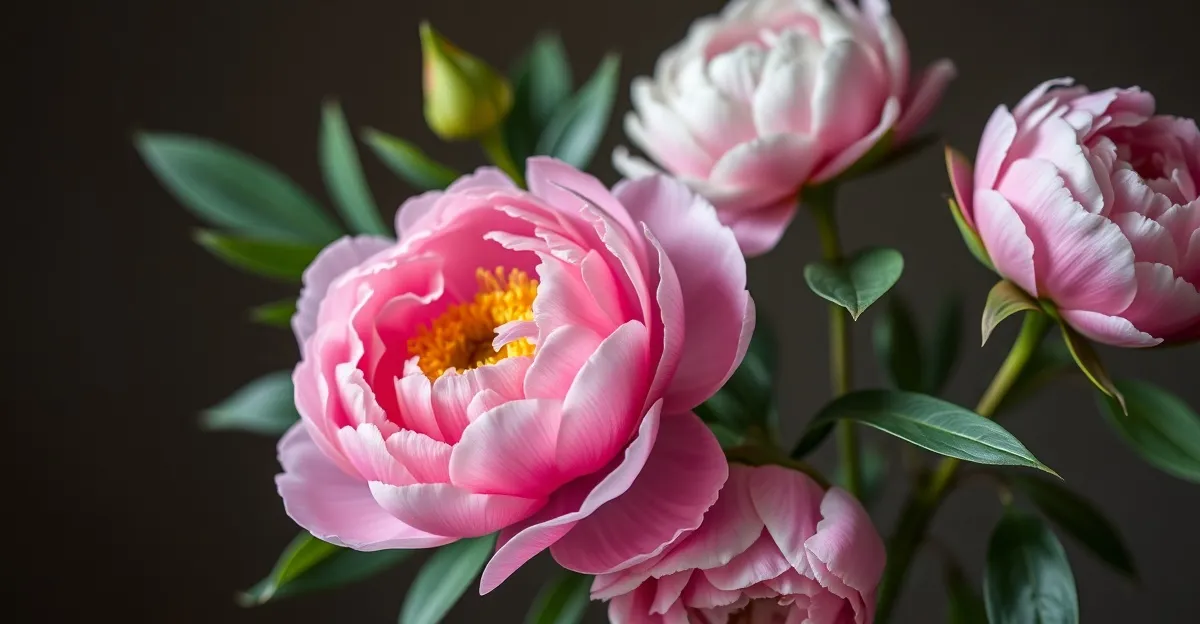
How to Care for Peony in Bali's Humid Climate
Peonies are precious and short-lived in tropical heat. Here's how to make them last as long as possible in Bali — practical care tips that actually work.
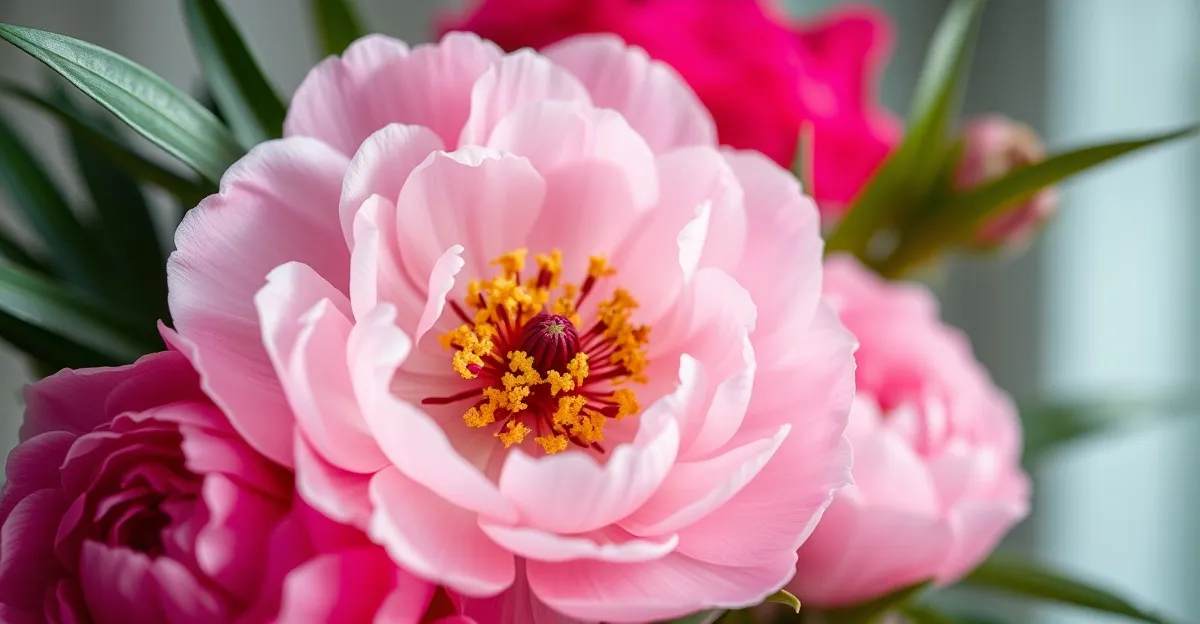
Peonies are among the most beautiful and most perishable flowers that arrive in Bali's flower markets. They're cool-climate plants — native to temperate Asia, Europe, and North America — and they arrive here as imports that have already made a long journey in cold storage. Once that cold chain is broken and they're in the warmth of Bali's tropical air, the clock starts ticking with more urgency than almost any other cut flower.
This isn't a reason to avoid them. A well-cared-for peony in Bali is still breathtaking. But understanding exactly what you're working with, and what the care routine needs to look like here, is the difference between five beautiful days and two disappointing ones.
Understanding Peony Behaviour: From Tight Bud to Full Bloom
Peonies behave differently from most cut flowers, and understanding this behaviour prevents both frustration and wasted blooms.
When you receive peonies, they're typically in one of two states:
Hard bud: Completely closed, the bud covered in leafy sepals with the petals compressed tightly inside. It looks almost like nothing is going to happen. This stage requires patience — the blooms need several days to open.
Soft bud: The sepals have begun to open and you can see colour between them, with the petals slightly loose inside. This is the ideal stage for receiving peonies — they'll open fully over the next two to four days.
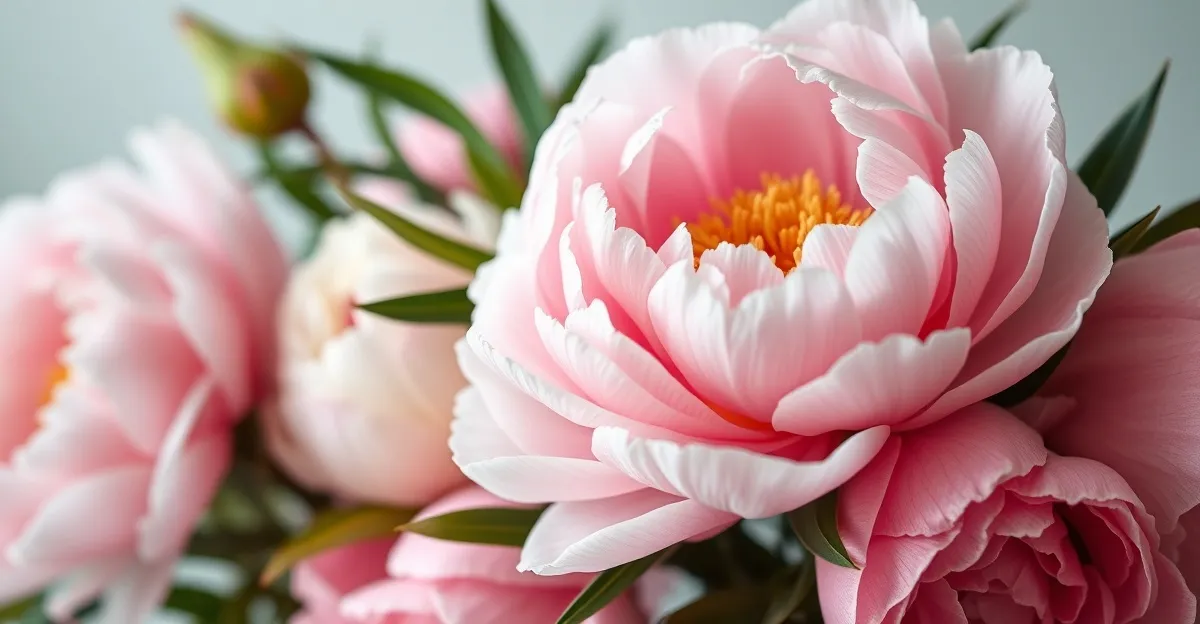
Open bloom: Petals have opened fully and the flower is at its most spectacular. At this stage in Bali's heat, you have two to four days before petals begin to drop.
In Bali's warmth, a soft bud peony received on Monday will typically be fully open by Wednesday or Thursday. This is fast compared to a temperate setting — understanding this helps you plan around the flower's life cycle rather than being caught off guard.
The Moment of Arrival
The first thirty minutes after your peonies arrive are disproportionately important. Flowers that have been transported in heat are often slightly dehydrated, and getting them properly rehydrated quickly is the foundation of good vase life.
Unpack immediately: Remove all wrapping without delay. Exposure to trapped warmth in packaging is damaging.
Cut the stems generously: Cut two to three centimetres from the bottom of each stem at a 45-degree angle. Use very sharp scissors or a clean knife. The cut surface needs to be clean and uncompressed for good water uptake.
Strip lower leaves: Remove any leaves that will be below the waterline in your vase. These decompose rapidly, fouling the water and encouraging bacteria.
Use cool, clean water with flower food: If you have flower food, use it. It contains three things a peony needs: a bactericide (to prevent the bacterial bloom that clogs stems), a small amount of sugar (to maintain petal energy), and an acidifier (to help water travel up the stem efficiently). In Bali's heat, all three are beneficial.
Deep drink in a cool space: Place the stems in water and move the vase to the coolest available location for several hours. This initial conditioning drink makes a noticeable difference to vase life.
Managing the Opening Rate
In Bali's heat, peonies open faster than you want them to. If you received hard buds and want them to remain beautiful for a specific occasion (a dinner party, a photo shoot, a special day), you can manage the opening rate.
To slow opening: Store buds in a cool, shaded space — an air-conditioned room with indirect light. The overnight refrigerator method (see below) dramatically slows the process. Tight buds stored in cool water in a refrigerator can be held for several days.
To encourage opening: Move flowers to a warmer space with indirect natural light. A gentle misting of warm water on the bud can help trigger opening. Changing to slightly warmer water also encourages the process.
This control gives you flexibility that's particularly useful for event or wedding flowers — you can time the opening to peak beautifully on the day you need them to.
Daily Care Routine
Peonies in Bali need active daily care to perform at their best.
Water Changes
Change vase water every day — without exception. Peonies release a significant amount of organic matter into the water, which feeds bacterial growth rapidly in warm conditions. Cloudy, foul-smelling vase water is the main enemy of peony vase life.
When you change the water, rinse the vase thoroughly, trim the bottom of the stems by a millimetre or two, and refill with cool, fresh water. This takes three to four minutes and adds days to the life of your arrangement.
Placement
Indirect light only: Direct Bali sun will cause petals to thin and drop within a day. Bright indirect light is ideal.
Away from AC vents: A cool room is beneficial; a cold draught blowing directly onto the flowers is not. AC vents dry petals and cause browning at the edges.
Away from fruit: Ripening fruit releases ethylene gas, which significantly accelerates flower aging. Peonies are particularly sensitive to ethylene.
Away from cooking heat: The kitchen is generally the worst location in a Bali home for flower care — warm air, ethylene from cooking, and often direct light from windows.
Overnight Refrigeration
This is the single most effective care technique for peonies in tropical conditions. Each evening, move the vase (or individual stems in water) into the fridge. Remove any fruit. Place gently on a shelf, ensuring petals aren't compressed. Retrieve in the morning.
The overnight rest in cool conditions dramatically slows petal drop, reduces transpiration stress, and gives the flower a genuine rest from heat. Peonies that receive this treatment consistently last three to four days longer than those kept at room temperature throughout.
Reviving Tired Peonies
Even with good care, peonies can flag in Bali's heat. Here's how to revive them.
Deep conditioning: Recut the stems and submerge them in cool water in a tall container (a jug or bucket) up to the base of the blooms. Leave for one to two hours. The flowers rehydrate through both stem and petals and often recover significantly.
Wilted head technique: If a specific bloom is drooping on its stem, wrap the entire flower and top of the stem in damp newspaper and stand it in cool water for an hour. The humidity created by the wrap helps the bloom recover.
Remove spent blooms promptly: As individual flowers open and begin to drop petals, remove them. A spent peony emits ethylene that affects neighbouring blooms. A vase of five fresh peonies outlasts a vase of eight where three are already spent.

The team
your florists
weekly subscription · Bali
We write about flowers because we love them. We deliver them because someone should — properly, weekly, across Bali.
— heyflowerPay once for 3, 6, or 12 months, no auto-renewal.
Understanding the Scent
Peony fragrance is one of the flower's defining qualities — a sweetness with depth, often with notes of rose, violet, or even spice depending on the variety. In Bali's warm air, this fragrance is more intense than in a cool European room.
This is usually a positive — the fragrance fills a room beautifully and announces the flower's presence. But for very small spaces or people who are sensitive to strong scents, it's worth knowing in advance. If you're gifting to someone whose preference you're unsure of, a quick check about fragrance sensitivity is worthwhile.
Some peony varieties are scentless or nearly so — these are typically the double-flowered bomb varieties with very dense petals. Check with your florist if scent level matters for your specific situation.
For beautiful, fresh peonies delivered when they're at peak quality, heyflower.co sources carefully and delivers every Monday to Canggu, Berawa, Pererenan, Seminyak, and Kerobokan. We love peonies and we know exactly how to get them to you in the best possible condition.
Frequently Asked Questions
How long do peonies last in Bali's climate?
With daily water changes and overnight refrigeration, expect five to seven days from soft bud to spent bloom. Hard buds held in cool conditions before opening can extend this significantly — buds kept cool may not fully open for three to four days, giving you a longer beautiful window. Without careful care, three to four days is more typical in Bali's heat.
Why do my peony buds feel hard and look like they'll never open?
Hard peony buds are dehydrated or haven't received sufficient warmth yet. Recut the stems, change to fresh cool water with flower food, and move to a room with indirect natural light at ambient (not air-conditioned) Bali temperature. If the buds are very hard, you can gently roll them between your palms for a few seconds to help loosen the sepals — this doesn't damage the flower and can trigger opening. Within 24 to 48 hours in a warm room, most hard buds will begin to show colour.
Should I remove the ants from peony buds?
Peony buds produce a sugary secretion on their outer sepals that attracts ants in their natural garden environment. In Bali, this secretion can attract insects quickly. A gentle rinse under room-temperature water when the flowers arrive removes the secretion without damaging the bud. In a vase indoors, you're unlikely to have ant issues once the flowers are away from the garden environment.
Can I use peony petals that have fallen from the vase?
Fallen petals, if they're still fresh and haven't been damaged, are beautiful scattered around a vase in a decorative way. They can also be pressed or used in bath water, in a bowl of water as a floating display, or incorporated into pressed flower art. In Bali's context, a bowl of fragrant peony petals mixed with frangipani flowers is a lovely decorative and aromatic display.
My peonies opened faster than expected. Can I slow them down now?
Yes. Fully open but still fresh peonies can be slowed significantly by moving them to the fridge overnight and keeping them in a cooler environment during the day. Once a peony is fully open, you have perhaps two to four more days in Bali's heat. Cool conditions won't reverse the opening, but they will slow petal drop and maintain the flower's condition considerably.
More on Peony