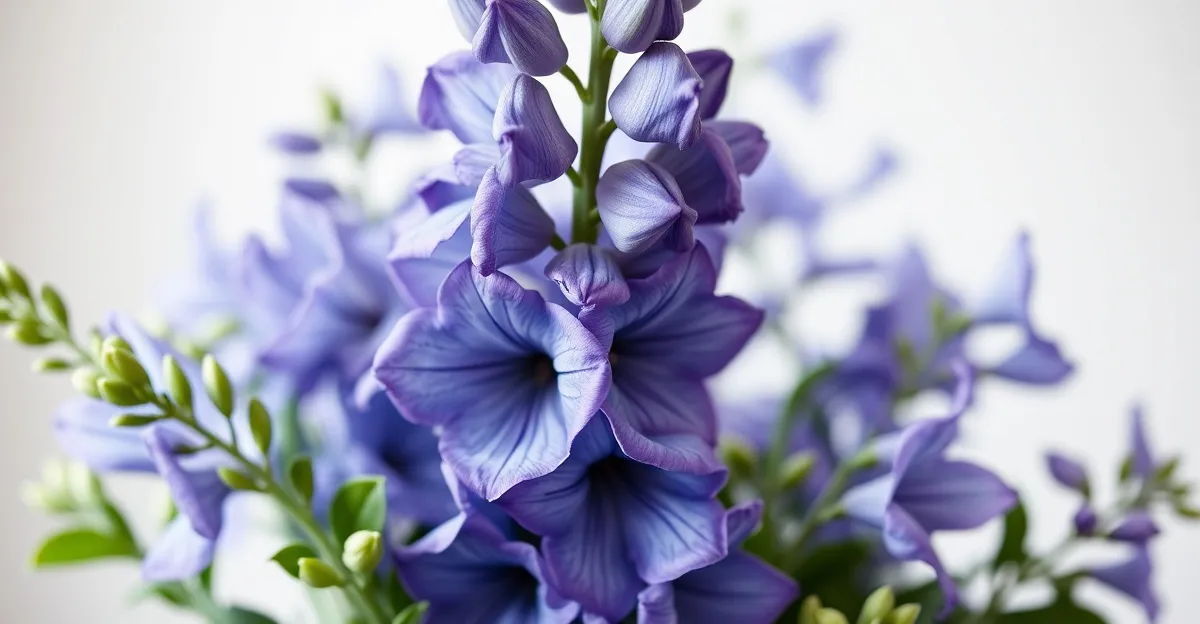
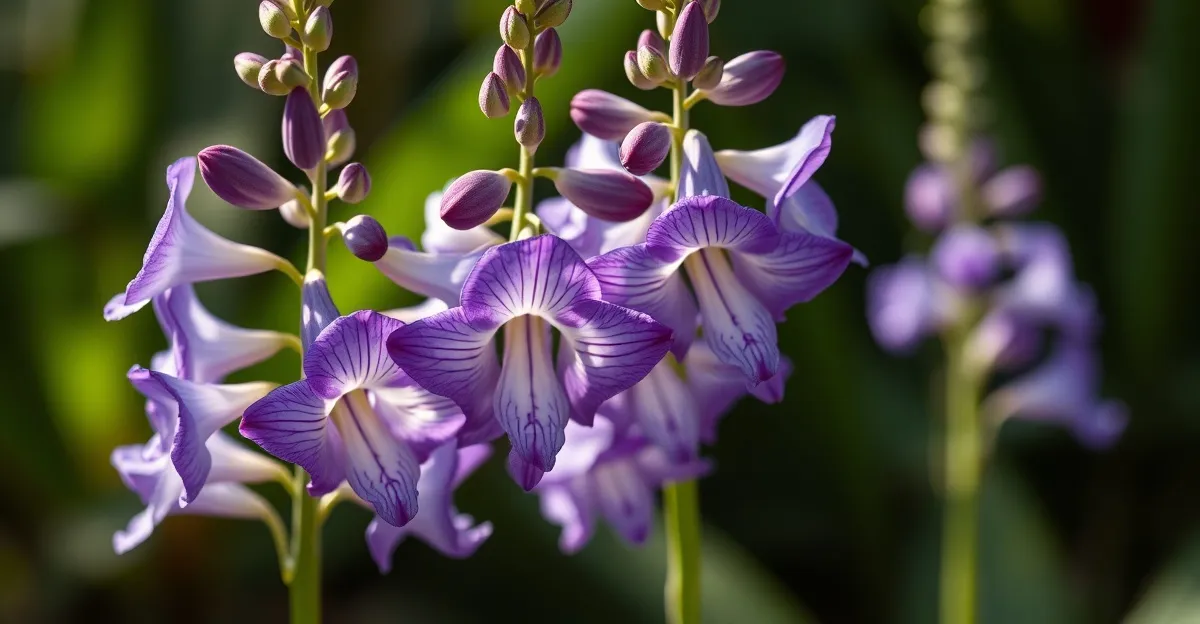
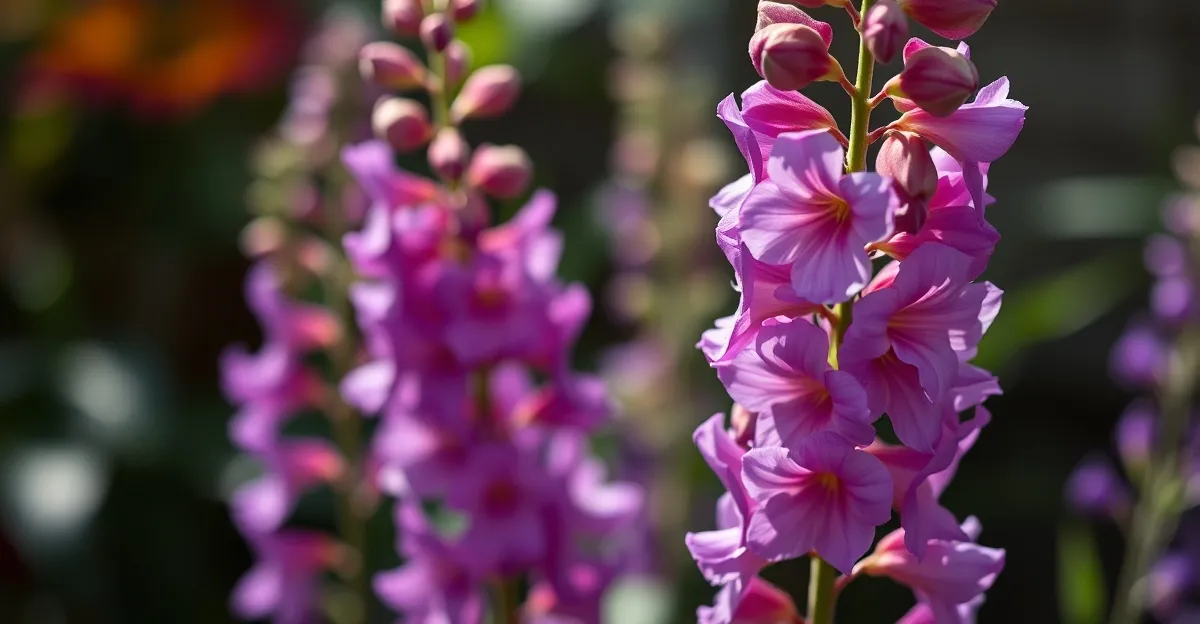
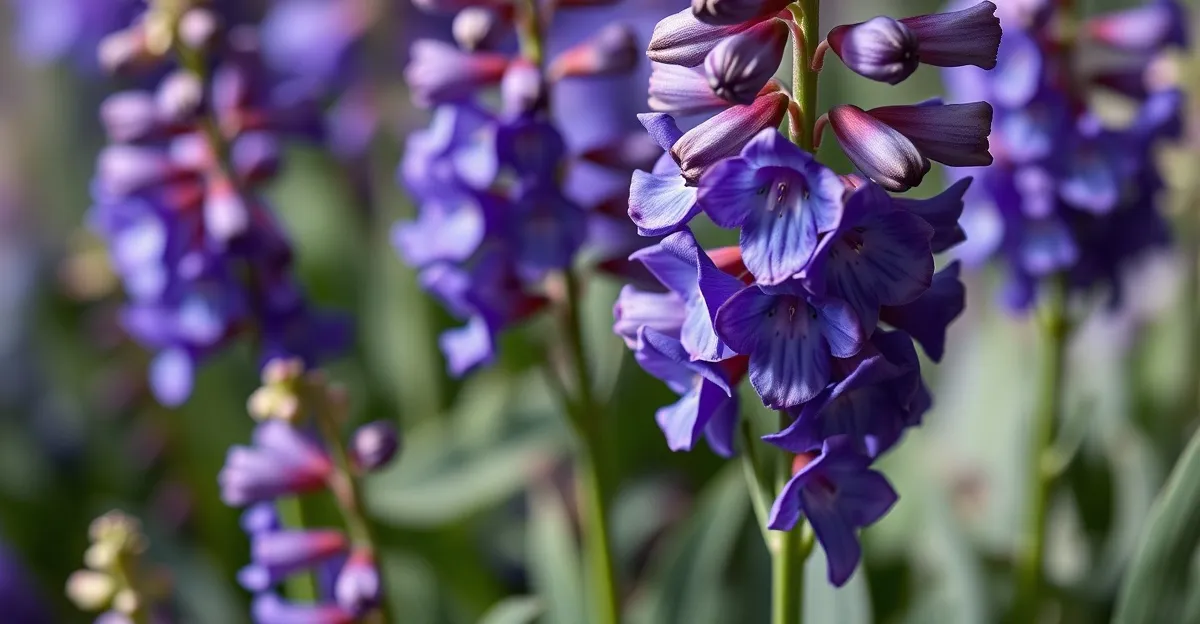
Can delphinium grow in Bali? A florist's perspective
Delphinium loves cool climates, and Bali is decidedly not one. Here's an honest florist's perspective on growing delphinium in Indonesia.
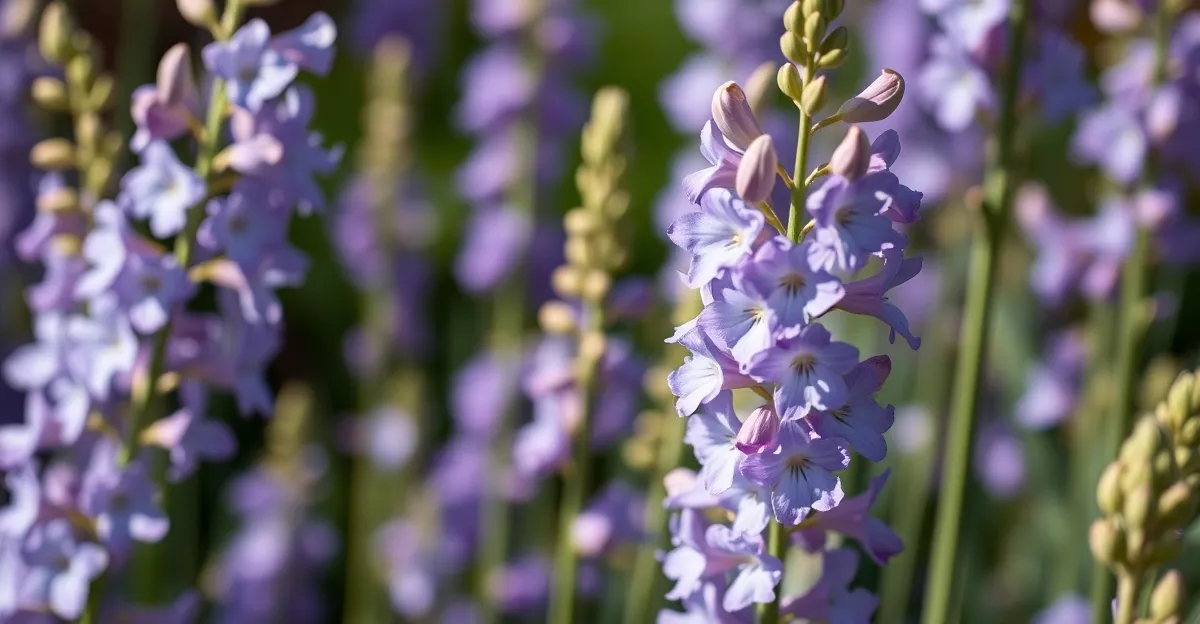
Delphinium is a flower of mountain meadows, English country gardens, and the cooler latitudes. It is native to the Northern Hemisphere's temperate regions — from Europe through Central Asia — and its cultivation requirements reflect those origins in ways that make growing it in tropical Bali genuinely challenging. This is not a question of trying hard enough. It is a question of what a plant's biology needs, and whether a tropical island can provide it.
The short answer: growing delphinium in Bali's lowland coastal areas is not practical. Growing it in highland areas above 1,000 meters altitude is difficult but has been done. Here is the longer picture.
Why delphinium struggles in tropical climates
Delphinium (primarily Delphinium elatum and its hybrid descendants, which are the varieties most used in floristry) evolved in conditions with four distinct seasons, including proper cold winters and cool springs. These temperature cycles trigger critical stages in the plant's development. The cold period of winter is not just something the plant tolerates — it is something the plant requires. Without a sufficiently cold period, delphinium does not reliably break dormancy and enter vigorous spring growth. Without a genuinely cool spring, the flower stalks remain stunted and the plant tends to run to leaf rather than bloom.
Bali's coastal lowlands — Seminyak, Canggu, Sanur, Ubud's lower reaches — sit at temperatures that rarely drop below 22 degrees Celsius even at night. Annual rainfall is high, particularly during the wet season from October through March. The combination of perpetual warmth and high humidity is precisely what delphinium most struggles with. The plants can survive, technically, but they tend to produce weak stems, sparse flowering, and are highly susceptible to the powdery mildew and root rot that warm, humid conditions promote.
There is also a toxicity consideration worth knowing: all parts of delphinium are toxic to humans and animals, which makes growing it in any space accessible to children or pets something to think about carefully.
What happens when people try it in Bali
Florists and home gardeners in Bali who have attempted delphinium in the lowlands report consistent results: the plants grow initially, producing healthy-looking foliage, but flower spikes either do not develop at all or are short and sparsely covered. The plants often decline in the wet season when fungal disease pressure is highest, and those that survive tend not to reward the effort with anything like the tall, densely-packed flower spikes you see in a florist's display.
Some villa gardeners in Bali have had success with annual delphinium varieties (Consolida species, sometimes called larkspur) which are more heat-tolerant than the tall hybrid delphiniums used commercially. Larkspur does not produce the same dramatic effect as delphinium proper, but it is recognizably related, has a cottage-garden charm, and will reward determined gardeners with flowers in the cooler months.
Where delphinium can work in Indonesia
The key variable is altitude. In Indonesia's highland regions — areas above 1,000 meters where nighttime temperatures drop into the 14 to 18 degree range — delphinium becomes more feasible. Java's highland growing areas around Malang and Dieng have successfully produced delphinium for the cut flower trade, supplying Bali's florists and Jakarta's hotel and event market.
In Bali specifically, the areas around Kintamani (altitude roughly 1,500 meters) and Bedugul (altitude around 1,200 to 1,400 meters) have the cooler nighttime temperatures that delphinium needs. Small-scale experimental growing has occurred in these areas. Results are better than in the lowlands — actual flower spikes, reasonable stem length — though yields and quality are still below what dedicated highland Java growers produce.
If you live in or near Kintamani or Bedugul and want to try, the highland flower market at Bedugul is the best starting point for sourcing seeds or seedlings and for connecting with local growers who have experimented with similar cool-climate ornamentals.
Where Bali's delphinium comes from
Most delphinium sold in Bali by florists comes from highland Java, where the established flower industry produces it commercially. Premium varieties — particularly the long-stemmed, densely-flowered spikes that you see in high-end event arrangements — may be imported from the Netherlands or Colombia through Jakarta's cut flower import market.
The Javanese-grown delphinium is typically adequate for most gifting and event needs, arriving pre-cooled and lasting five to seven days with proper care in Bali's climate. The imported varieties have more uniform quality and longer stems but come at a significantly higher cost.
Understanding how to choose a florist in Bali who is transparent about their sourcing helps you know what you are getting — whether the delphinium in your arrangement came from a Javanese highland farm, from an import shipment, or from somewhere more opaque in the supply chain.

The team
your florists
weekly subscription · Bali
We write about flowers because we love them. We deliver them because someone should — properly, weekly, across Bali.
— heyflowerPay once for 3, 6, or 12 months, no auto-renewal.
If you want to try growing it yourself
For the determined home gardener in Bali:
Choose the right altitude: Below 800 meters, success is very unlikely. Above 1,200 meters, your chances improve significantly.
Try larkspur first: Consolida ajacis (annual larkspur) is a more heat-tolerant relative that will tell you whether your site and your growing conditions can support delphinium-family plants before you invest in the more demanding hybrid delphiniums.
Start from seed in the cooler months: If you are in a highland location, sow in April or May (as the rainy season ends and temperatures drop) for best germination results.
Prioritize drainage: Delphinium detests waterlogged roots. Raised beds with a well-draining, slightly alkaline medium give the best results. Bali's clay-rich soils need significant amendment to provide the drainage delphinium requires.
Manage fungal disease proactively: Even in highlands, Bali's humidity encourages powdery mildew on delphinium. Regular spacing for airflow and copper-based fungicide applied preventatively reduces the risk.
Expect imperfection: Home-grown delphinium in Bali will not look like the commercial product. Shorter stems, fewer florets per spike, more variable coloring — these are realistic outcomes. Enjoy them for what they are.
FAQ
Can I grow delphinium on a rooftop garden in Bali? In lowland areas, a rooftop with better airflow and potentially slightly cooler temperatures than ground level is still not enough to compensate for the fundamental climate mismatch. In highland areas, a well-positioned rooftop could work.
Is larkspur the same as delphinium? Larkspur (Consolida species) was formerly classified as a delphinium species and is closely related. It is more heat-tolerant and grows as an annual. The flower spikes are similar but generally shorter and less dense than commercial hybrid delphiniums.
Where can I buy delphinium seeds or seedlings in Bali? The Bedugul flower market is the best starting point for unusual ornamental seeds and seedlings in Bali. For a wider selection, online Indonesian seed suppliers can ship to Bali.
Does delphinium grow near Ubud? At Ubud's main town altitude (roughly 500 to 600 meters), it is still too warm for reliable delphinium flowering. Higher areas above Ubud, approaching 900 to 1,000 meters in the hills north of town, are potentially viable for the most heat-tolerant varieties.
What is the price of imported delphinium from florists in Bali? Delphinium is typically priced per stem. Basic quality stems from Java range from Rp 20,000 to Rp 40,000 per spike. Premium imported long-stem varieties can reach Rp 80,000 to Rp 120,000 per spike at specialist florists.
Ready to bring fresh flowers to your Bali home or event? Explore our weekly flower subscription and get handpicked blooms delivered to your door every week.
More on Delphinium