Can chrysanthemum grow in Bali? A florist's perspective
A working florist's honest take on growing chrysanthemums in Bali — where they thrive, where they struggle, and where your weekly supply actually comes from.
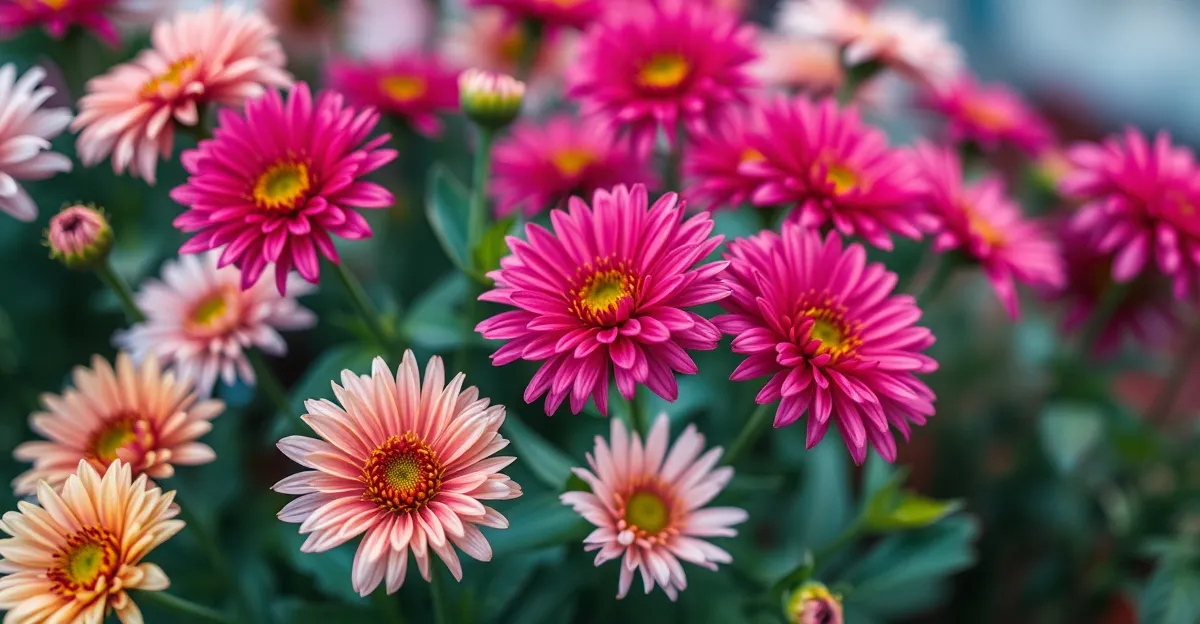
Chrysanthemums appear everywhere in Bali — in temple offerings, on market stalls, in the kind of lush arrangements you see at beachside dinner tables in Canggu. Yet chrysanthemums are not a tropical plant. They come from temperate, mountainous origins in China and Japan. So how are they so abundantly available here, and can you actually grow them in your Bali garden?
The honest answer involves geography, altitude, and a flower trade that moves product daily from Bali's highlands to its coast.
Chrysanthemum's natural requirements
Chrysanthemums (Chrysanthemum morifolium and related species) evolved in China and were cultivated there for at least two and a half thousand years before spreading globally. Their natural habitat is highland and temperate — cool-to-cold winters, warm summers, dry air.
To flower, traditional chrysanthemum varieties are short-day plants: they need nights longer than twelve hours to trigger flower bud formation. In regions close to the equator, where day length varies only slightly, this can be managed but requires understanding.
They also prefer temperatures between 16–22°C for optimal growth. Bali's coastal temperatures, sitting between 26–34°C most of the year, are significantly warmer than ideal.
The highland difference: Bedugul
The most important thing to understand about chrysanthemum production in Bali is that most of it happens in Bedugul — a highland area in the centre-north of the island, about 1,200 metres above sea level, roughly an hour's drive from Canggu.
At this altitude, Bedugul's climate is genuinely cool. Temperatures regularly fall to 14–18°C at night. The air is misty and fresher. The growing conditions approach what chrysanthemums prefer. The famous Bedugul flower market, set beside Danau Bratan lake, supplies most of southern Bali's chrysanthemum needs and has been doing so for generations.
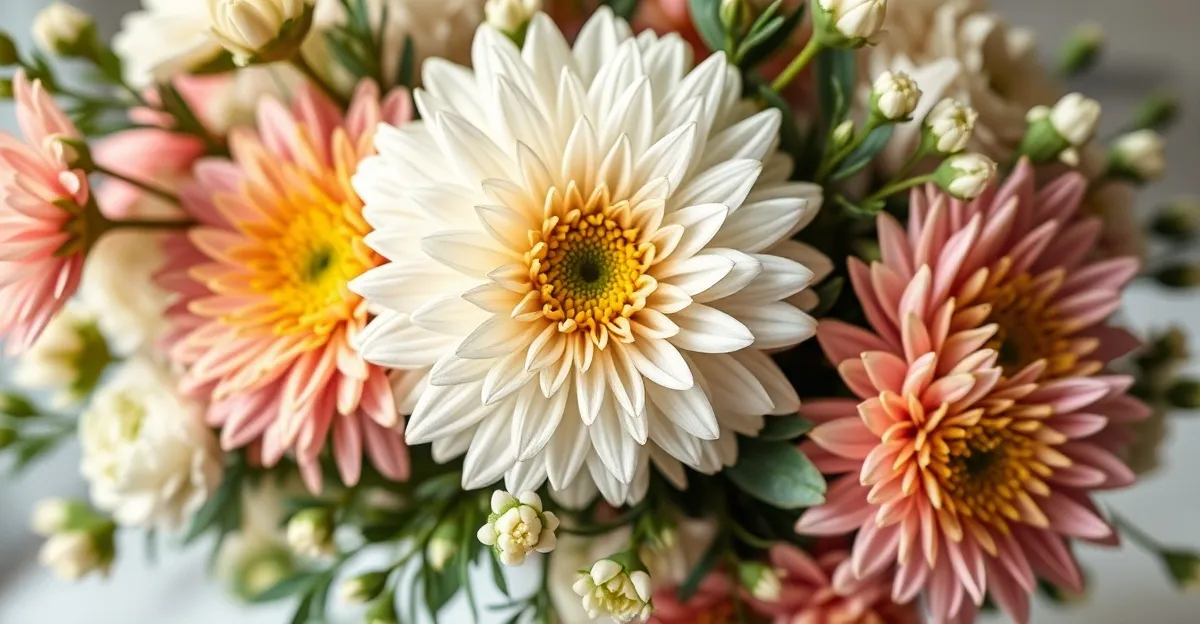
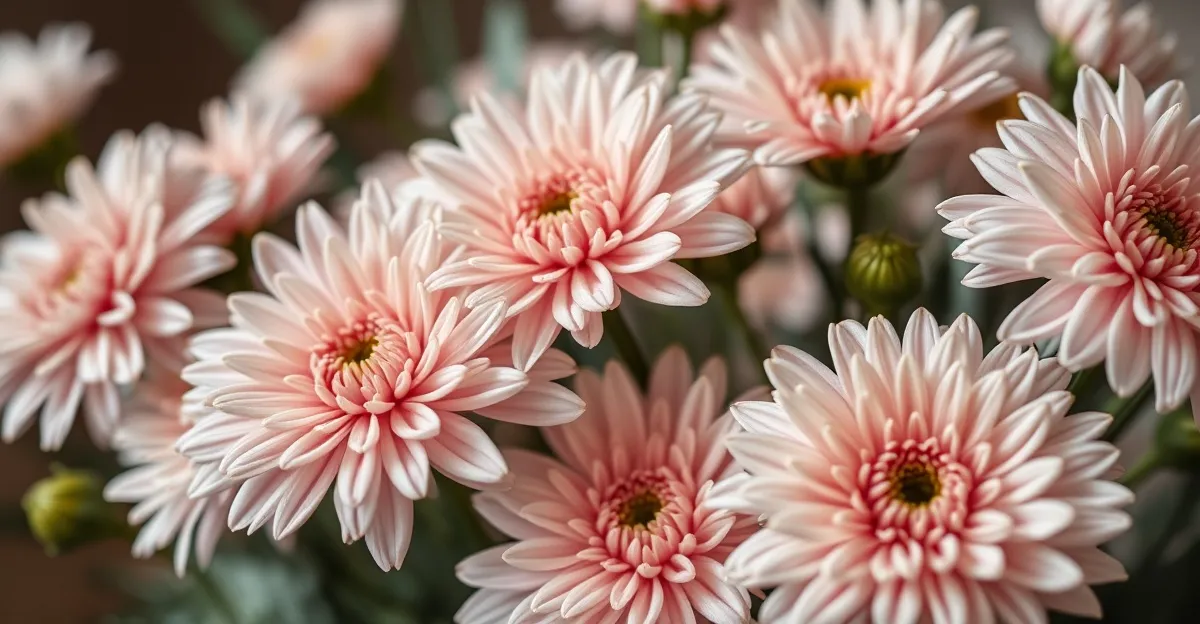
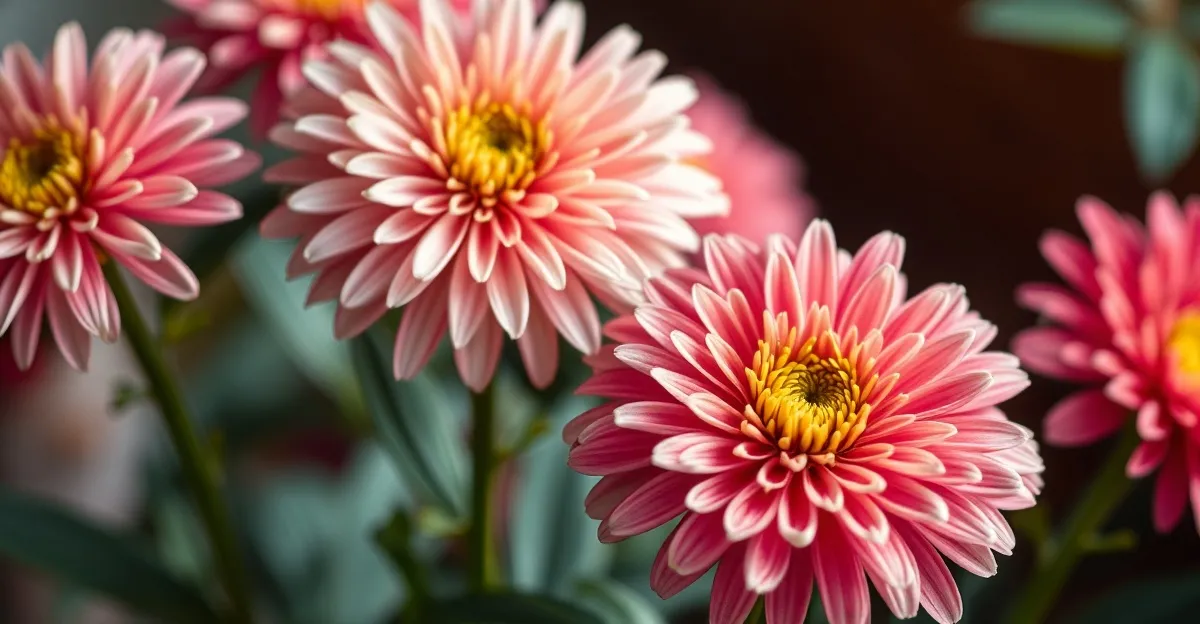
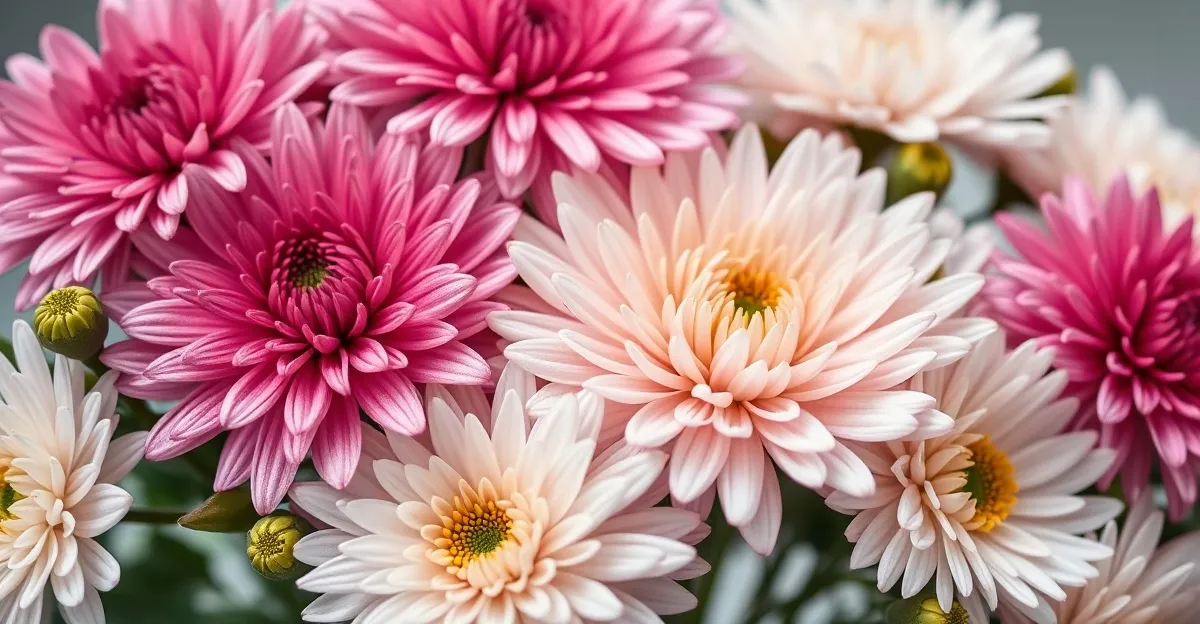
Bedugul growers produce enormous quantities of chrysanthemums: large standard varieties, pompom types, spray chrysanthemums in white, yellow, pink, purple, and every variation. The daily supply is trucked down mountain roads to Denpasar markets and onward to florists across southern Bali.
This is why chrysanthemums feel abundant here — they are grown locally, just not at sea level.
What about growing at coastal elevations?
In Canggu, Seminyak, or the other coastal areas where most expats and tourists live, growing chrysanthemums outdoors is genuinely difficult. The heat, the humidity, and the insufficient temperature drop at night all work against them.
That said, some conditions allow limited success.
Controlled indoor growing
Chrysanthemums in a consistently air-conditioned space — a cool room held at around 22°C — can be grown successfully in containers. The AC solves the temperature problem. You will also need to manage day length artificially (using a black cloth to create longer dark periods if you want flowers during the long-day months of Bali's year).
This is more of a horticultural experiment than a practical gardening project, but it is possible.
Seasonal windows
During Bali's cooler, drier season (June through August), coastal nighttime temperatures can dip to 22–24°C. This is still not ideal for chrysanthemums, but it represents their best chance at the coast. Attempting to grow chrysanthemums in containers during these months, in a sheltered position, occasionally produces results.
Shade and protection
Afternoon shade is essential for any coastal chrysanthemum attempt. The western sun in Bali is intense and will stress plants quickly. An east-facing position that gets morning light and afternoon shade is significantly more promising than a fully exposed location.
Comparing chrysanthemums and carnations in Bali
The situation for chrysanthemums and carnations in Bali is similar: both are highland flowers that don't naturally belong at sea level but are grown successfully in places like Bedugul. Chrysanthemums actually have slightly more altitude-flexible varieties than carnations, meaning some more heat-tolerant modern cultivars can manage reasonably in the cooler months at low elevations.
If you are interested in growing cut flowers at sea level in Bali, you will have significantly more success with plants that naturally suit the tropics: tropical gingers, heliconias, anthuriums, marigolds. These do not require altitude management.
Chrysanthemums in Bali's home gardens: what to plant instead
If you love the look of chrysanthemums but want a garden plant that genuinely thrives in your Canggu compound, these tropical alternatives provide similar visual warmth:
Marigolds (Tagetes species): The quintessential tropical companion to chrysanthemums. Actually part of the same botanical family (Asteraceae). Marigolds grow vigorously at sea level, thrive in Bali's conditions, and share the warm orange-yellow colour palette of traditional chrysanthemums. They are widely used in Balinese ceremonies.
Zinnias: Annual flowers that love tropical heat and humidity. Dense, colourful, and prolific. They grow quickly from seed and fill garden beds with colour in a way chrysanthemums cannot in coastal Bali.
Gerbera daisies: Technically another Asteraceae family member. They manage Bali conditions better than chrysanthemums, particularly in a well-drained container with some afternoon protection.

The team
your florists
weekly subscription · Bali
We write about flowers because we love them. We deliver them because someone should — properly, weekly, across Bali.
— heyflowerPay once for 3, 6, or 12 months, no auto-renewal.
What this means for your flower arrangements
Understanding the highland origin of Bali's chrysanthemums explains some of the supply variation you might notice. After heavy rain or landslides on mountain roads, market supplies from Bedugul can be interrupted. During peak ceremonial periods — Galungan, Kuningan, Nyepi preparations — highland flower stocks are under heavier demand and prices may rise.
Good florists in Canggu and Seminyak maintain relationships with multiple highland suppliers and adapt to availability. For the similar situation with carnations, see our companion piece on whether carnation can grow in Bali.
Frequently Asked Questions
Are the chrysanthemums sold in Bali markets grown in Bali?
Many are — but in the highlands, primarily Bedugul. Coastal Bali cannot support commercial chrysanthemum production. Some chrysanthemums, particularly specialty varieties for luxury hotel contracts, are imported from Java or overseas.
Can I buy chrysanthemum seeds or plants in Bali?
Seeds and cuttings are available at plant nurseries in Bali. Starting plants from cuttings is easier than seeds. But unless you plan to grow them in a cool, elevated location or a temperature-controlled space, results at sea level will be limited.
What altitude does Bedugul sit at?
The Bedugul area sits between 1,000 and 1,400 metres above sea level. The famous flower market is near Lake Bratan at approximately 1,200 metres. At this elevation, average temperatures are significantly cooler than coastal Bali — much more suitable for chrysanthemum growing.
Why are chrysanthemums sometimes unavailable in Bali markets?
Typically because of supply disruptions on the roads from Bedugul — heavy rain, road works, or increased ceremonial demand during festival periods. Florists adapt by substituting other available flowers or sourcing from Java.
Are imported chrysanthemums better than Bedugul-grown ones?
Not necessarily. Bedugul-grown chrysanthemums are fresh and well-grown. Imports from Java or international sources may offer different varieties or colours, but for most everyday floristry and gifting purposes, locally grown Bedugul chrysanthemums are excellent.
Knowing where your flowers come from helps you appreciate them more. At heyflower.co, we source fresh chrysanthemums directly from Bedugul growers and deliver every Monday to Canggu, Berawa, Pererenan, Seminyak, and Kerobokan.
More on Chrysanthemum