Can astilbe grow in Bali? A florist's perspective
Can astilbe grow in Bali's tropical climate? A local florist explores where it thrives, where it struggles, and how Bali sources this delicate bloom.
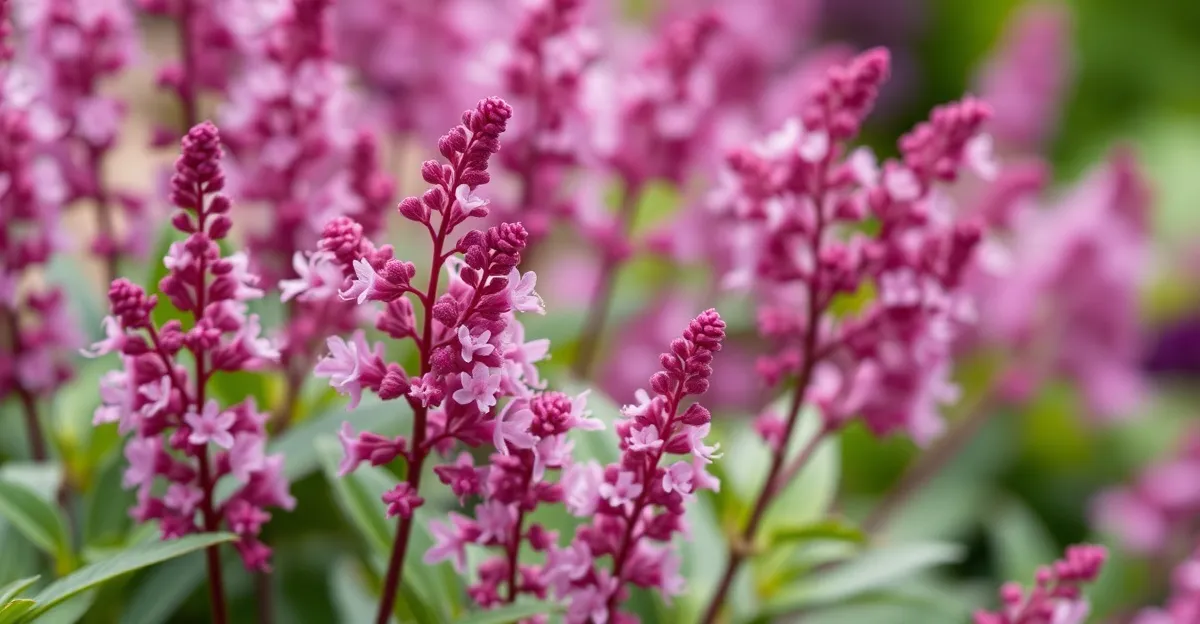
The short answer is: yes, but not everywhere. Astilbe's natural home is cool, moist woodland — the kind of conditions you find in Korea, China, and Japan, where most of the parent species originate. Bali, with its equatorial climate, year-round warmth, and coastal humidity, is at the very edge of what astilbe can tolerate. But Bali is not one climate. It's several, stacked on top of each other as you move from coast to mountain.
As a florist sourcing flowers across the island, I've seen where astilbe grows well and where it fails completely — and the boundary runs roughly through the middle altitudes, around 800 to 1,000 metres above sea level.
Bali's climate zones and what astilbe needs
Coastal Bali — Kuta, Seminyak, Canggu, Sanur, Nusa Dua — sits at sea level with average temperatures between 26°C and 33°C. Humidity rarely drops below 70% and peaks at over 90% in the wet season (November through April). These conditions are simply too warm for astilbe to thrive. You won't find it growing in gardens or nurseries at the coast, and any cut stems that arrive here need careful handling.
As you move inland and upward toward Ubud (about 300 metres), conditions improve slightly — cooler mornings, slightly lower nighttime temperatures. Some gardeners in the hills around Ubud report growing astilbe with moderate success if they plant in shaded spots and manage water carefully during the dry season. But it's a struggle, and the plants tend to look stressed rather than lush.
The real growing zones are higher: the Kintamani plateau (around 1,500 metres), the Bedugul area including Candikuning and Lake Beratan (around 1,500–1,700 metres), and the slopes around Munduk in North Bali. These areas receive regular cool mist, have average temperatures ten to fifteen degrees lower than the coast, and see enough rainfall to keep moisture levels high. This is where commercial flower growers operate, and where you'll find astilbe alongside dahlias, gladioli, chrysanthemums, and other cool-climate blooms.
The Bedugul and Kintamani growing regions
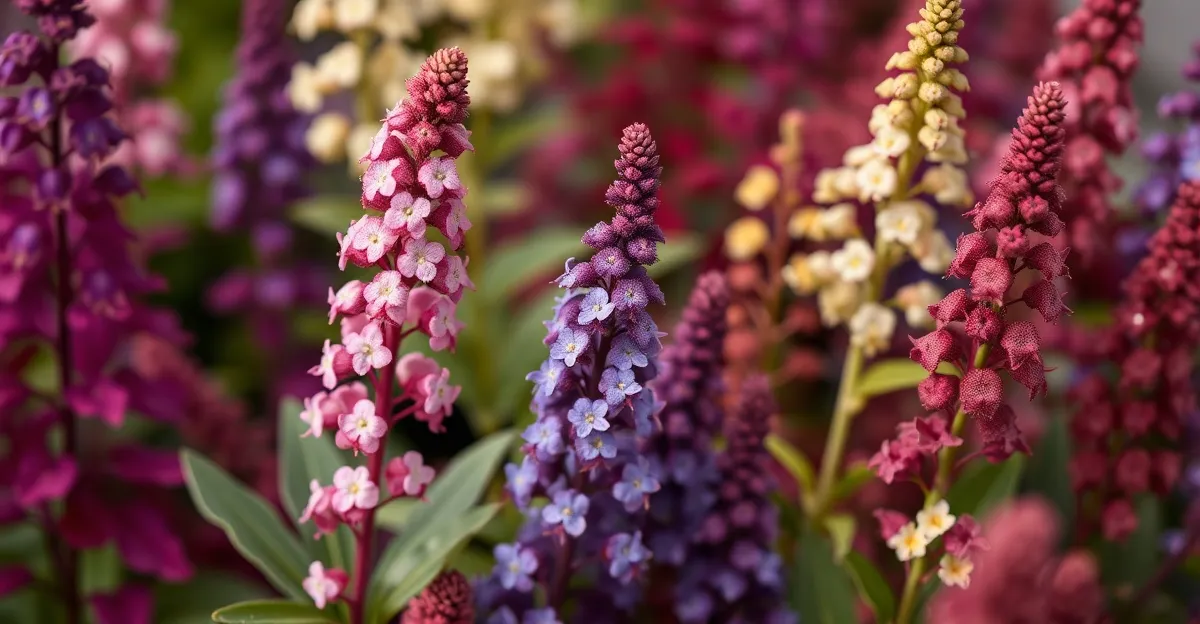
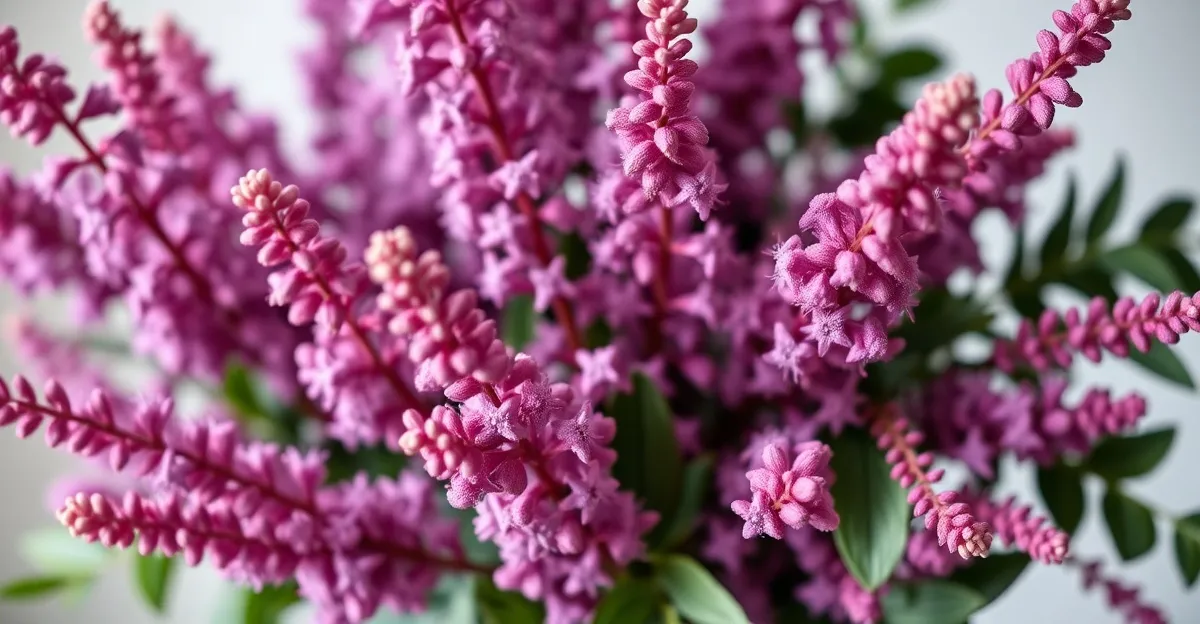
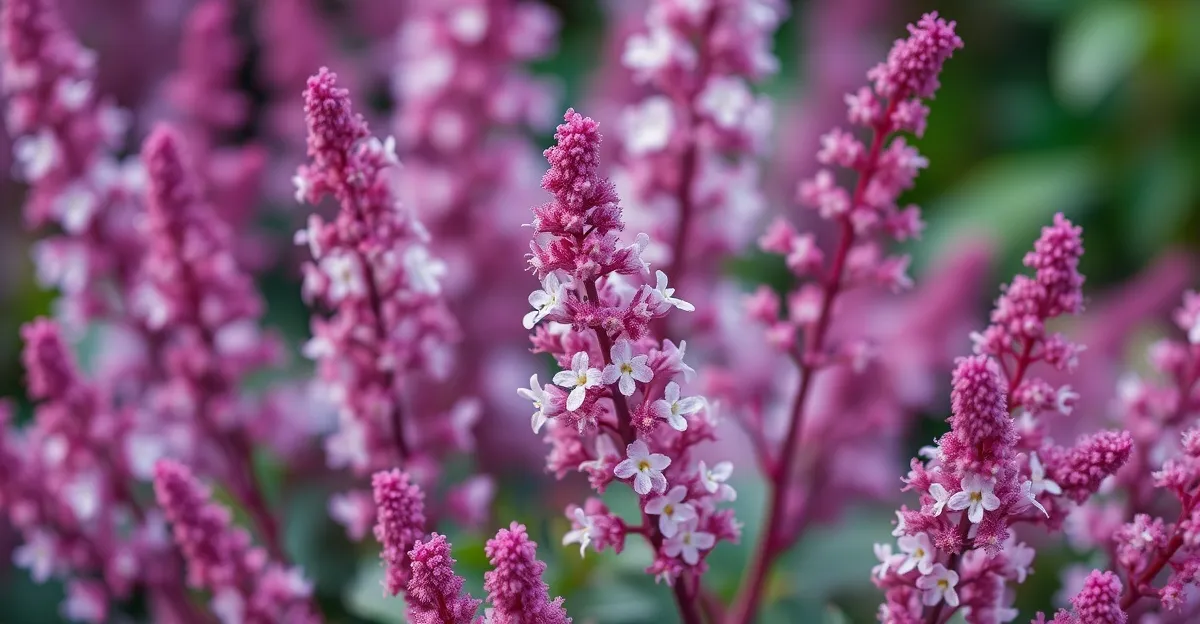
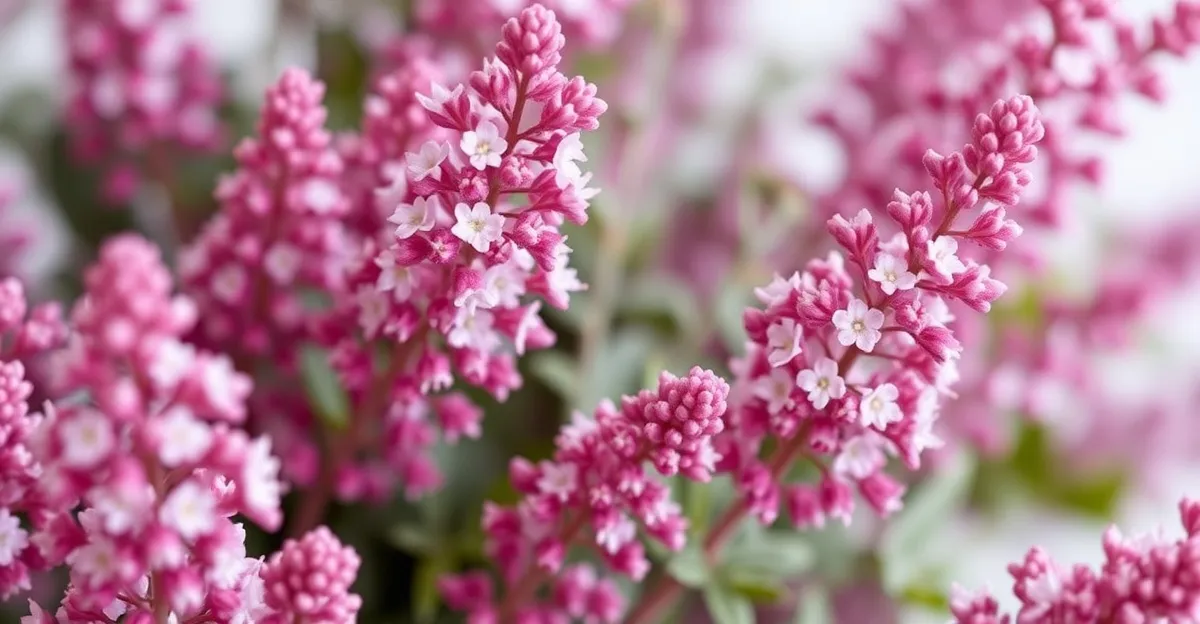
The markets at Bedugul — particularly the Candi Kuning flower market near Lake Beratan — are a remarkable sight. Stalls overflow with flowers that would seem improbable in a tropical country: dahlias the size of plates, carnations in every shade, roses that rival anything from Java, and yes, astilbe in its soft feathery plumes.
Local growers here have developed considerable skill with cool-climate flowers, partly through generational knowledge and partly through the practical reality that their land happens to sit at an altitude where European and East Asian species can actually grow. Astilbe is not the easiest crop here — it requires well-drained, humus-rich soil, partial shade, and consistent moisture — but growers who understand its needs produce good-quality stems.
From Bedugul, cut astilbe is transported down to flower wholesalers in Denpasar and then distributed to florists across the island. The journey from mountain cool to coastal heat is where quality starts to degrade, which is why working with a supplier who handles cold chain or at least minimises time in transit makes a genuine difference.
Can you grow astilbe at home in Bali?
If you live on the coast, the honest answer is probably not successfully. You could try growing it in a very shaded spot with consistent watering and see what happens — some experimentally-minded gardeners in Kerobokan and Pererenan have tried, mostly with limited results. The plants survive but rarely thrive or flower well.
If you live in or near Ubud, you have a better chance in a shaded garden bed with good drainage. Expect the plants to need considerably more attention than they would in a cooler climate, and accept that they may not flower as prolifically.
If you're in the highlands — Kintamani, Bedugul, Munduk — astilbe is genuinely possible as a garden plant. You'll want to replicate the conditions it prefers: dappled shade (direct tropical sun will scorch even highland-grown astilbe), soil rich in organic matter, consistent moisture without waterlogging, and good air circulation to prevent fungal issues in the wet season.
What varieties work best in Bali's highland conditions
Growers in Bedugul tend to favour the more robust hybrid varieties rather than the species forms. 'Fanal' (deep red), 'Bridal Veil' (white), and the 'Vision' series (pink and red) are relatively forgiving and produce good cut stems. These hybrids have been selected for reliability, which matters in a commercial context where consistency of supply is essential.
For home gardeners in the highlands, the Astilbe chinensis varieties tend to be more drought-tolerant than others — a useful trait during Bali's dry season from May through October, when even highland areas can go weeks without significant rain.

The team
your florists
weekly subscription · Bali
We write about flowers because we love them. We deliver them because someone should — properly, weekly, across Bali.
— heyflowerPay once for 3, 6, or 12 months, no auto-renewal.
Why it matters for cut flower quality
Understanding where astilbe grows in Bali helps explain the quality you receive as an end customer. A stem that was cut yesterday morning in Bedugul, transported to Denpasar in a cool van, and arrived at our workshop this morning is in very different condition from a stem that sat in an unrefrigerated truck for eight hours. Can marigold grow in Bali? follows a similar logic — the growing altitude and transport chain shape what you receive.
When buying astilbe for a significant event — a Bali wedding, a villa floral installation, a photoshoot — ask your florist about sourcing. A good florist will know their grower, know when the astilbe was cut, and have conditioned it properly before it reaches you.
FAQ
Can astilbe grow at sea level in Bali? Not successfully. The heat and humidity at coastal Bali are beyond what astilbe tolerates well. It needs the cooler highland conditions of Bedugul or Kintamani to thrive.
Where can I buy astilbe plants in Bali? The Candi Kuning market near Lake Beratan in Bedugul is the best place to look. Some highland nurseries stock it, though it's not always available year-round.
Is astilbe available all year as a cut flower in Bali? Mostly yes, with some seasonal variation. Supply can be tighter during the shoulder seasons, but Bedugul growers generally produce it year-round given the consistent highland climate.
Why does my astilbe wilt so fast after buying it? Almost always heat exposure during transport or storage. Re-cut the stems and place immediately in cool, clean water. In Bali's coastal heat, condition in an air-conditioned room if possible.
What's the difference between highland-grown and imported astilbe in Bali? Highland-grown astilbe is typically fresher on arrival and better suited to local conditions. Imported astilbe (usually from Java) may have more variety but takes longer to reach Bali, which affects longevity.
Ready to bring fresh flowers to your Bali home or event? Explore our weekly flower subscription and get handpicked blooms delivered to your door every week.
More on Astilbe