Can Alstroemeria Grow in Bali? A Florist's Perspective
Can alstroemeria be grown in Bali's tropical climate? Our Canggu florists explain the challenges, workarounds, and why we source the freshest blooms for delivery.
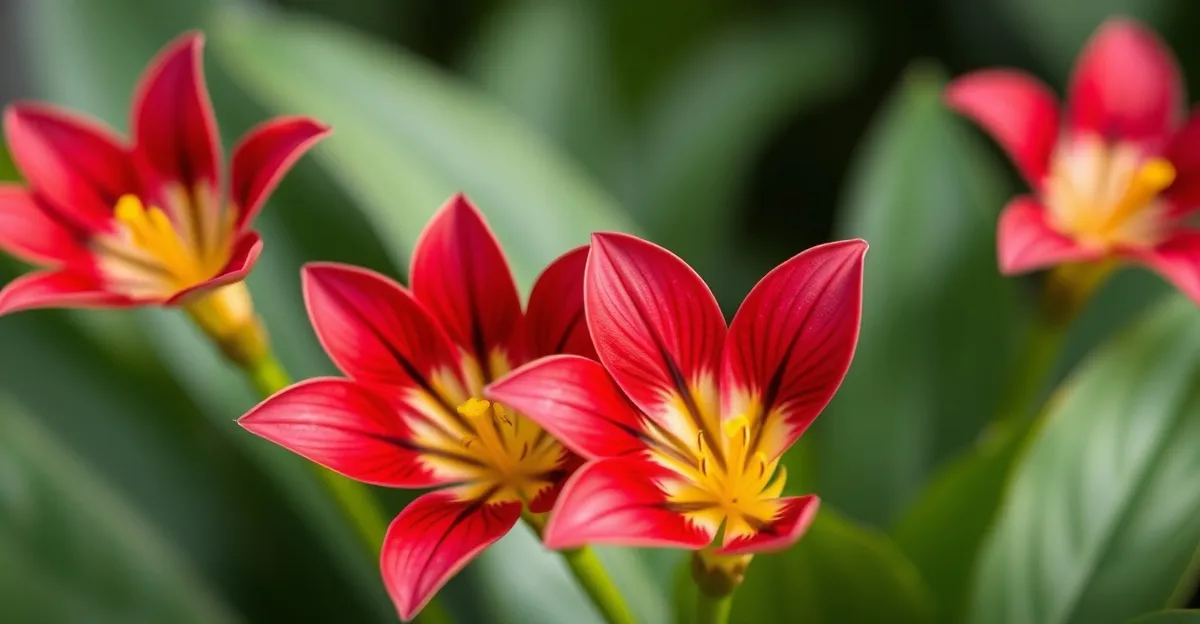
People ask us this question regularly, and it is a good one. Alstroemeria — the Peruvian lily — is such a popular flower in Bali's florist shops that it is natural to wonder whether it grows locally or travels a long way to reach us. The honest answer is nuanced: alstroemeria can survive in Bali, but growing it well enough to supply a commercial flower operation is genuinely difficult. This is our perspective from years of working with the flower on this island.
Where Alstroemeria Comes From
Alstroemeria is native to South America, specifically the Andes mountain range in countries like Peru, Chile, and Brazil. Its natural habitat is characterised by cool mountain temperatures, high altitude, bright sun with sharp temperature drops at night, and relatively low humidity. If that description sounds like the opposite of Bali, that is because it largely is.
Bali is a low-to-mid altitude tropical island with year-round warmth, high humidity, and minimal temperature variation between day and night except in its highland areas. The climatic mismatch is significant.
Where Alstroemeria Is Grown for Bali's Market
The fresh alstroemeria sold in Bali's flower markets and used by reputable florists is typically sourced from one of two origins:
Bandung and the West Java Highlands, Indonesia: At altitudes of 700–1,500 metres above sea level, Bandung's climate is cooler and more alstroemeria-friendly. Commercial flower growers in the Lembang and Cisarua areas produce alstroemeria for Indonesia's domestic flower market, including Bali.
Import from Colombia or the Netherlands: Premium varieties, particularly those bred for extended vase life or unusual colours, sometimes enter the Indonesian market via import. These tend to be more expensive and are typically used for high-end event floristry rather than everyday arrangements.
Can You Grow Alstroemeria in Bali's Lowlands?
Technically, alstroemeria can be kept alive in Bali's lowland climate, but "kept alive" and "thriving enough to produce cut flowers" are very different things.
The Main Challenges
Heat: Alstroemeria prefers daytime temperatures of 15–25°C. Bali's coastal areas regularly sit at 28–33°C. Sustained heat causes the plant to go dormant, produce fewer flowers, and eventually decline.
Night temperatures: Alstroemeria sets flower buds more reliably when nights are cool. In lowland Bali, nights rarely drop below 24°C. Without that temperature differential, flowering becomes sporadic and unpredictable.
Humidity and root rot: Alstroemeria is susceptible to fungal root diseases in high-humidity environments. Without excellent drainage — something that requires deliberate soil preparation in Bali's often clay-heavy soils — plants frequently rot at the root before they mature to flowering stage.
Rainfall: Bali's wet season delivers intense, extended rainfall that can overwhelm alstroemeria plantings. Well-designed drainage and possibly sheltered growing conditions become necessary.
What Success Looks Like in Bali Lowlands
Home growers in Bali occasionally maintain alstroemeria in pots with extremely well-draining soil, kept in a partially sheltered position that limits afternoon sun. These plants may produce a handful of flowers during the cooler dry season months (June to August). They are rarely prolific, and they require more maintenance than most tropical plants that grow here effortlessly.
If you enjoy a gardening challenge and want to try it, the approach is: raised beds or deep pots, a very free-draining mix (50% coarse sand, 50% well-composted soil), partial shade in the afternoon, and restrained watering.
Can Alstroemeria Grow in Bali's Highlands?
This is where the picture changes meaningfully. Bali's highland areas — particularly around Bedugul, Kintamani, and the Batur caldera region at elevations of 1,000–1,700 metres — have a genuinely different climate. Temperatures in Bedugul regularly drop to 15–18°C at night, daytime temperatures stay moderate, and the landscape feels more like a highland Javan garden than a tropical beach island.
Bedugul: Bali's Vegetable and Flower Garden
The Bedugul area is already known for producing a significant portion of Bali's fresh vegetables, herbs, and some flowers for local consumption. The region's climate is close enough to alstroemeria's preferred conditions that small-scale growing is viable. Some boutique growers in the highlands do produce alstroemeria alongside other temperate-leaning flowers like carnations and chrysanthemums.
However, the volume and consistency required for a commercial Bali flower supply is not currently met by local highland growers. Demand far outpaces highland production capacity.
How We Source Our Alstroemeria
At heyflower.co, we source alstroemeria through established supply chains from Java's highland growing regions, supplemented by import when specific varieties or volumes require it. Our priority is freshness: flowers that travel a long distance but are handled well — kept cool, hydrated, and moved quickly — will out-perform flowers that nominally grew "locally" but were handled poorly.
We select stems based on bud stage (we prefer partially-closed buds that will open over the first two to four days in your home), stem length, and colour saturation. We avoid stems that have been overly refrigerated (which causes petal browning when they warm up too fast) or that have been left in warm conditions too long in transit.
Practical Tips for Bali Residents Who Want to Try
If you are a gardening enthusiast in Bali who wants to attempt growing alstroemeria despite the challenges, here is the most practical approach we can offer.
Pot Culture with Free-Draining Mix
Choose large pots (minimum 30cm diameter) with multiple drainage holes at the base. Fill with a free-draining mix: 40% coarse horticultural sand or perlite, 40% quality compost, and 20% regular garden soil. The drainage is the most critical factor — alstroemeria bulbs will rot in water-retentive soil in tropical conditions.
Position and Watering
Place pots in a position that receives morning sun (the gentler light) but is shaded from harsh afternoon sun. Water when the top 3–4cm of soil is dry — not on a schedule, but in response to the soil's actual moisture level. In Bali's wet season, natural rainfall may be sufficient or excessive; lift pots off the ground to improve drainage during heavy rain periods.
The Most Realistic Expectation
With this approach in a well-managed position, you may see flowering from May through September, when Bali's dry season provides slightly more cooperative conditions. Do not expect the vigorous, prolific flowering of a highland Java or Dutch greenhouse. Celebrate what you get.

The team
your florists
weekly subscription · Bali
We write about flowers because we love them. We deliver them because someone should — properly, weekly, across Bali.
— heyflowerPay once for 3, 6, or 12 months, no auto-renewal.
The Future: Could Bali Grow More of Its Own Alstroemeria?
With rising interest in sustainable and locally sourced floristry, there is genuine appeal in the idea of more Bali-grown flowers. The highland areas have real potential, and as micro-climate farming techniques improve and as the cut flower industry in Indonesia matures, it is plausible that Bedugul or Kintamani could produce more alstroemeria for the local market.
Some florists are already working with highland flower farmers on a direct-relationship basis, which reduces transport time and improves freshness. This model is growing slowly but meaningfully.
For now, though, the most honest thing to say is that the alstroemeria in your vase has probably travelled from Java — and has been handled with care to ensure it arrives in the best possible condition.
Similar considerations apply to other non-native blooms. Can frangipani grow in Bali? is a more straightforward yes, given frangipani's deep roots in Balinese culture and climate. The contrast with alstroemeria is instructive.
Frequently Asked Questions
If alstroemeria is imported, is it less fresh than local Bali flowers?
Not necessarily. Freshness depends far more on handling than on distance. Alstroemeria from well-managed Bandung farms, transported in refrigerated conditions and received by florists who process it correctly, will be fresher than locally grown flowers handled carelessly.
How do I know if the alstroemeria I'm buying is fresh?
Look for partially closed buds (meaning the flower has been cut recently), firm stems without softness or bending, clean cut ends without browning, and leaves without yellow edges. Avoid arrangements where all flowers are already fully open on display.
Is Bali alstroemeria organic?
Growing alstroemeria commercially in Indonesia generally involves pesticide use. If organic sourcing matters to you, ask your florist about their supplier's practices. Washing hands after handling alstroemeria is good practice regardless, as the plant's sap can cause mild skin irritation.
What happens to alstroemeria supply during Bali's peak tourist season?
Peak tourist season (July-August and December) coincides with high demand for flowers island-wide. Sourcing becomes more competitive, and prices can rise slightly. Ordering from heyflower.co in advance ensures we can prioritise your arrangements during busy periods.
Are there any local Balinese flowers that have a similar look to alstroemeria?
Torch ginger and some tropical orchids have a similar sense of clustered, layered petals, though they look quite different in detail. For a flower with alstroemeria's multi-bloom-per-stem quality, there is not a direct local equivalent in Bali's native flora.
Understanding where your flowers come from is part of appreciating them properly. Whether grown in Bandung's cool highlands or sourced from specialist growers, the alstroemeria we deliver across Bali is selected with care for quality and handled to arrive in peak condition. Explore our current collections at heyflower.co, with delivery across Canggu, Seminyak, Ubud, and all major Bali areas.
More on Alstroemeria