Bird of Paradise Vase Life in the Tropics: How Long Do They Last?
Find out how long bird of paradise flowers really last in Bali's tropical climate and what you can do to maximise their vase life in your home or villa.
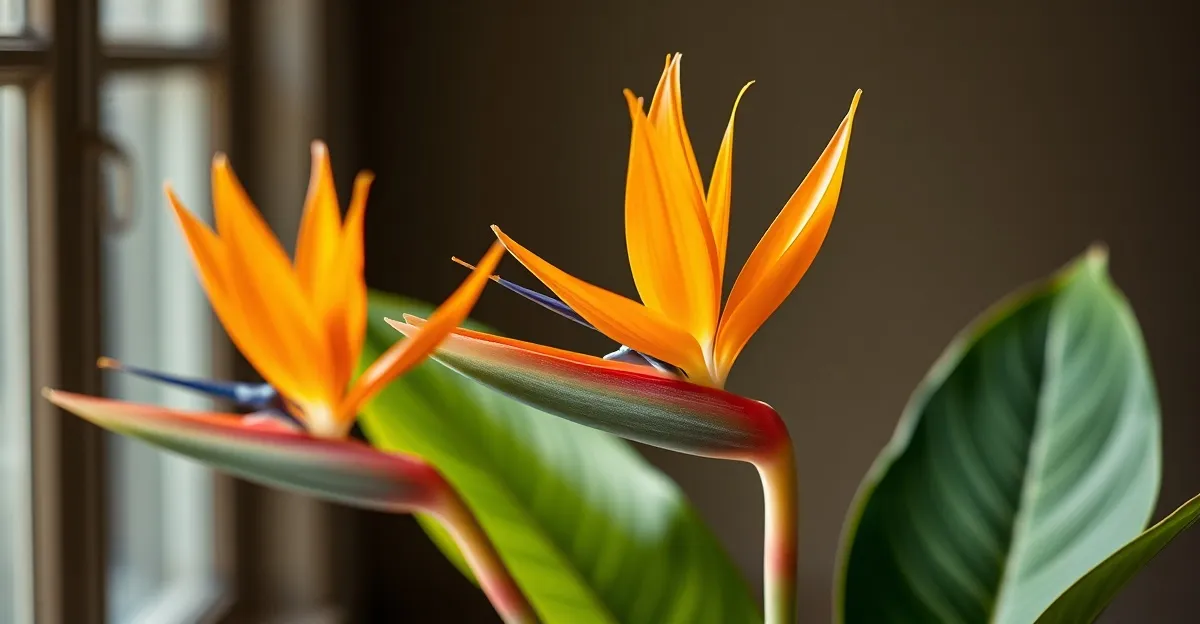
Bird of paradise is one of the most long-lasting cut flowers available to florists and flower lovers in Bali. In ideal conditions it can hold for two to three weeks — an almost unfair advantage over most other flowers that begin wilting within days. But Bali's warm, humid tropical climate is not quite those ideal conditions, so understanding what you can realistically expect and what makes the difference between a bouquet that lasts ten days and one that lasts eighteen is genuinely useful.
This guide gives you honest expectations for bird of paradise vase life in tropical climates, and the specific care habits that produce the best results here on the island.
What to Realistically Expect in Bali
Let us start with realistic numbers, broken down by environment:
Air-conditioned room (22–25°C): 14 to 21 days with good care. This is close to the flower's theoretical maximum vase life. The cooler, stable temperature slows all bacterial and biological processes that cause deterioration.
Naturally ventilated room (27–32°C): 8 to 12 days with attentive daily care. This is the real-world standard for most Bali homes and villas without constant air conditioning.
Outdoor or semi-outdoor placement: 5 to 8 days depending on direct sun exposure, wind, and temperature. Avoid direct afternoon sun, which can bleach and dry out the petals quickly.
The bird of paradise significantly outperforms most flowers in all of these categories. A white lily in a hot Bali room might last four to five days. Roses in the same conditions often surrender in three to four. Bird of paradise at eight to twelve days in the same environment is a genuine outlier in the best sense.
Why Bird of Paradise Lasts So Long
Understanding why the flower has such exceptional staying power helps you understand how to extend it further.
Structural Durability
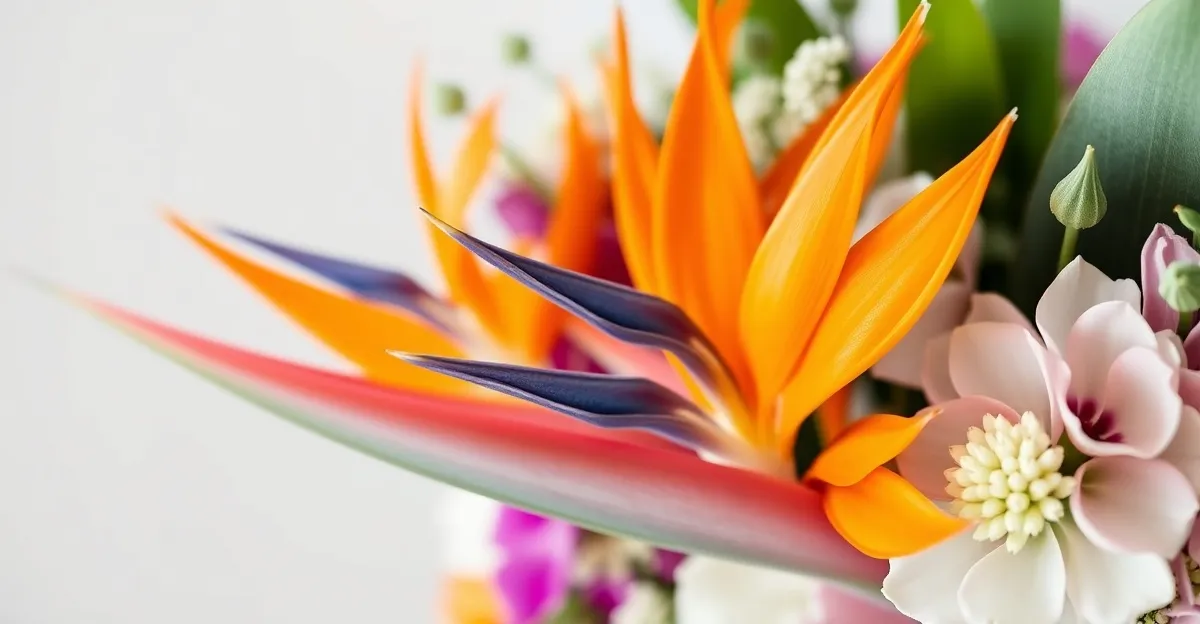
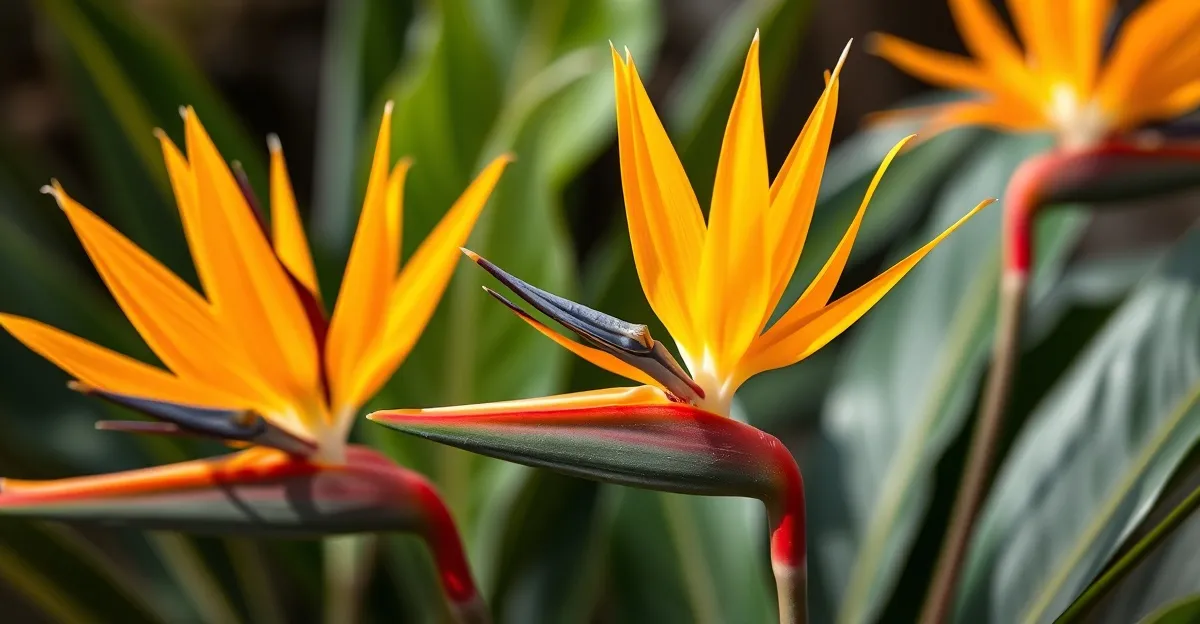
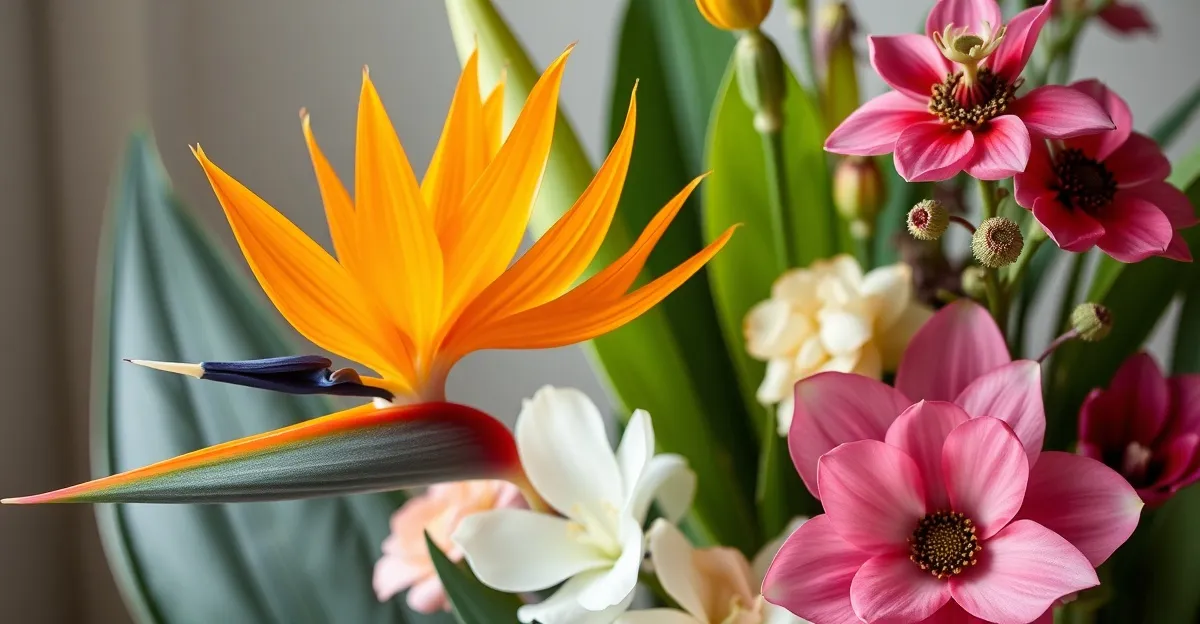
The bird of paradise bloom is made up of thick, waxy bracts — modified leaf structures that protect the true flowers inside. This waxy surface is significantly more resistant to dehydration, heat, and physical damage than the thin, delicate petals of many popular flowers. The surface loses water slowly and resists browning and wilting that would quickly compromise more fragile flowers.
Staggered Blooming
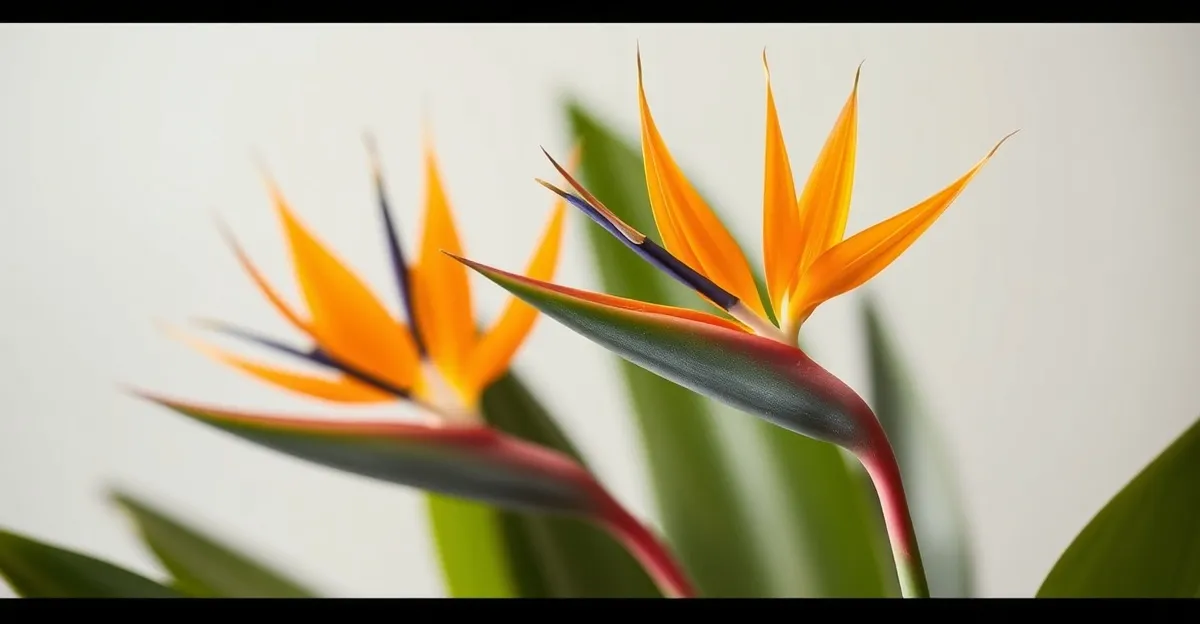
One reason bird of paradise appears to last so long is that it is essentially multiple flowers in sequence. Inside the spathe (the canoe-shaped sheath), there are multiple flower groupings that emerge progressively over time. As one grouping fades, the next emerges. This staggered progression means the bloom stays visually fresh even as individual flower sections complete their cycle.
If you observe your bird of paradise over two weeks, you will see this progression: the first orange petals emerging, then another grouping appearing as the first begins to fade, and so on. Understanding this helps you appreciate the flower as a living time sequence rather than a static object.
Strong Vascular System
Bird of paradise stems are hollow and carry water efficiently over long distances. The stems can be quite long — 60 to 90 centimetres for standard cutting varieties — and still carry water to the bloom effectively. This robust vascular structure means that as long as the stem is in water with clear uptake channels, the flower continues receiving hydration even when the ambient temperature is warm.
Day-by-Day: What to Expect
Rather than treating vase life as a single number, it helps to understand what different phases look like:
Days 1–3: The bloom arrives partially or fully closed, with petals packed tightly inside the spathe. This is normal and not a sign of a poor-quality flower. Gently coax the petals outward each morning to encourage opening.
Days 4–7: The first grouping of petals has fully opened and the flower is at peak visual impact. This is the phase most people photograph.
Days 8–12 (naturally ventilated room): The first petal grouping begins to show slight browning at the tips. A second or even third grouping may be emerging from the spathe to take over. The stem and overall form remain strong.
Days 13–18 (air-conditioned room): Continued progression through petal groupings. Remove any completely spent petals with clean fingers to keep the arrangement looking fresh.
Beyond day 14–18: Depending on care quality, you may get continued visual impact from later petal groupings, particularly in cooler environments.
Key Care Practices That Make the Difference
Fresh Cut on Arrival
When your bird of paradise arrives, re-cut the stems immediately — 2 to 3 centimetres at a 45-degree angle with a clean, sharp knife. This is non-negotiable. Flowers travel in conditions that seal the stem ends with dried sap and air pockets. The fresh cut restores open uptake channels.
For thick bird of paradise stems, use a sharp floral knife or bypass pruning shears rather than scissors, which can crush the vascular tissue.
Daily Water Checks, Every-Other-Day Changes
In Bali's heat, the water in a bird of paradise vase will become cloudy with bacterial activity faster than in cooler climates. Do not wait until it looks obviously dirty. Change the water every two days, rinse the vase with hot water each time, and top up daily as the flower drinks. In air-conditioned rooms you can extend this to every three days.
Each time you change the water, re-cut the stems by another centimetre. Over a two-week period this process significantly extends vase life by maintaining open stem channels.
Leaf Removal Below Waterline
Strip all leaves from the portions of the stem that will be submerged. In warm water, submerged foliage decomposes within days and turns the water into a bacterial soup that clogs the stem. Bird of paradise often arrives with large paddle-shaped leaves on the stem — these are beautiful, but keep them above the waterline.
Positioning Away from Heat Sources
The biggest variable in Bali vase life is placement. Direct sun halves the life of a bird of paradise. A hot kitchen bench above a stove, a spot above a television, or a position in the path of warm, dry air from an air conditioning outlet can all dramatically shorten the flower's life.
Cool, still, indirectly lit conditions are ideal. A north-facing room, a position away from windows in an air-conditioned space, or a spot on a shaded outdoor table in the late afternoon are all appropriate.
Flower Food
Flower food sachets — the small packets often included with purchased flowers — provide two things: a light sugar source for the flowers' metabolic processes and an antimicrobial agent that slows bacterial growth in the water. In Bali's heat, the antimicrobial component is particularly valuable. Use the sachets when available, or make a functional substitute: a pinch of white sugar and two to three drops of household bleach per litre of water.

The team
your florists
weekly subscription · Bali
We write about flowers because we love them. We deliver them because someone should — properly, weekly, across Bali.
— heyflowerPay once for 3, 6, or 12 months, no auto-renewal.
Signs a Bird of Paradise Is Near the End
Knowing when a flower has genuinely finished — rather than just needing better care — saves you from unnecessary anxiety about normal progression.
A bird of paradise is at the natural end of its life when the spathe has gone completely soft and brown, all petal groupings have fully emerged and faded, and the stem shows signs of softening or collapse at the base. At this point, the flower has given everything it has. This is very different from a flower that has gone limp from insufficient water or poor stem preparation — those can often be revived with a fresh cut and deep drink.
Interestingly, the foliage on bird of paradise stems often remains handsome and green even after the blooms have faded. These large, glossy leaves can continue to provide decorative value in a foliage-only arrangement for an additional week or more.
For context on how bird of paradise compares to other long-lasting tropical flowers in Bali's conditions, exploring flower delivery in Seminyak: a complete local guide touches on the most practical considerations for keeping tropical arrangements fresh in Bali's coastal climate.
Frequently Asked Questions
How long does bird of paradise last in a Bali villa without air conditioning?
With good care — daily water checks, water changes every two days, placement away from direct sun — bird of paradise typically lasts 8 to 12 days in a naturally ventilated Bali villa. In consistently hot areas or less careful conditions, expect 6 to 9 days.
Why is my bird of paradise not opening?
Bird of paradise blooms are shipped closed and open progressively. If the petals remain tightly wrapped after several days, gently coax them open with clean fingers by pulling the orange petals away from the spathe. Do not force a very tightly closed bud — wait until the first petals are visible before attempting this.
Can I revive a wilted bird of paradise?
Yes, if the wilting is caused by insufficient water rather than age. Re-cut the stems deeply under running water, submerge the entire stem (and even the bloom) in cool water for one to two hours, then place in fresh water. This often revives limp stems significantly.
Should I use flower food with bird of paradise?
Yes, flower food sachets help by providing carbohydrates and antimicrobial agents. In Bali's warm conditions, the antimicrobial component is particularly valuable for maintaining clean vase water. Use sachets or the DIY alternative (pinch of sugar + two drops of bleach per litre).
Does a bird of paradise bloom multiple times from the same stem?
Yes. The spathe contains multiple flower groupings that emerge sequentially. As one grouping fades, the next emerges over the following days. This is what gives bird of paradise its exceptional vase life compared to single-bloom flowers.
Fresh bird of paradise, delivered to your door across Bali — that is the heyflower.co promise. Our flowers are cut the same morning they are delivered so you get maximum vase life from day one. Explore our subscription plans for regular tropical arrangements without the effort.
More on Bird of paradise