How to Care for Bird of Paradise in Bali's Humid Climate
A practical guide to keeping bird of paradise thriving — both as a cut flower in a vase and as a garden plant — in Bali's tropical conditions.
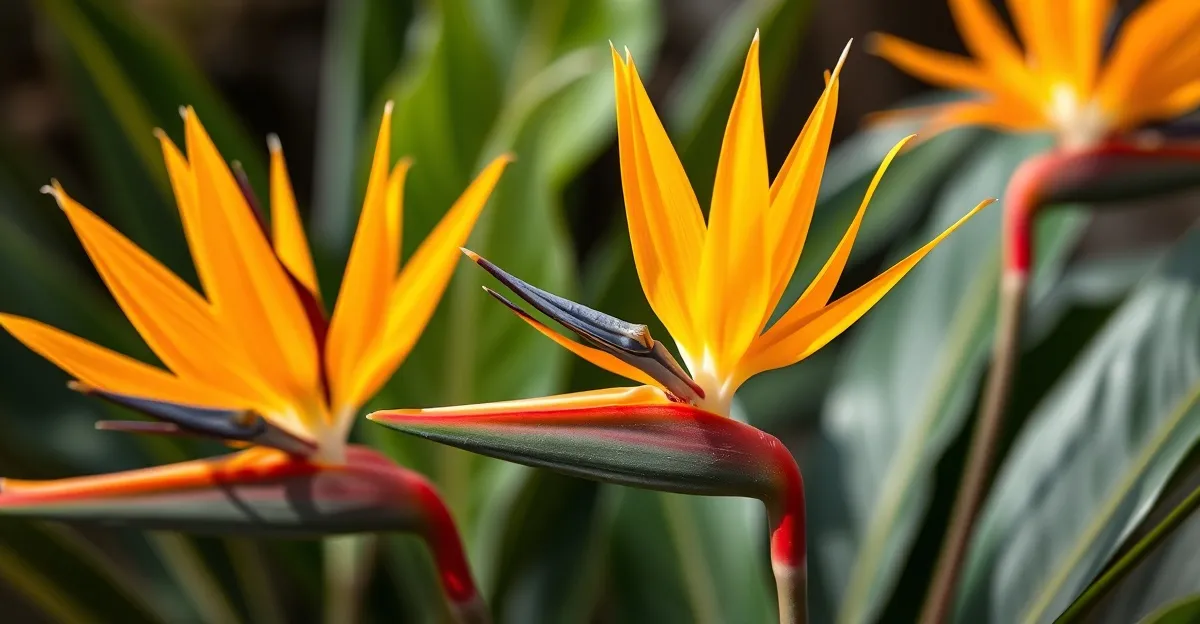
The bird of paradise is often described as a flower made for the tropics. Visually, it certainly looks the part — bold, sculptural, fiercely coloured. But caring for it in Bali's specific climate requires a bit more nuance than that reputation suggests. As a cut flower it is admirably resilient, but a few targeted habits will significantly extend its life in your vase. As a garden plant, it has firm preferences about light, drainage, and feeding that, once understood, make it surprisingly straightforward to grow.
This guide covers both sides of bird of paradise care in Bali: the cut flower in your home or villa, and the living plant in your garden.
Bird of Paradise as a Cut Flower in Bali
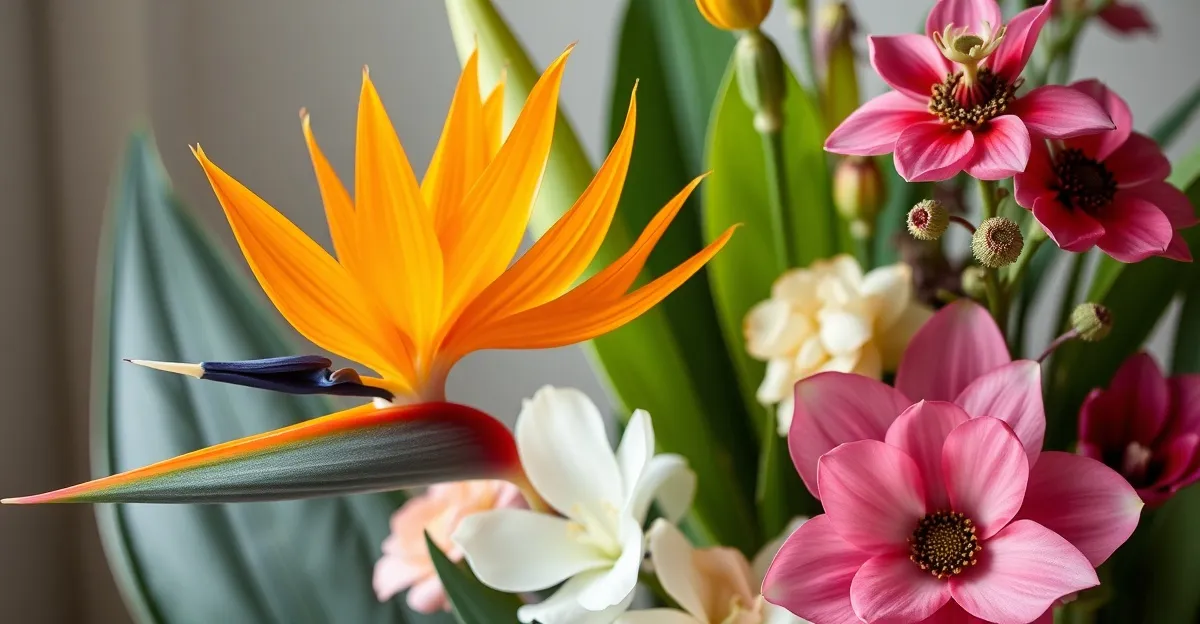
Let us start with the most common scenario: you have received a beautiful arrangement featuring bird of paradise stems, and you want them to last as long as possible in your home.
Understanding Why Vase Life Varies
In ideal conditions, bird of paradise cut flowers last two to three weeks. In Bali's ambient heat — with daily highs regularly above 30°C and high humidity year-round — you can realistically expect 10 to 14 days with good care, and longer in an air-conditioned space. The variation comes down to a handful of key factors: water quality, stem preparation, placement, and ambient temperature.
Preparing the Stems
When you first receive bird of paradise flowers, prepare the stems immediately. Using sharp, clean scissors or a floral knife, cut 2 to 3 centimetres off each stem at a 45-degree angle. This is not just a ritual — it removes the dried end of the stem that has often sealed over and cannot absorb water, while the angled cut maximises the surface area for water uptake.
For thick bird of paradise stems, avoid scissors that can crush or pinch. A clean floral knife or pruning shears with a sharp bypass blade work best. Immediately after cutting, place the stems in cool, clean water.
The Rolled Leaf Technique
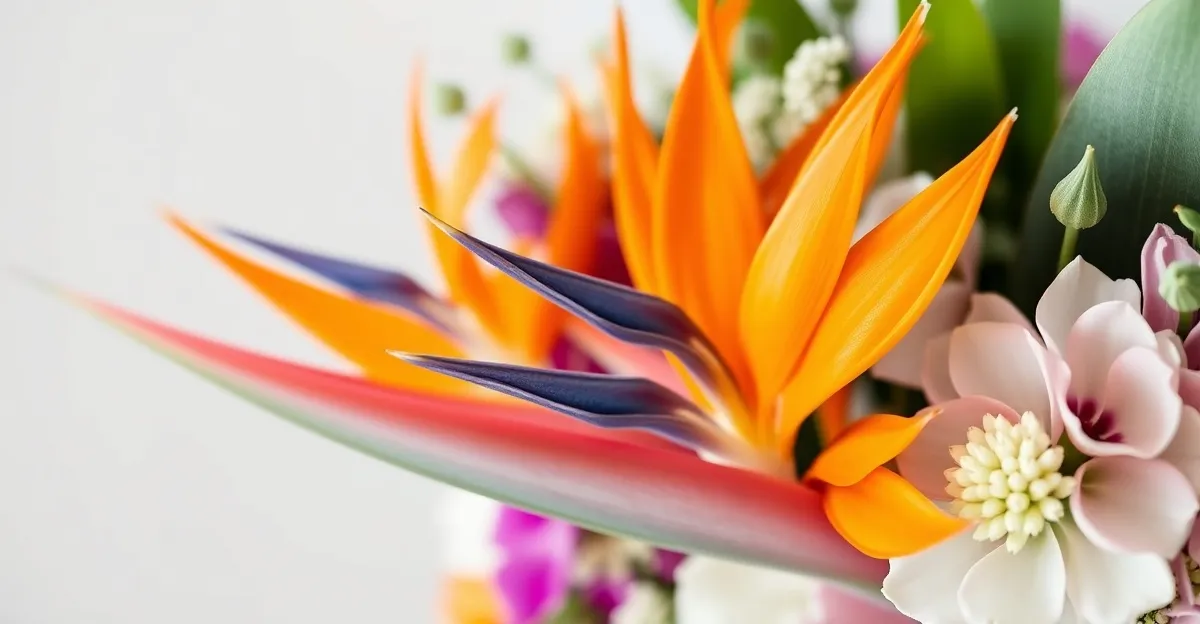
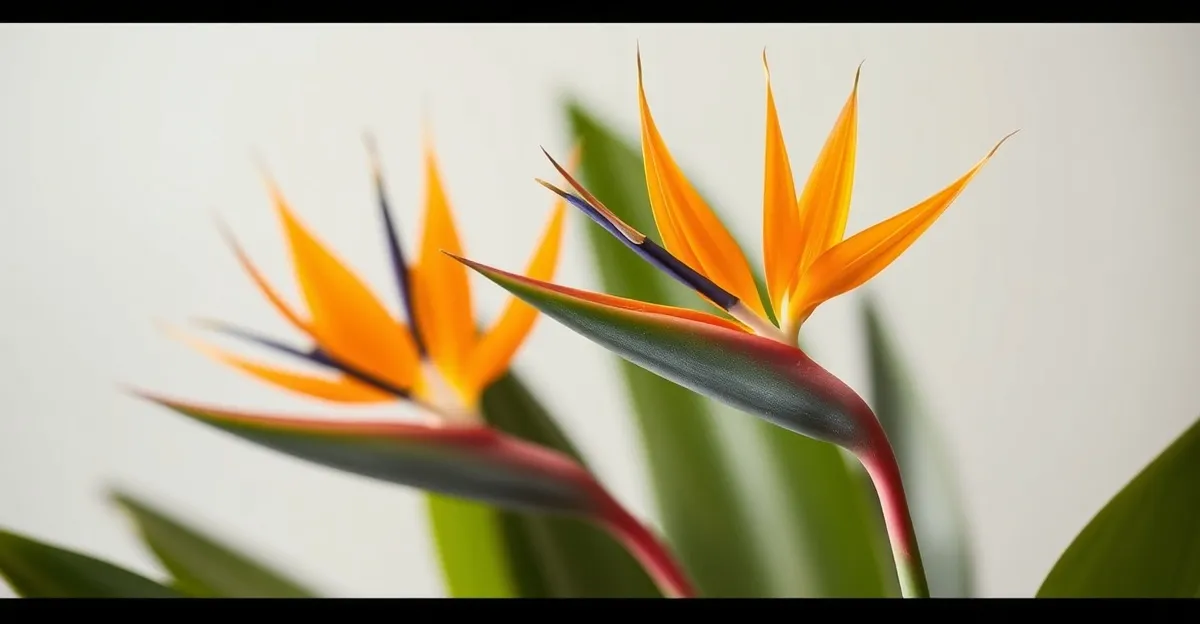
Bird of paradise flowers are shipped and sold before the bloom has fully opened. The petals are bundled tightly inside the green spathe (the boat-shaped sheath). You can encourage them to open more fully and quickly by gently pulling the rolled petals outward with clean fingers. This mimics what would happen naturally as the flower opens and exposes each petal grouping.
Do not force a bud that is very tightly closed — you can tear the petals. Wait until the first orange petals are visible above the spathe before attempting to coax the bloom open. Doing this each morning as you check the vase will gradually reveal the full flower.
Water and Vase Conditions
Bird of paradise drinks heavily. Check the water level daily and top up as needed. In Bali's heat, full water changes every two days are ideal — use clean water at room temperature and rinse the vase thoroughly each time to prevent bacterial build-up.
Keep the stems away from leaves below the waterline. Submerged foliage decomposes quickly in warm water and creates a bacterial environment that shortens vase life for all the flowers. Strip any leaves that would sit below the waterline before arranging.
Placement in Your Home
Bird of paradise does not like direct sun once cut. A bright, shaded spot is ideal — good indirect light but no direct afternoon rays. Avoid placing the vase near air conditioning units, ceiling fans, open windows in the rain, or above heat-generating electronics.
Night temperatures in Bali rarely drop low enough to worry about, but in highland areas like Ubud or Bedugul, the cooler evenings actually extend vase life. In lowland coastal areas (Canggu, Seminyak, Kuta), a mildly air-conditioned room extends life by two to four days compared to a naturally ventilated room.
Growing Bird of Paradise in a Bali Garden
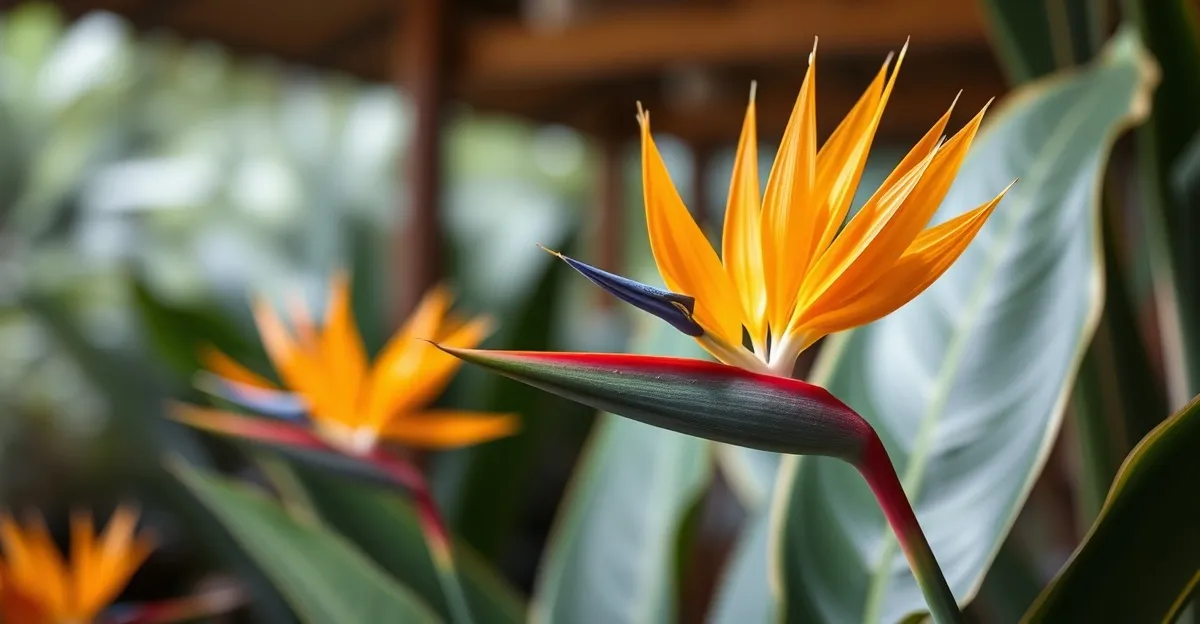
Many expats and villa owners in Bali discover that bird of paradise can be grown successfully in the garden, providing a long-term supply of cutting stems. Bali's climate is close enough to the plant's South African origins — tropical coastal zones with warm temperatures and good rainfall — that it can be made to thrive with appropriate site selection.
Climate Suitability
The original Strelitzia reginae prefers Mediterranean to subtropical conditions: warm and sunny with a dry season. Bali's consistent warmth suits it well, but the heavy wet season rainfall is more than the plant's native habitat. The key challenge is ensuring excellent drainage.
In Bali's coastal areas, bird of paradise grows reasonably well but may flower less prolifically than in drier climates. In the highlands around Ubud, the cooler temperatures and somewhat more defined dry season can actually encourage better flowering. You may also want to read our broader piece on can bird of paradise grow in Bali? A florist's perspective for more detail on regional variation across the island.
Soil and Drainage
This is the most critical factor for success. Bird of paradise will tolerate brief wet feet but will rot and fail quickly in consistently waterlogged soil. Bali's heavier clay soils in some areas are a challenge.
Improve drainage by planting in raised beds or on mounds at least 30 centimetres above surrounding grade. Mix the native soil with coarse volcanic sand (easily sourced in Bali), perlite, and compost. A well-draining mix that is also nutritious creates the conditions bird of paradise rewards with regular, generous flowering.
Light Requirements
Bird of paradise requires full sun — minimum six hours of direct sunlight per day for consistent flowering. In garden positions that receive strong morning sun and some afternoon shade, they will grow well but may not flower as frequently. A fully open, south-facing position (to maximise sun exposure in Bali's tropical latitude) is ideal.
Under tree canopy or in semi-shaded courtyards, bird of paradise will survive and produce handsome foliage but rarely flowers. If the foliage looks good but there are no blooms, low light is almost always the cause.
Watering and Wet Season Care
During Bali's wet season (approximately November to March), bird of paradise in the ground may receive all the water they need from rainfall alone. During this period, supplemental watering is rarely needed and overwatering is the greater risk. Ensure drainage is working well and that the plants are not sitting in ponded water after heavy rain.
During the dry season (April to October), water deeply once or twice a week rather than shallow daily watering. Deep watering encourages the root system to grow deep, making plants more resilient and more likely to flower.
Fertilising in Bali
Bird of paradise is a moderate feeder. In Bali, where intense rainfall can leach nutrients quickly from garden soil, fertilising regularly during the growing season is important. Use a balanced slow-release fertiliser (NPK 10-10-10 or similar) applied every two to three months, or a liquid fertiliser during active growth periods. Avoid over-fertilising with high-nitrogen formulas, which encourage leaf growth at the expense of flowers.
Pest and Disease Considerations
In Bali's humid climate, the main garden challenges for bird of paradise are fungal root rot (in poorly drained soil), mealybugs on the foliage, and occasional scale insects on the stems. Treat scale and mealybugs with neem oil spray (widely available in Bali from agricultural supply shops) and improve air circulation around plants to reduce fungal pressure. In a well-positioned, well-drained garden, serious problems are uncommon.
When to Expect Flowers
A newly planted bird of paradise in Bali will typically take two to three years to flower from a division or established plant. From seed, expect four to seven years. This patience is rewarded with a plant that, once established, can produce multiple flower stems per year for decades.

The team
your florists
weekly subscription · Bali
We write about flowers because we love them. We deliver them because someone should — properly, weekly, across Bali.
— heyflowerPay once for 3, 6, or 12 months, no auto-renewal.
Frequently Asked Questions
How often should I change the water for bird of paradise in a vase?
In Bali's climate, change the water every two days and rinse the vase thoroughly each time. Check daily and top up if the level drops significantly. Bird of paradise drinks heavily and warm water encourages bacteria.
Why won't my bird of paradise in the garden flower?
The two most common reasons in Bali are insufficient direct sunlight and poor drainage leading to stressed or rotting roots. Ensure the plant receives at least six hours of full sun daily and that the soil drains freely after heavy rain.
Can I cut bird of paradise stems from my own garden for indoor arrangements?
Yes. Cut in the early morning when the stem is fully hydrated. Use clean, sharp bypass pruners and cut the stem at ground level or as low as practical. Immediately place in water. The flower may take a day or two to open fully in a vase.
How do I get a tight bird of paradise bloom to open?
Once the first orange petals become visible above the spathe, gently pull them outward with clean fingers to expose the full flower grouping. Do this gradually over several mornings. Never force a tightly closed bud — torn petals cannot be undone.
Does bird of paradise do well in Bali's wet season?
Yes, provided drainage is excellent. The wet season heat and humidity suit the plant's tropical temperament, but standing water at the roots can cause rot. Raised beds and improved soil drainage are the main interventions needed.
Want bird of paradise delivered fresh to your door across Bali? heyflower.co sources from local growers and delivers the same day. A weekly or fortnightly subscription means you always have dramatic tropical blooms at hand — beautifully fresh, without the planning.
More on Bird of paradise