Bali dry season blooms: what peaks May-Sep
Bali's dry season (May–September) brings reliable weather and peak flower variety. Here's what's at its best, what costs more, and how to plan dry season floral arrangements.
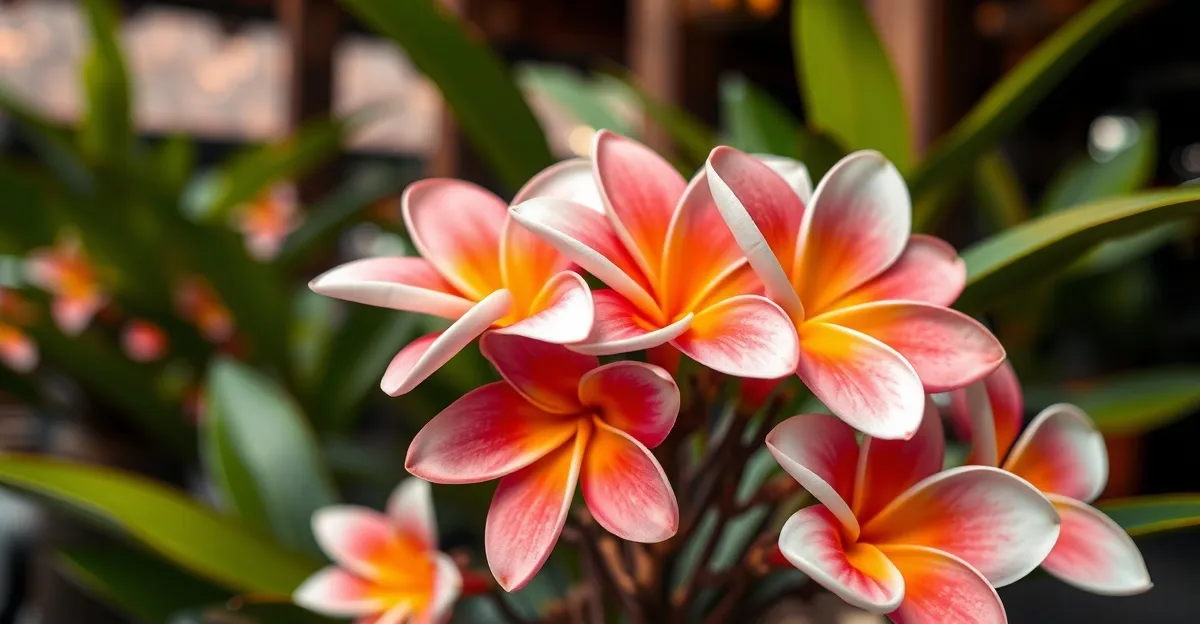
May through September is when Bali feels like the island everyone imagines. Clear skies, consistent sunshine, lower humidity (relatively speaking — it's still tropical), and the steady stream of visitors that makes this peak tourism season. For flowers, it's also when the island's most varied palette is available: local tropicals at their year-round best, imported European varieties reliably available, and the Bedugul highland farms producing temperate flowers in excellent condition.
Here's what you need to know about Bali's dry season flower scene.
Why the dry season matters for flowers
Bali's dry season runs from roughly May through September, with July and August being the driest months. Temperatures are still warm — 26–30°C in most coastal areas — but humidity drops noticeably from the wet season highs of 85–90% to around 65–75%. For cut flowers, this is actually a more challenging environment in some ways: lower humidity means flowers dry out faster, and intense direct sunlight can cause rapid wilting in unprotected outdoor arrangements.
But for flower sourcing, the dry season is peak period for two reasons. First, imported flowers are reliably available because air freight logistics are more consistent without monsoon disruption. Second, demand from the tourism and events industry is at its highest — weddings, corporate events, retreats, hotel installations — which means florists have the best supplier relationships and the widest product range active.
The trade-off: prices for many flowers, especially imports, are higher in peak season than in the wet season months.
Local dry season stars
Birds of paradise (strelitzia): These need direct sunlight to develop their most vivid colour, and dry season sun is ideal. The deep orange and purple-blue of strelitzia flowers reaches its most saturated in July and August. They grow year-round in Bali but are at their most dramatic in dry conditions.
Tropical orchids: Bali's Dendrobium orchid farms around Bedugul continue producing through the dry season. The cooler nights at altitude (18–20°C) help the plants form tight, well-shaped flower clusters. White, purple, and pink Dendrobium is at its most pristine in May through September.
Marigolds: Available year-round, but in the dry season the flower heads tend to be tighter and more compact — which photographs beautifully. The extended sunlight hours during dry season encourage prolific flowering. Prices are slightly higher than wet season because demand from events spikes.
Heliconias: These prefer wet conditions, but in Bali's tropical climate they produce well year-round. Dry season heliconias from the highland farms around Bangli and Kintamani tend to have slightly firmer bracts, making them easier to handle without bruising.
Torch ginger (kecombrang): Available year-round but sometimes harder to find in peak dry season as highland farms deal with the reduced rainfall. Availability varies week to week. Worth specifying to your florist in advance if you need it for a dry season event.
Zinnias: One of Bali's underappreciated dry season flowers. Zinnias grow in the heat and sun, producing cheerful flat-faced blooms in orange, red, pink, yellow, and white. They're widely grown in Balinese home gardens and are a great affordable choice for full, colourful arrangements.
Bedugul highlands: dry season premium production
The Bedugul area — centred around Lake Beratan and the Bali Botanical Garden (Kebun Raya Bali) at around 1,200 metres altitude — is Bali's most important cut flower growing region. The cool temperatures and reliable water supply from the lake system allow farmers to grow both tropical and temperate varieties.
In dry season, Bedugul farms are producing:
- Local garden roses: Smaller than Dutch-grown roses but genuine Rosa species, locally grown. Available in red, pink, yellow, white, and bicolour. In peak dry season, these are often excellent quality and a fraction of the cost of imported roses.
- Gerbera daisies: Large-headed, cheerful, and hardy enough to handle Bali's conditions if kept out of direct midday sun. Available in a wide colour range.
- Carnations: Reliable, long-lasting, and grown in volume in Bedugul. An affordable filler option for large event arrangements.
- Snapdragons: One of the highland farms' specialities. Snapdragons prefer the cool nights of the highlands and peak from May through August. They add beautiful vertical movement to arrangements.
- Statice: The dried-flower-looking purple and white statice grows well in Bedugul and is used as a filler in both fresh and dried arrangements.
What imported flowers are available in dry season
The dry season is when imported flowers are most reliably available in Bali:
Dutch roses: The classic full-petalled roses that florists use for romantic bouquets come primarily from the Netherlands (via Jakarta). In dry season, supply chains are reliable. Expect to pay Rp 15,000–Rp 30,000 per stem depending on variety and grade.
Peonies: Available June through August, imported from Europe and sometimes Australia. They're beautiful but expensive — Rp 35,000–Rp 60,000 per stem — and don't last long in Bali's heat (two to four days maximum). Worth it for very special occasions.
Anemones: Available in the cool-ish dry season months of May and September more than the hottest July–August peak. The dark centres and tissue-paper petals look stunning but require careful handling in Bali's conditions.
Lisianthus: Hardy enough for the tropics and available with reasonably reliable supply in dry season. The ruffled petals can bruise in high humidity but hold well in dry season conditions. For caveats on gifting lisianthus, when not to gift lisianthus: cultural considerations is worth reading.
Ranunculus: Beautiful in April–May before the peak heat arrives. In July–August they're harder to source and shorter-lived in the heat.

The team
your florists
weekly subscription · Bali
We write about flowers because we love them. We deliver them because someone should — properly, weekly, across Bali.
— heyflowerPay once for 3, 6, or 12 months, no auto-renewal.
Dry season event planning: what to know
Because July and August are peak wedding and event season, a few practical points:
Book your florist early: Top florists in areas like Seminyak, Ubud, and Canggu fill their calendar six to twelve months in advance for peak season dates.
Specify shade requirements: Outdoor dry season events in direct Bali sun can see flower arrangements lose significant freshness within two to three hours. Positioning arrangements in shade, or building canopies over the most important pieces, protects the flowers.
Misting helps: A fine water mist on tropical arrangements every hour or so extends freshness noticeably in the dry season heat. Ask your florist about this if they're setting up for a multi-hour event.
Early morning setup: For outdoor ceremonies starting at 4pm or later, set up arrangements no earlier than 2pm. For morning ceremonies, have florals arrive as close to ceremony start as possible.
For complete care advice in hot conditions, how to keep tropical flowers fresh in 30°C Bali heat has step-by-step guidance.
Seasonal pricing differences
As a rough guide, expect to pay:
- 20–35% more for imported flowers in dry season vs wet season
- 10–15% more for locally grown highland flowers at peak demand periods (July–August)
- Standard pricing for most tropical flowers (heliconias, anthuriums, birds of paradise) which are less affected by the tourism demand spike
Budget-conscious event planners often use dry season's abundant local tropicals as the main visual statement and keep imported flowers to meaningful accents. A cascade of heliconias and birds of paradise with just a few Dutch roses as accent is both striking and sensible.
FAQ
What is the single best flower to use for a July outdoor wedding in Bali? Birds of paradise or heliconias. Both are heat-tolerant, locally grown, visually dramatic, and distinctly tropical. They'll hold through a full ceremony and reception without wilting.
Can I get peonies in Bali in July? Yes, imported peonies are available in peak season, but they're expensive and don't last long in the heat. Use them in arrangements that are in shade, and for photos rather than all-day display.
Are local Bali roses as good as imported roses? They're smaller and may have slightly shorter stems, but Bedugul-grown roses are genuinely lovely — and fresher than anything that's flown from Europe. Many experienced Bali florists prefer them for local weddings.
Does the Bali flower market operate normally in July and August? Yes, with longer hours and higher foot traffic. Pasar Kumbasari in Denpasar and the Ubud flower market are busy but well-stocked in peak season.
What months offer the best balance of availability, price, and conditions for Bali events? May and September are considered sweet spots by most experienced Bali event planners — excellent weather, full flower availability, and pricing before or after the peak-season premium.
Ready to bring fresh flowers to your Bali home or event? Explore our weekly flower subscription and get handpicked blooms delivered to your door every week.



