How to keep tropical flowers fresh in 30°C Bali heat
Tropical heat kills flowers fast if you don't know what you're doing. Here are the practical steps for keeping your flowers fresh in Bali's 30°C climate.
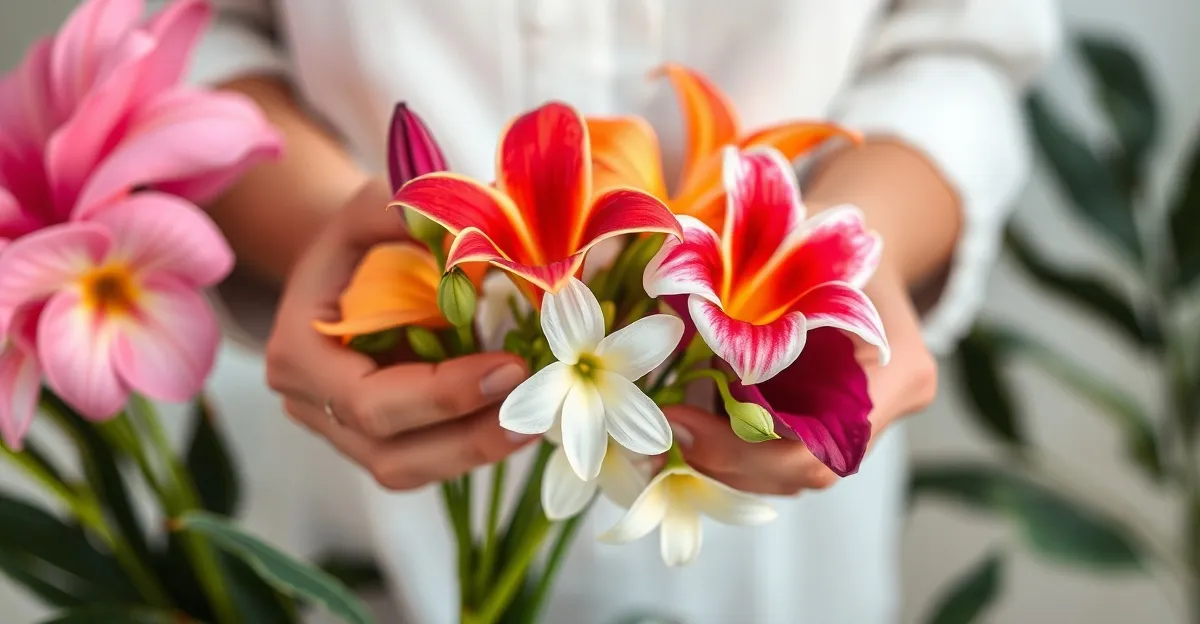
Bali sits just eight degrees south of the equator. Average temperatures hover between 28°C and 32°C for most of the year, and humidity regularly sits above 75%. This is ideal growing weather for tropical plants — but it's brutal on cut flowers, which are no longer connected to the water and nutrient supply that kept them alive in the ground.
A bouquet that would last ten days in London will last three in Denpasar if you handle it the same way. The good news: with a few adjustments, you can reliably double or triple the vase life of your flowers even in the tropical heat. Here's what actually works.
Why heat kills cut flowers faster
Cut flowers die faster in heat because warmth accelerates every biological process involved in their decline. Bacterial growth in the vase water speeds up. Ethylene gas (which triggers aging in plant cells) is produced more rapidly. Water evaporates from petals faster than the stem can replace it. Enzyme activity that breaks down cell walls accelerates.
At 20°C, these processes happen slowly. At 30°C, they happen roughly three to four times faster. This is why the same rose that lasts ten days in a European living room might last three in a Bali villa without air conditioning.
What counteracts heat: cold water, clean vessels, good stem cuts, low bacteria, and moderate airflow. All of these slow the processes above without stopping them entirely.
Step 1: The moment you receive flowers
When your flowers arrive — whether from a delivery service or a market visit — the first 30 minutes matter most for long-term vase life.
Remove any packaging immediately: Plastic wrapping and floral paper trap ethylene gas and restrict airflow. Get it off quickly.
Re-cut the stems: Even if the florist has cut them, cut them again. Use a clean, sharp knife or scissors and cut at a 45-degree angle — this increases the surface area for water uptake. Cut at least 2–3 cm from the bottom.
For woody or thick stems (heliconias, birds of paradise, some orchid stems): make a small vertical split an additional 2–3 cm up the stem from the diagonal cut. This dramatically increases water uptake for varieties with denser stem tissue.
Get stems into water immediately after cutting: The cut end begins to seal within seconds in air. Cutting under water (put the stem in a bowl of water before you cut) is ideal if you can manage it.
Step 2: Water temperature and cleanliness
Use cool or room-temperature water, never warm: Hot or warm tap water in Bali can reach 35°C or higher. This is terrible for flowers — it accelerates ethylene production and bacterial growth. Run the tap until the water is as cool as it will get (it won't be cold, but cooler is better).
Change the water every one to two days: In Bali's heat, bacterial growth in vase water happens fast. Cloudy or smelly water is a clear sign bacteria are killing your flowers from the stem end. Fresh water on alternate days makes a significant difference.
Clean the vase each time you change water: Rinse with hot water and a tiny drop of dish soap, then rinse again thoroughly. Bacteria colonise the glass surface and immediately contaminate fresh water if you don't clean between changes.
Use a clean vessel: Terracotta and unglazed ceramics are beautiful but porous — bacteria live in the material. Glass and glazed ceramic are easier to keep truly clean. If you love terracotta vessels, line them with a glass cylinder inside.
Step 3: Flower food — homemade or commercial
Flower food does two things: provides sugar for the flower to continue producing energy, and acidifies the water to slow bacterial growth. Both are genuinely useful in Bali's conditions.
Commercial flower food packets: These usually come with delivered bouquets. Use them. They work. One packet per vase at the initial fill, then continue with clean water for subsequent changes.
Homemade alternative: Mix one litre of water with one teaspoon of white sugar, one teaspoon of white vinegar or lemon juice, and a few drops of thin household bleach (sodium hypochlorite). The sugar feeds the flowers; the acid and bleach slow bacteria. This works nearly as well as commercial packets.
No flower food?: A pinch of sugar and a very small amount of vinegar in each vase change is better than plain water alone.
For a detailed homemade recipe, homemade flower food that actually works covers the chemistry and variations.
Step 4: Placement in your space
Where you put flowers in your Bali home or villa makes a significant difference:
Away from direct sunlight: Direct afternoon sun in Bali is intense. Even through glass, it will cook a flower arrangement in a few hours. Place arrangements in bright indirect light rather than in window positions with direct sun exposure.
Away from fans and air conditioning vents: Moving air evaporates water from petals rapidly. The airflow from a ceiling fan or A/C unit pointed directly at flowers shortens their life considerably. Gentle ambient airflow is fine; direct drafts are not.
In air-conditioned rooms: The single biggest factor for flower longevity in Bali is air conditioning. Flowers in an air-conditioned room set to 22–24°C last two to three times longer than the same flowers in an open-air space at 30°C. If you're serious about keeping flowers fresh, keep them in a conditioned room.
Away from fruit: Ripening fruit produces ethylene gas, which accelerates flower aging. Don't place your flower arrangement next to the fruit bowl.
Not near incense: The smoke from Balinese ceremony incense (dupa), which is burned throughout the day in traditional households, carries compounds that accelerate petal aging. Beautiful fragrance, but move your flowers away from it.

The team
your florists
weekly subscription · Bali
We write about flowers because we love them. We deliver them because someone should — properly, weekly, across Bali.
— heyflowerPay once for 3, 6, or 12 months, no auto-renewal.
Step 5: Species-specific handling
Different tropical flowers have different care requirements:
Heliconias and birds of paradise: These are the most heat-tolerant tropical flowers and need the least special care. Keep water topped up (they drink a lot), change every two days, and they'll last two to three weeks.
Tropical orchids (Dendrobium): Keep in shallow water — stems rot if fully submerged. Misting the flowers gently with a water spray every day helps in dry air-conditioned spaces.
Anthuriums: The lacquer-like spathes lose their shine in very dry conditions. Avoid A/C vents blowing directly on them. They last well — up to three weeks with good care.
Roses (imported): The most demanding flower in Bali's heat. Re-cut stems daily if possible. Keep strictly in air-conditioned space. Remove outer guard petals if they start browning. Expect five to seven days maximum even with good care.
Frangipani: Because flowers fall naturally from the tree without a stem, they don't go in traditional vases. Float them in a shallow bowl of water. Refresh the water daily; replace the flowers as they fade (one to two days per flower).
When things go wrong: immediate interventions
Wilted flowers in the heat: If flowers wilt from heat exposure, try the cool water revive: re-cut stems, place in cool water as deep as possible (up to the flowers' necks if the blooms can handle it), and move to the coolest spot in your home for two to three hours. Many flowers recover from mild wilting this way.
Cloudy vase water: Change immediately. Trim the bottom 2–3 cm of the stem before replacing in fresh water. Add a fresh round of flower food.
Petals browning at edges: Often a sign of heat or low humidity damage. You can carefully peel away the outermost affected petal layer — usually the flower underneath is still in good condition.
For detailed steps on reviving a wilted arrangement, reviving a wilted bouquet: step-by-step covers the full process.
FAQ
What's the single most important thing for flower longevity in Bali? Keep them in air-conditioned space. This has more impact than any other single factor. If A/C isn't possible, keep them in the coolest, shadiest spot available and change the water daily.
Should I mist my flowers to keep them fresh? For some varieties in dry, air-conditioned air — orchids and roses particularly — light misting helps. For flowers in high-humidity open-air Bali conditions, misting isn't necessary and can increase risk of mould on petals.
How long should tropical flowers last with good care in Bali? Heliconias: 2–3 weeks. Anthuriums: 2–3 weeks. Tropical orchids: 1–2 weeks. Birds of paradise: 1–2 weeks. Local garden roses: 4–6 days. Imported roses: 5–7 days. Frangipani (floating): 1–2 days per bloom.
Is it true that a drop of bleach in vase water helps? Yes. A very small amount (1–2 drops per litre) of thin household bleach (sodium hypochlorite, not thick bleach) in vase water slows bacterial growth significantly. This is the same chemistry used in commercial flower food.
Can I put flowers in the refrigerator overnight? For some flowers in some conditions, yes. The next article in this series addresses refrigeration specifically: should you refrigerate flowers in Bali villas?
Ready to bring fresh flowers to your Bali home or event? Explore our weekly flower subscription and get handpicked blooms delivered to your door every week.



