Alstroemeria in Balinese Ceremonies: Traditional Uses in Bali
Explore how alstroemeria fits — and where it does not — within Bali's rich ceremonial flower traditions. A thoughtful guide for visitors and residents alike.
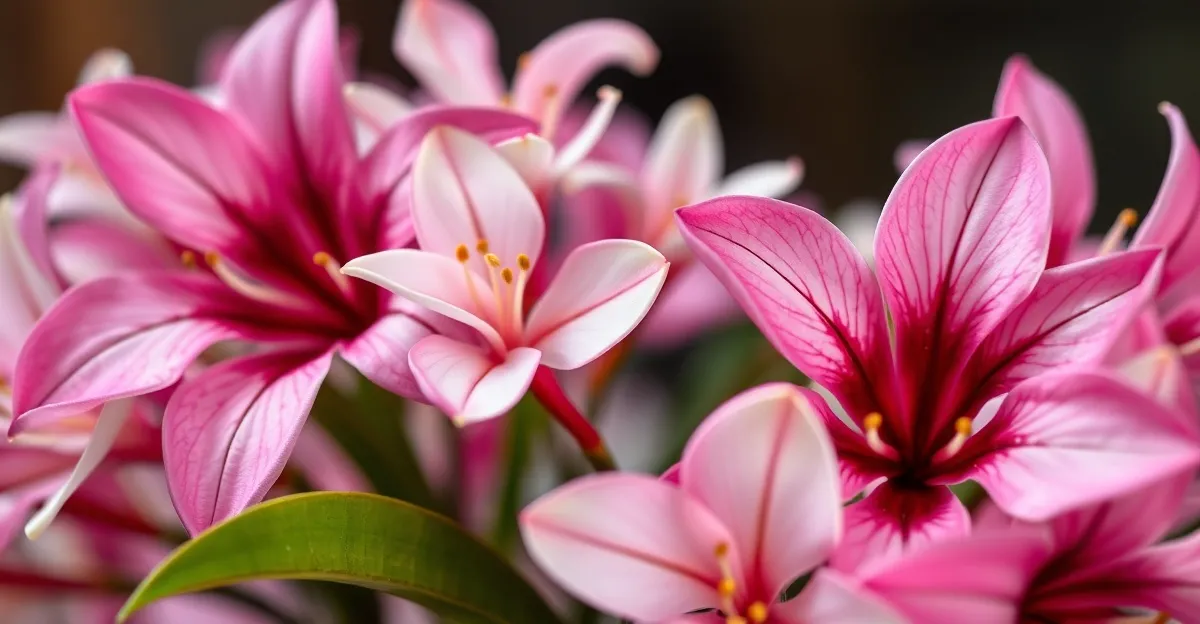
Bali is perhaps the world's most flower-saturated culture. On any given morning, you pass women carrying elaborate towers of offerings down temple steps, roadside shrines garlanded with fresh petals, and the sweet, smoky scent of burning incense mixed with frangipani drifting from household altars. Flowers here are not decoration — they are communication, devotion, and living connection between the visible and invisible worlds.
Understanding where alstroemeria fits within this sacred flower tradition — and where it does not — is both practically useful and deeply fascinating. This is our honest account, as florists who work daily at the intersection of Bali's traditional culture and its contemporary international community.
The Traditional Ceremonial Flower Palette
What Balinese Ceremony Requires
Balinese Hindu ritual has a specific and ancient palette of flowers for ceremonial use. These flowers carry particular meanings within the Balinese Vedic framework, each colour and variety associated with specific deities, spiritual directions, and ritual intentions.
The classic offerings use:
- White flowers (frangipani, jasmine, white rose): associated with Iswara, the deity of the east, purity and the highest spiritual state
- Red flowers (hibiscus, red rose, red frangipani): associated with Brahma, the deity of the south, creation and fire
- Yellow flowers (marigold, yellow frangipani, yellow chrysanthemum): associated with Mahadewa, prosperity and the west
- Black or dark flowers (dark purple orchid, dark blue or purple): associated with Wisnu, preservation and the north
The canang sari — the small palm-leaf basket offering seen everywhere in Bali — uses a combination of these flowers arranged by colour to represent all five directions (including upward, associated with white or mixed flowers).
Where Alstroemeria Fits (and Doesn't Fit)
Alstroemeria is not a traditional Balinese ceremonial flower. It was not part of the island's botanical landscape before modern commercial floristry, and it carries no specific meaning within the ritual framework described above.
This does not mean it is forbidden or inappropriate in all ceremonial contexts — Balinese Hinduism is remarkably adaptive and living — but it does mean that using alstroemeria as a direct substitute for traditional ceremonial flowers would be a misunderstanding of the tradition.
Where Alstroemeria Is Used in Contemporary Bali Ceremony
Temple Festivals and Community Celebrations
While not part of the core offering palette, alstroemeria occasionally appears in the decorative flower arrangements that accompany temple festivals — odalan, galungan, and other community celebrations. These decorative garlands and arrangements are distinct from sacred offerings, and contemporary Balinese communities, particularly in more urban and internationally connected areas, freely incorporate non-traditional flowers into festival decoration.
In this context, bright alstroemeria in auspicious colours — yellow, orange, red — is entirely appropriate. The key distinction is between offerings (which follow strict traditional guidelines) and decorative adornment (which has more flexibility).
Wedding Ceremonies with Balinese Elements
Contemporary Bali weddings increasingly blend Western or international wedding aesthetics with Balinese ceremonial elements. For the Western or modern aspects of these ceremonies — the table decoration, the bridal bouquet, the venue floristry — alstroemeria is used freely and beautifully.
However, for the Balinese ceremonial elements of such weddings — the melukat (purification), the ceremonial procession, the blessing ceremony — the flower palette follows traditional guidelines rather than modern florist convention. A thoughtful Bali wedding florist works with the couple and any officiant or religious coordinator to understand which elements of the ceremony require traditional flowers and which welcome contemporary arrangements.
Accommodation and Hospitality Offerings
One area where alstroemeria has found a genuine Bali ceremonial role is in the hotel, resort, and villa industry. The island's tourism culture has developed its own aesthetic of welcome and hospitality that borrows from Balinese ceremonial forms while adapting them to an international context.
Turndown arrangements, welcome baskets, spa decoration, and in-room floristry regularly combine traditional Balinese elements (frangipani, hibiscus, woven palm leaf) with contemporary imported flowers including alstroemeria. This is a living, hybrid tradition — not traditional ceremony, but deeply Balinese in its spirit of aesthetic generosity and welcome.
Galungan and Kuningan Season
During Galungan — one of Bali's most important ceremonial periods, occurring every 210 days in the Balinese calendar — the entire island transforms visually. Penjor (tall decorated bamboo poles) line every road; houses and temples are elaborately adorned; and flowers are in extraordinary demand island-wide.
During this period, homes and businesses beyond the strict ceremonial context use abundant floral decoration, and alstroemeria appears freely in these secular-adjacent displays. The demand for flowers island-wide during Galungan season is so high that prices rise and availability of even domestic flowers can be limited. For regular deliveries during this period, Galungan flower subscription ideas that keep giving has some practical ideas for keeping your space beautiful through the season without supply uncertainty.
A Cultural Note for Non-Balinese Residents and Visitors
Understanding the difference between participatory respect and cultural appropriation is worth a moment's reflection for those of us who live in Bali but were not raised in its traditions.
When we admire and purchase beautiful alstroemeria from Bali's flower markets, we are participating in a global commercial flower culture that exists alongside Bali's sacred flower tradition without displacing it. The Balinese women who make canang sari offerings every morning at their household shrines are not drawing from the same world as the imported commercial flower market.
Where respect is most important is in avoiding the casual use of sacred offering components as "decoration." Canang sari should not be repurposed as vase filler or photographic props. Ceremonial flower arrangements from temple celebrations should not be collected as souvenirs. These lines matter, and the Balinese community notices and appreciates when visitors and expats understand them.
Alstroemeria, being a non-traditional flower in Bali, actually sidesteps much of this potential complexity. Its use is almost always in clearly contemporary floristry contexts with no risk of religious misappropriation.
The Role of Local Flowers in Bali's Ceremonial Tradition
To appreciate alstroemeria's non-traditional role more fully, it helps to understand just how deeply specific local flowers are woven into Balinese life.
Frangipani (jepun in Balinese) is perhaps the most symbolic: it is used in nearly every ceremony, worn in hair, placed on shrines, and is so ubiquitous that the sweet fragrance of frangipani is essentially the scent of Balinese spirituality. For a fascinating contrast with alstroemeria's relatively recent introduction, see can frangipani grow in Bali? — the answer is deeply embedded in local culture.
Hibiscus, marigold, jasmine, and various local orchids similarly carry ceremony-specific associations. These flowers have been part of Bali's ritual life for centuries or millennia, which is why they carry meaning that newer introductions like alstroemeria simply do not have.

The team
your florists
weekly subscription · Bali
We write about flowers because we love them. We deliver them because someone should — properly, weekly, across Bali.
— heyflowerPay once for 3, 6, or 12 months, no auto-renewal.
Alstroemeria in Bali's Expat and International Community Ceremonies
Beyond the traditional Balinese Hindu ceremonial context, Bali hosts an extraordinary range of community ceremonies drawing from multiple cultural traditions. In this broader landscape, alstroemeria plays a much more active role.
Expat Birthday Celebrations
Birthday celebrations in Bali's international community are genuinely multicultural affairs. Alstroemeria is one of the most commonly requested flowers for these occasions — cheerful, versatile, long-lasting, and carrying no cultural complications for most of the Western and international recipients involved.
Wellness and Retreat Opening Ceremonies
Bali's extensive wellness retreat industry creates its own ceremonial forms. Retreat opening circles, intention-setting ceremonies, and sound healing sessions all create contexts where flowers matter. Alstroemeria in soft, varied tones is frequently used in these spaces — the multiple small flowers per stem create a sense of gentle abundance that suits the wellness aesthetic without the drama of stargazer lilies or the weight of formal roses.
Memorial and Celebration-of-Life Services
Bali's international community occasionally holds celebration-of-life services and memorials for community members. White alstroemeria is appropriate for these occasions and is one of the flowers we most commonly arrange for these purposes — dignified, long-lasting, and quietly beautiful.
Yoga Studio and Wellness Space Offerings
Many of Bali's yoga studios and wellness spaces maintain a small fresh flower offering at the entrance or altar area, changing it weekly or bi-weekly. Alstroemeria's vase life makes it particularly practical for this regular rotation, offering up to twelve days of beauty between changes and always maintaining a fresh, welcoming presence.
Frequently Asked Questions
Can I include alstroemeria in a canang sari offering?
If you are a non-Balinese resident attempting to make offerings in the traditional style, we recommend following guidance from a knowledgeable Balinese person. Canang sari use specific flowers for specific reasons; substitution with non-traditional flowers changes the meaning. If in doubt, use flowers from local markets that are sold specifically for offering purposes.
Is alstroemeria considered auspicious or inauspicious in Bali?
Neither. It does not appear in the traditional Balinese symbolic flower system, so it carries no specific Balinese auspicious or inauspicious meaning. In its colour, it functions similarly to other decorative flowers: warm colours are broadly celebratory, white is associated with ceremony and respect.
Are there Balinese florists who specifically work with traditional ceremony flowers?
Yes. In local Bali markets like Pasar Badung in Denpasar and the smaller local flower markets, vendors specialise in ceremony flowers. These are distinct from the commercial florist market that heyflower.co operates in. Both serve important but different community needs.
Should I avoid alstroemeria if I am gifting to a traditional Balinese family?
Not at all. Alstroemeria as a gift — particularly in warm, celebratory colours — is a genuinely warm gesture for any Balinese family in a non-ceremonial context. The considerations around flowers in Bali are more about context and colour than flower variety.
What is the best flower to give to a Balinese Hindu family for a ceremony?
If you want to give something that honours Balinese ceremony specifically, a contribution to the offering preparation — such as a bundle of fresh white and yellow flowers appropriate for canang sari — is more meaningful than a Western-style bouquet. Local markets sell ceremony flower bundles specifically for this purpose.
The relationship between alstroemeria and Balinese ceremonial culture is essentially one of respectful parallel existence — the flower plays its role in the island's contemporary commercial and gifting life without treading on the ancient sacred flower traditions that make this island so extraordinary. At heyflower.co, we love this island deeply and work to honour its flower culture in everything we do. Browse our arrangements and find the right flowers for every Bali moment.
More on Alstroemeria