7 low-maintenance tropical flowers for hot climates
Seven tropical flowers that thrive with minimal care in hot, humid climates like Bali — perfect for homes, villas, and gardens that need beauty without constant attention.
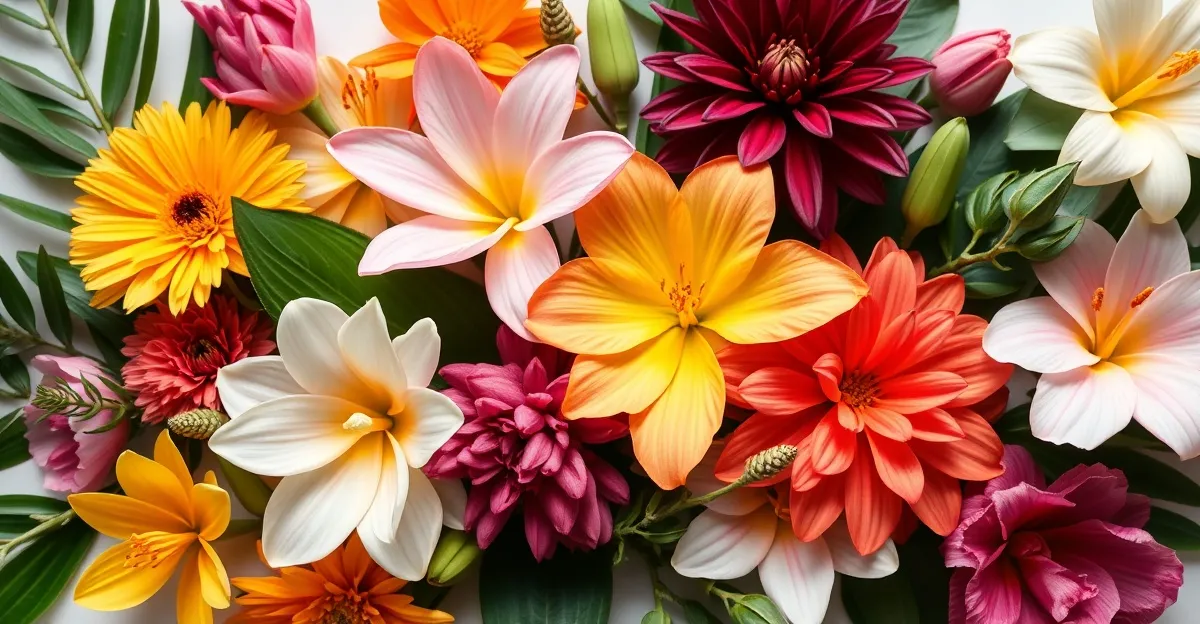
Keeping flowers looking good in a tropical climate is an exercise in working with the environment rather than against it. Bali's combination of heat (30–35°C on the coast year-round), high humidity (70–90% during the wet season), and periodic heavy rain creates conditions that kill a lot of flowers commonly sold by florists catering to temperate tastes — delicate European roses wilt fast, lisianthus struggles in the heat, and peonies are almost impossible to find because they barely survive the journey from the highlands.
But tropical climates are also extraordinarily generous to the right plants. The seven flowers in this guide are chosen specifically because they thrive in Bali-like conditions with minimal fuss: they handle heat, are resistant to the kind of rot that humid air encourages, and are widely available across Bali whether you want them growing in your garden or cut in a vase.
1. Anthurium
Anthurium is the standout choice for low-maintenance tropical flowers, both as a cut stem and as a garden or indoor plant. The waxy spathe — the heart-shaped "flower" — is actually a modified leaf that naturally resists moisture loss. Cut anthuriums last 3–4 weeks in a vase in tropical conditions, which is genuinely extraordinary compared to almost any other flower.
In Bali, anthuriums grow easily in partial shade, which makes them ideal for covered verandahs and villa interiors with filtered light. Red, pink, and white varieties are all readily available. The plant requires almost no attention beyond occasional watering — it is tolerant of both overwatering (briefly) and dry spells, making it forgiving of the irregular attention a busy household often provides.
At Pasar Badung in Denpasar or at flower wholesalers in Kerobokan, cut anthuriums typically run Rp 5,000–15,000 per stem depending on size. A pot of anthurium from a garden stall along Jl. Raya Sukawati or Jl. Diponegoro costs around Rp 40,000–80,000.
2. Heliconia
Heliconia — sometimes called lobster claw or bird of paradise — is a dramatic architectural flower that is practically indestructible once established. The boat-shaped bracts, which come in red, orange, yellow, and bi-colour combinations, are thick and waxy and have evolved specifically to resist tropical conditions.
Cut heliconia stems last 2–3 weeks in a vase, and the plants themselves grow quickly and prolifically in Bali's heat. A single rhizome planted in well-drained soil will spread into a full clump within a season. Heliconia is widely used as a garden privacy screen in Bali — you see the tall specimens along villa fences across Seminyak, Canggu, and Ubud — and it produces cut flowers year-round.
The dramatic scale of heliconia works best in taller vases — a single large stem in a floor vase can anchor an entire room. This is a flower that looks expensive and effortful while requiring neither.
3. Bird of Paradise (Strelitzia reginae)
Closely related to heliconia in terms of maintenance needs, the true bird of paradise (Strelitzia) has a distinctive orange and blue flower that genuinely resembles a bird in flight. It handles Bali's heat and sun exceptionally well — better than most ornamental flowers — and cut stems last 2–3 weeks.
Strelitzia is slightly less common in Bali's local markets than heliconia, but it is available at wholesale florists in Kerobokan and at the flower market near Ngurah Rai airport. The plant itself grows slowly but is remarkably drought-tolerant once established, making it useful for gardens in drier parts of Bali (the Bukit peninsula, parts of Nusa Dua and Jimbaran) where irrigation is more limited.
4. Orchids (Dendrobium and Vanda)
Orchids have a somewhat intimidating reputation as difficult plants, but the tropical varieties suited to Bali's climate are actually among the easiest flowers you can grow here. Dendrobium orchids, sourced primarily from growers in the Bedugul highlands and from large commercial operations elsewhere in Java, are available everywhere in Bali and are extraordinarily heat-tolerant.
Cut Dendrobium sprays last 2–3 weeks and require only occasional stem trimming and fresh water. As potted plants, tropical orchids need watering just twice a week (morning only, allowing roots to dry before evening) and a position with bright indirect light — precisely the conditions a covered Bali terrace provides.
Vanda orchids, grown in baskets without any soil medium at all, are even more specifically adapted to tropical humidity. They absorb moisture directly from the air and require almost no intervention beyond occasional watering during the dry season. Many Bali villas and restaurants use Vanda orchids in hanging baskets precisely because they look striking and need almost no maintenance.
5. Torch Ginger (Etlingera elatior / Kecombrang)
Torch ginger is a large, spectacular plant with waxy cone-shaped flower heads in pink, red, or cream. It grows to 4–6 metres tall and is common in Bali gardens, roadside plantings, and rice field borders — you will see the red torch heads appearing from roadside verge growth between rice fields in Ubud and Gianyar.
As a cut flower, torch ginger is excellent for large arrangements and lasts 1–2 weeks. As a garden plant, it is essentially self-sufficient in Bali — it loves the heat, handles heavy rain without issue, and spreads naturally. The flower buds are also edible (used in Balinese cooking), adding a practical dimension to having them in the garden.
6. Plumeria / Frangipani (Jepun)
No list of low-maintenance Bali flowers would be complete without frangipani. The trees are everywhere on the island, require almost no water once established, and bloom prolifically during the dry season. Fallen blooms can be collected daily and used in shallow dishes without any vase setup at all — no water, no cutting, just placement.
Frangipani trees can look almost dead during the wet season (they drop their leaves and stop flowering), which alarms new arrivals who think they have killed them. They have not. Come April, the tree springs back with vigour. As a potted plant for a terrace, the tree is entirely forgiving of occasional missed watering.
For anyone wanting to understand the cultural dimension of this flower — it appears in temple offerings, family compound ceremonies, and daily canang sari across Bali — it connects to the broader tradition discussed in pieces about 11 flowers locals use in canang sari and why.
7. Celosia (Cockscomb / Jengger Ayam)
Celosia is sometimes overlooked because it is inexpensive and abundantly available at markets — marigolds and roses get more attention. But as a low-maintenance tropical flower it is superb. The flame-like or velvet-feathered heads come in vivid red, orange, gold, pink, and purple, and they last 2–3 weeks as cut flowers without any particularly careful treatment.
In the garden, celosia is a fast-growing annual that thrives in Bali's full sun and handles the heat better than almost any ornamental flower. It is used extensively in Balinese temple offerings (particularly the red variety) and is available in bulk at Pasar Badung for just a few thousand rupiah per bunch.
The texture of celosia — whether the velvety cockscomb form or the feathery plume variety — adds real dimension to arrangements when combined with smoother flowers like anthurium or orchid.

The team
your florists
weekly subscription · Bali
We write about flowers because we love them. We deliver them because someone should — properly, weekly, across Bali.
— heyflowerPay once for 3, 6, or 12 months, no auto-renewal.
Quick Comparison
| Flower | Vase Life (tropics) | Garden Ease | Cost at Bali Market | | ------------------- | ------------------- | ---------------------------- | --------------------- | | Anthurium | 3–4 weeks | Easy | Rp 5,000–15,000/stem | | Heliconia | 2–3 weeks | Very easy | Rp 15,000–40,000/stem | | Bird of Paradise | 2–3 weeks | Easy | Rp 20,000–50,000/stem | | Orchid (Dendrobium) | 2–3 weeks | Easy (with right conditions) | Rp 8,000–20,000/spray | | Torch Ginger | 1–2 weeks | Very easy | Rp 10,000–25,000/head | | Frangipani | 3–5 days | Very easy | Free (collect fallen) | | Celosia | 2–3 weeks | Easy | Rp 3,000–8,000/stem |
FAQ
Are these flowers safe around pets? Frangipani and anthurium can cause mild irritation if ingested by pets. Orchids are generally considered non-toxic. If you have cats or dogs that chew on plants, it is worth checking specific varieties with a vet. Most of the flowers on this list are safest when kept out of pet reach as a general precaution.
Which of these works best in an indoor Bali space with air conditioning? Anthuriums handle air conditioning very well — they evolved in conditions with moderate temperature variation. Orchids do fine with air conditioning as long as they are not in the direct blast of cold air. Avoid placing heliconia and torch ginger directly under AC vents.
Can I find all these flowers year-round in Bali? Anthurium, orchid, heliconia, and celosia are available year-round. Frangipani is most abundant from April through October. Torch ginger and bird of paradise may be less available in the height of the wet season (November–January) but are generally not completely absent. A weekly flower subscription is a reliable way to always have seasonal tropical flowers on hand.
Do I need fertilizer for these plants in Bali's soil? Bali's volcanic soil is generally fertile, particularly in the central and northern highland areas. Coastal sandy soils (around Kuta, Seminyak, Nusa Dua) are less nutrient-rich and benefit from compost addition. A slow-release tropical fertilizer applied every 3–4 months is sufficient for all the plants on this list in garden beds.
Where is the best place to buy these plants in Bali? Nurseries along Jl. Raya Sukawati (between Gianyar and Klungkung) and along Jl. Diponegoro in Denpasar are the main nursery strips in Bali, with the widest selection and best prices. Garden stalls in the Bedugul area carry highland orchids and ferns. In Canggu and Seminyak, boutique nurseries charge premium prices but offer convenience.
Want fresh tropical flowers without the garden work? Explore our weekly flower subscription and get handpicked blooms delivered to your door every week — beautiful, low-effort, and always seasonal.



