6 flowers that are in season year-round in Bali
Six flowers that are reliably available and at their best year-round in Bali's tropical climate — no waiting for a season, no seasonal price spikes.
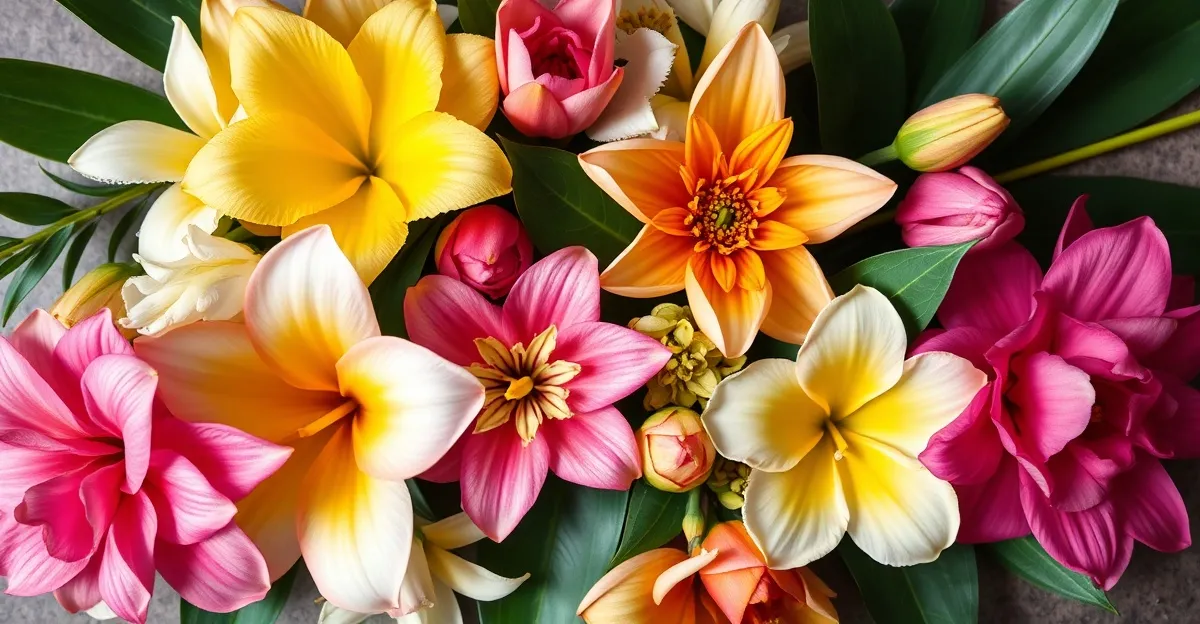
One of the genuine pleasures of living in or visiting Bali is that the flower supply does not follow a temperate seasons calendar. While a florist in London or Amsterdam might tell you that peonies are only available in May and June, or that dahlias are a summer thing, Bali's year-round tropical climate and proximity to diverse growing regions creates something closer to a continuous flower supply.
That said, even in the tropics, seasons exist. Bali has a wet season (roughly October through March, with November–January being the heaviest) and a dry season (April through September). Some flowers are more abundant and cheaper during their peak months. Temperature variations between the coast and the highlands create additional micro-seasonal patterns.
But there are six flowers that are genuinely available year-round in Bali — consistently in supply, reliably fresh, and not subject to the kind of seasonal price spikes that affect temperate flowers. If you are building a subscription, planning a business order, or simply want to know what you can always count on, these are the ones.
1. Anthurium
Anthurium is the most year-round reliable cut flower in Bali, full stop. The plant grows year-round in tropical climates without the dormancy periods that affect temperate flowers. In Bali, both local production (primarily from highland farms near Bedugul and in the Kintamani area) and imports from Java maintain consistent supply through both wet and dry seasons.
Red and pink anthuriums are available daily at Pasar Badung and at wholesale florists in Kerobokan. White varieties are slightly less common but reliably available through specialist florists. Green varieties (Anthurium 'Midori') are available with advance notice from wholesale suppliers.
Price stability is also notable: anthurium prices in Bali fluctuate less than seasonal flowers. Expect Rp 8,000–20,000 per stem year-round, with minor variations during major ceremonial periods (Galungan, Kuningan, Nyepi) when overall flower demand spikes.
Best use: Statement arrangements, long-lasting centrepieces, and as the anchor flower in mixed tropical arrangements.
2. Orchid (Dendrobium varieties)
Dendrobium orchids are commercially cultivated on a large scale in Bali (Bedugul highlands) and Java, and the production cycle runs year-round. Because the growing conditions — warm temperatures, consistent humidity, regular rainfall — do not significantly vary in Bali's highlands even between seasons, orchid supply is as close to constant as any flower you will find.
White, purple, yellow, and pink Dendrobium sprays are available daily at markets across the island. During the dry season, prices sometimes drop slightly as the market is less disrupted by transport logistics in fine weather. During the wet season, heavy rains occasionally cause brief supply dips, but these are short-lived.
The other year-round orchid option is Vanda, which grows without soil in hanging baskets and is cultivated extensively for the hotel and resort market in Bali. Vanda orchids are primarily sold through wholesale channels but are accessible via specialist florists.
Best use: Sprays for mixed bouquets, single-variety arrangements, wedding flowers, long-lasting event displays.
3. Marigold (Gemitir / Tagetes)
Marigolds are grown across Bali's agricultural zones as a companion crop alongside vegetables and food crops. They are harvested daily in enormous quantities for the temple offering market — millions of marigolds are used weekly across the island in canang sari and larger ceremonial offerings. This agricultural scale means supply is effectively constant.
The price is also consistently low: Rp 2,000–5,000 per stem, with bulk pricing even lower. During Galungan and Kuningan — the major Balinese Hindu holidays that occur roughly every 210 days following the Saka calendar — marigold prices spike sharply as demand from ceremonial users overwhelms supply. These price spikes last approximately one week around each holiday.
Outside of those ceremonial periods, marigold is the most reliably priced, most consistently available flower in Bali.
Best use: High-volume decorative use (events, aisle decoration), home arrangements, mixed tropical bouquets, outdoor use where heat resistance matters.
4. Heliconia
Heliconia grows as a perennial in Bali's tropical climate and blooms year-round. The plants produce flower stalks continuously throughout the year, with slightly more vigorous growth during the wet season when rainfall is consistent. Supply does not drop significantly during any month.
Available in multiple varieties: the upright lobster claw types (Heliconia bihai, H. caribaea), the pendant forms (H. rostrata), and the smaller ornamental species with yellow and red bracts. The dramatic scale of heliconia means that even a single stem makes a significant arrangement, reducing the quantity needed to achieve visual impact.
Best use: Structural arrangements, venue decoration, tropical statement pieces, aisle markers.
5. Celosia
Celosia is an annual plant, but Bali's climate allows year-round cultivation without the dormant winter period that interrupts temperate growing cycles. Local growers across the island produce celosia continuously, with the crop taking only 8–10 weeks from seed to harvest. This short growing cycle means fresh supply is never far away.
Both the cockscomb (Celosia argentea cristata) and the plume (Celosia argentea plumosa) varieties are available year-round. Red, orange, and gold are the most common colours; purple and deep burgundy are available with slightly more lead time.
In the wet season, celosia may be slightly less abundant due to flooding affecting lowland growing areas, but highland production compensates. Price remains among the lowest of any flower in Bali.
Best use: Dense textural arrangements, tropical colour statements, event decoration at scale, long-lasting home arrangements.
6. Tropical Greenery (Monstera, Heliconia Leaves, Banana Leaves)
Not flowering plants, but tropical foliage is year-round available in Bali in a way that no temperate foliage can match. Monstera deliciosa — the split-leaf plant — grows year-round in shaded conditions across the island. Heliconia leaves (the green paddle-shaped leaves of the plant) are an easy companion to the flowers. Banana leaves, available from agricultural suppliers and many roadside vendors, are used extensively in Balinese decoration.
For florists and home arrangers, having a reliable base of tropical greenery that is always available is significant: it means you can build arrangements around local foliage even when specific flower imports are temporarily disrupted.
Best use: Structural framework for arrangements, as statement pieces in their own right (a single monstera leaf is a design choice, not a gap-filler), and as backgrounds for photography.

The team
your florists
weekly subscription · Bali
We write about flowers because we love them. We deliver them because someone should — properly, weekly, across Bali.
— heyflowerPay once for 3, 6, or 12 months, no auto-renewal.
What About Frangipani?
Frangipani is notably absent from this list for a reason: while the trees are everywhere in Bali, they are seasonal. Most frangipani trees drop their leaves and stop flowering during the wet season (roughly November through February), particularly in the drier lowland areas. Dry season (April through October) is when frangipani is abundant and cheap.
In the highland, more humid areas, some frangipani varieties flower more continuously. But as a reliably year-round cut flower available at market, frangipani is seasonal enough that it does not make this list.
For the seasons that matter most in Bali's flower calendar, including which occasions see the biggest supply shifts, the guide on Bali ceremony days: a year-round flower calendar covers the full ceremonial and seasonal context.
Planning Around the Wet Season
During Bali's heaviest wet season months (November–January), a few things happen to the flower supply:
- Transport logistics from Java are occasionally disrupted, affecting imported flowers like hydrangea, lily, and roses more than local tropical options.
- Flooding in lowland growing areas can temporarily reduce local supply of marigold and celosia.
- The six flowers on this list are the most reliable during these months because they are produced locally at altitude (orchids, anthurium) or are genuinely robust year-round crops.
For anyone building a weekly flower subscription in Bali, the practical advantage of sticking primarily to year-round tropical flowers during the wet months is significant — you get consistent quality and pricing without the supply disruptions that affect imported temperate flowers.
FAQ
Are any of these flowers available during Nyepi (Bali's Day of Silence)? Nyepi itself is a day of complete closure — shops, markets, and delivery services are all shut. In the days immediately before Nyepi, flower markets are busy as people prepare offerings for Melasti and Mecaru ceremonies. Planning flower purchases 2–3 days before Nyepi, and accepting no deliveries on the day itself, is the practical approach.
Do prices go up during major Balinese ceremonies? Yes, particularly for marigold and frangipani, which are central to offerings. Anthurium and orchid prices are less affected by ceremonial demand because they are not traditional offering flowers. Heliconia and celosia similarly see smaller ceremonial price impacts.
Where can I find these six flowers at the best prices in Bali? Pasar Badung in Denpasar for the lowest retail prices. Wholesale florists in Kerobokan for volume purchasing. For home delivery of fresh curated arrangements without the market trip, a weekly flower subscription handles sourcing automatically.
Can I request specific colours from each of these flowers? For anthurium: red, pink, white, and orange are reliably available; green and purple are available with 1–2 days advance notice. For orchid: white, purple, and pink year-round; yellow and green with notice. For marigold: orange and yellow year-round; other colours are not typically available. For heliconia and celosia: multiple colour variants year-round. Tropical greenery: consistent availability.
Are these flowers suitable for both outdoor and indoor use in Bali? All six hold up well outdoors in Bali's climate, making them suitable for open-air ceremonies, garden parties, and outdoor venue decoration. Anthurium and orchids are also excellent for air-conditioned interior spaces. Marigold and celosia handle direct sun and heat better than almost any other flower.
Get these year-round Bali flowers delivered to your door without a market trip. Explore our weekly flower subscription and get handpicked seasonal blooms delivered every week — consistent quality, no sourcing hassle.



