When to toss wilted flowers vs. restore them
Not every wilted flower is done for. Learn how to tell the difference between a recoverable droop and a flower that has genuinely expired in Bali's tropical heat.
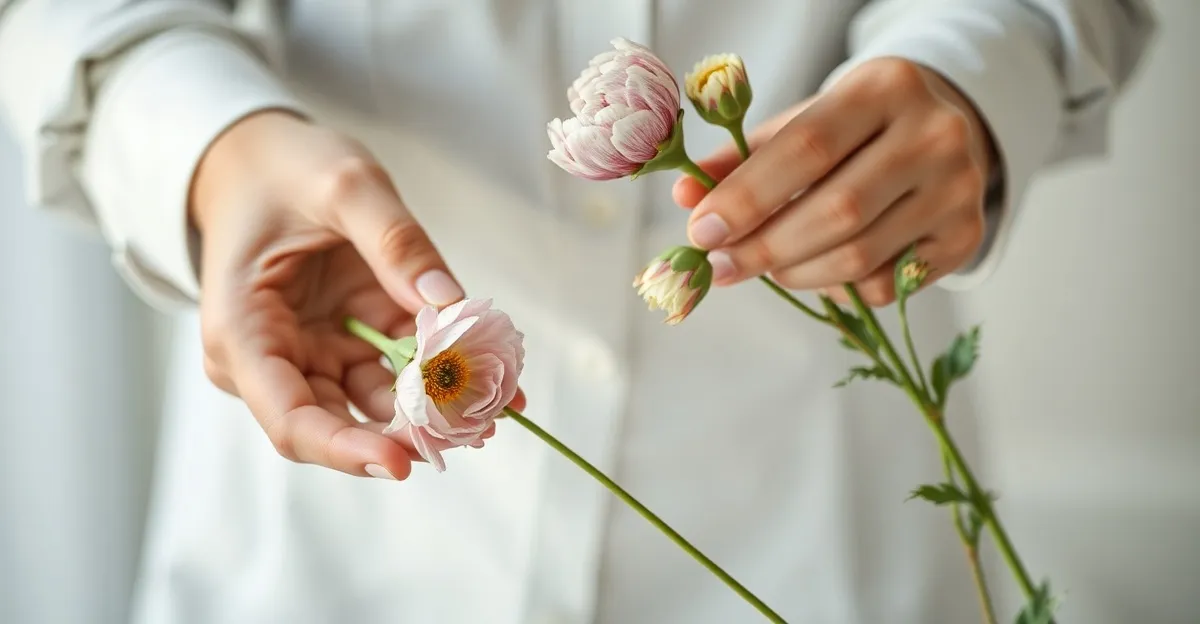
Most people toss wilted flowers too soon. A drooping rose or a head-hanging dahlia can look completely finished, and the instinct is to remove it from the arrangement before it brings the whole display down. But many apparently wilted flowers — particularly in Bali where the heat causes rapid water loss — are simply dehydrated rather than dead.
Knowing the difference saves you money, extends the life of arrangements, and can genuinely bring flowers back from what looks like a point of no return.
The two types of wilting
Understanding wilting starts with recognizing that there are two different things happening when a flower droops.
Dehydration wilt: The stem has temporarily lost the ability to move enough water to keep cells turgid. This happens when a stem is blocked (bacteria, sealed capillary from air exposure), the water level is too low, or the flower is in a very hot, dry environment — all common in Bali. The flower looks droopy and tired, but the cells themselves are still alive and functional. Given proper water access, these flowers often recover completely.
Senescence wilt: The natural aging process of the flower. Cells are actually dying, petal tissue is breaking down at a cellular level, and no amount of fresh water will significantly slow the process. This is genuinely end-of-life wilting.
Distinguishing between these two is the key skill.
Signs a wilted flower can be restored
The stem feels firm near the base. If you gently squeeze the stem several centimeters above the cut end, it should feel moderately firm. A stem that feels hollow, squishy, or very soft throughout has likely started to decompose from the inside and won't recover.
The petals feel cool and slightly moist rather than dry and papery. Even a wilted flower with turgid cells has some coolness and flexibility to the petals. A flower in senescence will have petals that feel dry, thin, papery, or slightly leathery.
The wilting is at the top (head drooping) rather than throughout. A stem where the head droops but the stem below is still upright often has a blocked or sealed cut end. The flower head is drooping because water pressure can't reach it — fix the pathway and it often recovers. If the entire stem is soft and the wilting is uniform from base to tip, recovery is less likely.
The petals have not started browning or showing translucent patches. Browning at petal edges and translucent, water-soaked patches on petals are signs of cellular breakdown — genuine senescence. Small amounts of edge browning are normal in Bali's dry conditions and don't necessarily indicate the flower is done. Large areas of browning or translucency suggest the flower is past recovery.
It's been less than a week since the stems were cut. Most fresh-cut flowers have a potential vase life of seven to twelve days with proper care. A flower that's wilted on day two or three is almost certainly restorable. A flower that's wilted on day eight or nine is probably near its natural end.
The restoration process
If the signs above suggest the flower is dehydrated rather than dying, try this:
Step 1 — Recut the stem. Remove two to three centimeters from the stem end at a 45-degree angle. This opens a fresh capillary surface free from bacterial buildup or air-sealed cells. Use a sharp knife or clean scissors. See our full guide on cutting stems the right way to extend vase life for proper technique.
Step 2 — Place in fresh, clean water immediately. Change all the vase water at the same time — old water with high bacterial content slows recovery.
Step 3 — Move to the coolest spot in your home. In Bali, this often means an air-conditioned room rather than a naturally ventilated space. Reducing ambient temperature reduces the flower's metabolic water demand, giving the restored stem a chance to build water pressure before the flower needs it.
Step 4 — Wait two to four hours. Don't check constantly — just let it sit. Most flowers that will recover do so within this window. A rose that was fully drooping may stand upright again within three hours of a fresh cut and water change.
Optional — The cool soak: For severely wilted flowers, submerge the entire flower (bloom and all) briefly in cool water — fill a bathtub or large basin. Hold them underwater for 20–30 minutes. This drives water absorption through petals as well as stems, and can revive flowers that a standard stem recut doesn't fully restore. Shake off excess water gently and place in fresh vase water.
Signs it's time to toss
Some indicators that a flower has genuinely reached end of life:
- Petals are falling off at a touch, or falling spontaneously without being touched
- Petals have brown or translucent patches covering more than 20–30% of the surface
- The stem feels hollow or completely soft when squeezed
- There's a bad smell from the stem end or from the base of the flower head
- The flower has been in a vase for ten or more days (for most tropical and non-tropical species)
- 24 hours after a fresh cut and water change, the flower shows no recovery
When a flower is genuinely done, remove it from the arrangement rather than leaving it in. A wilting flower in the same vase as healthy flowers produces ethylene gas at an accelerated rate, which speeds the aging of all the other flowers around it.

The team
your florists
weekly subscription · Bali
We write about flowers because we love them. We deliver them because someone should — properly, weekly, across Bali.
— heyflowerPay once for 3, 6, or 12 months, no auto-renewal.
What to do with flowers you're tossing
Even "finished" flowers have uses before going to compost or waste.
Individual petals from spent roses or tropical flowers can be used as surface decoration in floating bowls, scattered on a dining table before a dinner, or used in bath water for a floral bath — a common wellness practice at spas across Ubud and Seminyak.
Dried flowers and petals can go onto the garden as mulch or into a compost bin — the organic material breaks down quickly in Bali's tropical conditions.
For pressed flower projects, some slightly past-prime flowers can still be pressed — they're more fragile and may have some browning, but for experimental pressing projects they work fine.
FAQ
Can you revive a flower that's been out of water for a long time? If it's been less than two hours, a recut and water restoration often works. More than six hours in Bali's heat causes significant cellular damage that is often unrecoverable. Try the cool soak method — it's the best option for very severely wilted flowers.
My roses keep drooping at the neck specifically. What's happening? This is called "bent neck" and is common in roses. It usually means the stem has a blockage near the head, often from bacterial activity. Cut the stem very short — just two to three centimeters below the head — and put it in a small vase with fresh water. The very short stem can draw water quickly and the neck often straightens within a few hours.
Do wilted flowers affect other flowers in the same vase? Yes. Dying and dead flowers release ethylene gas that accelerates senescence in neighboring flowers. Remove any flowers showing clear end-of-life signs from mixed arrangements promptly.
Is it ever worth reviving flowers for a gift? Only if they recover completely and show no visible damage. A partially recovered flower that still droops slightly is not a gift — it signals you haven't put fresh thought into the gesture. If you're giving a gift, use genuinely fresh flowers.
Can I tell from the smell whether a flower is still viable? Flowers have a natural scent even as they age, and a slight change in fragrance is normal. A clearly unpleasant, decaying smell from stems or flower heads indicates bacterial breakdown that usually can't be reversed — that's a toss signal.
Always start with fresh, quality flowers
Recovery only goes so far — genuinely fresh flowers always last longer. Explore our weekly flower subscription and get handpicked Bali blooms delivered to your door every week, starting every arrangement at peak freshness.



