When not to gift peony: cultural considerations
Peonies are celebrated in many cultures, but there are contexts where gifting them sends the wrong message. Know before you send.
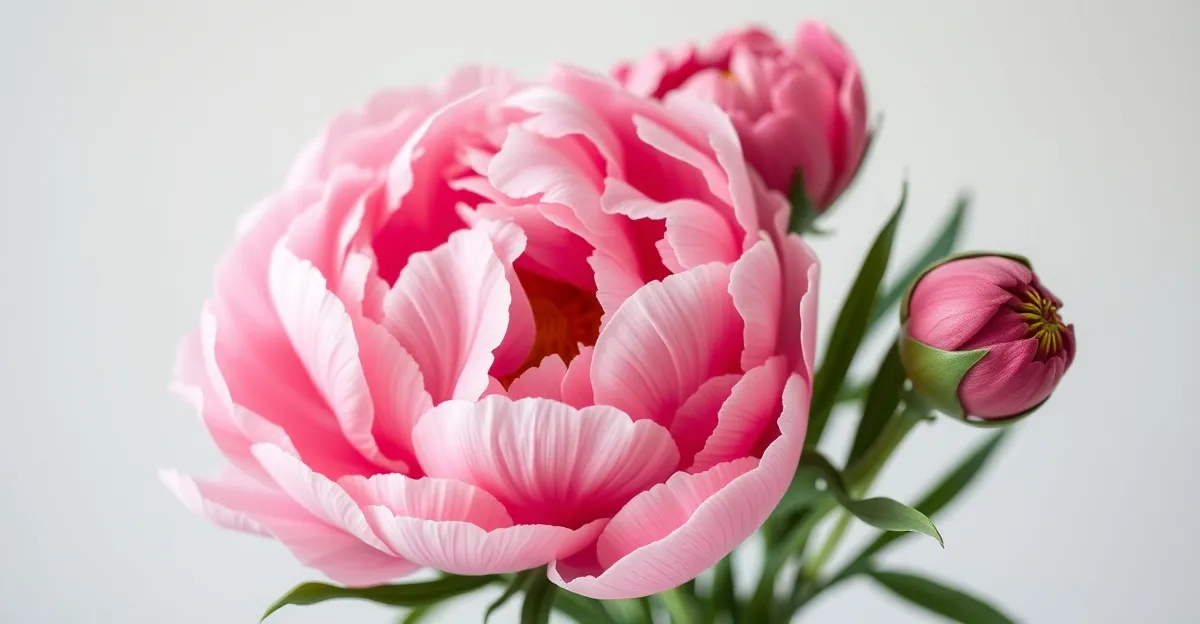
A flower that means good fortune in one culture can mean something entirely different in another. Peonies are among the most beloved flowers in the world — celebrated in Chinese art for over a thousand years, adored at European weddings, revered in Japanese poetry. But that widespread admiration doesn't mean they're appropriate everywhere, for every occasion, or for every recipient.
If you're living in or visiting Bali — where Indonesian, Balinese Hindu, Chinese Indonesian, and expat Western cultures coexist and intertwine — getting the cultural nuance right matters. Getting it wrong won't necessarily cause offence, but understanding the context will help you gift with real intention rather than just good aesthetics. This guide covers the situations and contexts where peonies might not be the ideal choice.
Peonies at funerals and memorial occasions
This is the most universal caution across cultures. White flowers carry mourning symbolism in many East and Southeast Asian traditions, and white peonies particularly so. In Chinese tradition, white flowers are strongly associated with death, grief, and funerals. If you're attending a funeral or sending condolence flowers to a Chinese Indonesian family in Bali — and there are many — a white peony arrangement would be read as funeral-appropriate rather than sympathetic.
The issue extends beyond just Chinese culture. White flowers generally carry mourning associations in Indonesian and Balinese contexts too. For sympathy occasions, the cultural norm is white blooms, but peonies specifically can feel overly ornate and celebratory for a mourning context even when in white.
If you want to send condolences, it's worth reading our guide on how to write a sympathy flower card message — getting the note right is as important as getting the flowers right.
What to send instead
For condolence occasions in Bali's multicultural context, white chrysanthemums, white lilies, or simple green-and-white arrangements read more appropriately. These acknowledge grief without the celebratory fullness that peonies carry.
Gifting peonies to Japanese recipients: a subtle nuance
Japan has a complicated relationship with peonies. The flower (botan, or tree peony in Japanese culture) is celebrated in traditional art and is associated with samurai culture and noble masculinity. So far so good. However, in some regional Japanese traditions, large, showy flowers can be associated with the transient nature of life — the Buddhist concept that beauty is fleeting. This isn't a strong taboo, but it means some older or more traditional Japanese recipients might read extravagant peony gifts with slightly melancholy undertones.
For younger Japanese expats living in Canggu or Seminyak — a significant community — this is unlikely to be a concern at all. But if you're gifting to an older Japanese person or a family with strong traditional ties, a smaller, more considered arrangement may land better than an overwhelming peony arrangement.
Religious observances and ceremony periods
Nyepi (Balinese New Year)
During Nyepi — the Balinese Day of Silence — all activity ceases. Deliveries don't run, businesses are closed, and the island observes silence. There is no practical way to deliver peonies or any flowers during Nyepi itself. Planning any flower gift around this date means planning for the day before or the day after.
Beyond logistics, gifting during or immediately around Nyepi is simply poor timing. The occasion calls for quiet reflection, not celebration. Wait until the day after Nyepi, which is Ngembak Geni — a day of visiting and reconciliation — if you want to give flowers in this period.
Galungan and Kuningan
These important Balinese Hindu celebrations involve elaborate offerings and temple decorations. Peonies don't feature in traditional Balinese ceremonial offerings (that role belongs to local flowers like frangipani, marigold, and tropical blooms). Gifting peonies to a Balinese Hindu family during Galungan is not offensive, but it may feel out of step with the occasion's spirit. Local flowers or a simple bouquet that includes frangipani or marigold would feel more connected to the celebration.
When the relationship context matters
New acquaintances or professional relationships
Peonies are expressive, abundant, and romantic. In many Asian professional and social contexts, giving a large, lush peony arrangement to someone you've just met can feel too intimate — it assumes a closeness that hasn't been established. This is especially true for business relationships. A generous peony arrangement might make a new business partner feel uncomfortable rather than honoured.
In professional contexts in Bali, smaller, more understated arrangements work better. If you want to make a strong impression, quality matters more than volume. A beautifully arranged single-stem orchid or a small, refined mixed arrangement communicates good taste without crossing into territory that feels presumptuous.
Romantic gifts: knowing your audience
Peonies are deeply associated with romantic love in Western flower symbolism. If you're gifting flowers to someone from a culture where the symbolism differs — or to someone who might not share that association — a large peony arrangement can feel too forward or misread entirely.
This doesn't mean don't give peonies romantically. It means consider whether your recipient shares that cultural understanding. For someone who grew up with peonies as a celebration flower (Chinese background) versus someone who connects them immediately with romance (Western background), the same arrangement says something different.

The team
your florists
weekly subscription · Bali
We write about flowers because we love them. We deliver them because someone should — properly, weekly, across Bali.
— heyflowerPay once for 3, 6, or 12 months, no auto-renewal.
Practical limitations that work against gifting peonies
Beyond cultural considerations, there are practical reasons why peonies aren't always the right choice in Bali.
They don't travel well in heat
If you're asking someone to carry a peony bouquet across Bali on a warm afternoon — or if you're giving them as a gift someone needs to transport home by motorbike — they may look very different by the time they arrive. Peonies wilt quickly without water and cool conditions. For gifts that need to travel, hardier flowers are kinder to the recipient.
Availability and freshness aren't guaranteed
Peonies are imported and seasonal. Unlike roses or tropical flowers, you can't guarantee peony availability for a specific date in Bali without planning ahead. If you're sending flowers for a birthday or anniversary on short notice, peonies may not be available in the quality you'd want. This isn't a cultural consideration but a practical one that's worth factoring in.
When peonies are absolutely right
It's worth ending with this: despite the caveats, peonies are overwhelmingly positive in their symbolism. For celebrations — birthdays, weddings, engagements, career achievements, pregnancy announcements, housewarming parties — peonies are rarely wrong. They say abundance, joy, and congratulations with very little room for misinterpretation.
The considerations above are edge cases and nuances, not blanket warnings. If you're ever uncertain about the cultural context of your recipient, our team at heyflower.co is happy to advise. We deliver across Canggu, Berawa, Seminyak, Pererenan, and Kerobokan, and we know our communities well. Explore our seasonal options at /#subscriptions.
Frequently Asked Questions
Is it bad luck to gift peonies in any Asian cultures?
Peonies are generally considered lucky in Chinese and Korean cultures — they symbolise prosperity and good fortune. There's no strong tradition of peonies as bad luck in major Asian cultures. The main caution is around white peonies at mourning occasions, not peonies as a category.
Can you give peonies to a Balinese person?
Yes, absolutely. Peonies aren't part of traditional Balinese ceremonial culture, but they're well understood as luxury decorative flowers. A Balinese recipient will appreciate peonies as a beautiful, high-quality gift. The main consideration is avoiding white peonies for mourning occasions, consistent with broader Indonesian cultural norms.
Are peonies appropriate for a Bali Hindu ceremony gift?
For Balinese Hindu ceremonies (weddings, tooth filing, cremation), traditional gifts include offerings with local ceremonial flowers. Peonies as a separate decorative gift for the couple or family are fine as a supplement, but they wouldn't replace or stand in for traditional ceremony flowers.
What flower should I give instead of peonies in a professional context in Bali?
Orchids are universally appropriate in professional contexts across Bali's multicultural community. They convey respect and appreciation without intimacy. Anthuriums also work well — they're tropical, beautiful, and read as thoughtful without being romantic.
Do Balinese people use peonies in canang sari or temple offerings?
No. Traditional canang sari and Balinese temple offerings use locally grown flowers — frangipani, marigold, jasmine, and various tropical blooms. Peonies aren't part of this tradition, both because of their import nature and because the selection of flowers for offerings is guided by traditional knowledge about which blooms are spiritually appropriate.
More on Peony