When Not to Gift Alstroemeria: Cultural Considerations
Understanding when alstroemeria is not the right choice in Bali's multicultural setting — cultural flower etiquette for expats, tourists, and local gifters.
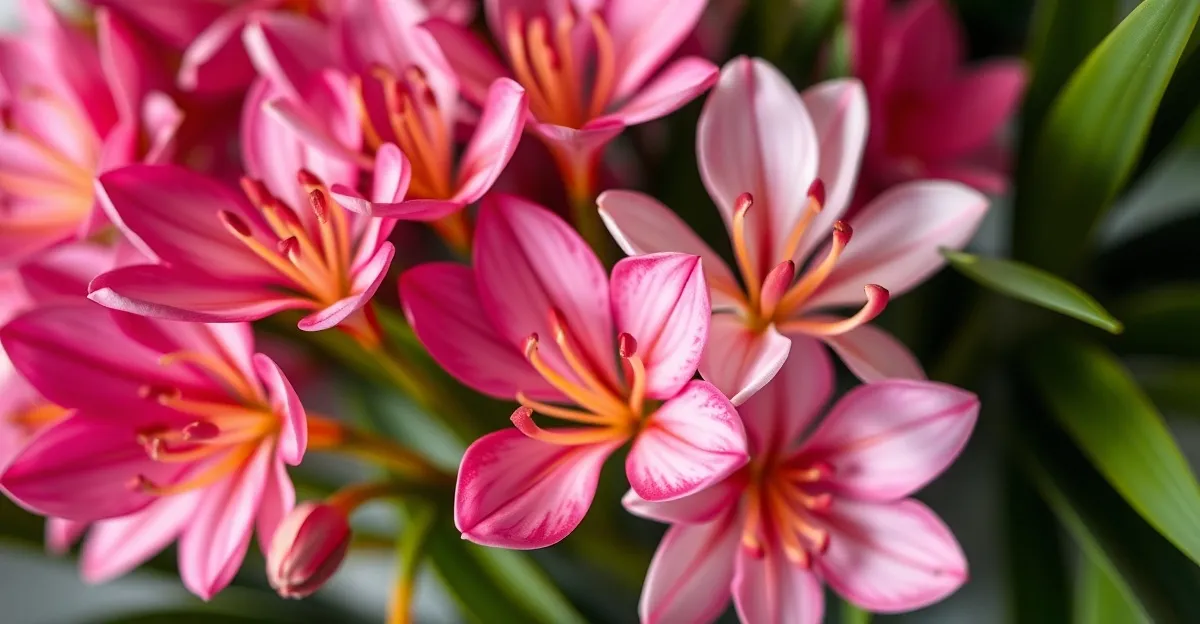
Bali is one of the most culturally complex places in the world to give flowers. You have a deeply traditional Balinese Hindu culture sitting alongside significant Chinese-Indonesian, Javanese Muslim, and Western expat communities — and each of these groups brings its own flower traditions, taboos, and expectations. Alstroemeria is generally a safe and cheerful flower, but like any gift-giving decision, context matters enormously. Here is what you need to know before you send that bouquet.
The Baseline: What Alstroemeria Symbolises
Alstroemeria's most commonly cited meanings are friendship, devotion, prosperity, and mutual support. None of these are inherently problematic in any Bali cultural context. The flower itself is not associated with mourning, bad luck, or spiritual danger in Balinese Hindu tradition, and it is not subject to the same level of cultural scrutiny as white flowers or certain lilies.
That said, there are situations and contexts where alstroemeria is not the ideal choice — and understanding why helps you become a more thoughtful giver.
When Colour Overrides Variety: The White Flower Question
In Balinese Hindu tradition, white flowers are sacred and are used extensively in ceremony — temple offerings, cremation rituals, purification ceremonies. White flowers carry a spiritual weight that distinguishes them from coloured flowers in everyday gift-giving.
White Alstroemeria at a Celebration
Bringing a bouquet of purely white alstroemeria to a Balinese person's birthday, housewarming, or other joyful occasion can be interpreted as inauspicious — associated more with ceremony and death than with celebration. This is not a universal rule, and more urbanised or internationally oriented Balinese individuals may not read it this way at all. But if you are unsure of your recipient's relationship to tradition, choose warm-coloured alstroemeria for celebrations.
Safe Rule of Thumb
For any celebratory occasion with a Balinese Hindu recipient: avoid pure-white bouquets. Mixed white-and-colour arrangements are generally acceptable because the white is balanced by celebratory tones.
When Alstroemeria Might Miss the Mark: Formal Occasions
Alstroemeria is a warm, friendly, and approachable flower. That is a virtue in most contexts, but there are formal Balinese ceremonial occasions where "warm and friendly" misses the register of the moment.
Temple Ceremonies and Religious Events
If you are invited to a significant Balinese temple ceremony — a major ngaben (cremation), an odalan (temple anniversary), or a tooth-filing ceremony — flowers as gifts in the Western sense are not typically appropriate. The correct offering is a carefully assembled canang sari or specific ceremony-appropriate arrangement, not a bouquet from a florist. Gifting a Western flower bouquet at a temple ceremony, regardless of the variety, could read as a cultural misunderstanding rather than a gesture of respect.
Ngaben (Cremation Ceremonies)
The Balinese cremation ceremony is a celebration of release rather than a Western funeral, and it is not the occasion for conventional sympathy flowers. The appropriate gesture is to respectfully attend, participate as guided by family members, and follow Balinese custom. Bringing flowers from a shop — including alstroemeria — is not the done thing.
Chinese-Indonesian Gifting Context
Bali has a significant Chinese-Indonesian community, particularly in areas like Denpasar and along trading corridors. Chinese flower traditions carry some specific considerations worth knowing.
Colours to Approach Carefully
In traditional Chinese gift-giving contexts, white flowers are associated with mourning and funerals. This applies to white alstroemeria specifically. For Chinese-Indonesian recipients, particularly in formal or older generations, avoid all-white or predominantly white bouquets for celebratory occasions.
The Number of Stems
In Chinese tradition, even numbers of flowers are associated with funerals; odd numbers are for celebrations. If presenting flowers to a Chinese-Indonesian host or family, an odd-numbered arrangement (five stems, seven stems, nine stems) is the considerate choice. This is a small detail that experienced Bali florists keep in mind when assembling custom arrangements.
Lucky Colours
Red and gold carry strong auspicious associations in Chinese tradition. Red alstroemeria is an excellent celebratory gift for Chinese New Year, business openings, and celebrations hosted by Chinese-Indonesian families.
Muslim Gift Contexts in Bali
While Bali is predominantly Hindu, there is a significant Muslim community in Denpasar and other parts of the island, and many visitors from Indonesia's majority-Muslim population visit or work in Bali.
No Specific Alstroemeria Taboo
There is no Islamic taboo against alstroemeria specifically. Flowers are a generally acceptable gift in Muslim contexts in Indonesia, and the concerns around flower colour or type are less significant than in Hindu Balinese or Chinese-Indonesian contexts.
Contextual Awareness
For Lebaran (Eid al-Fitr) gifting or visiting a family during religious observance, flowers are appropriate but should be cheerful and warm in tone — avoid anything that could be misread as funereal. Bright yellow, orange, or pink alstroemeria is a safe and warm choice.
Expat and Western Recipients: The Simpler Case
For Western expats and tourists in Bali, alstroemeria is almost universally appropriate. The main consideration is personal aesthetic preference rather than cultural taboo. Some people simply prefer other flowers — and that is worth paying attention to when choosing a gift.
The one thing worth noting for Western recipients who are health-conscious: alstroemeria contains small amounts of tulipalin, a compound in the sap that can cause mild skin irritation or, if consumed, digestive upset. It is not dangerous at typical exposure levels, but households with young children or pets (cats especially should not eat the leaves) should keep arrangements out of reach. This is not a reason to avoid gifting alstroemeria, but it is worth a brief mention if you know the recipient has toddlers or cats.
When Alstroemeria Is Always Wrong: Absolute Situations
There are a few situations where no flower is the right gift, and alstroemeria is included in this:
- During Nyepi (Bali's Day of Silence): No commerce, no movement, no deliveries. heyflower.co does not deliver on Nyepi, and a flower gift on this day is not appropriate.
- To a Balinese household during a ritual purification period: Some household rituals mark specific periods of spiritual transition during which outside gifts may not be appropriate. If in doubt, ask a trusted local.
For deeper context on cultural flower gifting in Bali's multicultural setting, how to write a sympathy flower card message covers the emotional and cultural dimensions of some of the most delicate gifting moments.
Practical Guide: Alstroemeria Gifting by Context
| Occasion | Recipient | Recommendation | | ----------------------- | ------------------ | ------------------------------------------- | | Birthday | Balinese Hindu | Warm colours only, avoid pure white | | Birthday | Chinese-Indonesian | Odd number of stems, avoid white | | Wedding | Any | Discuss with florist for cultural alignment | | Get-well | Any | Pink or yellow, avoid white | | Sympathy (non-Balinese) | Western | White acceptable | | Temple ceremony | Balinese Hindu | Not appropriate as a gift | | Business opening | Chinese-Indonesian | Red or warm-toned | | Eid celebration | Muslim | Bright and warm-toned |

The team
your florists
weekly subscription · Bali
We write about flowers because we love them. We deliver them because someone should — properly, weekly, across Bali.
— heyflowerPay once for 3, 6, or 12 months, no auto-renewal.
Navigating the Chinese New Year and Galungan Seasons
Two of Bali's most significant celebration seasons — Chinese New Year (Imlek) and the Balinese Galungan period — see increased flower gifting and heightened attention to what flowers communicate.
Chinese New Year (Imlek)
For Chinese-Indonesian recipients celebrating Imlek, flower colour choices follow Chinese auspicious principles clearly. Red and gold are optimal; warm tones (orange, coral, yellow) are also auspicious. White should be avoided. Alstroemeria in red or coral is an excellent Imlek gift — the warm tones align with Chinese New Year's celebratory palette, and the multiple blooms per stem create a visual sense of abundance that resonates with the season's themes of prosperity.
Present in odd numbers for celebration, not even numbers. A bouquet of five or seven alstroemeria stems is beautifully appropriate.
Galungan
During Galungan season, the entire island is in a heightened state of ceremonial activity. For non-Balinese residents and expats giving flowers to Balinese friends or colleagues during this period, warm-toned alstroemeria in celebratory colours is entirely appropriate as a gift. The ceremonial activities themselves are distinct from everyday gifting, and a thoughtful bouquet in the spirit of celebration is well-received.
The one consideration: avoid gifting during the most sacred ceremonial days if possible, when Balinese families are deeply occupied with ceremony preparation and may not have attention for receiving visitors. Gifting the day before or the day after significant ceremony dates is often more appropriate.
Frequently Asked Questions
Is alstroemeria used in Balinese Hindu offerings?
Not traditionally. Balinese offerings (canang sari) typically use specific local flowers with ritual significance — marigold, frangipani, hibiscus, and local blooms. Alstroemeria is not part of the traditional ceremonial palette. However, contemporary Balinese daily arrangements for villa or home decoration often include alstroemeria alongside local blooms.
Can I bring alstroemeria to a Balinese friend's home as a casual visit gift?
Yes, absolutely. A casual visit to a Balinese home is very different from a ceremonial occasion, and a bouquet of warm-coloured alstroemeria is a warm, generous gesture in most contexts.
Are there flowers completely unsuitable for gift-giving in Bali?
White flowers require care in timing and context. Chrysanthemums have funereal associations in Chinese and Japanese tradition. Beyond that, most common florist flowers are appropriate with colour and context considered.
What flowers are most universally safe for multicultural Bali gifting?
Tropical orchids, particularly dendrobium orchids in pink or purple, are the most culturally versatile choice in Bali. They carry positive associations across most of the island's cultural communities. Alstroemeria in warm tones is a close second.
How do I know if my Balinese recipient cares about flower symbolism?
When in doubt, ask your florist. We know our community. A quick conversation about the recipient and the occasion gives us the context to make the safest, most thoughtful choice for you.
Understanding the cultural nuance around flower gifting in Bali is part of what we do every day at heyflower.co. We help clients from every background find the arrangement that will land with warmth and respect. Visit heyflower.co for arrangements curated for every Bali occasion, and reach out if you would like personal guidance on the right choice for your situation.
More on Alstroemeria