Tumpek Wariga: the Balinese day for blessing plants and trees
Tumpek Wariga is the Balinese holy day dedicated to plants and trees. Learn its ritual significance, the flowers and plants involved, and why it matters for Bali's agricultural culture.
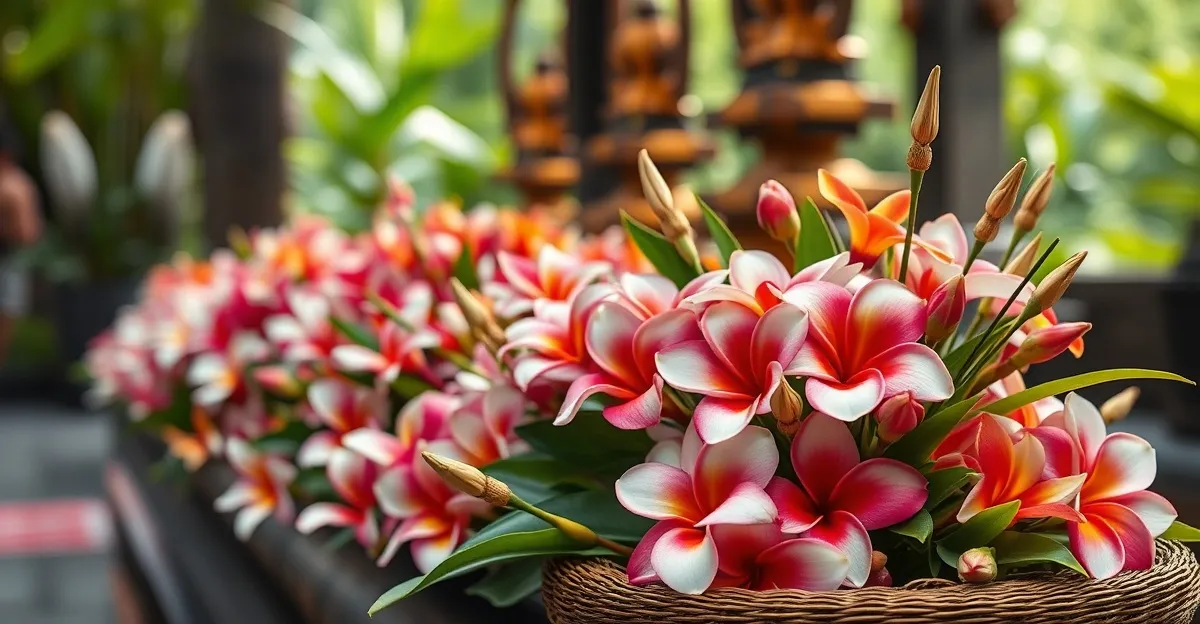
Every 210 days in the Balinese Pawukon calendar, the week of Wariga arrives — and on its Saturday (Saniscara), Tumpek Wariga is observed. This is the holy day dedicated to plants, trees, and all growing things. It's one of Bali's most ecologically grounded ceremonies, and in a culture where rice cultivation, garden fruits, and medicinal plants are woven into everyday life, Tumpek Wariga carries genuine agricultural and spiritual weight.
The day is also called Tumpek Pengatag, Tumpek Bubuh, or Tumpek Uduh in different parts of Bali. The name "bubuh" comes from a traditional rice porridge (bubuh) that is offered to trees on this day — smeared on trunks as an edible blessing. It's Bali's version of saying thank you to the plants that sustain life.
What Tumpek Wariga is about
Balinese Hinduism recognises that plants and trees are living beings with their own spiritual energy. Tumpek Wariga is the day to acknowledge that. Prayers and offerings are made to the plants in the family compound — fruit trees, rice plants, flowering shrubs, medicinal herbs, and any trees considered spiritually significant (particularly the frangipani, coconut, and banyan).
The central ritual involves placing offerings at the base of trees, smearing bubuh (rice porridge sweetened with palm sugar) on the trunk, and reciting prayers asking the plants to be fruitful, healthy, and abundant. A priest may be present for larger ceremonies; household ceremonies are often led by the head of the family.
The spiritual logic: just as humans are nourished by plants, so plants deserve to be nourished and acknowledged by humans. The relationship is reciprocal.
Flowers in Tumpek Wariga observances
Flowers play a specific role in Tumpek Wariga — both as offerings and as the subjects of the ceremony itself. Flowering trees and plants are given particular attention.
Frangipani trees (jepun): The frangipani tree is one of the most spiritually significant plants in Bali. Planted at compound entrances and temple grounds, it gives flowers for daily offerings year-round. On Tumpek Wariga, frangipani trees receive offerings and prayers. The flowers themselves — white or pink — are used in the canang sari placed at the tree's base.
Coconut palms: The coconut tree (nyuh) is probably the single most practically important tree in Balinese life — providing food, drink, oil, leaves for offering baskets, and wood. Coconut palms are blessed on Tumpek Wariga with a rice-flour dough figure (a small human form) tied to the trunk, asking the tree to be as fruitful as possible.
Marigolds and other flowering garden plants: Marigold bushes, hibiscus, and other flowering shrubs in the compound are included in the ceremony. Freshly cut marigold flowers are used in the offering baskets placed at their roots.
Rice plants: In farming communities, Tumpek Wariga involves prayers at the rice field — particularly if the rice is approaching the pre-harvest "pregnant" stage (the weeks before the ears emerge). Specific offerings with rice, flowers, and incense are placed at the field shrine.
Fragrant flowers for incense pairing: White champak (kemoning), gardenia (sandat), and tuberose are often incorporated into Tumpek Wariga offerings because their strong scent is associated with carrying prayers toward the divine. These flowers appear in incense holders and floating in water dishes around the offerings.
The connection between Tumpek Wariga and Balinese flower culture
Understanding Tumpek Wariga helps explain why flowers carry such weight in Balinese daily life. The Balinese don't just grow flowers because they're pretty — they grow them because flowers are sacred. Frangipani at the gate, marigolds in the yard, hibiscus in the hedge: all of these plants are spiritually part of the household, acknowledged on days like Tumpek Wariga.
This is also why Balinese flower markets have such depth. Pasar Kumbasari in Denpasar and the flower markets in Ubud and Gianyar carry an extraordinary range of ceremony flowers year-round — because demand is constant, and because Balinese ceremony knowledge is practical knowledge passed down through generations.
For non-Balinese residents and visitors, Tumpek Wariga is a useful lens for understanding why certain plants seem to be everywhere in Bali. The frangipani at every compound entrance isn't decorative — it's functional and spiritually necessary. The marigolds along village paths aren't garden design — they're a living offering supply.
Observing Tumpek Wariga as a visitor or expat
If you're living in Bali and want to acknowledge Tumpek Wariga in some way:
Water and care for any plants in your garden or villa: It's a straightforward act that aligns with the spirit of the day.
Place a simple offering at the base of a significant tree: If you have a frangipani tree on your property, placing a canang sari (small offering tray with marigolds and frangipani) at its base on Tumpek Wariga is a respectful gesture. You can purchase pre-made canang sari from any market or local seller.
Visit a botanical garden or plant market: The Bali Botanic Garden (Kebun Raya Bali) near Bedugul, or the plant markets along Jalan Imam Bonjol in Denpasar, are worth visiting around Tumpek Wariga — you'll often see offerings placed at significant trees.
Ask Balinese neighbours or staff: If you have Balinese household staff or neighbours, Tumpek Wariga is a good day to ask about the plants on the property. Most Balinese people are genuinely happy to share this knowledge.

The team
your florists
weekly subscription · Bali
We write about flowers because we love them. We deliver them because someone should — properly, weekly, across Bali.
— heyflowerPay once for 3, 6, or 12 months, no auto-renewal.
Seasonal plant availability on Tumpek Wariga
Because Tumpek Wariga occurs every 210 days (roughly every seven months), it can fall at different points in Bali's wet and dry seasons. The ceremony's connection to plant abundance means it has a different feel depending on when it falls.
In the wet season months (November to March), plants in Bali are generally lush and flowering freely. Marigolds, frangipani, and tropical garden flowers are all in abundance. In the dry season months (May to September), some garden plants need more care — watering is more deliberate, and some flowers are less prolific.
For a detailed look at what flowers are available when in Bali, bali dry season blooms: what peaks May-Sep covers the dry season period specifically.
Tumpek Wariga in the broader Tumpek calendar
There are six Tumpek days in the Pawukon calendar, each dedicated to a different category of created things:
- Tumpek Wariga: Plants and trees
- Tumpek Kandang: Animals
- Tumpek Landep: Iron and sharp instruments (weapons, tools)
- Tumpek Kuningan: Ancestors and deities (this is Kuningan day)
- Tumpek Krulut: Musical instruments
- Tumpek Wayang: Shadow puppets (sacred Wayang Kulit puppets)
Seeing them together makes clear that Balinese Hinduism doesn't separate the sacred from the material — tools, animals, plants, art forms, and musical instruments all deserve acknowledgment and blessing. It's a cosmology of reciprocity that extends to every dimension of daily life.
FAQ
How often does Tumpek Wariga occur? Every 210 days, following the Balinese Pawukon calendar cycle. It always falls on Saturday (Saniscara) of the Wariga week.
What is the rice porridge (bubuh) tradition on Tumpek Wariga? Families prepare bubuh (rice porridge) sweetened with palm sugar and smear it on tree trunks as an offering — essentially feeding the tree. It's a tactile, intimate gesture of care and gratitude.
Do non-Balinese people need to do anything on Tumpek Wariga? No specific obligation, but acknowledging the day by caring for garden plants or placing a simple offering at a significant tree is appreciated and culturally resonant.
What happens at rice fields on Tumpek Wariga? Farming families visit their rice fields and make offerings at the field shrine, particularly if the rice is in its pre-harvest phase. Prayers ask for a healthy harvest and protection of the crop.
Where can I find out the next Tumpek Wariga date? Bali ceremony calendar apps, Indonesian tourism authority websites, or local temple noticeboards will have the date. Your hotel concierge or Balinese staff will also know.
Ready to bring fresh flowers to your Bali home or event? Explore our weekly flower subscription and get handpicked blooms delivered to your door every week.



