The history and origin of the sweet pea
From a Sicilian monk's discovery to Victorian obsession and beyond — the fascinating history of sweet peas and how they found their way to Bali's flower markets.
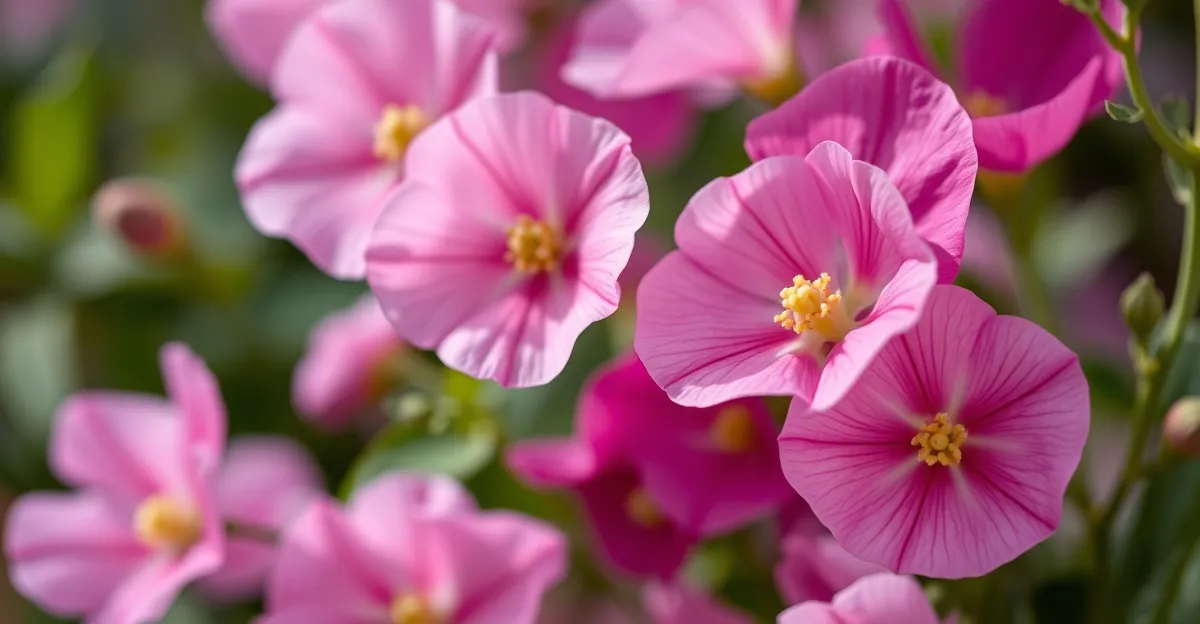
Walk into almost any florist in Seminyak or Ubud during the dry season and you'll likely spot sweet peas somewhere in the refrigerated section — those papery, ruffled blooms in pinks, mauves, and creams that smell like something from another era. They feel timeless in the way that genuinely old things do, and that instinct isn't wrong. Sweet peas have a history stretching back more than 300 years, with a story that moves from a Sicilian monastery to the cutting gardens of English country houses to, eventually, the flower markets of Denpasar.
The origin: a Sicilian monk in the 1690s
The sweet pea (Lathyrus odoratus) was first formally documented by a Franciscan friar named Francisco Cupani in Sicily, sometime around 1695–1699. Cupani found the plant growing wild in the Sicilian hills — a small, modest climber with bicolour purple-and-magenta flowers and an intensely sweet fragrance. He recognised it as something worth sharing with the wider botanical world.
In 1695, Cupani sent seeds to several other botanists across Europe, including to England, where the plant's potential would eventually be recognised on a scale he couldn't have imagined. He formally described it in his botanical work Hortus Catholicus in 1697, giving it the name Lathyrus odoratus — "fragrant flat pea" in rough translation from the Latin.
The plant arrived in Britain around this time through Dr. Robert Uvedale, a schoolmaster in Middlesex who maintained an extensive botanical garden. From Uvedale's garden, sweet peas slowly circulated among English botanists and enthusiastic gardeners throughout the early 18th century.
The rise of the sweet pea in Victorian England
For the first century or so after Cupani's documentation, sweet peas were grown and appreciated, but remained relatively unchanged from their wild Sicilian ancestors — modest, bicoloured, fragrant, but not the multicoloured, large-flowered spectacle they would become.
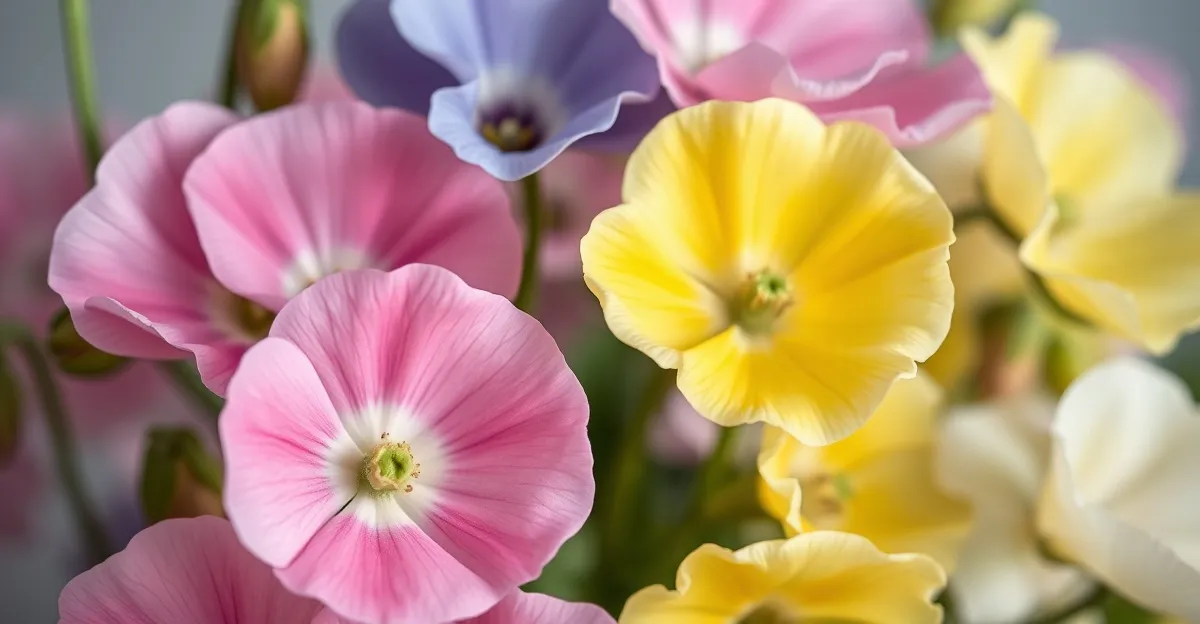
The transformation came in the 19th century. Breeders in England, particularly Henry Eckford — a Scottish nurseryman working from Wem in Shropshire — began systematic breeding work on sweet peas from around 1870 onwards. Over several decades, Eckford developed more than 100 new varieties in an unprecedented range of colours: pale blush, deep salmon, scarlet, mauve, lavender, dark purple, white, and countless intermediates.
Eckford's work coincided with the Victorian passion for flowers and gardening, and sweet peas became a cultural phenomenon. By 1900, there was a dedicated Sweet Pea Society in Britain. Annual sweet pea shows attracted huge public interest. Seed catalogues listed dozens of varieties, and growing sweet peas became fashionable across all classes of society — from cottage gardens to grand estates.
A key moment in this period was the discovery of the "Spencer" mutation, named after the Countess Spencer. Around 1901, a gardener named Silas Cole working at Althorp (the Spencer family estate, later famous for another reason) noticed a plant with unusually large, wavy-edged flowers. The mutation produced a distinctly more ornate bloom — what we now recognise as the modern garden sweet pea. Spencer-type sweet peas spread rapidly and essentially replaced Eckford's grandifloras within a generation.
Sweet peas in the early 20th century
The early decades of the 20th century saw sweet peas at the height of their cultural prominence in Britain, Europe, and increasingly in America and Australia. They were the flower of Edwardian England — light, romantic, optimistic, faintly nostalgic even while still new.
The language of flowers (floriography) that was so popular in the Victorian and Edwardian eras assigned sweet peas specific meanings: blissful pleasure, delicate beauty, departure, and good wishes. Giving sweet peas said, in the elaborate grammar of that era, something like "I hope you are happy; I find you beautiful; I wish you well." It was a generous flower to give.
Their popularity dipped somewhat through the mid-20th century — modernism and minimalism weren't especially hospitable to the sweet pea aesthetic — but they never disappeared entirely. A revival began in the late 1980s and has continued since, driven partly by the broader cottage garden revival and partly by the cut flower industry's appreciation for their unique fragrance.
How sweet peas arrived in the Indonesian flower market
Indonesia's cut flower industry has grown substantially since the 1980s. The highlands of Java — particularly the Lembang area near Bandung and parts of East Java — developed as production zones for temperate-origin cut flowers that couldn't be grown commercially in Indonesia's hot lowlands.
Sweet peas entered this market as demand for imported aesthetics in Indonesian floral design grew, particularly through the wedding industry and through Bali's tourism-driven demand for luxury florals. Bali's position as a destination wedding and luxury resort island created a market for flowers that feel European and romantic — roses, peonies, ranunculus, and sweet peas all benefitted from this demand.
Today, sweet peas appear in Bali's flower markets primarily between June and September, sourced from highland Java and occasionally from highland Balinese growers in the Bedugul area. They remain a premium product compared to locally grown flowers — their fragility and supply chain complexity keeps prices higher than hardier tropical alternatives.

The team
your florists
weekly subscription · Bali
We write about flowers because we love them. We deliver them because someone should — properly, weekly, across Bali.
— heyflowerPay once for 3, 6, or 12 months, no auto-renewal.
The flower today: breeding and varieties
Modern sweet pea breeding continues, with hundreds of named varieties available globally. Contemporary breeding tends to focus on heat tolerance (to expand the flower's viable growing range), vase life (critical for the cut flower trade), and colour range (always expanding). There are now sweet pea varieties that perform marginally better in warm conditions, though none have been fully adapted to lowland tropical climates.
For context on how sweet peas compare to other flowers with similarly rich histories, the history of the calla lily makes for an interesting parallel — another flower with a European artistic legacy that found its way into tropical floral culture.
The fragrance of sweet peas remains their defining characteristic, and notably, some modern varieties have lost intensity of scent in the pursuit of larger flowers or more unusual colours. Older heirloom varieties — Spencer grandifloras and pre-Spencer types — tend to have stronger fragrance. Enthusiasts often seek these out specifically, even if the flowers are somewhat smaller.
FAQ
Who first discovered the sweet pea? The Franciscan friar Francisco Cupani of Sicily is credited with first formally documenting the sweet pea in the late 1690s. He found it growing wild in the Sicilian hills and sent seeds to botanists across Europe.
When did sweet peas become popular as garden flowers? The major period of sweet pea popularity was the late Victorian and Edwardian era (roughly 1870–1914), when breeders like Henry Eckford developed the huge colour range that characterises modern garden sweet peas.
What does "Spencer sweet pea" mean? Spencer sweet peas refer to a mutation first noticed around 1901 in the gardens of Althorp (the Spencer family estate) that produced large, wavy-edged flowers. All modern large-flowered sweet peas are essentially descended from or influenced by this mutation.
Do modern sweet peas smell as strong as old varieties? Not always. Some commercial breeding has prioritised flower size and vase life at the expense of fragrance. Heirloom or heritage varieties, such as old Spencer types, tend to have stronger fragrance than some modern cultivars.
How did sweet peas end up in Bali's flower markets? Through Indonesia's highland cut flower industry, primarily in the Lembang/Bandung area of West Java. Demand from Bali's wedding and luxury hospitality market created a commercial reason to grow and supply sweet peas to the island.
Ready to bring fresh flowers to your Bali home or event? Explore our weekly flower subscription and get handpicked blooms delivered to your door every week.
More on Sweet pea