The History and Origin of the Magnolia
Explore the ancient history of the magnolia flower — from its 95-million-year origins to its role in Chinese tradition, Victorian gardens, and modern Bali floristry.
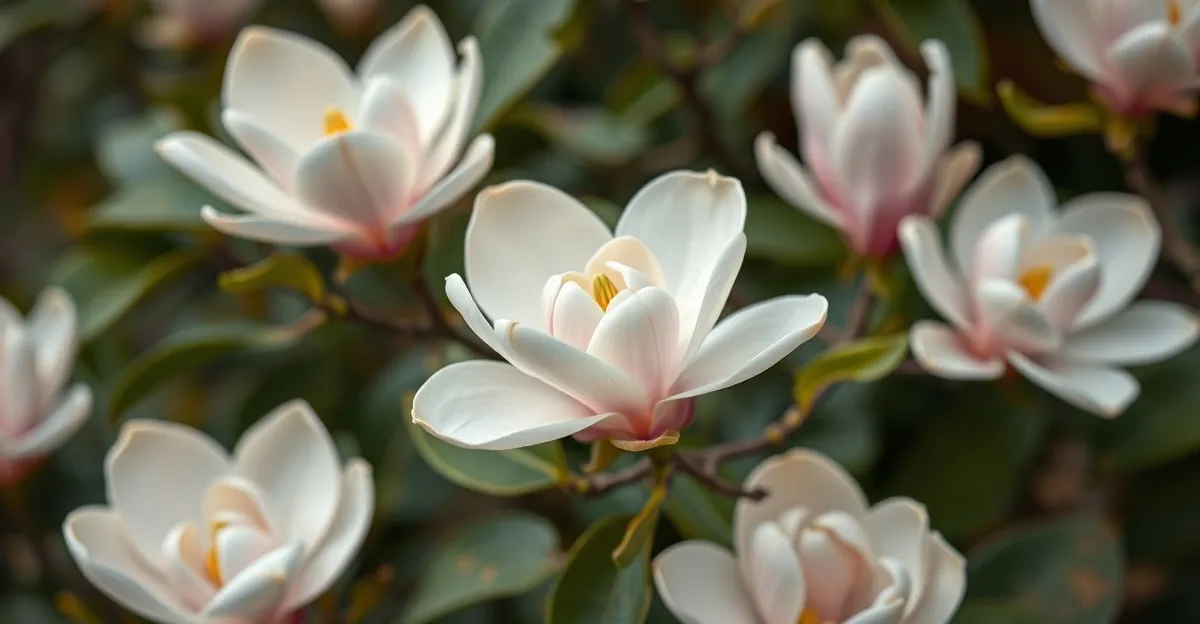
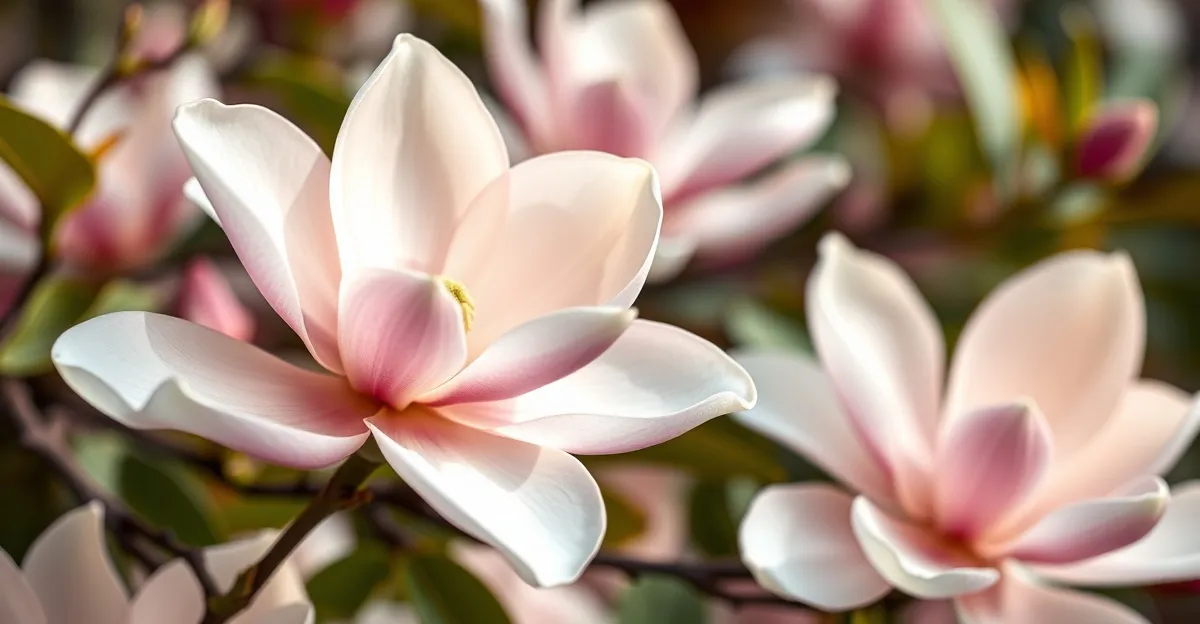
There are very few flowers that can claim a history as long as the magnolia's. When botanists examined magnolia fossils discovered in North America and Europe, they found specimens dating back approximately 95 million years — well before bees existed. The magnolia, in other words, predates the creatures we most associate with flower pollination. It evolved to be fertilised by beetles, and its flowers developed tough, waxy petals precisely to withstand the trampling of these early pollinators.
That kind of ancient endurance is built into the magnolia's character, and it helps explain why this flower has accumulated so much cultural, symbolic, and horticultural significance over the millennia.
Ancient Origins: The World's Oldest Flowering Tree?
Magnolia is one of the most primitive flowering plants still in existence. Its position in the evolutionary record suggests that it appeared before flowering plants had developed the nectar-guiding structures and refined petal forms that most modern flowers possess. The broad, sturdy petals of a magnolia are essentially unchanged from their 95-million-year-old ancestors — a kind of living fossil preserved in a flower form that has proven endlessly beautiful across every era of human history.
The genus Magnolia is named after Pierre Magnol, a French botanist who lived from 1638 to 1715. Magnol was one of the founders of the concept of plant families (genera), and the naming of this ancient genus after him was a tribute to his contributions to botanical classification. The irony is that Magnol himself never saw the flowers that bear his name — the plants existed in Asia and the Americas long before European naturalists became aware of them.
Magnolia in Chinese History and Culture
The magnolia's deepest cultural roots are in China, where the flower has been revered for over 2,000 years. In the Tang Dynasty (618–907 AD), white magnolia flowers were cultivated exclusively for the emperors — planted in the grounds of the imperial palace at Chang'an (modern Xi'an) and used as symbols of imperial purity and noble character.
The Poet's Flower
Chinese poets of the Tang and Song dynasties wrote extensively about magnolia. The flower appeared in classical verse as an emblem of transient beauty, feminine grace, and spiritual aspiration. Wang Wei, one of the Tang Dynasty's most celebrated poet-painters, described magnolia blooms opening on bare branches in early spring as a vision of effortless perfection — beauty appearing without effort or adornment.
This association with effortlessness and natural nobility has persisted in Chinese culture to the present day. The magnolia is the official city flower of Shanghai, where it represents the city's sophisticated character and ambition.
Traditional Medicine
Beyond aesthetics, magnolia bark (houpo) and flower buds (xinyi) have been used in traditional Chinese medicine for over 2,000 years. Magnolia bark is used for digestive issues and anxiety; the dried flower buds are prescribed for nasal congestion and sinus conditions. Contemporary pharmacology has confirmed that compounds in magnolia bark — particularly honokiol and magnolol — have genuine anti-anxiety and anti-inflammatory properties.
Magnolia in Japanese Tradition
Japan's relationship with magnolia runs parallel to China's, though with distinct cultural emphases. The kobushi magnolia (Magnolia kobus) is native to Japan and has been used in traditional Japanese festivals and folk medicine for centuries.
The Signal of Spring
In Japanese agricultural tradition, the opening of kobushi magnolia blossoms was used as a signal for rice planting. Farmers in rural Japan would watch for the flower's appearance on bare branches in early spring as a reliable indicator of soil temperature reaching the right level for cultivation. This practical ecological knowledge elevated the magnolia from a decorative flower to a fundamental part of Japan's agricultural calendar.
Buddhist Associations
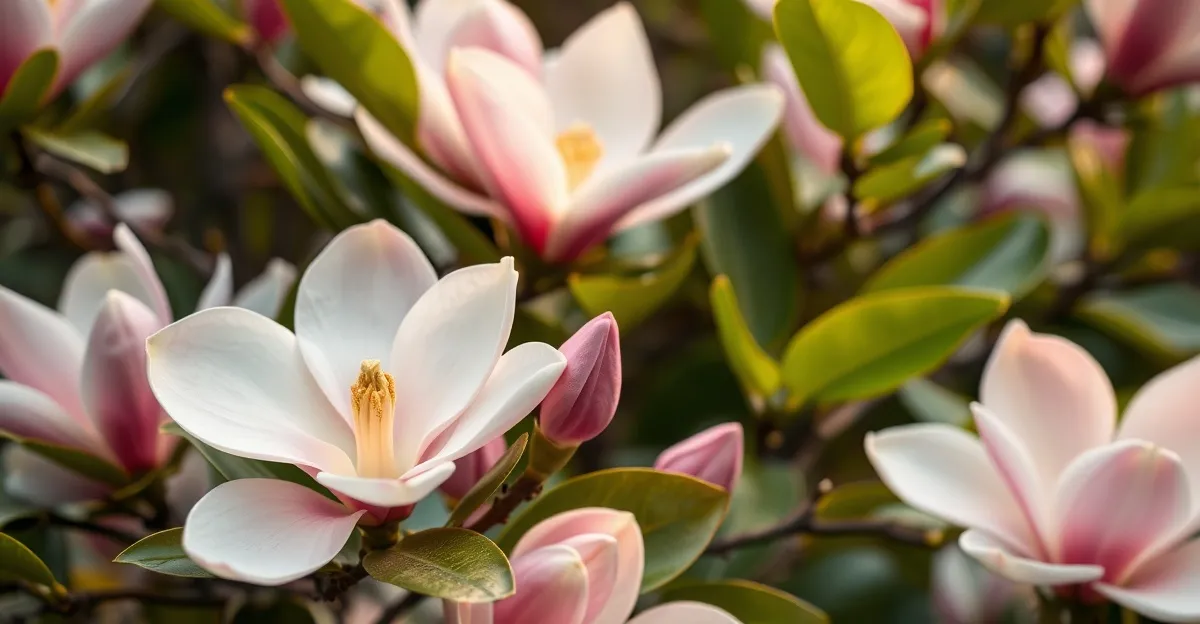
The magnolia holds significance in Japanese Buddhism as well. The Buddha is sometimes depicted seated near a magnolia tree, and the flower's association with purity and spiritual awakening — blooming white and immaculate on bare wood before any leaves appear — makes it a natural symbol for Buddhist concepts of enlightenment arising from emptiness.
Magnolia in the Americas
While Asia claims the deepest cultural relationship with magnolia, the Americas have their own distinct magnolia heritage. Numerous magnolia species are native to North and Central America, and Indigenous peoples across these regions used magnolia for practical and ceremonial purposes long before European contact.
Southern Magnolia and American Identity
In the American South, Magnolia grandiflora (Southern magnolia) became so deeply embedded in regional identity that it is still the state flower of Mississippi and Louisiana. The flower's association with the American South carries layers of cultural meaning — gentility, endurance, and a particular version of beauty that is inseparable from place.
Mexican and Central American Species
In Mexico and Central America, magnolia species were used by Aztec and Maya peoples in traditional medicine and ceremony. Spanish missionaries documented the medicinal use of magnolia bark by indigenous healers in the 16th century.
The Arrival of Magnolia in European Gardens
When European explorers and traders began returning from Asia and the Americas in the 17th and 18th centuries, magnolia was among the plant discoveries that generated the most excitement among European botanists and garden designers.
The First European Magnolia
The first magnolia planted in Europe is generally credited to Pierre Magnol himself, who grew specimens in his garden in Montpellier, France in the late 17th century. By the mid-18th century, magnolia had spread to the great gardens of England, and it quickly became one of the most coveted flowering trees among aristocratic gardeners.
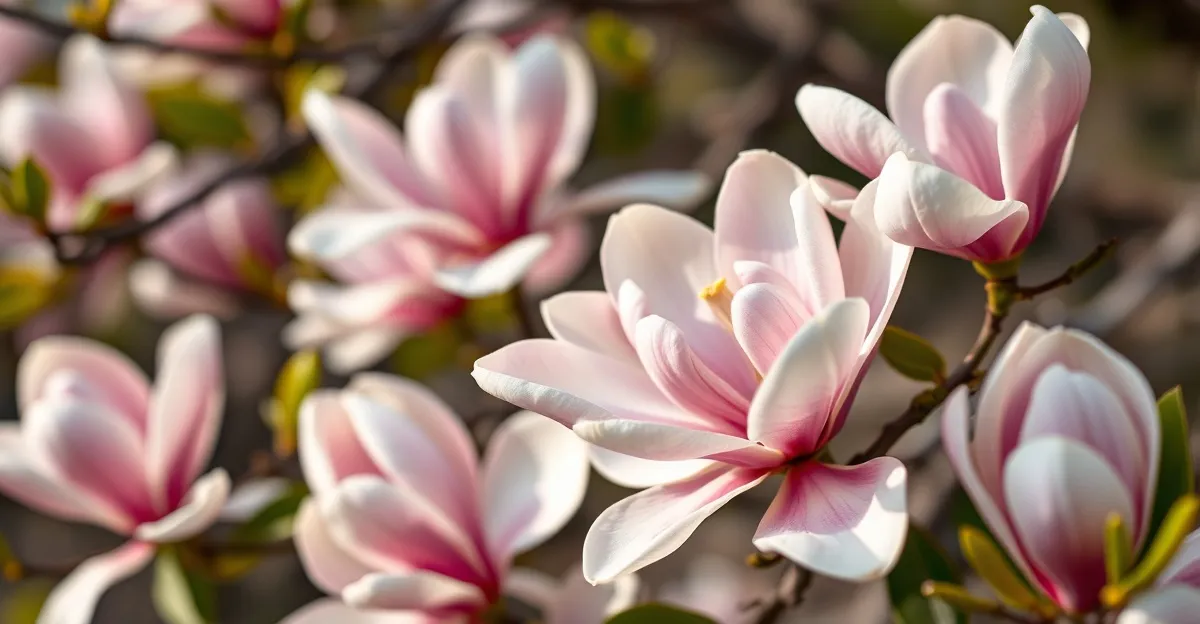
The magnolia's visual drama — enormous blooms appearing on bare branches before any leaves, creating an almost otherworldly vision in English spring gardens — made it an instant sensation in a culture that prized botanical novelty.
The Plant Hunters' Prize
Through the 18th and 19th centuries, botanical expeditions to China, Japan, and the Americas brought back dozens of new magnolia species to European cultivation. The plant hunter Ernest Wilson alone introduced multiple new Chinese magnolia species to Western cultivation in the early 20th century. Each new species generated excitement and hybridisation experiments that continue to produce new magnolia varieties today.

The team
your florists
weekly subscription · Bali
We write about flowers because we love them. We deliver them because someone should — properly, weekly, across Bali.
— heyflowerPay once for 3, 6, or 12 months, no auto-renewal.
Magnolia in Southeast Asia and Bali's Context
The magnolia family has its own distinct presence in Southeast Asia, distinct from the ornamental species cultivated in Western gardens. Michelia species — particularly Michelia champaca (cempaka in Balinese) — are native to and deeply embedded in the cultures of the region.
In Bali, cempaka's fragrant blooms have been used in temple offerings, royal ceremonies, and everyday spiritual practice for as long as Balinese Hindu culture has existed. The flower's fragrance is associated with the divine feminine and with the goddess Saraswati.
This means that while the magnolias sold in modern Bali florist arrangements largely come from Java or overseas, the deeper botanical family to which they belong has roots in Balinese culture that go back centuries.
For a deeper understanding of how the Balinese relationship with magnolia-family flowers connects to ceremony and daily life, our guide to magnolia in Balinese ceremonies explores those connections in detail.
Magnolia's Modern Renaissance
After decades when magnolia was somewhat overlooked in contemporary flower culture — seen as old-fashioned or too dramatic — the flower has experienced a significant renaissance in modern floristry. The contemporary emphasis on sculptural, architectural arrangements, on flowers that make confident statements rather than whispering prettily, has placed magnolia back at the center of high-end floral design.
From luxury hotel lobbies in Bali to Instagram-celebrated wedding florals in Paris and New York, magnolia is consistently chosen when the brief calls for something that combines natural beauty with genuine presence.
The 95-million-year track record helps. A flower that has survived that long clearly knows what it is doing.
Frequently Asked Questions
How old is the magnolia as a species?
Magnolia fossils have been found dating back approximately 95 million years, making it one of the oldest flowering plants still in existence. It evolved before bees existed and was originally pollinated by beetles.
Who named the magnolia?
The genus was named after Pierre Magnol (1638–1715), a French botanist who made important contributions to botanical classification. He is often credited as one of the founders of the concept of plant families.
Why is magnolia important in Chinese culture?
Magnolia has been cultivated in China for over 2,000 years. During the Tang Dynasty, it was an imperial flower grown exclusively in palace gardens. It appears extensively in classical Chinese poetry and art as a symbol of purity, feminine beauty, and noble character.
What is the connection between magnolia and Buddhism?
In Japan particularly, magnolia has associations with Buddhist concepts of spiritual purity and enlightenment. The flower blooms white and pure on bare wood before any leaves appear, which resonates with the Buddhist concept of awakening arising from emptiness.
Is cempaka (Michelia champaca) really a type of magnolia?
Yes. Michelia champaca is a member of the Magnoliaceae family, making it a botanical relative of the magnolias cultivated in Western gardens. In Bali, cempaka is the most culturally significant member of this family and is used extensively in temple offerings and ceremonies.
The magnolia carries 95 million years of botanical elegance into every arrangement it graces. At heyflower.co, we celebrate flowers with stories as rich as their fragrance. Explore our flower subscription plans and bring that history into your home in Bali.
More on Magnolia