Magnolia in Balinese Ceremonies: Traditional Uses in Bali
Discover how magnolia-family flowers, especially cempaka, are used in Balinese Hindu ceremonies, temple offerings, and spiritual practices across the island.
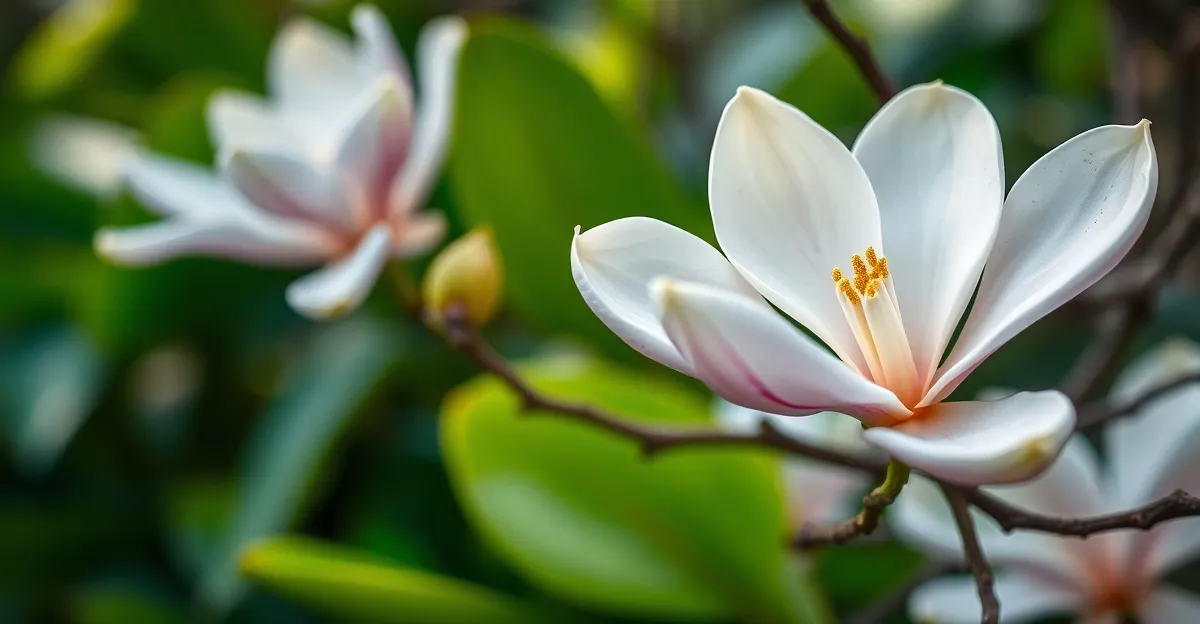
Walk through any Balinese village in the early morning and you will encounter it: small palm-leaf baskets (canang sari) laid at doorways, shop fronts, and temple gates, each one holding a selection of flower petals in white, yellow, red, and pink. Among those petals, you will almost certainly find cempaka — the Balinese name for Michelia champaca, a member of the magnolia family that has been at the heart of Balinese Hindu ceremony for as long as the religion has existed on the island.
Understanding how magnolia-family flowers function in Balinese ceremony is not merely interesting cultural knowledge — it fundamentally shapes how flowers are used, purchased, and gifted across the island. As a florist working in Bali, this context informs everything we do.
Cempaka: The Sacred Magnolia of Bali
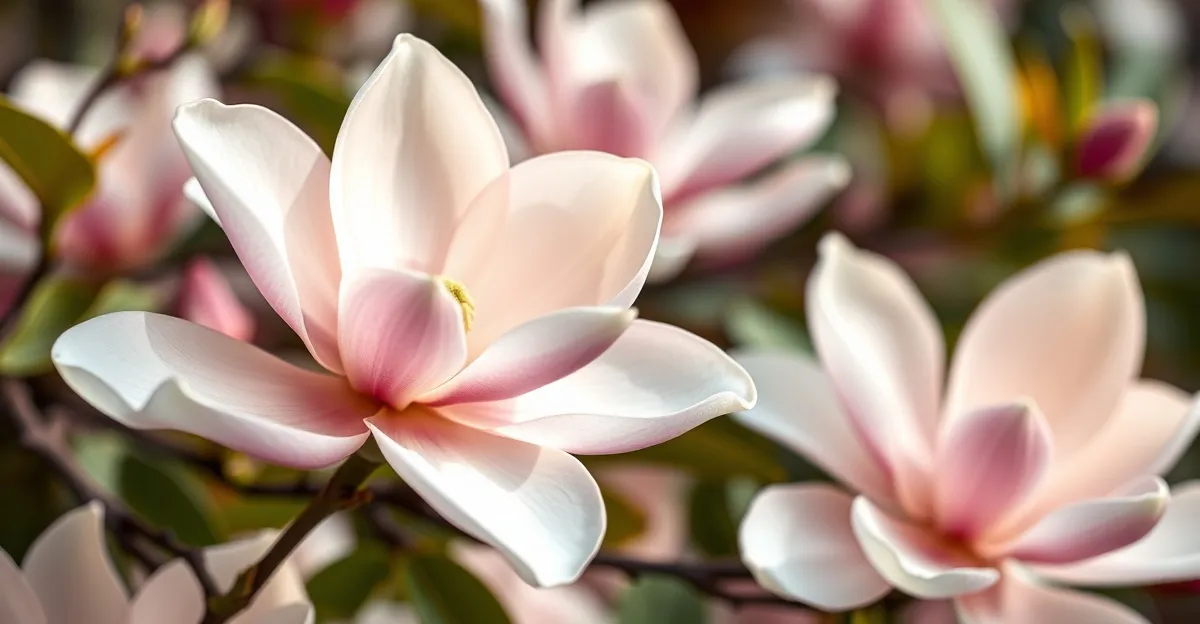
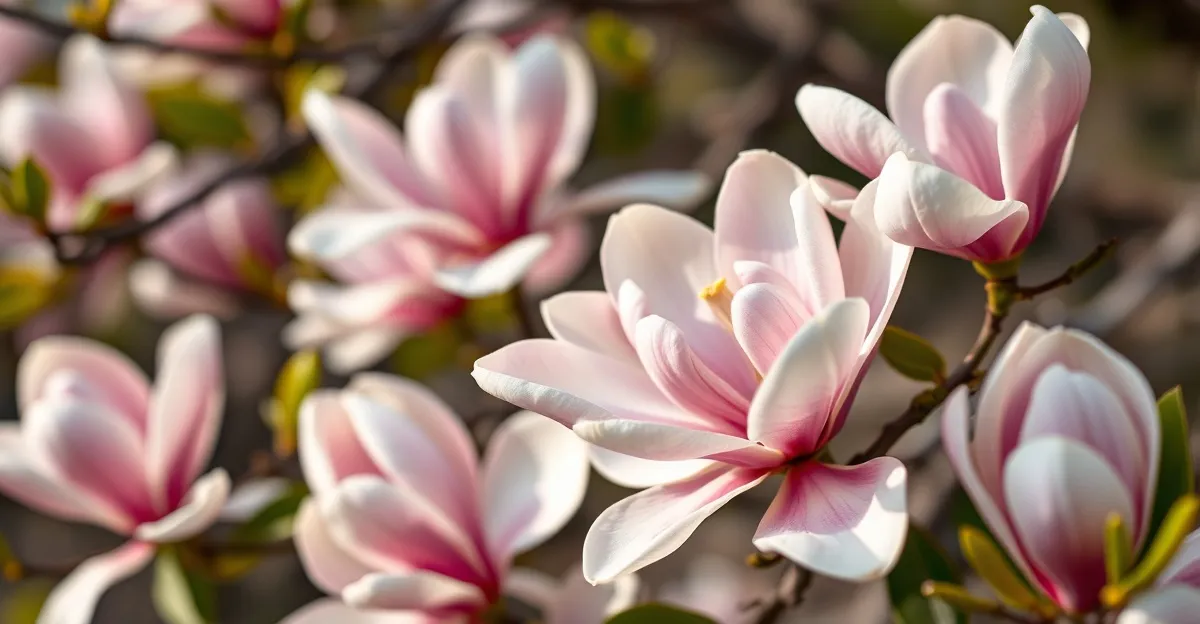
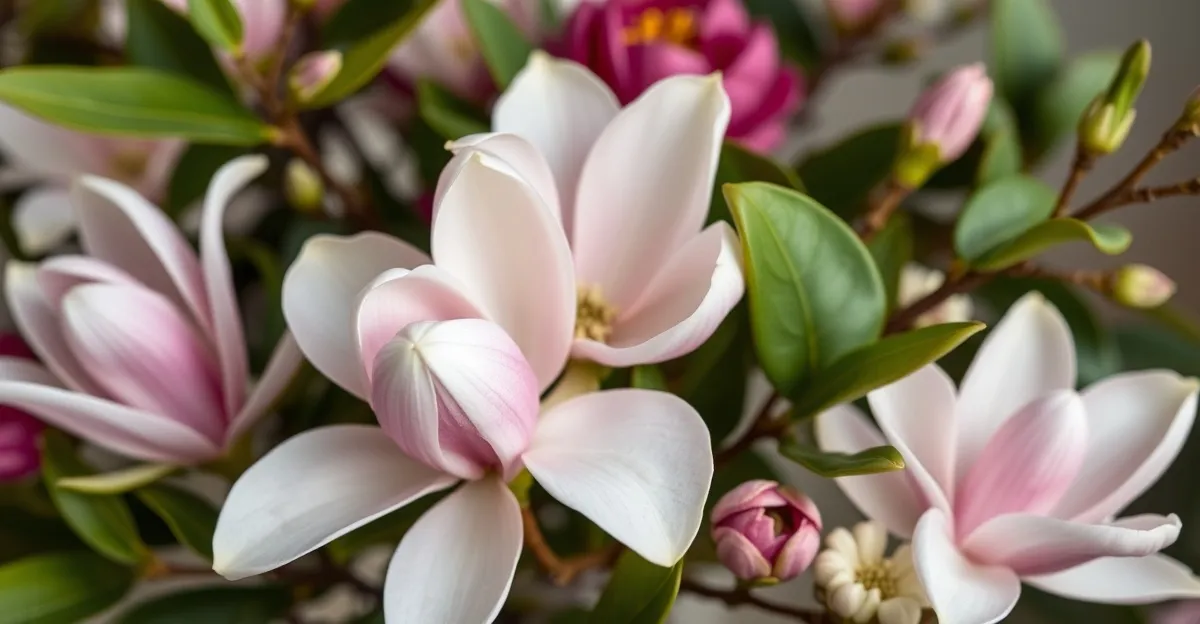
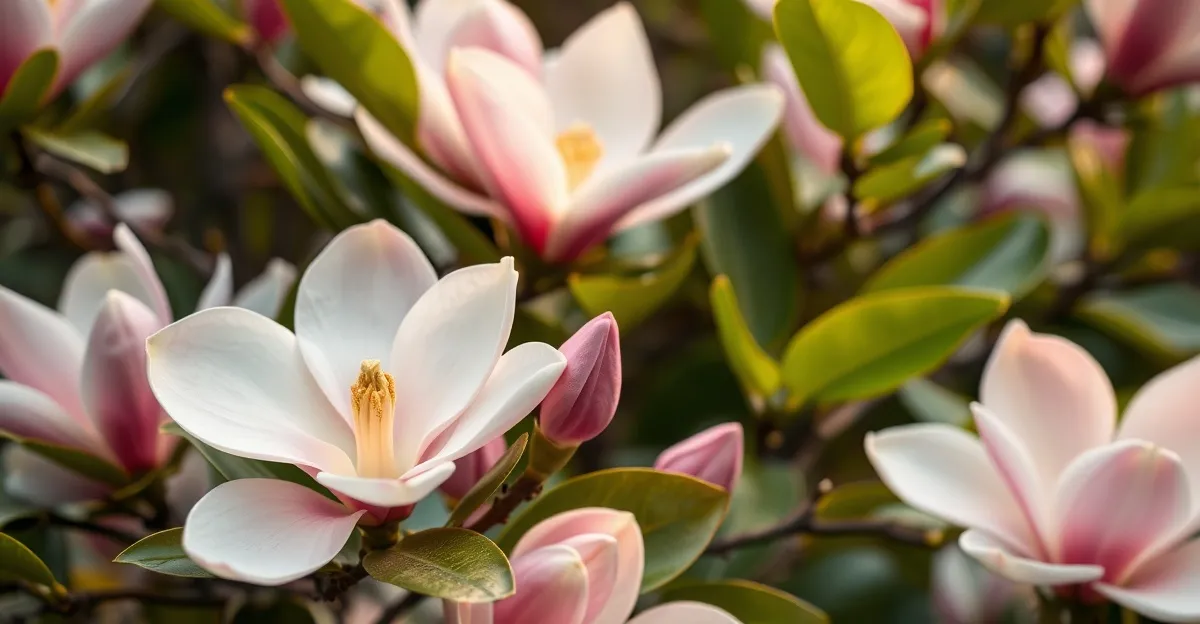
Michelia champaca — cempaka — is arguably the most spiritually significant flowering tree in Bali. The tree grows across the island's temples, palace compounds, and family pekarangans (residential compounds), and its blooms are gathered daily for use in offerings.
There are two primary varieties of cempaka used in Balinese ceremony:
Cempaka kuning (yellow cempaka) — the yellow-flowered variety, intensely fragrant, associated with the god Vishnu and used in offerings directed toward male divine energies.
Cempaka putih (white cempaka) — the white-flowered variety, associated with the goddess Saraswati (the goddess of knowledge, arts, and learning) and used in offerings and ceremonies with a spiritual purification dimension.
Both varieties carry an extraordinary fragrance — sweet, warm, and complex — that is as much a part of Balinese ceremony as any visual element.
The Canang Sari: Daily Floral Offering
The canang sari is the foundational daily offering of Balinese Hinduism. Prepared predominantly by women in the early morning, these small offerings are placed at shrines, crossroads, doorways, and sacred points throughout the day as an expression of gratitude to the divine.
Flower Placement Within Canang Sari
The placement of flowers within a canang sari is not arbitrary — it follows a precise system in which colors and flowers correspond to the four cardinal directions and their associated divine forces:
- White flowers (East) — associated with the god Iswara, representing purity and new beginnings. White cempaka is among the flowers used here.
- Red flowers (South) — associated with Brahma, representing creative force
- Yellow flowers (West) — associated with Mahadeva, representing prosperity. Yellow cempaka is a primary choice here.
- Blue/Black flowers (North) — associated with Vishnu, representing preservation
The center of the canang sari typically holds the most fragrant flowers available — and cempaka, with its powerful fragrance, is prized for this central position.
Why Fragrance Matters Spiritually
In Balinese Hindu practice, fragrance (harum) is considered a carrier of spiritual energy. The scent of flowers in an offering is believed to be perceptible to the divine — a form of communication beyond the visual. This is why the most fragrant flowers carry the highest spiritual value in offering contexts. Cempaka's extraordinary fragrance makes it among the most valued offering flowers on the island.
Piodalan: Temple Ceremonies
Piodalan are the regular temple anniversary celebrations observed at every Bali temple — occurring every 210 days according to the Balinese Pawukon calendar. During piodalan, the volume of flower use multiplies dramatically. Offerings become more elaborate, temple decorations involve complex arrangements of flowers and palm leaves, and the entire compound is dressed with floral material.
During major piodalan, cempaka trees throughout the compound may be in heavy demand for their blooms, with women gathering flowers before dawn to ensure sufficient supply for the day's offerings.
Gebogan: The Tower Offering
One of the most striking visual expressions of Balinese ceremony is the gebogan — a tall tower offering made from stacked fruits, flowers, and palm-leaf decorations that women carry on their heads to temple. These extraordinary objects are works of floral art, and cempaka often features prominently among the fresh flowers incorporated into the tower's upper sections.
Saraswati Day: The Ceremony of Learning
Saraswati Day is among the most beautiful Balinese ceremonies and has a specific connection to cempaka putih (white cempaka). Observed every 210 days according to the Pawukon calendar, Saraswati Day celebrates the goddess of knowledge, arts, and learning.
On this day, books are not read — they are honored. Students, scholars, and anyone who works with knowledge and creativity bring offerings that include white cempaka blooms. The goddess Saraswati's iconography specifically includes the magnolia family flower — she is depicted holding a white bloom that most Balinese identify with cempaka putih.
For expats and visitors in Bali who work in creative or intellectual fields, participating in Saraswati offerings — even at a general level — carries a beautiful resonance.
Otonan: Personal Birthday Ceremonies
Otonan is the Balinese birthday celebration, occurring every 210 days according to the Pawukon calendar rather than annually. These personal celebrations involve family prayers and offerings, and the specific flowers used can reflect the spiritual associations of the individual's birth week.
For individuals born during weeks associated with Saraswati or Vishnu, cempaka flowers carry particular significance in otonan offerings. Family members who understand these associations will include specific flowers in personal ceremony preparations.
The Language of Flowers in Balinese Cosmology
The Balinese relationship with flowers goes beyond offering mechanics. Within Balinese cosmological understanding, specific flowers are not just symbols of divine forces — they are understood to carry those forces within them. Treating flowers with the right intention and care before they are used in offerings is part of the offering's effectiveness.
This means that commercially arranged cut flowers, sourced through supply chains and handled many times before use, are generally not used in traditional Balinese offerings. Freshness, care, and spiritual intention in the gathering process are all considered part of the offering's quality.
For modern Balinese families who cannot grow their own cempaka, buying from market sellers who source from temple compounds and handle flowers with appropriate care is preferred over sourcing from general florists.
How This Context Shapes Bali's Flower Culture
Understanding that magnolia-family flowers have deep sacred associations in Bali shapes several practical realities for anyone working with flowers here:
Cempaka availability fluctuates with the ceremonial calendar — in the days before major Balinese ceremonies, market supply of cempaka tightens considerably as demand for offerings absorbs supply.
Fragrance matters as much as visual beauty — Balinese customers evaluating flowers often smell before they look. A visually perfect stem with weak fragrance is less valued than a smaller stem with strong, genuine cempaka scent.
Flower freshness is a spiritual consideration — beyond simple aesthetics, the freshness of flowers intended for ceremony or as gifts to Balinese families carries spiritual weight.
At heyflower.co, we source our flowers with this understanding. Our relationships with growers and market suppliers are built around quality and freshness, not just availability.

The team
your florists
weekly subscription · Bali
We write about flowers because we love them. We deliver them because someone should — properly, weekly, across Bali.
— heyflowerPay once for 3, 6, or 12 months, no auto-renewal.
Frequently Asked Questions
What is cempaka and how is it related to magnolia?
Cempaka (Michelia champaca) is a member of the Magnoliaceae family — the same botanical family as magnolia. It is native to tropical and subtropical Asia and grows abundantly across Bali. Its fragrant white and yellow blooms are the most sacred flowers in Balinese Hindu ceremony.
Can foreigners participate in Balinese flower offerings?
Visitors to Bali can respectfully observe and learn about the canang sari tradition. Many Balinese families and some hotels offer classes in making offerings. Participating with genuine respect and appropriate guidance is welcomed in most contexts.
Why is cempaka fragrance so important in Balinese ceremony?
In Balinese Hindu cosmology, fragrance is considered a carrier of spiritual energy that is perceptible to the divine. The stronger and more genuine the fragrance, the more powerful the offering is believed to be. This is why cempaka, with its extraordinary fragrance, is the most valued offering flower.
Does the day of week matter for which flowers are used in offerings?
Yes, to some extent. The Balinese ceremonial calendar (Pawukon) has associations between different divine forces and specific colors and flowers. The flowers used in daily canang sari follow a directional color system, and special ceremonies may call for specific flowers aligned with particular deities.
Where can I learn more about cempaka and Balinese flower traditions?
The best sources are directly through Balinese communities — asking at a family compound, joining a culture tour that includes offering-making, or speaking with market vendors who source flowers for ceremony. For an introduction to the flower history, our guide to the history and origin of the magnolia provides botanical context for the entire magnolia family.
For the Expat and International Community: Engaging Respectfully
Understanding the sacred context of cempaka and magnolia-family flowers in Balinese ceremony shapes how international residents can engage with these flowers respectfully.
Buying cempaka at market: When purchasing cempaka blooms at Bali's flower markets for personal use — in a vase, as a gift, or for a home arrangement — there is no cultural issue. The same flowers sold in markets are also purchased by Balinese families for offerings, and a foreign buyer is simply participating in the same market.
Using cempaka in home arrangements: Placing cempaka blooms in a vase at home is a beautiful way to connect with the island's botanical identity. The fragrance alone is worth it — there is nothing else quite like it.
Receiving cempaka as a gift: If a Balinese friend or colleague gives you cempaka flowers, the gesture carries warmth and cultural significance. Treating the flowers with care and appreciation honors the spirit of the gift.
Attending ceremony as an observer: If invited to observe a Balinese ceremony where cempaka is used, the respectful posture is observation and appreciation rather than participation in the ritual elements unless specifically invited by the ceremony leader.
Bali's flowers carry stories that go far deeper than decoration. At heyflower.co, we honor that depth in everything we create. Explore our flower subscription options and bring Bali's botanical spirit into your everyday life.
More on Magnolia