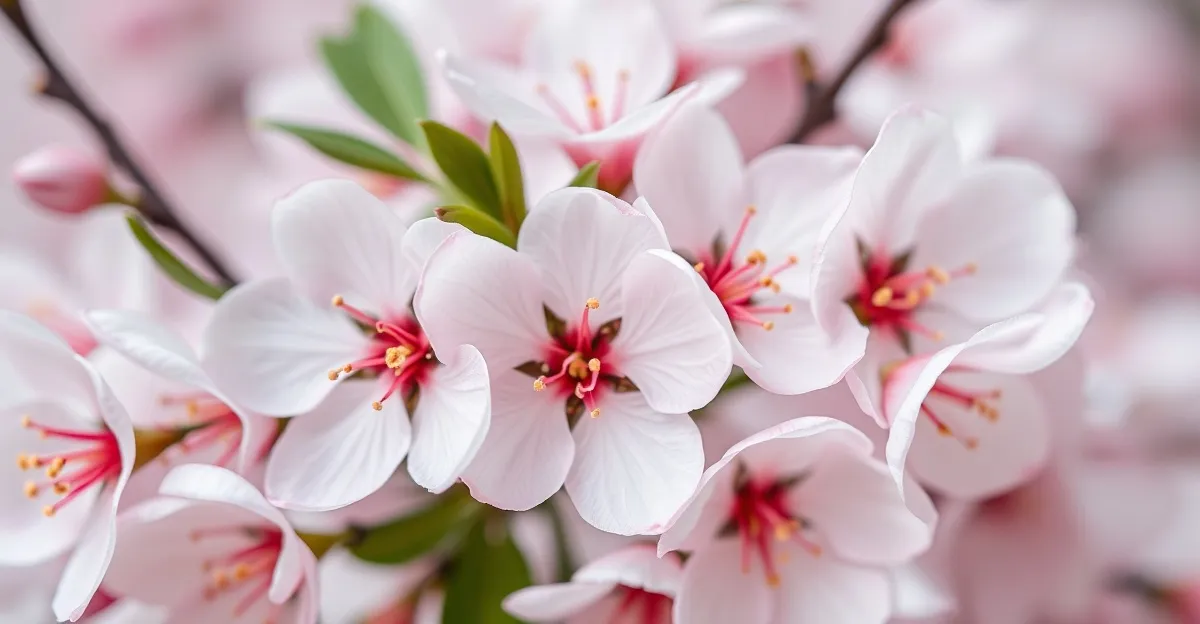
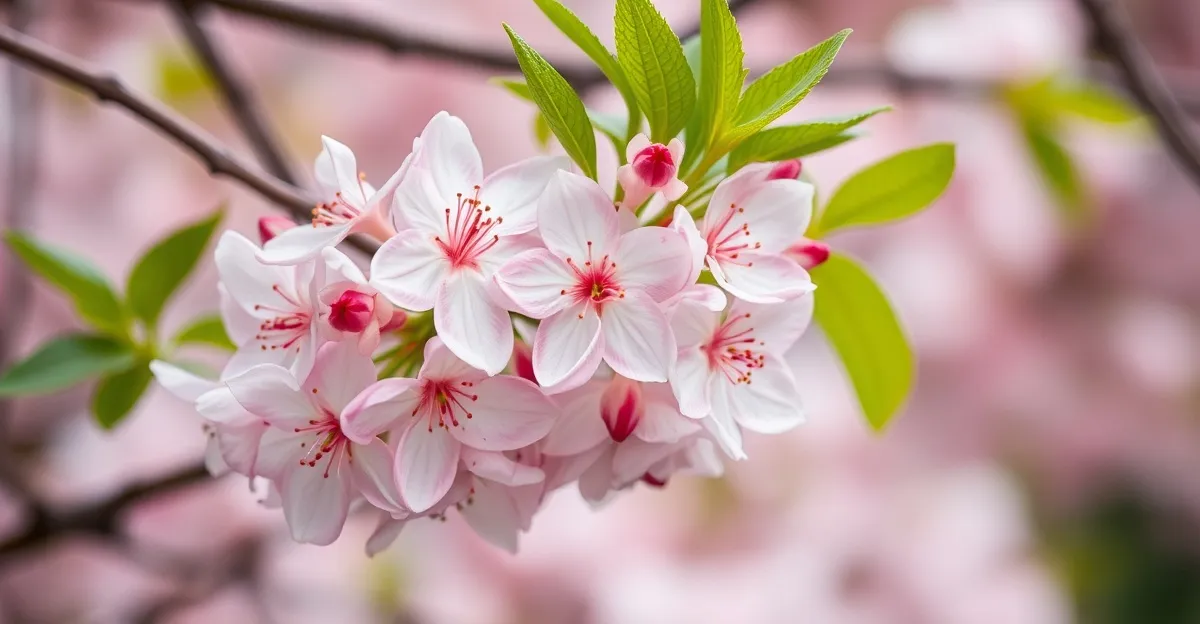
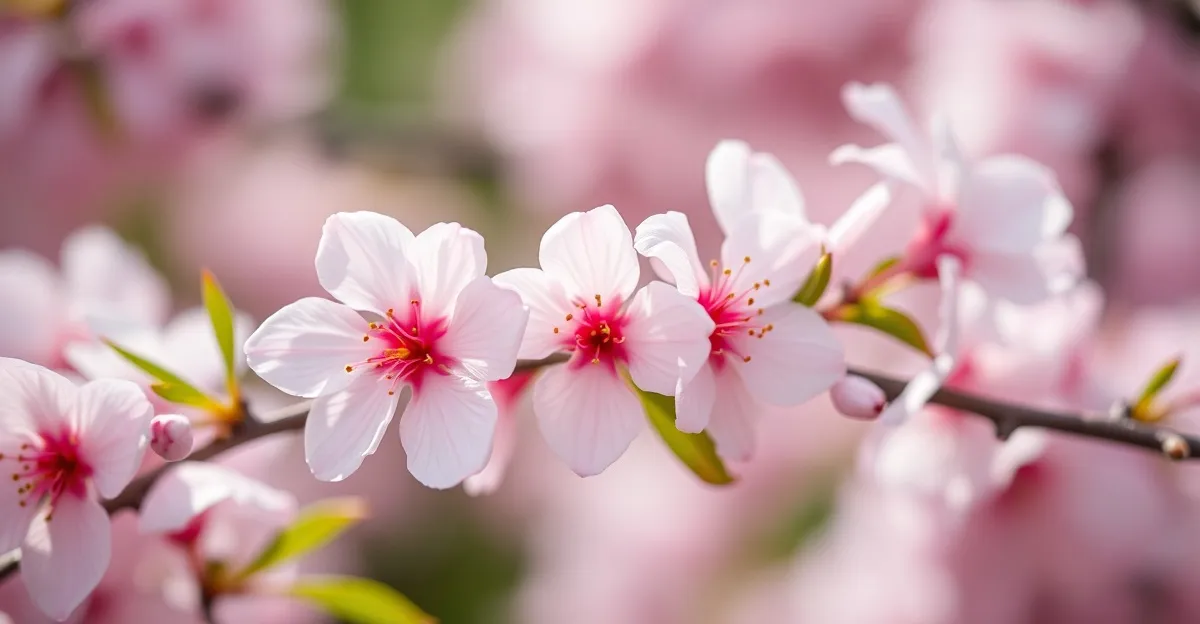
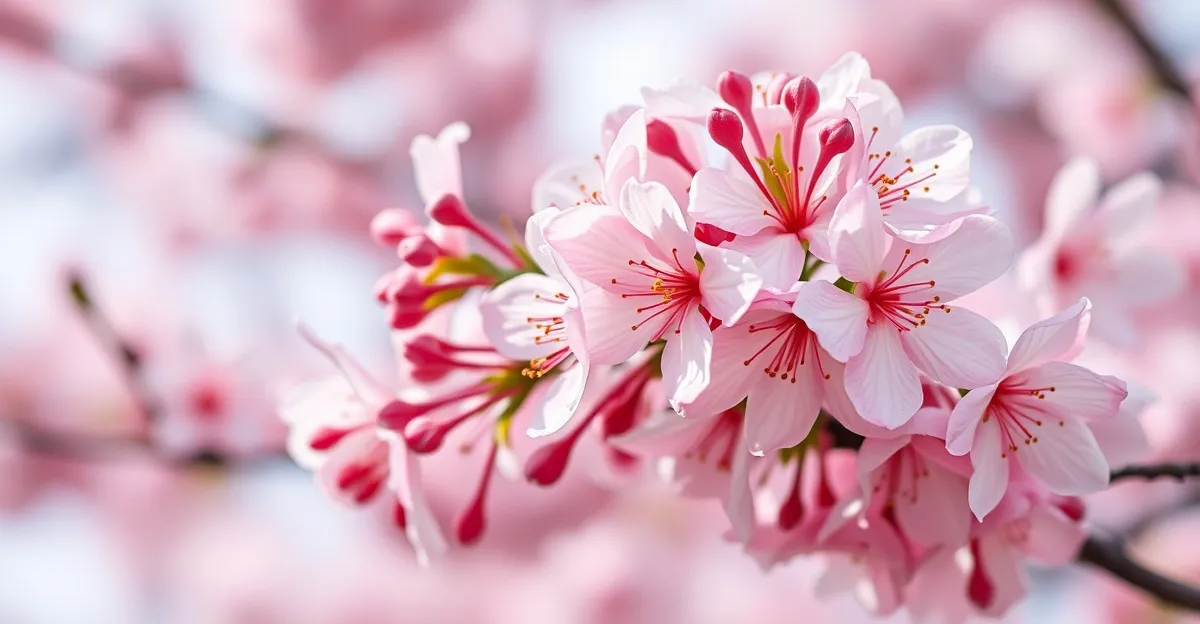
The History and Origin of the Cherry Blossom
Trace the extraordinary history of cherry blossom — from ancient Chinese mountain ranges to Japan's imperial courts, samurai tradition, and global cultural celebration.
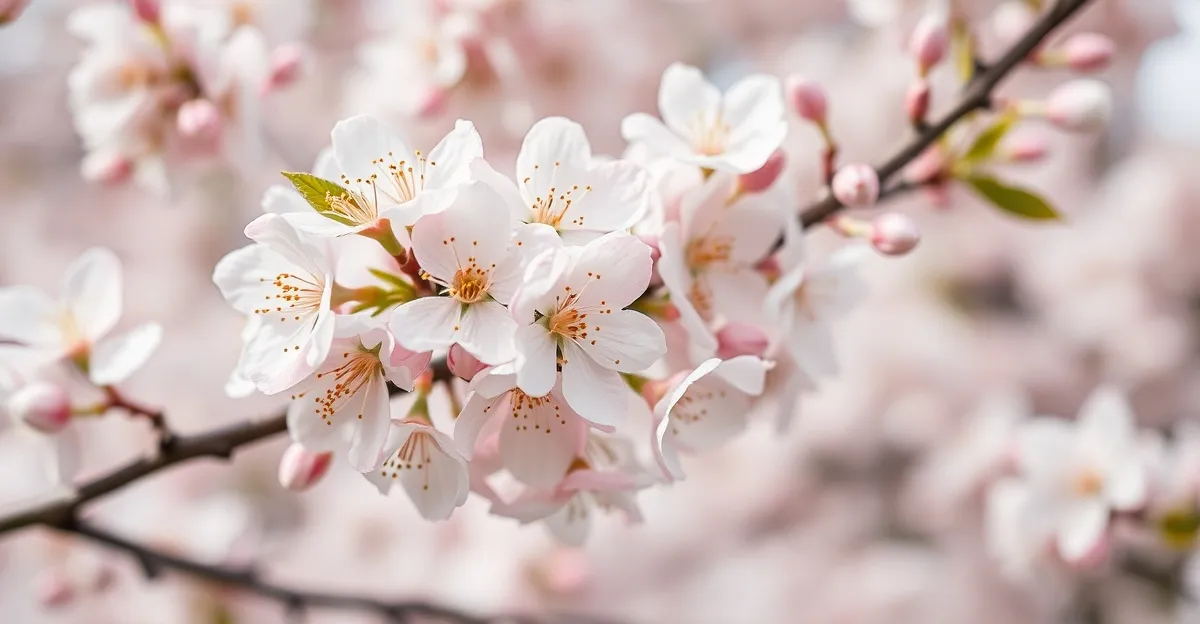
Of all the flowers that have shaped human culture, cherry blossom may be the one most inextricably woven into the identity of an entire nation. Japan and sakura are so deeply connected that the question of whether the flower made the culture or the culture made the flower almost cannot be answered. They evolved together, across more than a thousand years of mutual influence, into something that neither could have become alone.
But the story begins long before Japan. And it reaches forward, now, to places as far from a cool Kyoto spring as possible — including the tropical warmth of Bali.
The Origin: The Mountains of China
The Prunus genus — which includes cherries, plums, apricots, almonds, and peaches — originated in China, where the greatest diversity of wild species still grows today. The mountain ranges of Yunnan, Sichuan, and the eastern Himalayas contain dozens of wild Prunus species from which all cultivated cherries ultimately derive.
Prunus mume — the Japanese plum or ume, often casually called "Japanese cherry blossom" — has been cultivated in China for over 2,000 years and was brought to Japan during the Nara period (710–794 AD) along with Chinese Buddhist culture, writing, and art. Its pink and white blooms made it one of the most celebrated flowers in the Tang Dynasty's court poetry, and it arrived in Japan already carrying an enormous weight of cultural appreciation.
From Plum to Cherry
Here is a detail that surprises many people: the flower most associated with Japan today — the full, exuberant sakura of Yoshino cherry trees — was not the original beloved blossom. The Chinese-derived plum blossom (ume) was the celebrated flower of Japan's early court culture. Cherry blossom as we know it grew in significance gradually, eventually displacing plum as the definitive Japanese spring flower during the Heian period (794–1185 AD).
The shift happened partly because Japan began developing its own cultural identity distinct from Chinese influence during the Heian era, and the native Japanese cherry (yamazakura, mountain cherry) became a symbol of that distinctive identity. The word "hana" — flower — became specifically associated with sakura rather than ume. Japan had claimed its own flower.
The Imperial Period: Sakura Enters Japanese High Culture
During the Heian period, cherry blossom entered Japanese aristocratic culture with extraordinary force. The Tale of Genji — written by Murasaki Shikibu around 1010 AD and considered one of the world's first novels — is filled with cherry blossom imagery. The cherry tree appears repeatedly as a metaphor for transient beauty, for the fragility of human happiness, and for the pathos of things that pass.
Imperial court ceremonies began to incorporate cherry blossom viewing. The first recorded imperial hanami (flower viewing party) is attributed to Emperor Saga, who held a blossom-viewing party at the Imperial Palace in Kyoto in 812 AD. This royal endorsement established flower viewing as an aristocratic practice and set the cultural trajectory that would eventually make hanami a democratized national tradition.
The Poetry of Sakura
Japanese classical poetry — waka and later haiku — elevated cherry blossom to a position of supreme cultural importance. The great poet Motoori Norinaga, writing in the 18th century, articulated the Japanese character through cherry blossom imagery: "If someone asks what is the essence of the Japanese character, I would call it the mountain cherry blossom glowing in the morning sun."
Thousands of poems in the Man'yoshu (Japan's oldest poetry anthology, compiled in the late 700s) and the subsequent Kokinshu reference cherry blossom. The flower became a national language — a symbol that carried compressed meaning about Japanese cultural identity, the nature of beauty, and the philosophy of impermanence.
Samurai Culture: The Warrior's Flower
During the medieval period, as samurai culture rose to dominance in Japan, cherry blossom acquired an additional layer of meaning that would prove deeply durable. The samurai identified with the cherry blossom's brief, spectacular bloom and clean fall — a metaphor for a warrior's ideal life: bloom fully, fall cleanly, without clinging.
Bushido and Sakura
The Bushido code — the ethical framework of the samurai — incorporated cherry blossom symbolism explicitly. To die young and beautifully, in service to one's lord, was considered preferable to a long life that faded gradually. Cherry blossom's brief perfection represented this ideal.
This association became particularly charged during Japan's militarist period in the 20th century, when cherry blossom imagery was used extensively in propaganda to romanticize sacrifice. The ambivalence of this legacy is part of why contemporary Japanese cherry blossom culture is so layered — the same symbol can carry celebration, nostalgia, grief, and critique simultaneously.
The Spread of Hanami: From Imperial to Democratic
The practice of hanami — gathering under blooming cherry trees to eat, drink, and celebrate — was originally an aristocratic pleasure confined to the imperial court and noble families. It began to spread more widely during the Edo period (1603–1868) as the Tokugawa shogunate planted cherry trees along riverbanks, castle grounds, and temple paths across Japan — creating public spaces where ordinary people could experience the blooming.
By the mid-Edo period, hanami had become a genuinely popular celebration. Merchants, craftspeople, farmers, and their families would gather under cherry trees for picnics and celebrations that could last for days. The Japanese cherry blossom forecast — tracking the sakura zensen (blooming front) as it moved northward from Kyushu to Hokkaido — became a national preoccupation.
Cherry Blossom in Korea and China: Parallel Traditions
Japan's relationship with cherry blossom is the most celebrated globally, but parallel traditions exist elsewhere.
In Korea, cherry blossom (beot-kkot) has its own distinct cultural history, separate from Japanese influence. Korean cherry blossom festivals are major national events, particularly on Jeju Island (where Prunus yedoensis blooms in late March) and along the southern coast.
In China, prunus blossom — including both cherry and plum varieties — remains culturally significant, particularly for Spring Festival decorations. Prunus mume (plum blossom) is the national flower of Taiwan and was the national flower of China until 1929. Both flowers have a presence in Chinese New Year traditions that predates the Japanese fascination with sakura by centuries.

The team
your florists
weekly subscription · Bali
We write about flowers because we love them. We deliver them because someone should — properly, weekly, across Bali.
— heyflowerPay once for 3, 6, or 12 months, no auto-renewal.
Cherry Blossom Goes Global: The Washington DC Legacy
The global spread of cherry blossom culture received an enormous boost from a diplomatic gift. In 1912, the mayor of Tokyo sent 3,000 cherry trees to the city of Washington DC as a gesture of friendship between Japan and the United States. Those trees, planted around the Tidal Basin, now draw millions of visitors annually during the National Cherry Blossom Festival — one of Washington DC's largest annual events.
This gift, and the subsequent planting of cherry trees in cities around the world — Vancouver, Paris, San Francisco — helped translate cherry blossom's cultural significance into a global context. Today, cherry blossom is celebrated and understood far beyond East Asia.
Cherry Blossom in Bali: A Flower Without Roots That Has Found a Home
In Bali, cherry blossom cannot grow (the tropical climate prevents it) but is deeply appreciated. Japan's significant cultural presence in Bali — Japanese tourism, Japanese residents, Japanese restaurant culture — has helped cherry blossom find a genuine audience on the island.
For Bali-based florists, cherry blossom is a flower with a story worth telling. Understanding that story makes the arrangement more meaningful to give and more resonant to receive. The cherry blossom symbolism guide explores these meanings in detail for gifting contexts.
Frequently Asked Questions
Where did cherry blossom originate?
Cherry blossom's wild ancestor species originated in the mountain ranges of China, particularly Yunnan and Sichuan provinces. The flower was cultivated in China for over 2,000 years before being introduced to Japan during the Nara period.
When did cherry blossom become the national symbol of Japan?
Cherry blossom gradually replaced plum blossom as Japan's defining flower during the Heian period (794–1185 AD), as Japan developed a cultural identity distinct from its Chinese influences. By the medieval period, sakura was firmly established as Japan's most culturally significant flower.
What is the connection between cherry blossom and the samurai?
Samurai culture identified with cherry blossom's brief, spectacular bloom and clean fall — a metaphor for living fully and dying without clinging. This association is expressed in Bushido (samurai ethical code) and appears repeatedly in Japanese medieval literature and art.
Why is cherry blossom celebrated in Washington DC?
In 1912, Tokyo's mayor sent 3,000 cherry trees to Washington DC as a diplomatic gift. These trees now form the centerpiece of one of Washington DC's largest annual festivals. Cherry blossom diplomacy — the giving of trees as friendship gifts — has been repeated in numerous countries since.
Does cherry blossom have the same significance in Korean and Chinese culture as in Japan?
Cherry and plum blossom carry significant cultural meaning in both Korea and China, though different in character from Japanese sakura culture. Korean cherry blossom festivals are major national celebrations. In China, plum blossom has a longer history of cultural significance than cherry blossom and is associated with Spring Festival and new year traditions.
The cherry blossom carries centuries of human beauty, philosophy, and cultural identity into every arrangement it graces. At heyflower.co, we source these extraordinary flowers carefully and share their stories with every delivery. Explore our subscription options and let meaningful flowers become part of your Bali life.
More on Cherry blossom