Cherry Blossom in Balinese Ceremonies: Traditional Uses in Bali
Explore how cherry blossom fits into Bali's multicultural flower landscape — its role in Japanese ceremonies held in Bali and alongside Balinese traditions.
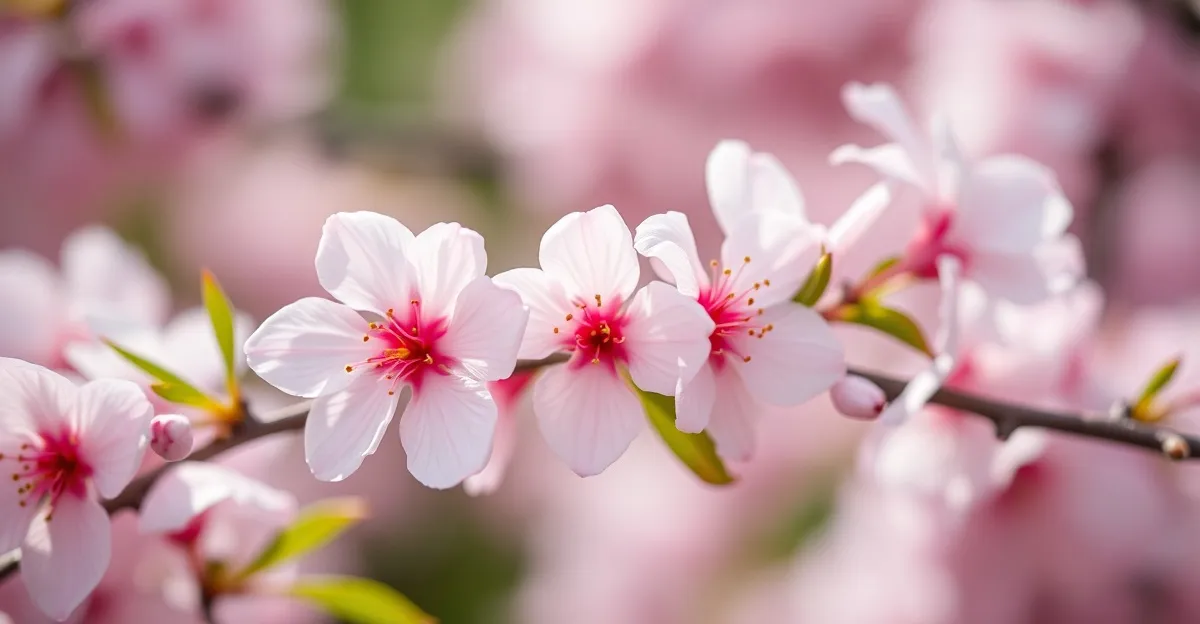
An honest starting point for this article: cherry blossom has no traditional role in Balinese Hindu ceremony. It does not grow in Bali's tropical climate, it has no history in Balinese religious practice, and it appears nowhere in the ancient vocabulary of Balinese offering flowers. And yet cherry blossom is meaningfully present in Bali's ceremonial life today — through the island's Japanese community, through destination weddings, and through the ways international flower culture has woven itself into Bali's extraordinary cultural openness.
Understanding the distinction between what cherry blossom means in traditional Balinese ceremony (essentially nothing, in a specific sense) and what it means in contemporary Bali's multicultural life (quite a lot) is the starting point for understanding the flower's real place on the island.
The Foundation: Bali's Own Ceremonial Flower World
Before discussing cherry blossom, the richness of Bali's own ceremonial flower culture provides essential context. The flowers used in Balinese Hindu practice are deeply specific — their species, colors, and fragrance are tied to meaning that has been established and refined over centuries.
The Sacred Flowers of Bali
Cempaka (Michelia champaca) — the most sacred offering flower, a member of the magnolia family with extraordinary fragrance. Associated with the goddess Saraswati and used in the most spiritually elevated offerings.
Jepun (Frangipani) — perhaps the most visually iconic Balinese flower, used extensively in ceremony and personal decoration. Grows on nearly every Balinese family compound.
Sandat (Gardenia) — white, intensely fragrant, used in personal offerings and women's hair decorations for ceremony attendance.
Gumitir (Marigold) — arrived with Hinduism from India, deeply embedded in temple decoration and elaborate canang sari offerings.
Each of these flowers carries associations earned over generations of Balinese practice. Cherry blossom simply does not appear in this world — it is a guest flower in Bali, not a native participant in the ceremonial tradition.
The Canang Sari Offering System
The canang sari — the small palm-leaf tray offerings prepared daily by Balinese women and placed at shrines, doorways, and crossroads — uses flowers according to a color-direction system tied to divine energies. White flowers for the east (the god Iswara), yellow for the west (Mahadewa), red for the south (Brahma). The flowers used are specific local species whose spiritual associations are understood precisely.
Cherry blossom, being an imported flower with no established position in this system, would not conventionally appear in a canang sari. However, in the homes of Japanese or Korean expats who have been educated in Balinese practices, individual practitioners occasionally incorporate cherry blossom petals — its pink-white coloring sits without contradiction within the white flower category. This is personal practice rather than traditional protocol.
Japan's Cultural Presence and Cherry Blossom's Entry into Bali
Japan and Bali have a long and significant relationship. Japan is consistently among Bali's top sources of international visitors, and the island has a permanent Japanese expat community of meaningful size concentrated in Canggu, Seminyak, and Ubud.
The Hanami Tradition in Bali
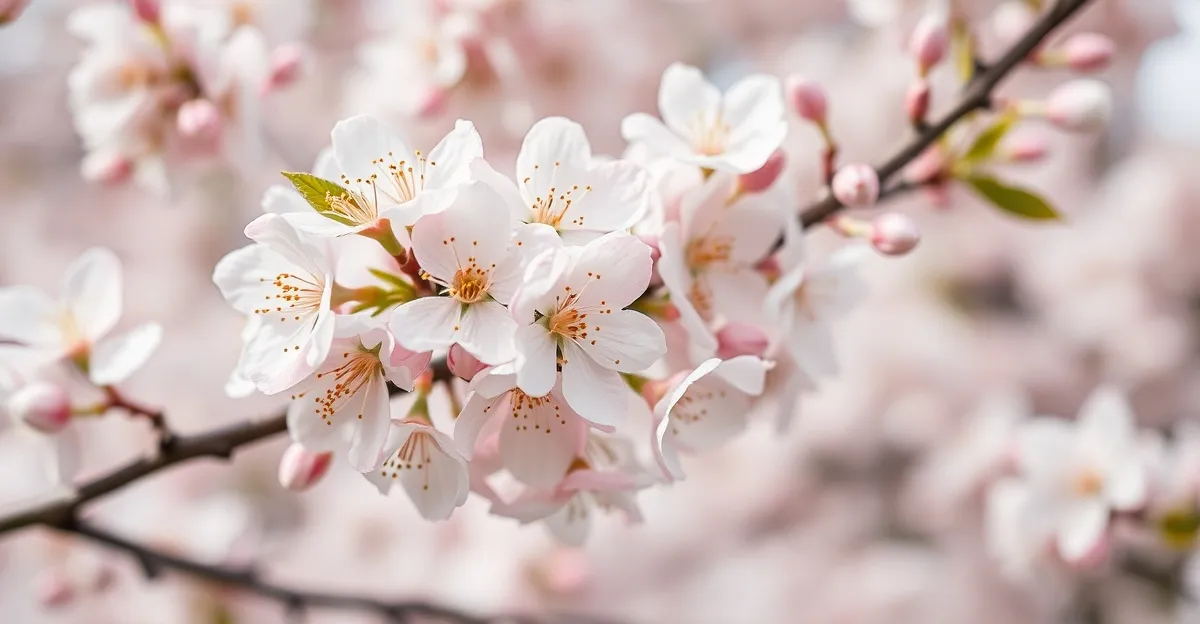
Hanami — the Japanese practice of gathering under blooming cherry trees to celebrate the brief flowering season — translates into Bali through Japanese restaurant events and community gatherings. Each year, roughly corresponding to Japan's sakura season (late March to early April), Japanese restaurants across Bali mark the season with cherry blossom decorations and special menus.
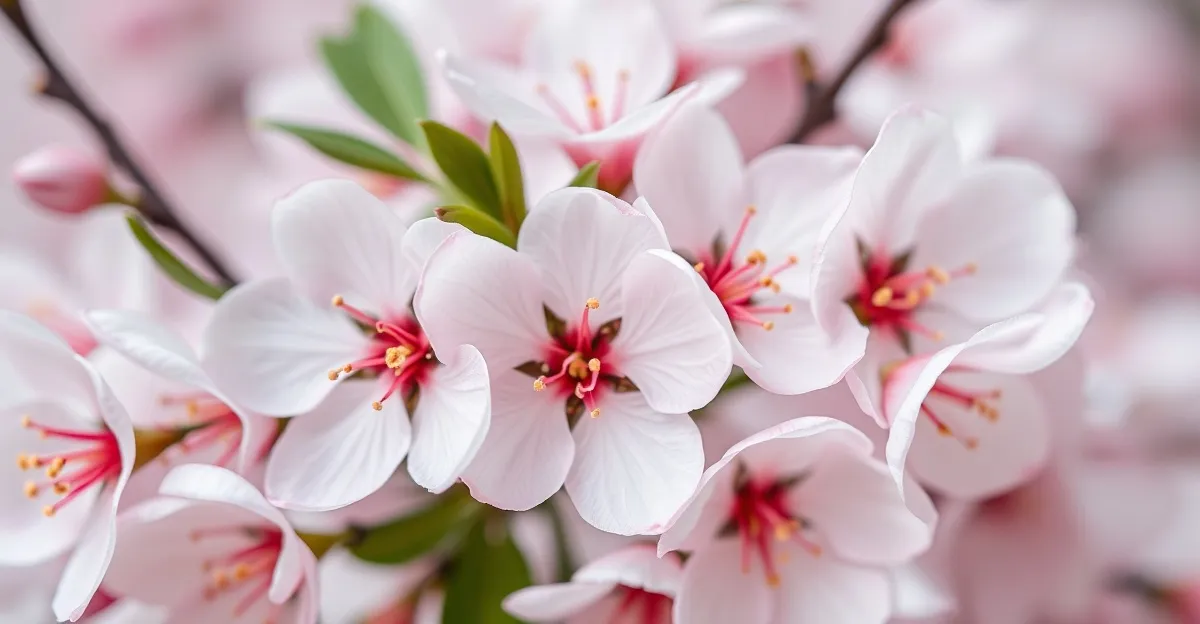
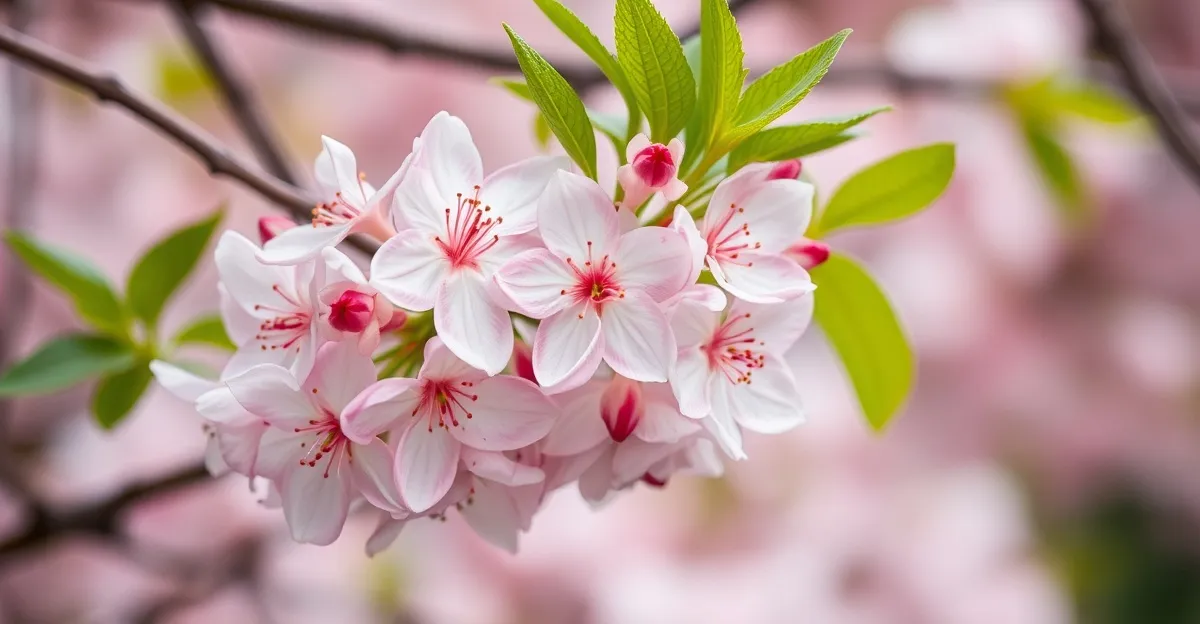
For Japanese expats in Bali during the sakura season, these gatherings are a genuine cultural connection — a way of participating in one of Japan's most beloved seasonal rituals while living in a tropical country where the trees cannot bloom. The cut cherry blossom branches that appear in these settings are imported specifically for this purpose, and their presence is culturally significant regardless of their tropical setting.
Japanese Weddings in Bali
Bali is a major destination wedding location for Japanese couples. The island's natural beauty, spiritual atmosphere, and ceremonial infrastructure draw Japanese couples who want the Balinese setting while honoring Japanese floral traditions.
In these weddings, cherry blossom functions as a Japanese ceremonial flower conducted within a Balinese setting. Cherry blossom branches may frame a ceremony arch alongside jepun frangipani. A Japanese bridal bouquet may carry sakura while the Balinese blessing ceremony uses the locally sacred flowers. The combination — cherry blossom and frangipani in the same ceremony space — creates something that neither tradition could achieve separately.
This is not cultural confusion. It is a genuinely multicultural ceremony that honors both traditions with specificity.
Cherry Blossom in Bali's Korean Community Celebrations
The Korean community in Bali has grown notably in recent years, and Korean cultural celebrations on the island incorporate cherry blossom in ways parallel to the Japanese community. Korean spring festivals, community new year celebrations, and Korean-themed events at restaurants and cultural centers use cherry blossom as both decoration and cultural marker.
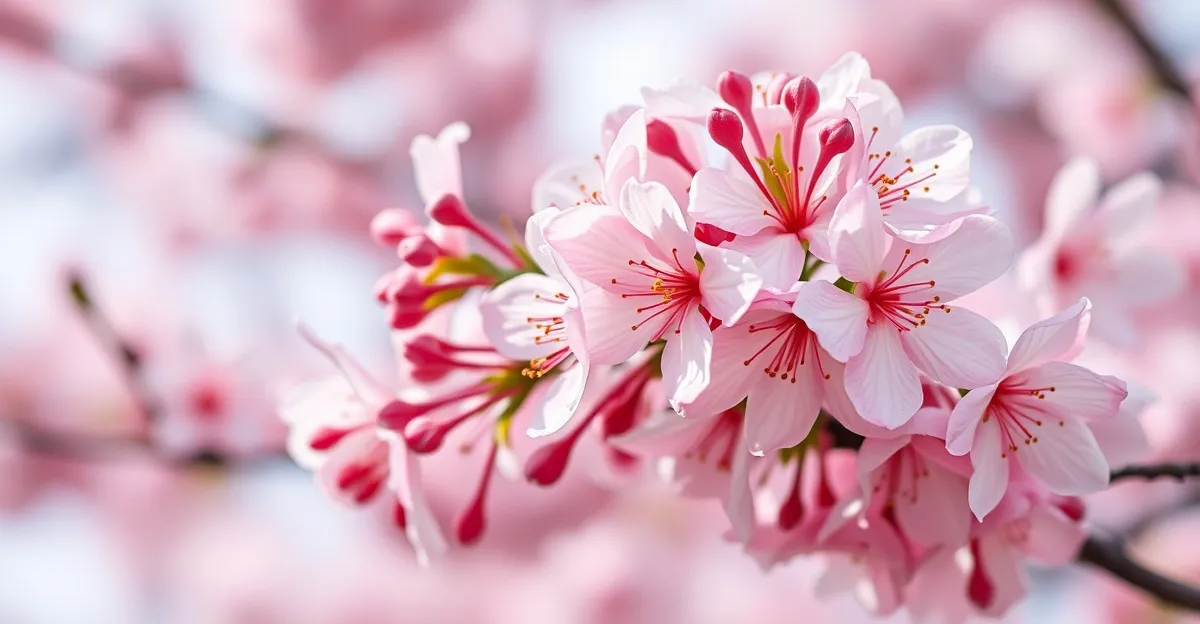
Beot-kkot (Korean cherry blossom) and Japanese sakura are closely related — both Prunus species, both celebrated in spring. The shared flower creates an interesting point of connection between Bali's Korean and Japanese communities, even as the specific cultural traditions around the flower differ in detail.
Cherry Blossom in Interfaith and Contemporary Ceremonies
One of Bali's most distinctive qualities as a ceremonial location is its capacity to hold multiple traditions simultaneously without requiring them to merge into something uniform. Interfaith couples, multicultural families, and contemporary spiritual practitioners regularly create ceremonies in Bali that weave multiple flower traditions into something coherent and beautiful.
Practical Integration
A ceremony that incorporates both Balinese and Japanese traditions might approach flower use like this:
- Sacred ritual elements: Cempaka, frangipani, marigold — the traditional Balinese ceremony flowers that the pemangku (priest) requires for the ritual to be performed correctly
- Decorative ceremony space: Cherry blossom branches on the arch, in tall vases, in the bridal bouquet — the Japanese aesthetic elements that honor the couple's cultural background
- Received offerings: Fresh tropical flowers given by guests that are immediately suitable for any offering context
This layering respects both traditions rather than collapsing them into each other.
Cherry Blossom in Bali's Wellness and Retreat Culture
Perhaps the deepest and most consistent integration of cherry blossom into Bali's cultural life is through the island's global wellness community. The relationship between Japanese aesthetic principles — particularly wabi-sabi and the beauty of impermanence — and the spiritual goals of yoga and meditation practice creates genuine common ground.
Wellness retreat centers across Canggu, Ubud, and Seminyak incorporate cherry blossom when available in meditation spaces, yoga shalas, and ceremony rooms. The flower's brevity, its association with the present moment, and its visual quietness are all consistent with the values of mindfulness practice.
For a Vipassana meditation retreat, the presence of a few cherry blossom branches in the ceremony room is not arbitrary decoration. The flower's teaching — be present for this, it will not last — is aligned with the retreat's practice itself. No explanation is required; the flower speaks directly.
For more on how flowers enhance contemplative spaces, our guide to flower arrangement ideas for your yoga studio explores how brief and beautiful flowers can deepen a practice space.

The team
your florists
weekly subscription · Bali
We write about flowers because we love them. We deliver them because someone should — properly, weekly, across Bali.
— heyflowerPay once for 3, 6, or 12 months, no auto-renewal.
Galungan and Cherry Blossom: The Contemporary Blend
Galungan — one of the most significant Balinese Hindu holidays, occurring every 210 days — transforms the island with penjor (tall decorated bamboo poles), fresh flowers, and celebration. During Galungan, expats and international residents in Bali often seek to honor the occasion while drawing on their own cultural resources.
Cherry blossom arrangements in homes and workplaces during Galungan are entirely appropriate as personal decoration, even though cherry blossom is not a traditional Galungan flower. The holiday's spirit of celebrating goodness and light over darkness is universal enough to accommodate any beautiful floral gesture made in that spirit.
For more on how to engage with Balinese ceremonial occasions as a flower lover in Bali, our guide to Galungan flower subscription ideas provides culturally thoughtful guidance on choosing appropriate flowers for the season.
The Honest Assessment
Cherry blossom in Bali is a guest flower — significant, beautiful, and culturally rich, but not rooted in Balinese tradition. It occupies the international and multicultural register of Bali's flower culture rather than the ancient ceremonial one. This is not a lesser position. In a place as culturally layered as Bali, the conversation between traditions is itself something meaningful.
A cherry blossom branch in a Bali ceremony is a story about how the world comes to this island and finds a beautiful way to coexist with what has always been here.
Frequently Asked Questions
Does cherry blossom have a traditional role in Balinese Hindu ceremony?
No — cherry blossom has no traditional role in Balinese Hindu ceremony. The island's ceremonial flower palette consists of locally-grown species like cempaka, frangipani, gardenia, and marigold that have been part of Balinese practice for centuries.
Can I incorporate cherry blossom into a ceremony in Bali?
Yes — in interfaith, multicultural, or personally designed ceremonies, cherry blossom can be used alongside Balinese ceremony flowers. The key is distinguishing between the sacred ritual elements (which should use traditional Balinese flowers) and the decorative ceremonial space (which can incorporate cherry blossom meaningfully).
Is cherry blossom appropriate for a Balinese family during Galungan?
Cherry blossom is not a traditional Galungan flower, but it is entirely appropriate as personal decoration in homes or workplaces during the holiday. It carries no conflicting ceremonial associations with Galungan traditions.
Why does cherry blossom appear in some Bali wedding ceremonies?
Cherry blossom appears primarily in weddings with Japanese cultural elements or in contemporary multicultural weddings where couples want to honor both Balinese ceremony and their own cultural flower traditions. It is Japanese ceremonial practice conducted within a Balinese setting.
How does cherry blossom relate to Balinese spiritual values?
While not part of the Balinese tradition specifically, cherry blossom's associations with impermanence, spiritual purity, and the beauty of the present moment resonate with aspects of both Balinese Hindu and Buddhist spiritual values. In wellness and meditation contexts, these resonances create genuine alignment.
Bali's flower culture holds centuries of tradition alongside the world's newest influences — and both are beautiful. At heyflower.co, we honor that depth in everything we arrange. Explore our subscription options and let meaningful flowers become part of your Bali life.
More on Cherry blossom