The history and origin of the astilbe
Explore astilbe's origins in East Asia, its journey into Western gardens, and how this mountain woodland plant found its way to Bali's flower markets.
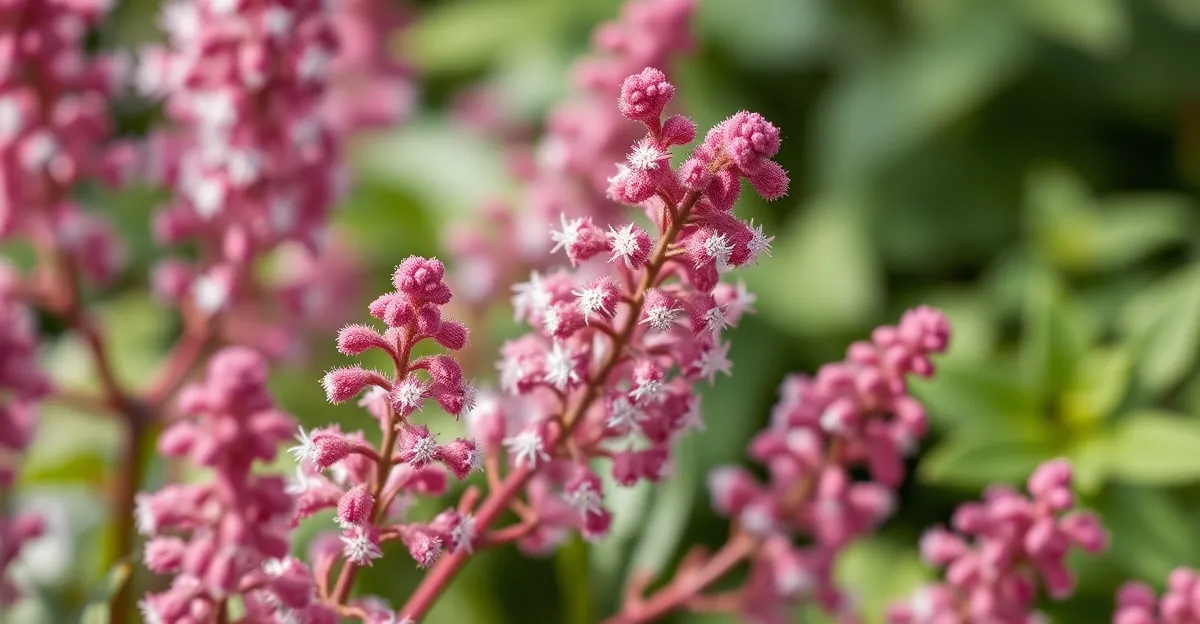
Astilbe is one of those flowers whose history is more interesting than its modest, feathery appearance might suggest. Native to cool mountain woodlands across East and Southeast Asia — particularly Korea, Japan, and China — it has been cultivated in gardens for centuries and reached the attention of Western botanists in the 18th and 19th centuries, eventually becoming a mainstay of cottage gardens and wedding floristry across Europe and North America. Its arrival in Bali came much later, as part of the commercial cut flower trade, and it found an unlikely home in the island's cool highland growing regions.
Understanding where astilbe comes from helps explain why it behaves the way it does in tropical conditions — and why growing it well requires meeting specific needs that its wild ancestors developed over millennia.
Botanical origins: a plant of mountain forests
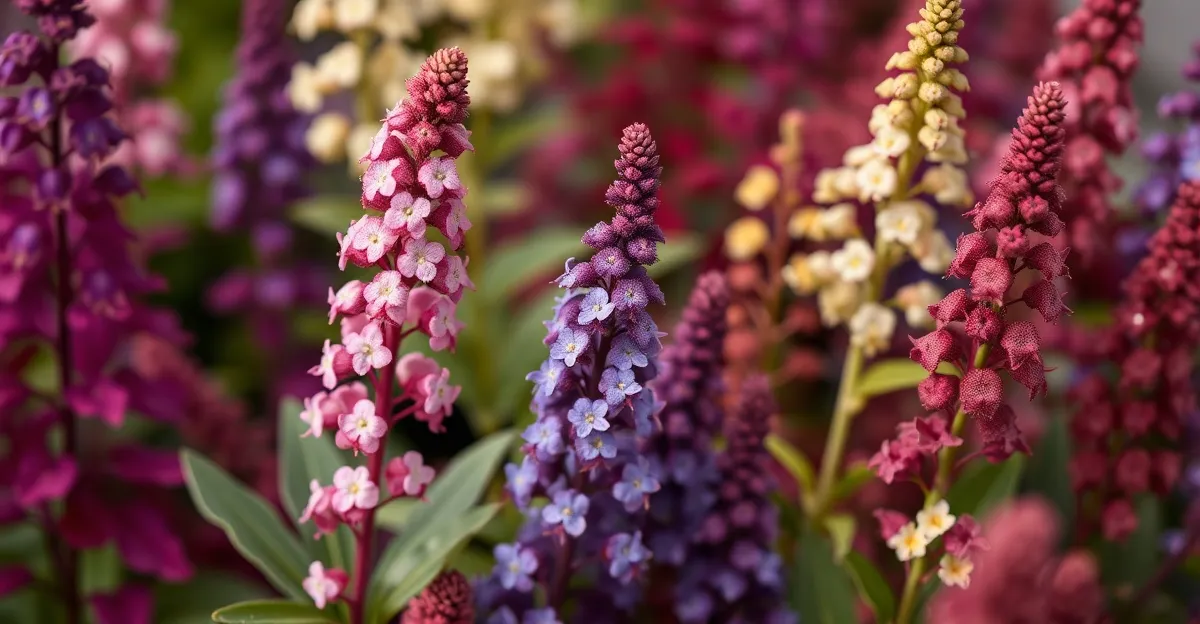
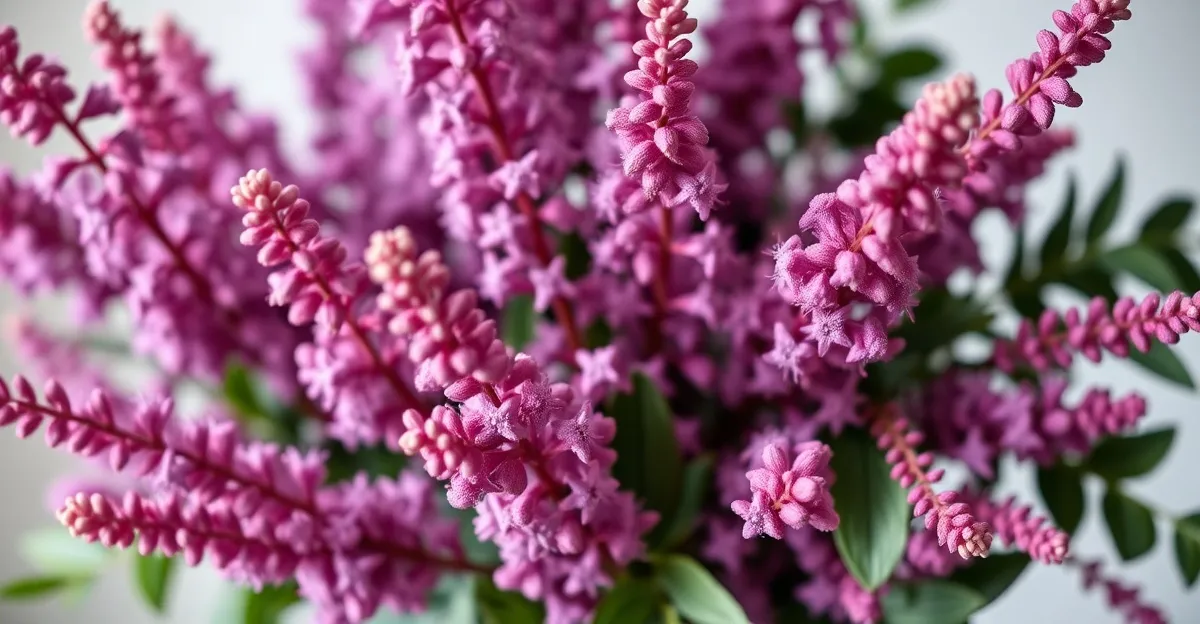
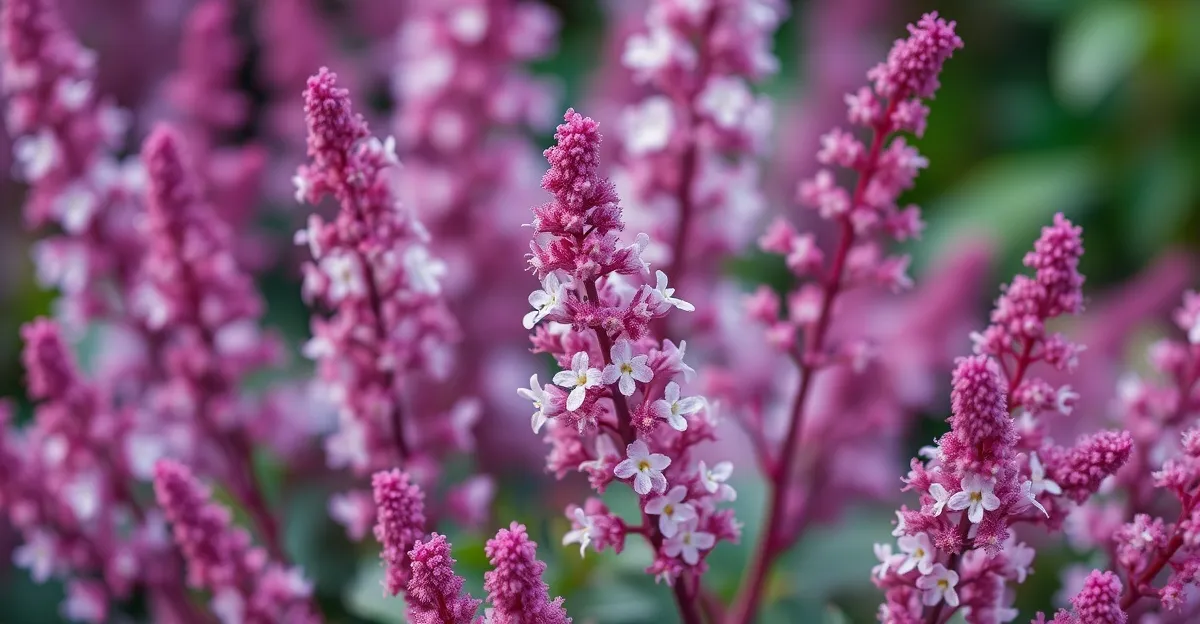
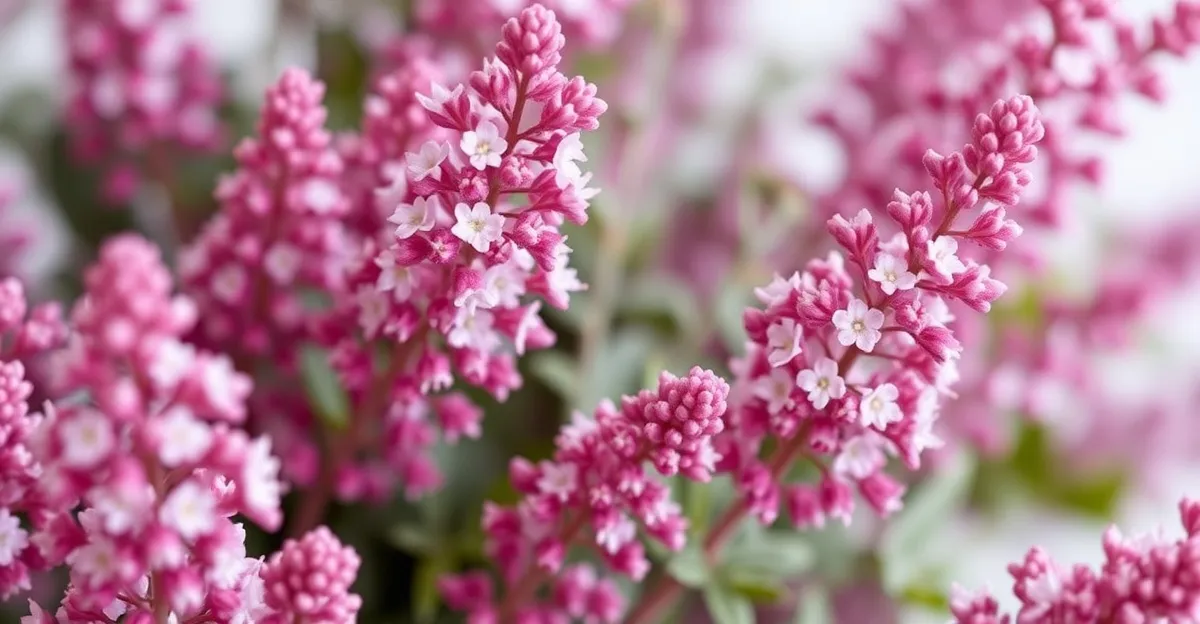
Astilbe belongs to the Saxifragaceae family (saxifrages), a group of mostly temperate-climate plants that tend to prefer cool, moist conditions. The genus contains around twenty species, most of them native to mountain regions in Korea, Japan, China, and parts of Southeast Asia at higher elevations. The name comes from the Greek: "a" (without) and "stilbe" (brightness) — a reference to the individual flowers, which are tiny and inconspicuous on their own, gaining visual impact only in their collectively plumed form.
The wild species are woodland plants, found growing at the edges of streams, in dappled shade, and on north-facing slopes where temperatures are moderate even in summer. This origin story matters: the plant evolved to handle consistent moisture, cool roots, and protection from strong direct sunlight. Every care challenge astilbe poses today is essentially a mismatch between these original conditions and whatever environment it's placed in.
Early cultivation in East Asian gardens
In Japan, Korea, and China, several astilbe species were cultivated in traditional gardens centuries before Western botanists began documenting them. In Japan, Astilbe japonica was used in wet garden areas and beside pond edges, valued for its late-spring flowering and the way it softened stone-edged water features. The feathery plumes fit well with the restrained aesthetics of traditional Japanese garden design, where texture and form often matter more than bold colour.
Korean folk medicine also made use of certain astilbe species — the roots and rhizomes were used in traditional remedies, though this application has largely faded from mainstream use.
Western discovery and hybridisation
The 18th and 19th centuries brought a wave of botanical collection in East Asia, driven by European scientific curiosity and commercial interest in new ornamental plants. German physician and botanist Engelbert Kaempfer brought early notes on Japanese plants back to Europe in the late 17th century, but it was the systematic work of later collectors — including Scottish plant hunter George Forrest in China and others working across Korea and Japan — that brought more astilbe species to European attention.
The transformation from wild species to the garden varieties we know today was largely the work of German nurseryman Georg Arends in the early 20th century. Working from the early 1900s through to the 1950s, Arends developed the hybrid group Astilbe x arendsii by crossing Japanese and Chinese species. This hybrid group underpins most of the astilbe seen in gardens and florists' shops today: longer stems, larger plumes, a wider colour range, and more robust constitutions than the wild species.
The varieties he introduced — names like 'Fanal', 'Irrlicht', and 'Amethyst' — are still sold today. Arends' work effectively created the modern astilbe, and the species bears an informal tribute to his name in the group designation.
The journey to Indonesia and Bali
Cut flower cultivation in Indonesia developed significantly through the 20th century, with Java becoming the primary centre for commercial growing. The volcanic highlands of West Java — areas like Cipanas, Lembang, and Ciwidey near Bandung — sit at altitudes of 1,000 to 1,500 metres with a climate that supports cool-climate flowers including roses, carnations, and astilbe. It was here that astilbe entered the Indonesian cut flower trade in significant volumes.
Bali developed its own highland flower growing industry more recently, centred around the Bedugul plateau in central Bali at roughly 1,400 to 1,700 metres elevation. The Candi Kuning market near Lake Beratan became the main distribution point for highland-grown flowers, and growers in the area took up astilbe cultivation as a complement to their established dahlia and chrysanthemum production.
Today, astilbe from both Bedugul and Java reaches flower markets in Denpasar and from there is distributed to florists across Bali, including those serving the villa, wedding, and hospitality markets on the southern coast.

The team
your florists
weekly subscription · Bali
We write about flowers because we love them. We deliver them because someone should — properly, weekly, across Bali.
— heyflowerPay once for 3, 6, or 12 months, no auto-renewal.
Astilbe in contemporary floristry
The modern cut flower astilbe is a world away from its mountain woodland origins, yet the same fundamental characteristics — soft plumes, delicate texture, cool-climate preferences — define how it's used today. Its role in contemporary floristry has shifted somewhat: where once it was mainly a garden border plant, it's now a staple of romantic wedding design and the soft, organic aesthetic that has dominated high-end floristry for the past decade.
The rise of the "garden style" or "English garden" wedding bouquet — loose, naturalistic, mixing structured blooms with textural fillers — gave astilbe renewed prominence. It fits this aesthetic almost perfectly, and florists from London to Ubud have embraced it for the way it brings movement and softness without being fussy.
In Bali specifically, astilbe has become a bridge flower for destination weddings: couples from the UK, Europe, and Australia recognise it from home, it evokes the romantic aesthetic they're after, and it's genuinely available locally — albeit from high-altitude conditions that require careful handling to perform well at sea-level events.
FAQ
Where does astilbe naturally grow? Wild astilbe species are native to cool, moist mountain woodlands in East Asia, primarily Korea, Japan, and China. They grow naturally near streams and in dappled shade.
Who developed the modern garden astilbe? German nurseryman Georg Arends is credited with developing Astilbe x arendsii in the early 20th century, crossing Japanese and Chinese species to create the long-stemmed, large-plumed varieties common today.
Is astilbe native to Indonesia? No. Astilbe is not native to Indonesia. It was introduced as a commercial cut flower and now grows in Indonesia's highland areas, including Bali's Bedugul plateau and Java's highland flower-growing regions.
What does the name astilbe mean? The name comes from Greek: "a" (without) and "stilbe" (brightness). It refers to the individual flowers, which are tiny and not especially showy on their own — they gain their visual impact only collectively as a plume.
How long has astilbe been in cultivation? Several centuries in East Asian gardens. In Western horticulture, it became significant from the late 18th century onward, with systematic hybridisation beginning in earnest in the early 20th century.
Ready to bring fresh flowers to your Bali home or event? Explore our weekly flower subscription and get handpicked blooms delivered to your door every week.
More on Astilbe