The History and Origin of the Amaryllis
Explore the rich history of the amaryllis — from South American origins to Dutch cultivation mastery and what this bloom means in Bali today.
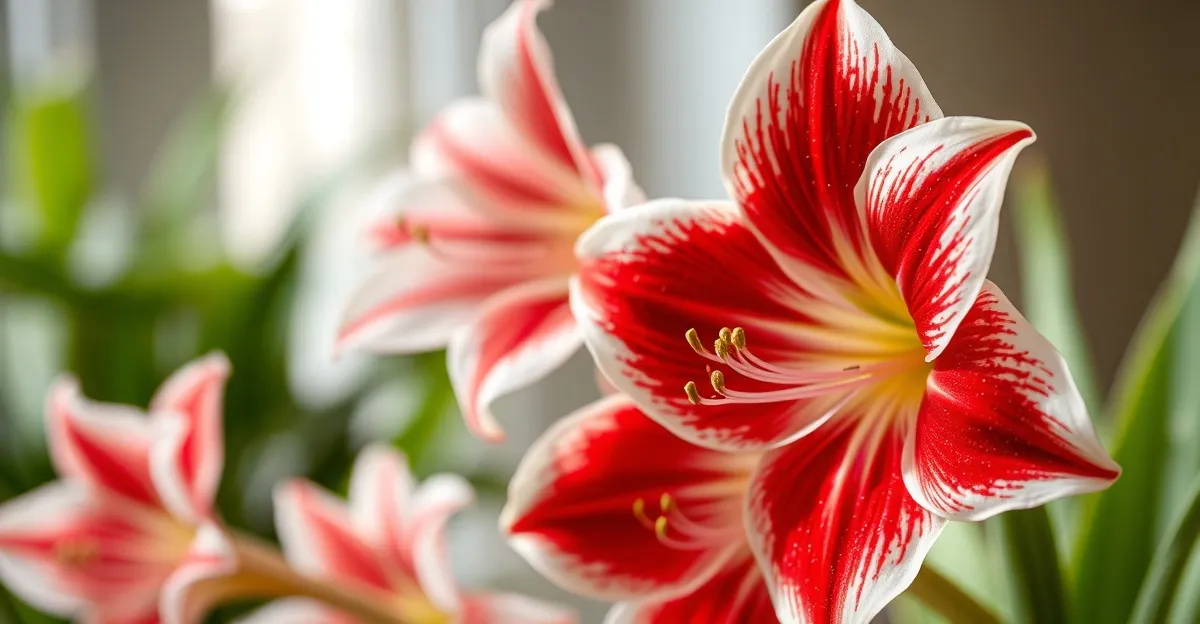
The amaryllis has a story worth knowing. Behind those magnificent trumpet blooms — so instantly recognisable, so extravagantly beautiful — lies a history that spans continents, centuries, and the remarkable work of botanists, hybridisers, and commercial growers who transformed a wild South American bulb into one of the world's most beloved decorative flowers.
At heyflower.co, we believe knowing a flower's story makes it more meaningful to give and receive. Here is the full history and origin of the amaryllis.
A Note on Names: Amaryllis vs Hippeastrum
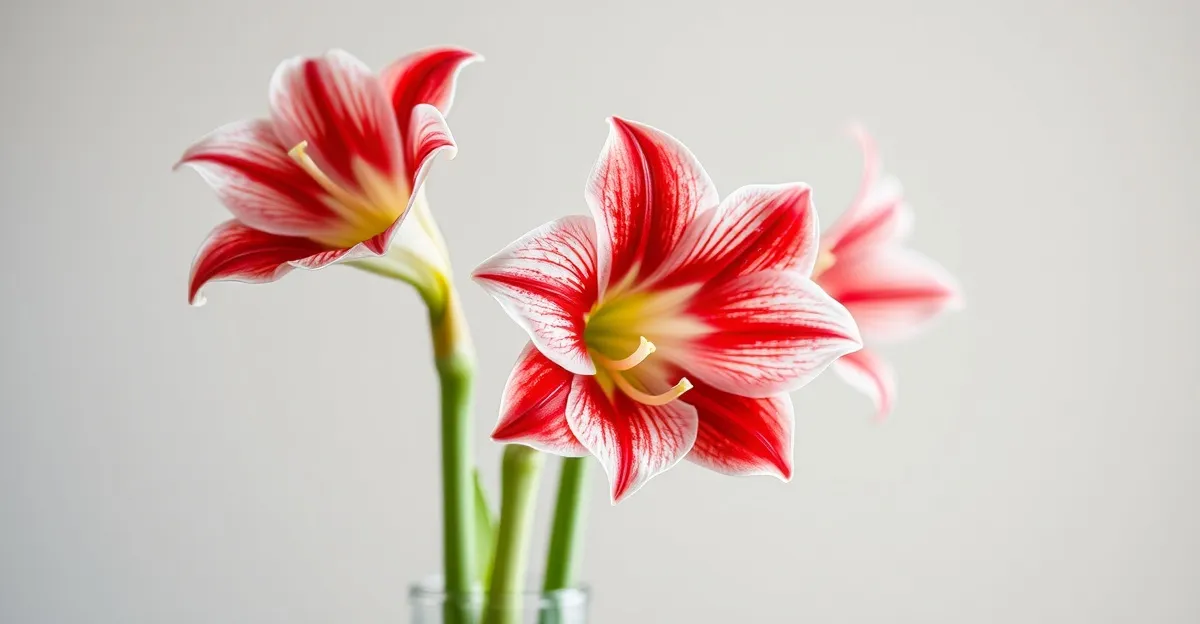
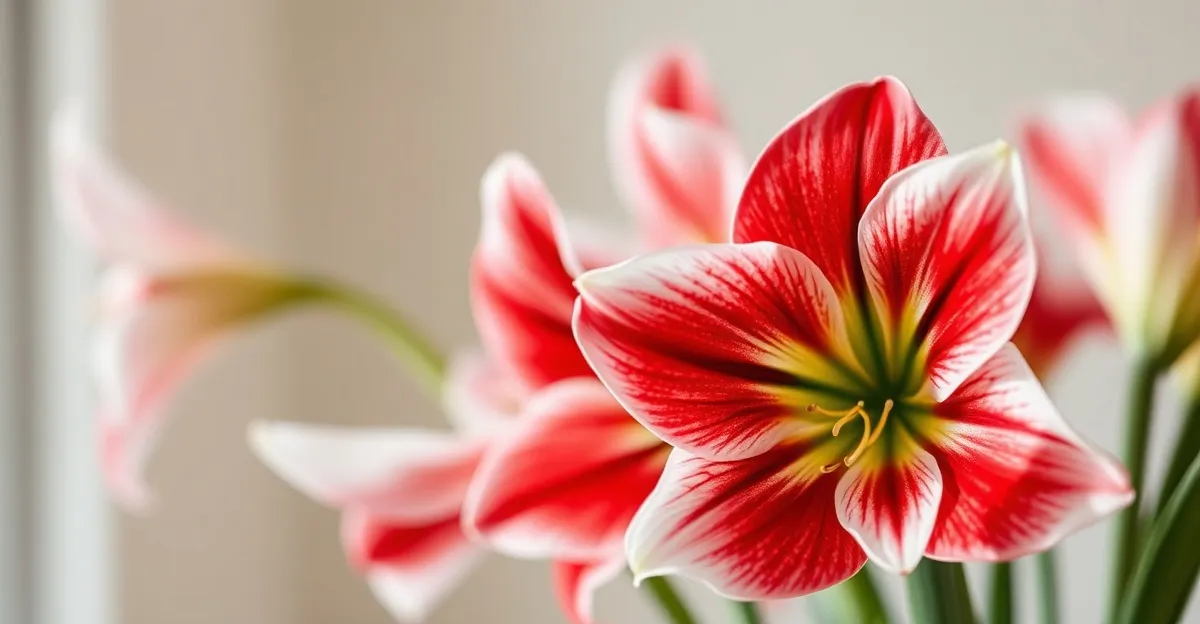
Before diving in, it's worth clarifying a botanical confusion that persists to this day. When most people say "amaryllis," they're referring to Hippeastrum — the large, bulbous flower in shades of red, white, pink, and salmon that fills flower shops in December. The true Amaryllis genus contains only one or two species of South African bulbs, botanically distinct from Hippeastrum.
This naming tangle traces back to the 18th century, when the two genera were lumped together under one name. When they were finally separated, the beloved cultivated flower kept the common name "amaryllis" even though it was reclassified as Hippeastrum. Today, the horticultural world uses "amaryllis" freely to mean Hippeastrum, and that's the usage we follow here.
South American Origins
The Hippeastrum genus is native to tropical and subtropical South America — primarily Brazil, but with wild species distributed across Peru, Bolivia, Ecuador, Colombia, and Argentina. In these environments, the plants grow in a remarkable range of habitats: rocky cliffs, dense forest understories, open grasslands, and coastal sand dunes. This ecological versatility reflects the genus's resilience and adaptability.
Indigenous communities in South America had knowledge of Hippeastrum plants long before European contact. In some regions, certain species were used medicinally, though many species are actually toxic and their traditional use required careful knowledge. The flowers, however, were observed and valued for their extraordinary beauty well before European botanists arrived to classify and export them.
First European Contact
The first documented European encounter with Hippeastrum came in the 16th and 17th centuries, as Spanish and Portuguese explorers began systematically cataloguing the botanical wealth of South America. Early botanical illustrations from this period show what are unmistakably Hippeastrum flowers — large, trumpet-shaped, carried high on thick, hollow stems.
The flowers were sufficiently remarkable that specimens were sent back to Europe relatively early. By the late 17th century, bulbs were being cultivated by wealthy European collectors and botanical gardens, though consistent flowering in the European climate was initially challenging.
The 18th Century: Botanical Classification
The formal botanical history of Hippeastrum begins in earnest with the work of Carolus Linnaeus, the Swedish botanist who developed the modern system of biological classification. Linnaeus classified the plant as Amaryllis in the 1750s, pulling together what he saw as related bulbous species from both South America and South Africa under one umbrella genus.
In 1821, English botanist William Herbert proposed the split between the South African Amaryllis belladonna (the true amaryllis) and the South American species he reclassified as Hippeastrum — meaning "horseman" in Greek, possibly referencing the plant's tall, rider-like stance. Herbert's classification was eventually accepted by the botanical community, though not before significant confusion had accumulated.
Herbert was also a passionate breeder and hybridiser, and his work with Hippeastrum in the early 19th century produced some of the first intentional hybrids — crosses between different species that produced flowers with greater size and variety than any wild species. This marked the beginning of modern amaryllis breeding.
The Dutch Take Over
The real transformation of amaryllis from botanical curiosity to commercial powerhouse happened in the Netherlands — and the Dutch dominance of the amaryllis industry, established in the 19th century, continues largely unbroken today.
Dutch bulb growers, already world leaders in tulip cultivation, turned their attention to Hippeastrum in the mid-19th century. They brought their extraordinary expertise in bulb forcing — the technique of manipulating temperature and storage conditions to induce reliable flowering on a commercial schedule — to bear on amaryllis, and the results were transformative.
Forcing and Timing
The ability to force amaryllis bulbs into bloom on a predictable schedule was commercially revolutionary. Natural amaryllis bulbs, left to their own seasonal cues, are unpredictable in timing. Dutch growers learned to pre-treat bulbs — using hot water baths, controlled cool storage, and precise drying protocols — to ensure that a bulb brought out of storage and planted would flower within approximately six to eight weeks, with remarkable reliability.
This made amaryllis the ideal Christmas flower in the northern hemisphere. Bulbs pre-treated for a late-October forcing schedule would bloom reliably through December and January, perfectly aligned with the gift-giving season. The Dutch industry grew rapidly to meet this demand, and the Netherlands became the world's dominant supplier of amaryllis bulbs — a position it holds to this day, exporting hundreds of millions of bulbs annually to markets worldwide.
20th Century Hybridisation
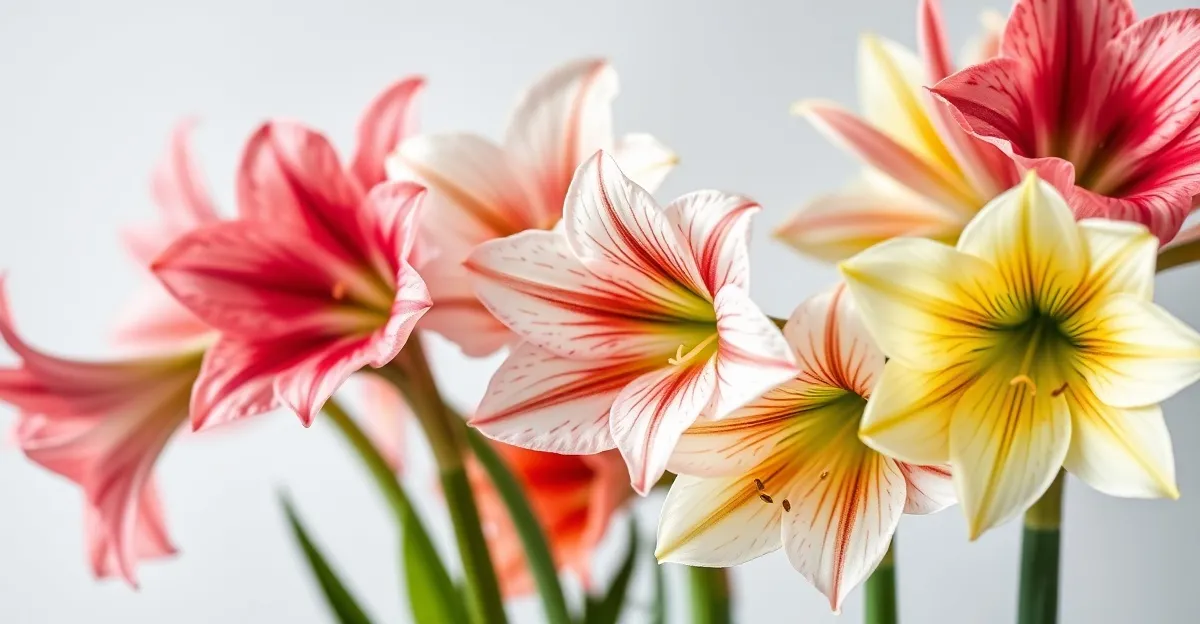
The 20th century saw an explosion of hybridisation work that dramatically expanded the amaryllis colour palette and flower form. From a relatively limited range of wild species colours — mostly deep reds, pinks, and white — breeders produced flowers in:
- Pure snow white ('White Christmas', 'Mont Blanc')
- Deep crimson and burgundy ('Red Lion', 'Royal Velvet')
- Salmon and orange ('Charisma', 'Intokazi')
- Bicolour striped combinations ('Exotic Star', 'Picotee')
- Double-flowered forms with many more petals than the wild type ('Double Dragon')
- Miniature varieties with smaller, more delicate flowers
This range made amaryllis relevant to far more decorative contexts than the original species allowed, and it fuelled the flower's commercial expansion beyond the Christmas gifting market into year-round decorating and floristry.
Amaryllis Comes to the Tropics
The global trade in Dutch-grown amaryllis bulbs means that these flowers are now available far from their temperate commercial growing zones. In Bali, amaryllis arrives primarily via Java-based growers who have adapted Dutch bulb-forcing techniques to their own growing conditions, as well as through direct import from the Netherlands via Jakarta distribution channels.
The history of the marigold — another flower that traveled tropical trade routes — follows similar patterns of export, adaptation, and cultural integration. You can explore these themes further in our article on the history and origin of the marigold.
For heyflower.co, working with amaryllis means participating in this genuinely global flower story — South American origins, Dutch commercial mastery, Javanese growing adaptation, and ultimately a beautiful arrangement delivered to a villa in Canggu or a restaurant in Seminyak.

The team
your florists
weekly subscription · Bali
We write about flowers because we love them. We deliver them because someone should — properly, weekly, across Bali.
— heyflowerPay once for 3, 6, or 12 months, no auto-renewal.
What the Name Tells Us
The common name "amaryllis" has its own interesting etymology, separate from the botanical classification story. In classical Greek pastoral poetry, Amaryllis was a common shepherd's name — used by Theocritus in the 3rd century BCE and later by Virgil in the Eclogues. The name was associated with rural beauty, natural elegance, and the unspoiled pleasures of the countryside.
This classical resonance gave the flower a literary and romantic quality that distinguished it from more prosaic garden plants. When 18th-century botanists and horticulturists gave the name to these magnificent trumpet blooms, they were consciously connecting them to a tradition of natural beauty and pastoral poetry that elevated the flower's cultural status.
Amaryllis Today
Today, amaryllis is one of the world's most widely gifted flowers, and its symbolism has settled into a consistent vocabulary: radiant beauty, strength, determination, and the particular kind of pride that comes from doing something genuinely well. These meanings make it appropriate for a wide range of gifting occasions — achievements, celebrations, romantic gestures, and seasonal giving.
Its extraordinary vase life relative to many cut flowers (properly cared for in a cool environment, seven to ten days is achievable even in Bali's tropics) makes it a practical choice as well as a symbolic one. And its hollow stem, hollow in the way a bamboo shoot is hollow — a structural engineering solution evolved by the plant itself — remains a source of genuine botanical fascination to anyone who looks closely.
Frequently Asked Questions
Why is the amaryllis associated with Christmas?
This association is an artefact of Dutch forcing technology. Dutch growers developed reliable techniques for forcing amaryllis into bloom in December, perfectly aligning with northern hemisphere Christmas gifting. In tropical climates like Bali, there's no particular seasonal association — amaryllis is enjoyed year-round.
Are all amaryllis from the Netherlands?
No, though the Netherlands remains the dominant commercial source. South American countries, South Africa, Israel, Japan, and various Asian growing regions (including Java in Indonesia) also produce commercial amaryllis.
How old are the oldest cultivated amaryllis varieties?
Some named varieties trace back to the 19th century breeding programs of William Herbert and his contemporaries, making them nearly 200 years old. However, most commercially available varieties today are 20th or 21st century hybridisation products.
Is there a wild amaryllis I could see in nature?
Yes — Hippeastrum species grow wild across South America, and some are genuinely accessible to travellers. The wild species tend to have more slender, elegant flowers than the large commercial hybrids, with a slightly different character.
What is the relationship between amaryllis and belladonna lily?
The true Amaryllis belladonna — the South African species that is botanically "real" amaryllis — is a smaller, more delicate flower than Hippeastrum, appearing in soft pink. It is sometimes sold as "naked lady" or "belladonna lily." While beautiful, it is not the flower most people mean when they say amaryllis.
Flowers with History, Delivered Fresh
Understanding a flower's history makes the gift feel richer and more considered. At heyflower.co, we source beautifully conditioned amaryllis alongside dozens of other premium blooms, delivering them fresh across Bali's most beautiful addresses. Explore our subscription options and bring this remarkable flower's story into your home every week.
More on Amaryllis