Temple-day flower deliveries: how we plan around ceremonies
Bali's ceremony calendar affects flower market supply and road access on key days. Here's how we plan deliveries around temple days to ensure your flowers arrive fresh and on time.
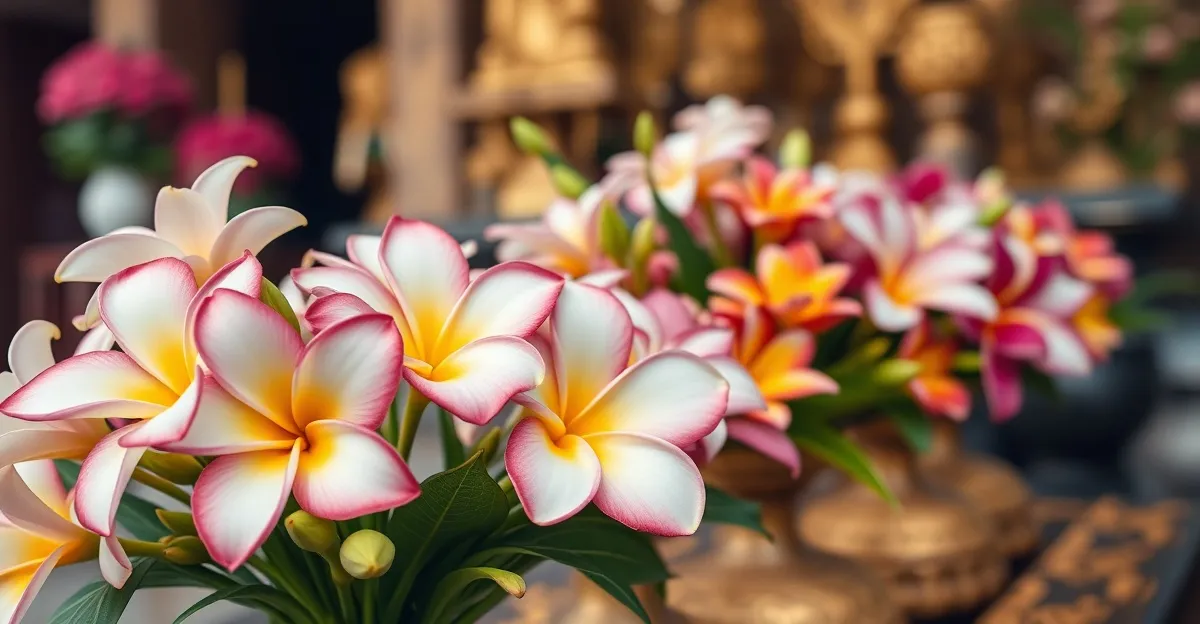
Bali's calendar is one of the densest ceremony calendars in the world. The island operates on three simultaneous calendar systems: the Gregorian calendar, the Islamic lunar calendar (relevant for Indonesian national holidays), and the Balinese Pawukon and Saka calendars that govern the cycle of Balinese Hindu ceremony life. The result is that almost every week has at least one ceremony day somewhere on the island — and several times a year, the whole island pivots toward major ceremonies simultaneously.
For a flower delivery service, this is something you plan around constantly. Here's how we do it, and what it means for your orders.
The ceremony calendar and its effect on flowers
Ceremony days in Bali create two specific challenges for flower delivery:
Supply chain pressure: On major ceremony days — Purnama (full moon), Tilem (new moon), Galungan, Kuningan, Pagerwesi, Saraswati, Nyepi preparation, and odalan (temple anniversary) days for significant temples — demand for ceremony flowers spikes dramatically. Every household in the relevant area is sourcing marigolds, frangipani, orchids, and champak for offerings. Wholesale market supply gets tight. The flowers that are available sell at higher prices, and some varieties sell out entirely before the commercial market can source them.
This matters for our deliveries because the same flowers that appear in our subscription arrangements and gift bouquets are sourced from the same markets and growers that supply ceremony needs. On big ceremony days, we source earlier, confirm availability in advance, and sometimes make substitutions where needed.
Road access and traffic: Processions, ceremonies, and temple events can temporarily affect road access in many parts of Bali. A significant odalan at a major temple can close the road adjacent to it for several hours. Galungan and Kuningan transform entire neighbourhoods with penjor (ceremonial bamboo poles). Ngaben (cremation) processions may close roads unexpectedly. In the more congested southern areas — Denpasar, Kuta, Seminyak, Sanur — ceremony-day traffic can add 30–60 minutes to delivery routes.
How the major ceremony calendar works
Understanding the pattern helps predict when these pressures occur:
Monthly Purnama (full moon) and Tilem (new moon): These are the most regular ceremony pressure points — occurring every 15 days and affecting household ceremony practice across the island. Market supply tightens predictably around these days. We account for this in our weekly sourcing schedule.
The Pawukon 210-day cycle: Major Balinese holidays fall in the 210-day Pawukon cycle. Galungan and Kuningan are the most significant, occurring approximately every seven months. In the lead-up to Galungan, the island's ceremony flower market is the busiest it gets all year — families purchasing marigolds, frangipani, and penjor materials in enormous quantities. For Galungan-adjacent deliveries, we source flowers three to four days early and ensure arrangements are water-conditioned to last.
Odalan (temple anniversaries): Every temple in Bali celebrates its anniversary every 210 days. With more than 20,000 temples on the island, odalan ceremonies happen constantly. Most affect only the immediate vicinity of the temple. Major odalan at significant temples (Pura Besakih, Pura Ulun Danu Bratan, Pura Tanah Lot) create regional traffic effects.
Nyepi: The Day of Silence shuts down deliveries entirely for 24 hours. We communicate clearly with subscribers and customers about Nyepi timing and adjust delivery windows accordingly. Orders are not delivered on Nyepi day; they're rescheduled to the day before or after.
Our advance planning process
For subscription deliveries, which are scheduled weekly, we cross-reference every delivery week against the Balinese ceremony calendar at the start of each month. When we identify a week where a significant ceremony day falls on or adjacent to our sourcing days:
Early sourcing: We source flowers one to two days earlier than normal. This means we're in the market before ceremony-demand pressure peaks, and we have access to the full range of available stock at normal prices.
Supplier confirmation: We contact our regular suppliers — growers in Bedugul for orchids and highland flowers, and trusted sellers at Pasar Kumbasari and regional markets — to confirm availability of the specific varieties we need for that week's arrangements.
Route planning: For delivery days that fall on or after major ceremony days, we map our delivery routes with known ceremony-affected roads flagged. We build in additional time buffers for congested areas and have alternative routes prepared.
Customer communication: For weeks where we anticipate any delivery window changes, we notify customers in advance — typically by the Tuesday before the affected delivery week — so they're not caught off guard.
What this means for your deliveries
For most weeks, the ceremony calendar is background context rather than something that directly affects your delivery. Our planning absorbs the complexity so your flowers arrive on time.
In weeks where major ceremony effects are likely, you may receive a notification letting you know that your delivery has been adjusted by a few hours or a day. This is always communicated in advance when possible.
The one firm exception is Nyepi. No deliveries happen on Nyepi day — this is non-negotiable and we give customers maximum advance notice to plan around it. For subscribers whose regular delivery day falls on Nyepi, we automatically shift to the nearest day (before or after) and confirm this with the customer.
Tips for customers around ceremony days
Order early around major ceremony periods: If you're placing a one-time order around Galungan, Kuningan, Nyepi preparation, or a significant temple ceremony, order five to seven days in advance rather than two to three. This gives us maximum flexibility on sourcing.
Be specific about time windows near ceremonies: If you're at a villa in an area you know will be affected by a nearby temple ceremony, tell us. We can factor in specific access constraints rather than discovering them on delivery day.
Consider the ceremony days as opportunities: Flower markets around major ceremony periods have extraordinary variety and energy. If you want to explore what's available and visit the market yourself, Purnama morning at Pasar Kumbasari is one of the most atmospheric experiences in Bali's material culture.
Know that substitutions are sometimes necessary: If a specific flower in our arranged style is not available due to ceremony demand, we always substitute with something of equivalent beauty and value. We never deliver a diminished arrangement — we just sometimes deliver a different one.

The team
your florists
weekly subscription · Bali
We write about flowers because we love them. We deliver them because someone should — properly, weekly, across Bali.
— heyflowerPay once for 3, 6, or 12 months, no auto-renewal.
Ceremony days as context for flower appreciation
One thing that living and working within the Balinese ceremony calendar does is make you deeply aware of how flowers are woven into community life here in ways that have no parallel in most other places. The heightened market activity before a big ceremony, the transformation of streets during Galungan, the quiet after Nyepi — these are not interruptions to normal life. They are Balinese normal life.
Understanding how last-minute Galungan flower ideas for Bali work — what's still available and accessible at the last minute — is useful for both ceremony and personal flower needs during these periods.
For the broader picture of how Bali's ceremony calendar shapes the flower year, bali ceremony days: a year-round flower calendar maps the full cycle.
FAQ
Which ceremony days most affect flower delivery in Bali? Galungan and the Galungan preparation week have the most significant impact on market supply. Nyepi is the only day with a complete delivery halt. Purnama and Tilem create regular mild pressure. Major odalan at significant temples affect local road access more than supply.
Will I always be notified if a delivery is affected by a ceremony day? Yes, we communicate proactively whenever we anticipate any delivery adjustment. You won't be left wondering — if something changes, you'll know why and when to expect your delivery.
Can I request delivery on a specific ceremony day? For most ceremony days, yes — we plan around them and deliver normally. Nyepi is the exception. If you have a specific deadline around a ceremony period, let us know and we'll confirm what's possible.
Does the ceremony calendar affect prices? Sometimes. Flowers sourced during peak ceremony demand periods can cost more at market. We absorb these fluctuations wherever possible rather than passing them on per order. For extreme supply-demand situations (which are rare), we communicate openly about what's driving any price differences.
How do I know when the next major ceremony day is in Bali? Several free apps and websites list the Balinese ceremony calendar in English. Search "Balinese ceremony calendar" or "Bali Pawukon calendar" for reliable sources. Our customer communications also flag upcoming ceremony periods that will affect deliveries.
Ready to bring fresh flowers to your Bali home or event? Explore our weekly flower subscription and get handpicked blooms delivered to your door every week.



