Snapdragon in Balinese ceremonies: traditional uses in Bali
Snapdragons have no deep roots in Balinese ceremony — but they're increasingly visible in contemporary Bali weddings and events. Here's the real picture of how they fit in.
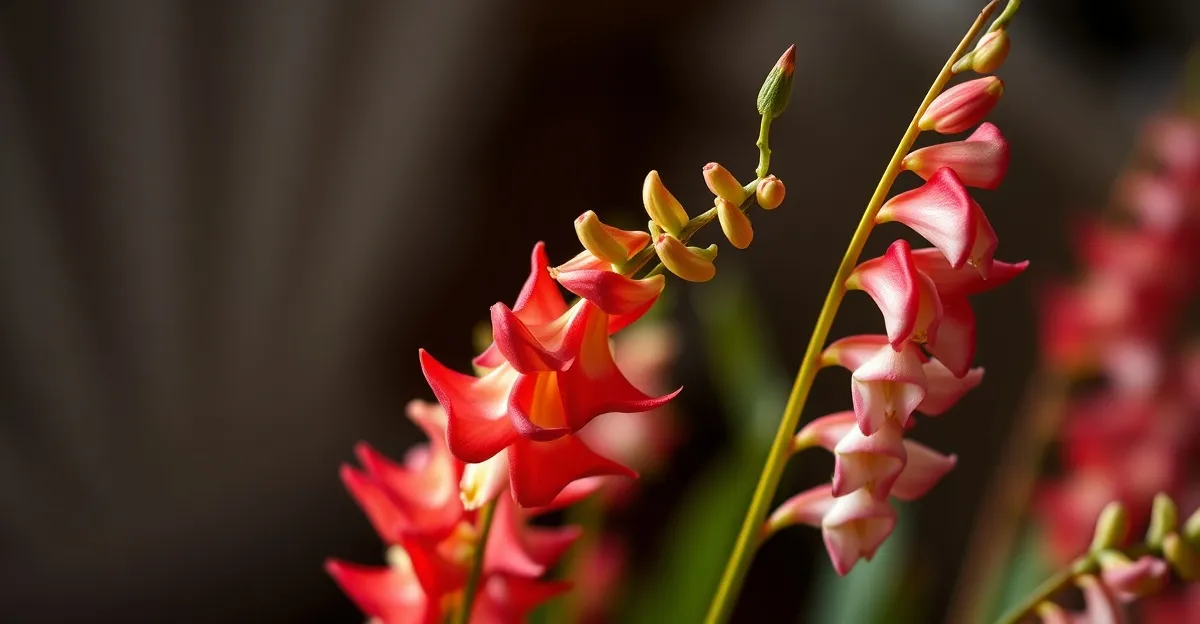
Let's start with honesty: the snapdragon is not a traditional Balinese ceremony flower. It has no ancient sacred meaning in Balinese Hindu ritual, it does not appear in the offerings that have been made at temple shrines for hundreds of years, and a pemangku (temple priest) will not request snapdragons for a ceremony in the way they would specify lotus, frangipani, or marigold.
What is true is that snapdragons have found a genuine place in contemporary Bali's ceremony world — specifically at the intersection of traditional Balinese ceremony and the international wedding and event industry. Understanding where they fit, and where they do not, helps you use them appropriately.
The traditional flower vocabulary of Bali
To understand the snapdragon's position, you need the context of what does carry traditional ceremonial weight.
Balinese Hindu ceremony uses flowers as living offerings — sensory gifts to the divine that carry meaning through color, fragrance, and form. The core ceremonial flowers in Bali have been consistent for generations:
Jepun (frangipani, Plumeria species): The most sacred of all Balinese ceremony flowers. Its white and yellow forms appear in the canang sari daily offering, in garlands worn at ceremony, and in temple decoration. The frangipani is specifically Balinese in its cultural coding — you will not encounter its ceremonial significance this deeply anywhere else.
Marigold (Tagetes erecta): The workhorse of Balinese ceremony. Cheap, abundant, and carrying the yellow-orange colors associated with solar deities and prosperity, marigolds appear in virtually every ceremony context from daily canang sari to elaborate gebogan towers.
Lotus (Nelumbo nucifera): The most sacred flower in broader Hindu and Buddhist traditions. In Bali, the lotus represents divine purity and the rising of consciousness from base conditions. It appears at the highest sacred levels of ceremony.
Chrysanthemum (pom-pom varieties): Widely used for their abundance and structure in gebogan and altar decoration.
These flowers are embedded in the system. Snapdragons are not.
Why snapdragons appear in contemporary Bali ceremony
Despite their absence from traditional ceremony, snapdragons have become genuinely visible in certain Bali ceremony contexts:
International weddings in Bali. The international wedding market in Bali — couples from Australia, Europe, North America, Singapore, Japan, and across Asia choosing Bali for destination weddings — creates demand for flowers that carry meaning within international floral traditions. Snapdragons are a well-established cut flower in these traditions, carrying symbolism around strength, resilience, and depth of character. For a couple who knows snapdragon symbolism and wants it present in their ceremony, Bali's florists can source and arrange them.
Hybrid Bali-international ceremonies. Many contemporary Balinese weddings, particularly in the urbanized areas of Denpasar, Kerobokan, and Seminyak, blend Balinese Hindu ritual with international reception elements. The ceremony itself uses traditional flowers; the reception décor might incorporate imported flowers including snapdragons. This is a natural evolution of ceremonial aesthetics that florists who work in this space navigate regularly.
Corporate and hospitality events. Bali's large hospitality and events sector — luxury hotels, retreat centers, corporate event venues — creates demand for elaborate floral installations that draw on international aesthetics. Snapdragons appear in this context as a structural and visually impactful cut flower, without any ceremonial requirement to adhere to traditional Balinese flower selection.
The ceremony versus decoration distinction
When Balinese florists and ceremony coordinators think about flowers for a ceremony event, they distinguish between two categories:
Ritual flowers: Used in actual offerings and sacred ritual elements — canang sari, banten, gebogan, altar decoration, garlands for ceremony participants. These should follow traditional Balinese norms. Snapdragons do not belong here.
Decoration flowers: Used in the physical space surrounding and supporting ceremony — arch structures, table arrangements, aisle decoration, venue decoration for reception. Here, the constraints are aesthetic and logistical rather than ritual, and imported flowers like snapdragons are entirely appropriate.
This distinction matters practically. If you are working with a Bali florist on a wedding that includes both traditional Balinese ceremony elements and international-style reception décor, the snapdragons belong in the second category, not the first.
For ideas on spectacular ceremony installation flowers, see our guide to 10 dramatic flower picks for a Bali wedding aisle and event flower packages for a rice field pavilion in Bali for ideas that work in Bali's outdoor ceremony spaces.
Snapdragons in Bali's religious calendar events
The major events of the Balinese religious calendar — Galungan, Kuningan, Nyepi, Saraswati, and the many odalan temple festivals — are times when the island's flower needs shift dramatically toward traditional ceremony flowers.
During these periods, the market is focused on marigolds, frangipani, white chrysanthemums, and locally grown ceremony blooms. Florists handling international events during ceremony seasons need to plan carefully because:
- Ceremony flower demand puts pressure on the entire supply network
- Transport and logistics may be affected by ceremony-related closures or reduced operations
- The cultural atmosphere of the island is focused on traditional practice rather than international event aesthetics
Snapdragons for international events during these periods need to be ordered well in advance through florists who have established supply chains independent of the local ceremony market.
How Balinese families view snapdragons
For most Balinese Hindu families, snapdragons are simply an attractive imported flower that appears in florist shops and in the decoration of international events. They carry no specific negative association — they are not inappropriate or disrespectful. They simply do not carry the sacred weight that comes with traditional ceremony flowers.
For a Balinese family receiving a gift of snapdragons as a personal gesture (not a ceremony-specific gift), the flowers are received as a quality, thoughtful gift. For a gift intended to connect to Balinese spiritual life — something offered during a ceremony period, or brought to a family's shrine — traditional flowers are more appropriate and more meaningful.
This is the same principle as bringing appropriate gifts for any cultural occasion: the gesture is enhanced when it connects with the recipient's cultural world.

The team
your florists
weekly subscription · Bali
We write about flowers because we love them. We deliver them because someone should — properly, weekly, across Bali.
— heyflowerPay once for 3, 6, or 12 months, no auto-renewal.
Sourcing snapdragons for events in Bali
For events in Bali that want to incorporate snapdragons:
Lead time: Snapdragons are not always in stock at Bali's daily flower markets. For event quantities, 2–3 weeks advance notice to a florist is standard; 4–6 weeks for weddings or larger events.
Source: Most cut snapdragons come from highland farms in East Java (Malang/Batu region) or occasionally from international suppliers through Jakarta. Your florist manages this supply chain.
Availability variation: Snapdragon availability in Bali is more variable than locally grown flowers. Wet season months (November–February) can have supply disruptions. Have a backup conversation with your florist.
Price: Snapdragons are moderately priced cut flowers in Bali — more expensive than local marigolds or chrysanthemums but less expensive than premium imported roses or orchids. Pricing at retail typically runs Rp 5,000–15,000 per stem depending on variety and season.
For more on working with a Bali florist to source the right flowers for events and ceremonies, see our guide to how to choose a florist in Bali: 10 things to check.
FAQ
Are snapdragons ever used in traditional Balinese canang sari offerings? No. The canang sari uses small, compact, locally available flowers — frangipani, marigold, hibiscus, croton leaves. Snapdragons are too large, too expensive, and too import-dependent for daily offering use. They carry no traditional coding in the Balinese offering system.
Can snapdragons be brought to a Balinese temple? Not as offerings — offering flowers should follow traditional norms. But as part of visiting respectfully (as flowers you carry into the temple compound), there is no specific prohibition. Temples typically have vendors selling appropriate offering flowers at the entrance for visitors to purchase.
Do Balinese florists work with snapdragons for international events? Yes, regularly. Florists in Bali who service the international wedding and hospitality market are experienced with snapdragons and other imported flowers that do not appear in traditional ceremony context but are appropriate for event decoration.
What ceremonies in Bali would it be appropriate to bring snapdragons to? None, as offering flowers. As personal gifts to someone attending a ceremony (a thank-you gift for hospitality, for example), snapdragons are fine as a personal gesture independent of the ceremony itself.
If I'm attending a traditional Balinese ceremony as a guest, what flowers should I bring? Bring offerings appropriate to the ceremony type — in most cases, a small canang sari purchased at the temple entrance, or a small banten prepared with traditional flowers is appropriate. Your host can advise on what is expected. For bringing a personal gift rather than an offering, consult with someone familiar with the family's customs.
Ready to bring fresh flowers to your Bali home or event? Explore our weekly flower subscription and get handpicked blooms delivered to your door every week.
More on Snapdragon