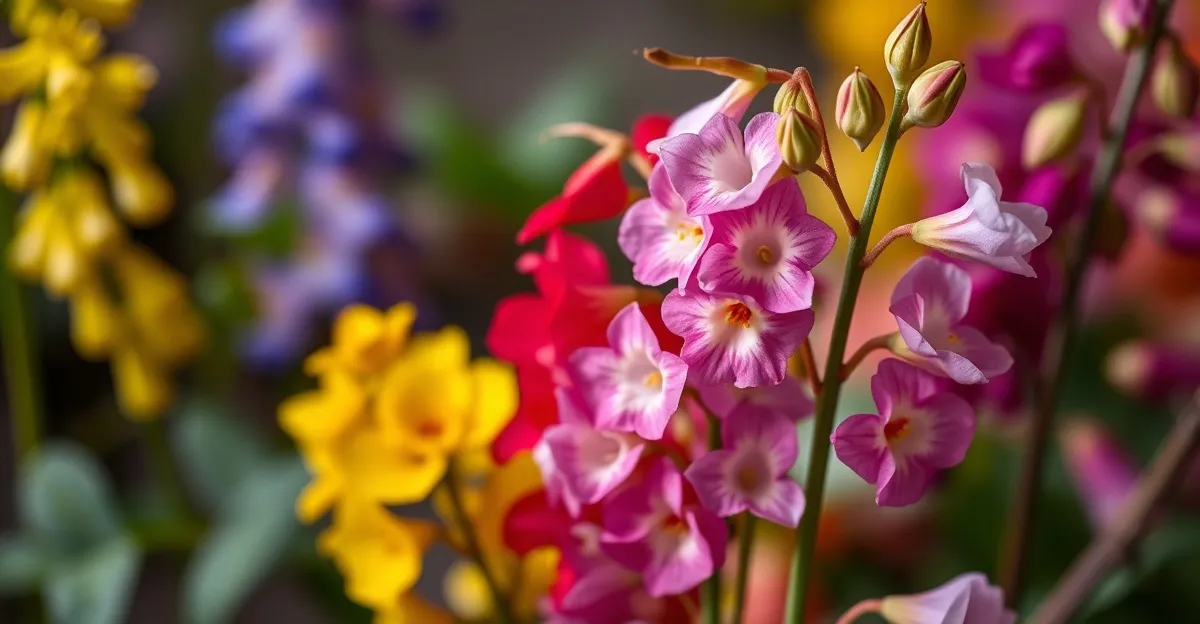
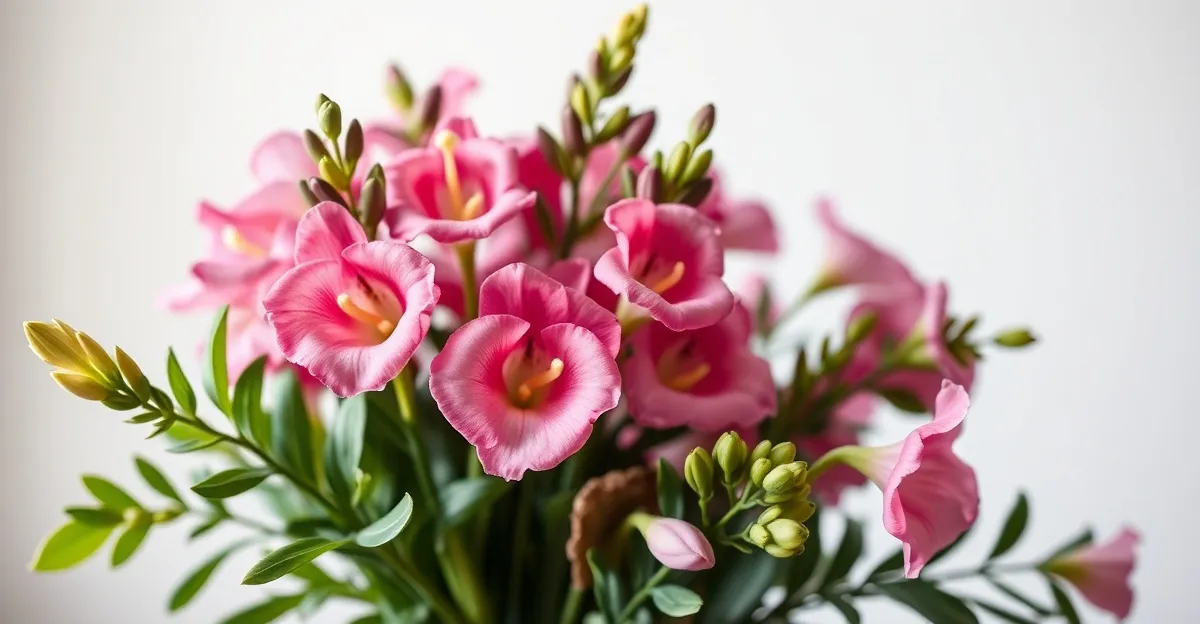
How to care for snapdragon in Bali's humid climate
Snapdragons are cool-season flowers facing a warm, humid tropical climate in Bali. Here's how to keep them looking their best for as long as possible in your Bali home.
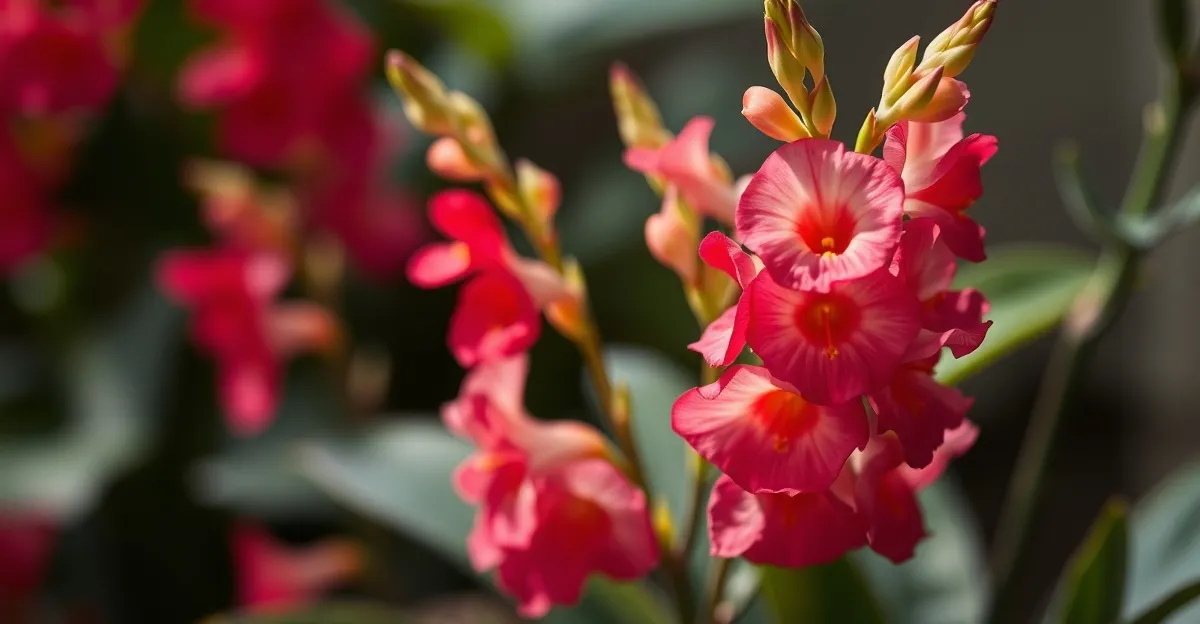
Snapdragons are naturally a cool-season flower. They thrive in temperate spring and autumn conditions — temperatures around 15–21°C, moderate humidity, good airflow. Bali offers something quite different: year-round heat typically ranging from 27–32°C on the coast, humidity that sits above 70% even in the dry season, and very little of the cool air that snapdragons prefer.
This does not mean snapdragons cannot be enjoyed in Bali. It means you need to approach their care with more intention than you would in a cooler climate. With the right handling, you can reliably get 5–8 days of good vase life and avoid the frustrating scenario of premium flowers wilting within a day or two of arrival.
Understanding what snapdragons need
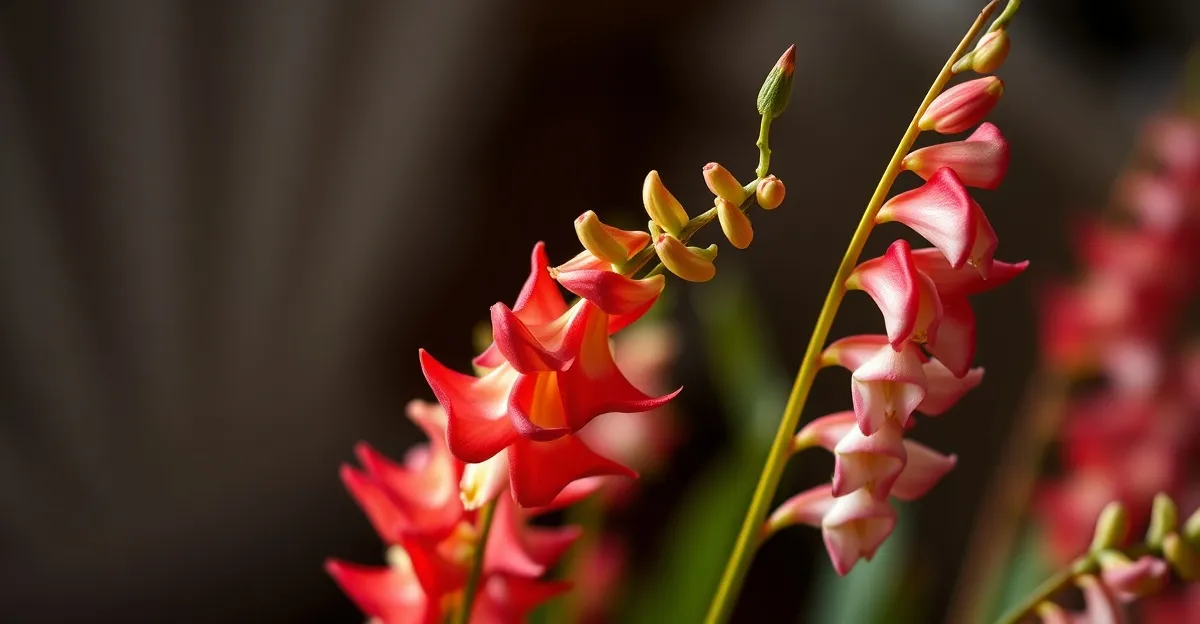
Before the care tips, it helps to understand what the flower is trying to do. Snapdragons (Antirrhinum majus) produce their spikes sequentially — the bottom florets open first, then progressively up the spike. In a fresh stem, many florets are still in bud form at purchase time. The vase life question is partly about how long the stem lasts overall and partly about whether the upper buds open before the lower florets fade.
In Bali's heat, flower metabolism accelerates — buds open faster and petals age more quickly than they would in cooler conditions. Bacteria in vase water multiply faster. This means your care interventions need to work harder to counteract environmental pressure.
Step 1: The moment the flowers arrive
The first 30–60 minutes after your snapdragons arrive are the most important for vase life.
Recut the stems. Cut 2–3cm off each stem at a 45-degree angle. The angle creates more surface area for water uptake. Do this with a clean, sharp knife or scissors. Avoid crushing the stem ends — a clean cut is significantly better than a blunt cut.
Remove all lower leaves. Any foliage that would sit below the waterline must come off. Leaves submerged in water rot within hours in Bali's heat, turning the water into a bacterial soup that clogs the stem ends and dramatically shortens vase life.
Plunge immediately into water. Do not leave cut stems exposed to air for more than a few minutes. Place straight into a clean vase with fresh water.
Step 2: Water quality and temperature
Use clean, cool water. Tap water is fine in most areas of Bali (Seminyak, Canggu, Ubud all have reasonable tap quality). For locations where you are uncertain about water quality, bottled water is worth using for the initial fill.
Keep water cool. This is the most impactful thing you can do to extend snapdragon life in Bali. Warm water encourages bacterial growth and speeds up cell respiration in the stems. Fill your vase with water that has been through your refrigerator or at minimum, the cooler tap water from your first morning tap run.
Flower food: Sachets of commercial flower food (often included with florist deliveries or available at some nurseries in Denpasar) contain a mix of sugar (for nutrition), biocide (to slow bacterial growth), and acidifier (to lower pH and improve water uptake). In Bali's warm conditions, these can extend vase life noticeably. Use them if you have them.
DIY flower food: A simple alternative: 1 teaspoon of sugar + a few drops of bleach (to control bacteria) per liter of water. Cheap and effective.
Step 3: Placement in your space
Where you put your snapdragons matters enormously in Bali.
Best spots:
- On a shaded dining table away from direct sun
- In an air-conditioned room — the lower temperature and humidity make a significant difference
- Away from fruit bowls (ripening fruit releases ethylene gas, which accelerates flower aging)
- Away from fans blowing directly on the flowers (dries out petals quickly)
Worst spots:
- In afternoon sun streaming through west-facing windows — this will cook the petals within an hour
- Near the kitchen where heat and steam are constant
- On an outdoor terrace or balcony, even a covered one, where heat and outdoor air are uncontrolled
- Near air conditioning vents blowing directly on flowers (cold, dry air dehydrates petals)
Step 4: Water changes every 2 days
In Bali's heat, vase water becomes cloudy and bacteria-heavy faster than in cooler climates. Change the water every 2 days — not every 4 or 5 as you might in a temperate climate.
Each time you change the water:
- Remove the flowers from the vase.
- Wash the vase with soap and hot water. Do not skip this — bacterial biofilm builds on the interior and contaminates fresh water immediately.
- Recut the stem ends by 1cm to open fresh uptake channels.
- Remove any florets that have browned and fallen off the lower part of the spike.
- Refill with fresh, clean, cool water.
Managing the blooming progression
Snapdragon spikes bloom from bottom to top. In Bali's warmth, this progression happens faster than in cool climates — sometimes noticeably so. You can influence the pace:
To slow blooming: Keep in a cooler room. If you have air conditioning, this is your strongest tool.
To encourage upper buds to open: Move to a warmer, brighter spot for a day (but not direct sun, which damages petals).
Accepting the progression: As the lower florets fade and drop, the spike is still beautiful with mid and upper florets opening. Do not discard stems when the bottom third fades — the top is still coming. Simply remove the spent lower florets by hand to keep the arrangement looking clean.
When to recut stems significantly
If your snapdragons have been in a vase for 3–4 days and you want to reset them, a more significant recut helps. Take 5–7cm off the stem rather than the standard 1–2cm, cutting into stem tissue that has not yet been exposed to the bacterial environment of the vase water. Place in fresh water with flower food. This can add 2–3 days of additional life.

The team
your florists
weekly subscription · Bali
We write about flowers because we love them. We deliver them because someone should — properly, weekly, across Bali.
— heyflowerPay once for 3, 6, or 12 months, no auto-renewal.
Using your environment
For those with a truly cold room available — a restaurant with a walk-in cooler, or similar — keeping snapdragons there overnight and bringing them out for the day is the ultimate way to extend life in tropical conditions. Most home dwellers do not have this option, but those in hospitality settings do.
Even without a cooler, placing flowers in the coolest room of your villa or apartment overnight (often a bathroom with good ventilation, oddly enough, or a corner away from heat sources) and moving them to a central display spot during the day is worth doing.
For regular fresh flowers delivered to your space without the sourcing work, our weekly flower subscription handles selection and delivery every week.
Signs your snapdragons are struggling
Know what to watch for so you can intervene early:
Wilting when water level is fine: Stem blockage. Recut stems immediately and change water.
Cloudy water: Bacterial growth. Change water, wash vase, recut stems. Do not wait for the scheduled water change.
Petals turning brown at edges but flowers otherwise firm: Ethylene exposure (near ripening fruit?) or very low humidity from air conditioning blasting directly on flowers. Move the arrangement.
Stems becoming slimy at the cut end: Severe bacterial overgrowth. Recut significantly, sanitize vase, and use flower food or diluted bleach in fresh water.
Drooping tips on otherwise firm spikes: Normal in warm conditions — the growing tip droops slightly as it extends. Not a sign of poor health.
FAQ
How long can snapdragons realistically last in Bali? With proper care (recutting, water changes every 2 days, cool placement), 5–8 days is a realistic target. In an air-conditioned room with consistent care, 8–10 days is achievable. Without intentional care in a warm, uncontrolled environment, expect 2–4 days.
Should I refrigerate my snapdragons overnight in Bali? If you have space in your refrigerator and an arrangement small enough to fit, yes — overnight refrigeration significantly extends vase life in tropical conditions. Keep them away from produce (ethylene exposure) and make sure the refrigerator is not so cold that it freezes the petals.
Why are my snapdragon buds not opening? Most commonly: the room is too cool (unlikely in Bali), the stem ends are blocked (recut), or the stems were out of water too long before purchase. Recut stems in fresh warm water and move to a warmer spot for a day.
Can I mist my snapdragons to help with humidity? A light misting of the leaves (not the petals) can help with hydration in very dry air-conditioned environments. Avoid misting the flowers directly — wet petals in Bali's heat can develop mold quickly.
My snapdragons arrived looking droopy — can I revive them? Often yes. Fill a deep container with cool water to nearly stem height, recut the stems, and submerge the stems for an hour. Then move to a vase with fresh water. This intensive hydration can revive significantly wilted flowers.
Ready to bring fresh flowers to your Bali home or event? Explore our weekly flower subscription and get handpicked blooms delivered to your door every week.
More on Snapdragon