Peony in Balinese ceremonies: traditional uses in Bali
Do peonies have a role in traditional Balinese ceremonies? The honest answer, plus what flowers actually matter in Balinese Hindu ritual.
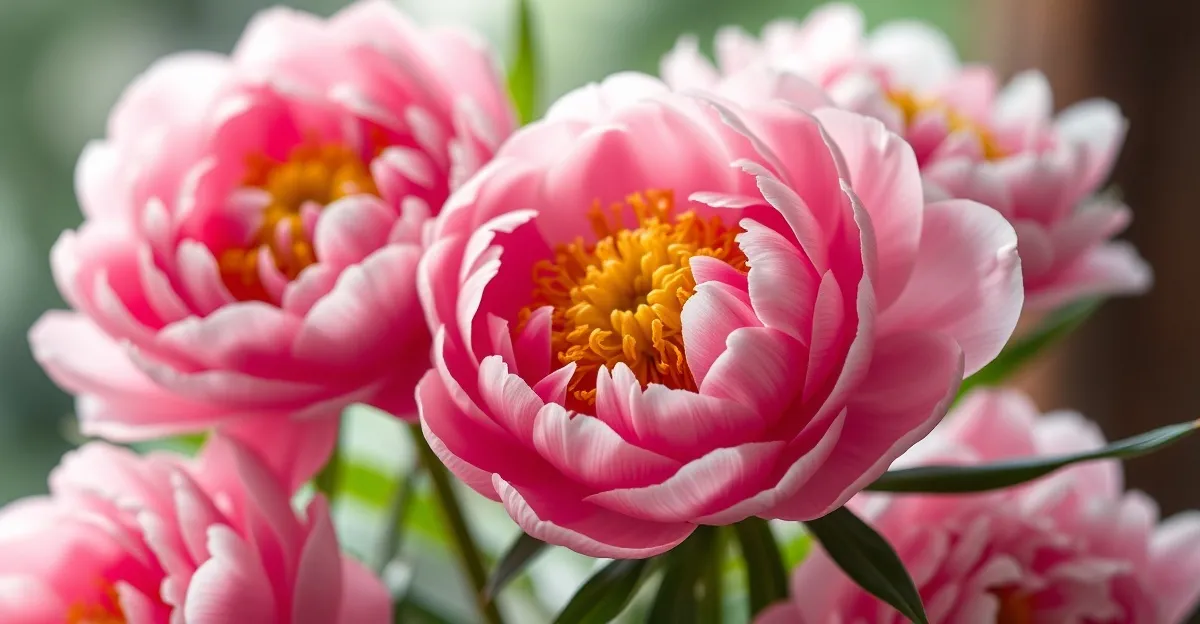
When people who love peonies come to live in Bali, they sometimes wonder whether this spectacular flower has found its way into the island's rich ceremonial traditions. It's a natural question — Bali is a place where flowers are woven deeply into daily spiritual practice, and peonies are so beautiful that imagining them on a temple altar feels plausible.
The honest answer is that peonies have no traditional role in Balinese ceremonies. They don't appear in canang sari offerings, they aren't used in tooth-filing or cremation rituals, and they don't feature in the religious taxonomy of flowers that Balinese Hinduism has developed over centuries. But that answer opens onto a much more interesting story — about which flowers do matter in Bali, why they matter, and how the island's relationship with imported luxury flowers like peonies has developed alongside its traditional practices.
Why peonies don't appear in traditional Balinese ceremonies
The absence of peonies in Balinese ceremonial culture is simple to explain: the flower doesn't grow in Bali, and never has. Balinese Hindu ceremonial traditions evolved over many centuries using the flowers that were locally available. The entire botanical vocabulary of Balinese ritual is built from tropical species — frangipani, marigold, jasmine, hibiscus, lotus, and others that thrive in Bali's equatorial climate.
This isn't just historical accident. In Balinese Hindu practice, the selection of flowers for offerings carries spiritual meaning that has been carefully transmitted from priests (pedanda and pemangku) to communities over generations. The specific flowers used in different ceremonies are prescribed, not improvised. Substituting an imported flower with no established spiritual meaning would be ritually inappropriate, not just aesthetically unusual.
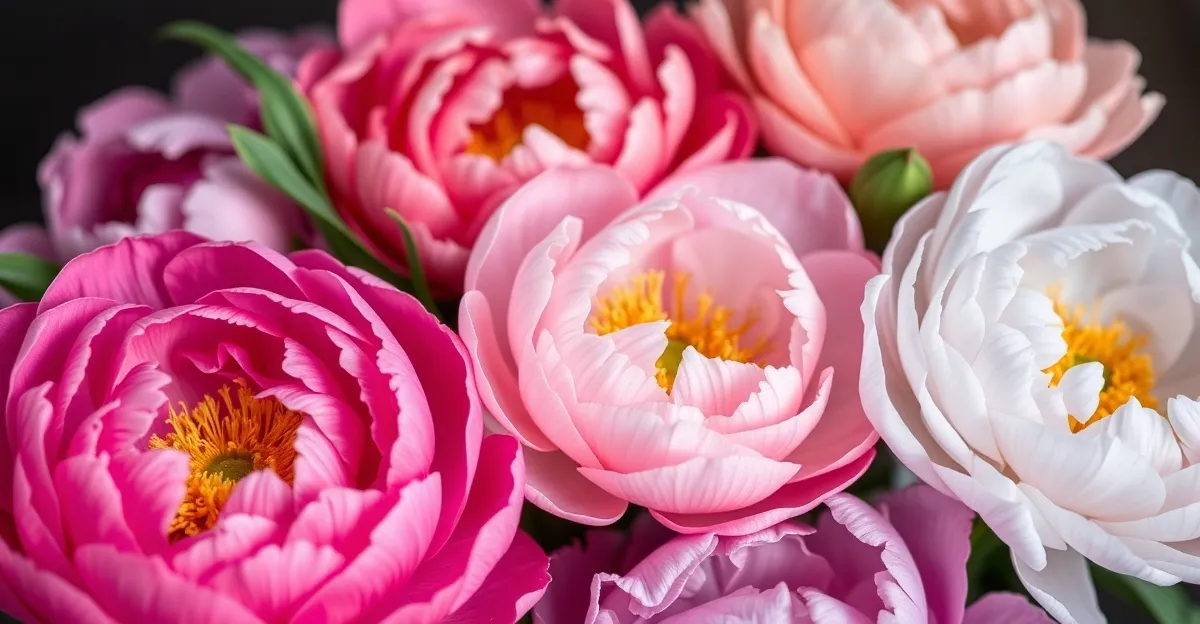
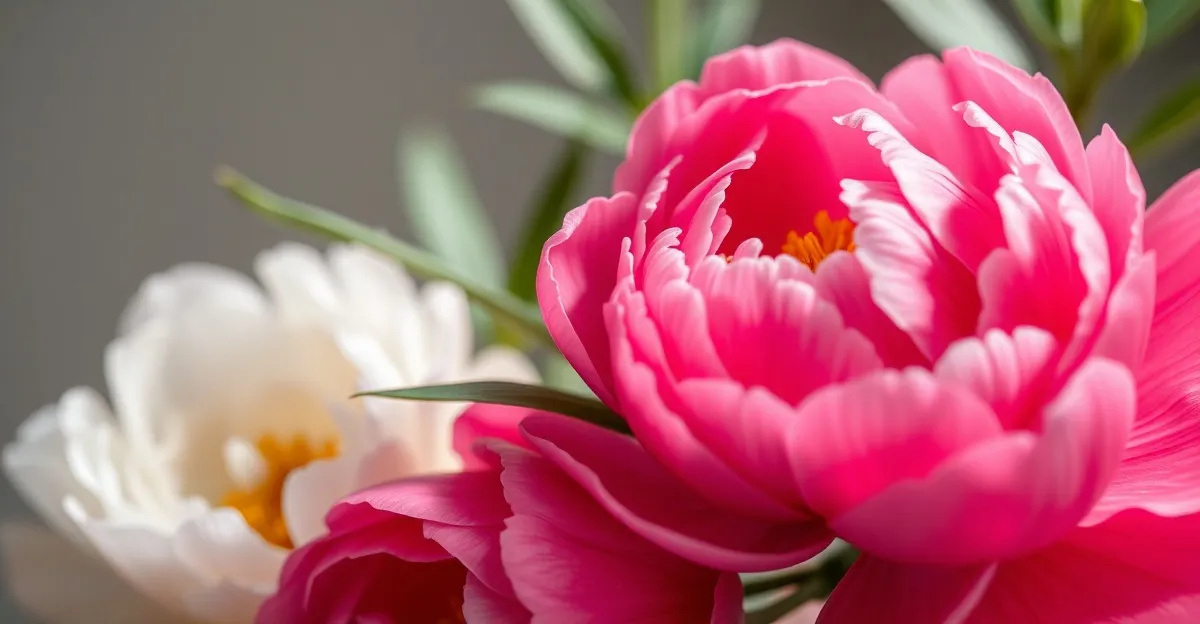
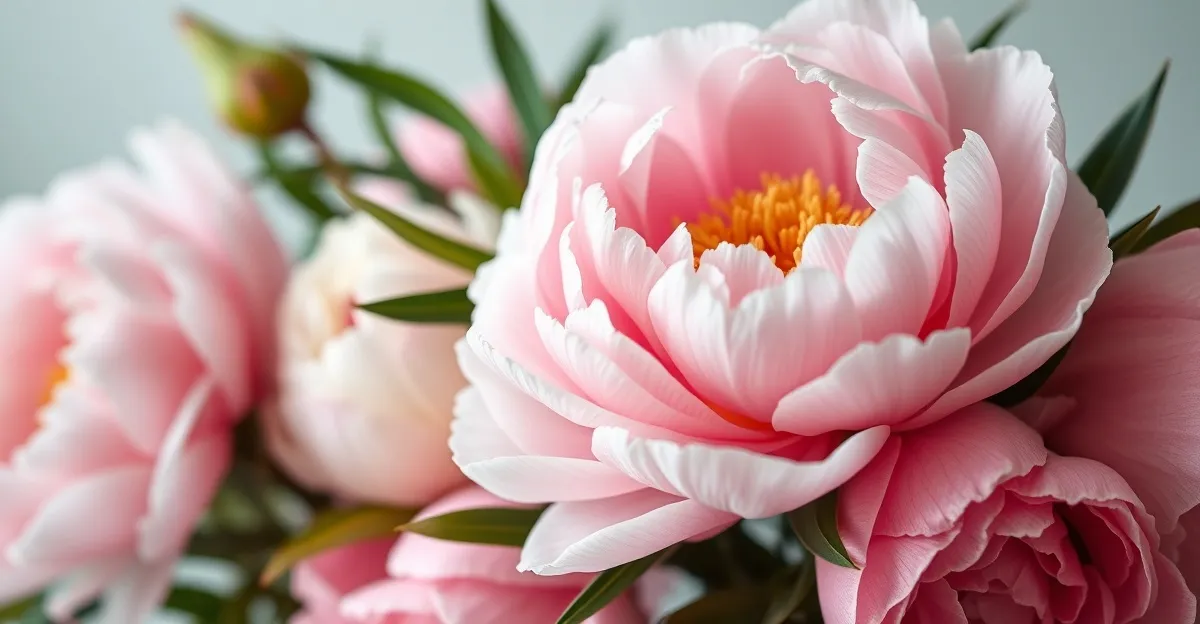
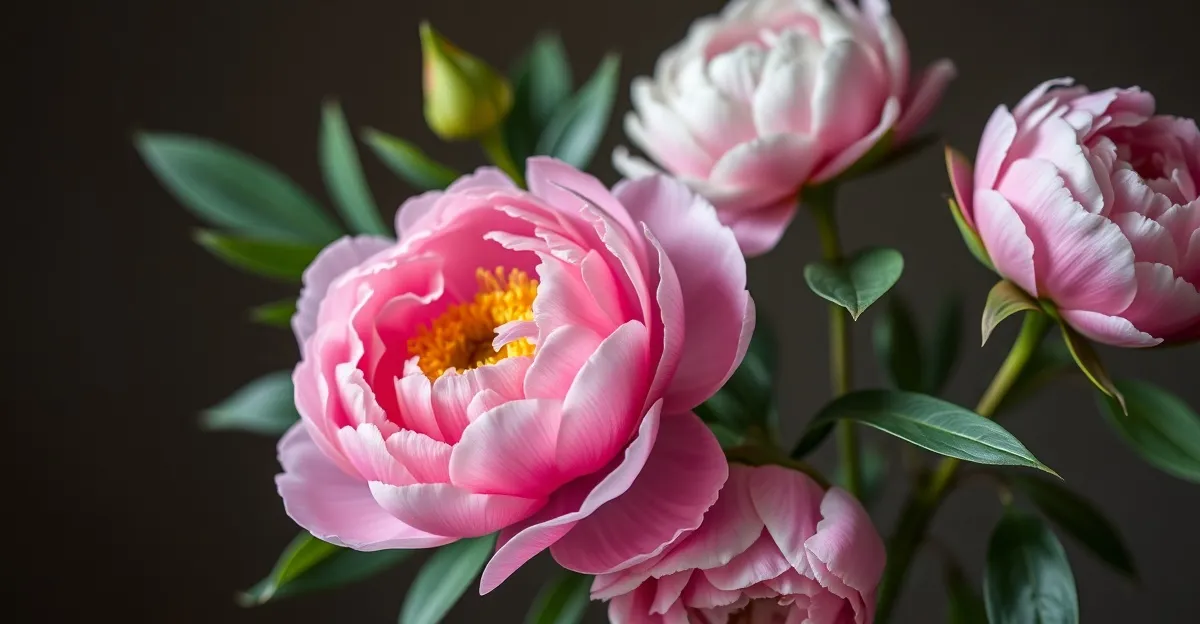
Peonies, however gorgeous, arrived in Bali's consciousness only through modern commerce and the island's cosmopolitan cultural exchange — primarily via the wedding industry and luxury hospitality. They exist in Bali's floral landscape, but in a secular and decorative capacity rather than a sacred one.
The flowers that actually matter in Balinese ceremonies
To understand peonies' absence, it helps to understand what's present.
Frangipani (jepun)
The most iconic flower in Balinese ceremony. Frangipani blooms — white, yellow-centred, with their unmistakable fragrance — appear in virtually every form of Balinese offering. They float in holy water, are woven into hair, placed on temple altars, and scattered at cremation ceremonies. The flower is so central to Balinese spiritual life that it's almost impossible to separate the two.
Frangipani trees (Plumeria) grow abundantly across Bali, in temple courtyards and family compound gardens alike. Their availability is part of why they became central — a flower used daily in religious practice must be accessible to every family, not imported.
Marigold (gemitir)
Marigolds are the vibrant orange backbone of many ceremonial offerings. Their warm colour associates them with fire, the sun, and the Brahma deity in Balinese theology. During Galungan — one of Bali's most important celebrations, marking the victory of dharma over adharma — streets are lined with penjor bamboo poles decorated in part with marigold garlands.
The marigold's significance in Balinese ceremony is shared with other Hindu traditions across Asia, particularly in India where marigolds are equally central to religious practice. The flower's durability, its vivid colour, and its ability to be grown in abundance all contribute to its ceremonial importance.
White hibiscus (pucuk)
The white hibiscus holds particular sacred significance in Balinese Hinduism. It's used in specific high-level ceremonies and is associated with purity and the divine. The flower's brief, single-day bloom — it opens in the morning and falls by afternoon — carries symbolism about the transient nature of beauty and the importance of presence.
Lotus (padma)
The lotus holds deep symbolic importance across all Hindu and Buddhist traditions, and Bali is no exception. It symbolises spiritual purity, the ability to emerge from murky water (the world's suffering) in pristine form. Sacred lotus (Nelumbo nucifera) is used in high-level ceremonies and is closely associated with the goddess Saraswati, Balinese Hinduism's deity of knowledge and the arts.
Canang sari: the daily offering
The canang sari is the small daily offering made by Balinese women as an expression of gratitude. These palm-leaf trays hold small amounts of flowers, incense, and sometimes food. They appear everywhere in Bali — on doorsteps, at shopfronts, at street corners, at temple gates.
The flower selection in canang sari is specific and meaningful. The four cardinal directions each have associated colours and flowers: white for the east, red for the south, yellow for the west, blue or purple for the north. These are chosen from the local flower vocabulary — hibiscus, marigold, frangipani, plumeria — that has been used for centuries.
There is no place for peonies in canang sari, and attempting to use them would be culturally presumptuous for any outsider. But watching the daily ritual of canang sari creation — the quiet dexterity of folding palm leaves, selecting flowers, placing incense — is one of the most profound experiences Bali offers. It's a ceremony of flowers that has nothing to do with imported luxury blooms and everything to do with the relationship between a community and the land that feeds it.
Modern Balinese weddings: where peonies enter the picture
While traditional Balinese Hindu weddings use locally grown ceremonial flowers, contemporary weddings in Bali — particularly the internationally influenced celebrations favoured by expatriates and destination wedding couples — have created a market for luxury imported flowers including peonies.
These weddings operate somewhat separately from traditional Balinese ceremony. A destination wedding in Canggu might involve a symbolic blessing ceremony with traditional Balinese elements alongside an internationally styled floral design featuring peonies, roses, and ranunculus. The two traditions coexist rather than merge.
Some Balinese wedding families with more international orientation have begun incorporating imported flowers into their celebrations as well — a sign of prosperity and cosmopolitan taste. But the ceremonial elements of a Balinese Hindu wedding retain their traditional flower palette regardless of what decorates the reception tables.
For those planning a Bali wedding that honours both worlds, working with a florist who understands both traditional Balinese floral culture and international wedding aesthetics is invaluable.

The team
your florists
weekly subscription · Bali
We write about flowers because we love them. We deliver them because someone should — properly, weekly, across Bali.
— heyflowerPay once for 3, 6, or 12 months, no auto-renewal.
The respectful relationship between outsiders and Balinese flower culture
If you're visiting or living in Bali and want to engage meaningfully with the island's flower culture, here are a few things worth knowing:
Don't buy canang sari offerings from roadside vendors to photograph. These are sacred objects, not tourist products. The ones sold for tourists are generally made for that purpose, but the line can be blurry.
Do learn to recognise the ceremonial flowers. Knowing that frangipani has spiritual significance, or that white hibiscus is particularly sacred, changes how you see the island. It turns a landscape full of beautiful plants into a readable spiritual text.
Do support local flower growers. Some of Bali's ceremonial flowers — marigold, frangipani, certain jasmine varieties — are grown by local farmers and sold at flower markets (pasar bunga). Buying from these markets supports an economy tied to Balinese ceremonial culture.
For beautiful flowers to brighten your own home or gift to someone in Bali — whether peonies when in season, or our curated tropical arrangements year-round — explore heyflower.co's subscription options at /#subscriptions. We deliver across Canggu, Berawa, Pererenan, Seminyak, and Kerobokan.
Frequently Asked Questions
Are peonies ever used in Balinese Hindu rituals?
No. Traditional Balinese Hindu ceremonial practice uses locally grown flowers with established spiritual meanings. Peonies have no traditional role in Balinese ceremony and aren't prescribed by religious practice. Their presence in Bali is entirely secular and decorative.
What flowers should I bring to a Balinese temple visit?
If you're visiting a Balinese temple and want to make an offering, white frangipani is always appropriate. Many temples have attendants who can help you create a small offering if you're uncertain. Never bring flowers with strong commercial connotations — roses and peonies would feel out of place.
Can I give peonies as a gift to a Balinese Hindu family?
Yes, peonies as a decorative gift are understood and appreciated. Most Balinese people are very familiar with imported luxury flowers through the wedding and hospitality industries. The gift would be received as the beautiful decorative offering it's intended to be, separate from the ceremonial flower vocabulary.
What is the significance of the lotus in Bali?
The lotus represents spiritual purity and is one of the most sacred flowers in Balinese Hinduism. It's associated with Saraswati, goddess of knowledge, and appears in temple iconography extensively. Sacred lotus grows in the decorative ponds of many Balinese temples and is used in high-level ceremonies.
Why do Balinese women make offerings with flowers every morning?
The daily canang sari is an expression of gratitude for life's blessings and a way of maintaining harmony between the human world and the spiritual world. Balinese Hinduism emphasises the importance of maintaining this balance through regular ritual action. The morning offering is so fundamental that it's essentially inseparable from Balinese daily life.
More on Peony