How to Care for Orchid in Bali's Humid Climate
Orchids actually love Bali's tropical climate — if you care for them right. Here's how to keep your orchid plants thriving and blooming year-round.
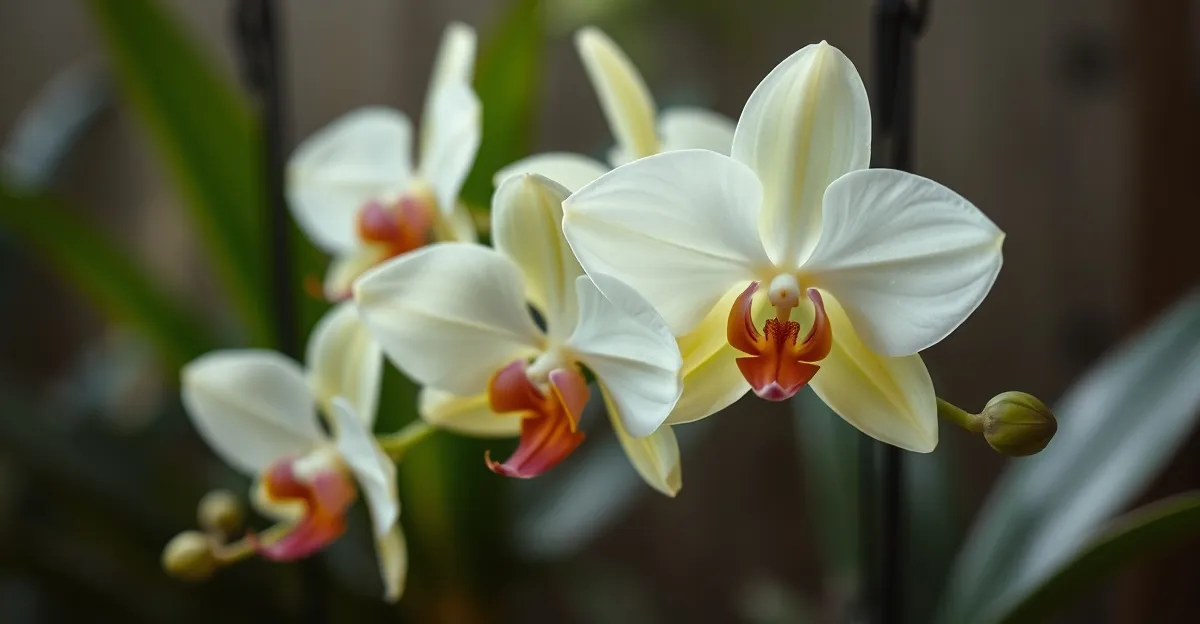
Here's something that surprises people who have killed orchids in apartments back home: orchids are tropical plants. They come from the same climate families as Bali's own landscape. The reason orchid plants die in glass-walled Singapore offices or temperature-controlled London flats is that those environments are nothing like where orchids evolved. Bali, with its warmth and humidity, is actually much closer to an orchid's natural habitat.
The trick is understanding which aspects of Bali's climate an orchid loves (warmth, humidity, bright indirect light) and which aspects it needs to be protected from (waterlogged roots, direct sun, temperature extremes from air conditioning).
This guide covers practical care for the orchid varieties you're most likely to encounter in Bali: potted phalaenopsis plants (the most common gift orchid), cut dendrobium stems (widely used in arrangements and ceremony), and potted dendrobiums (which grow happily as garden and terrace plants).
Phalaenopsis Orchids: The Potted Gift Orchid
What Phalaenopsis Loves in Bali
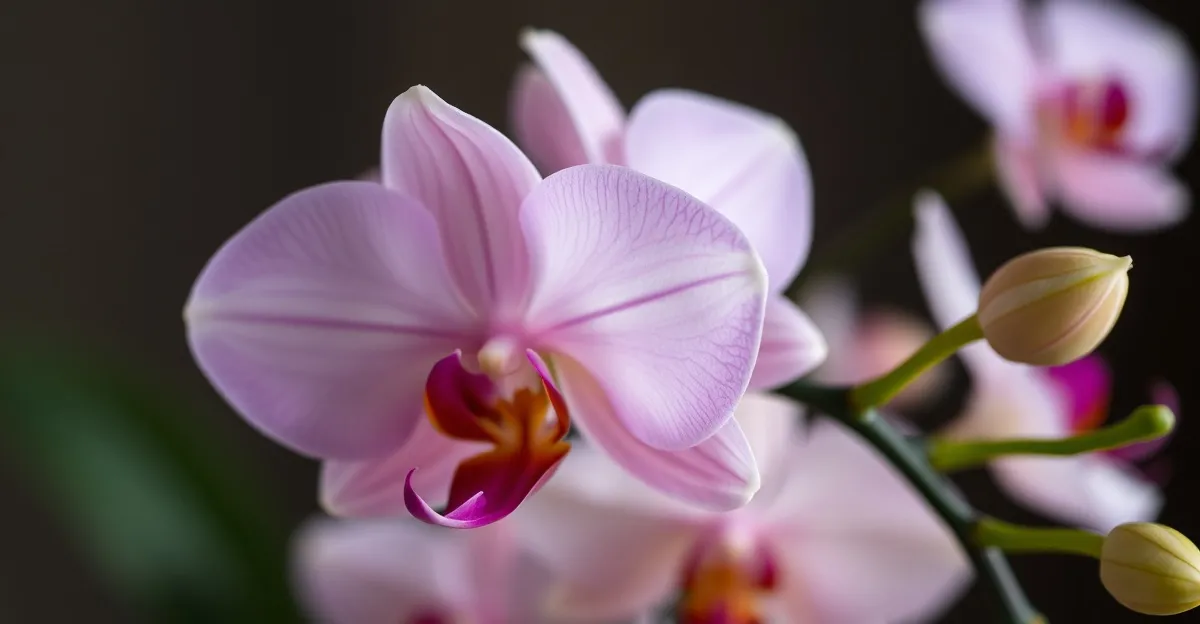
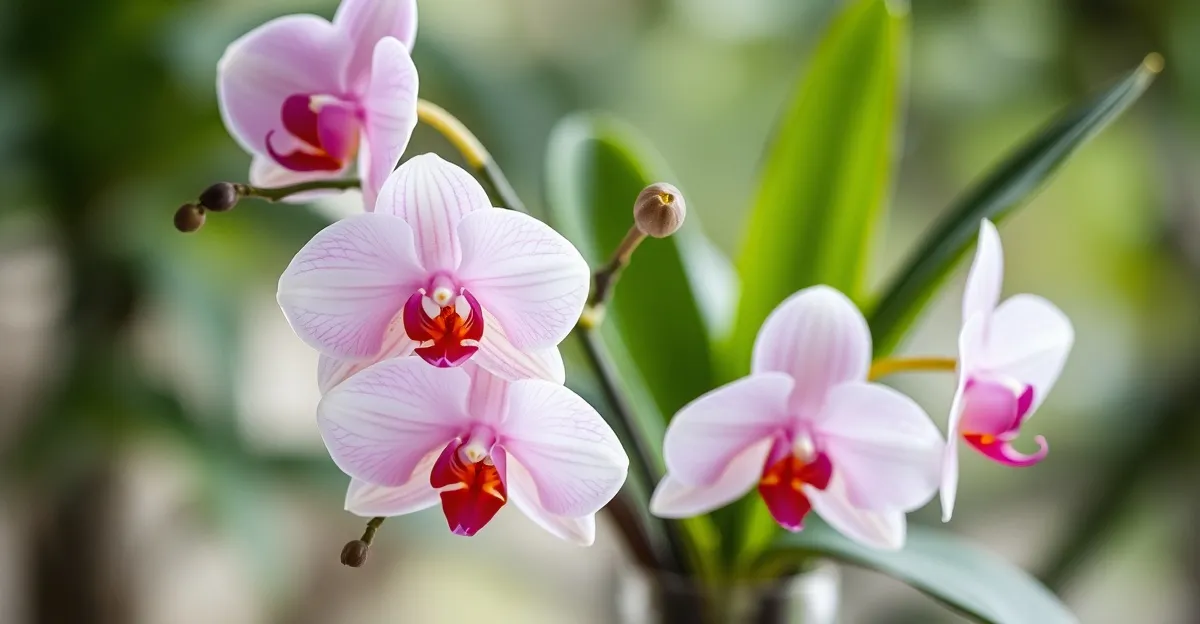
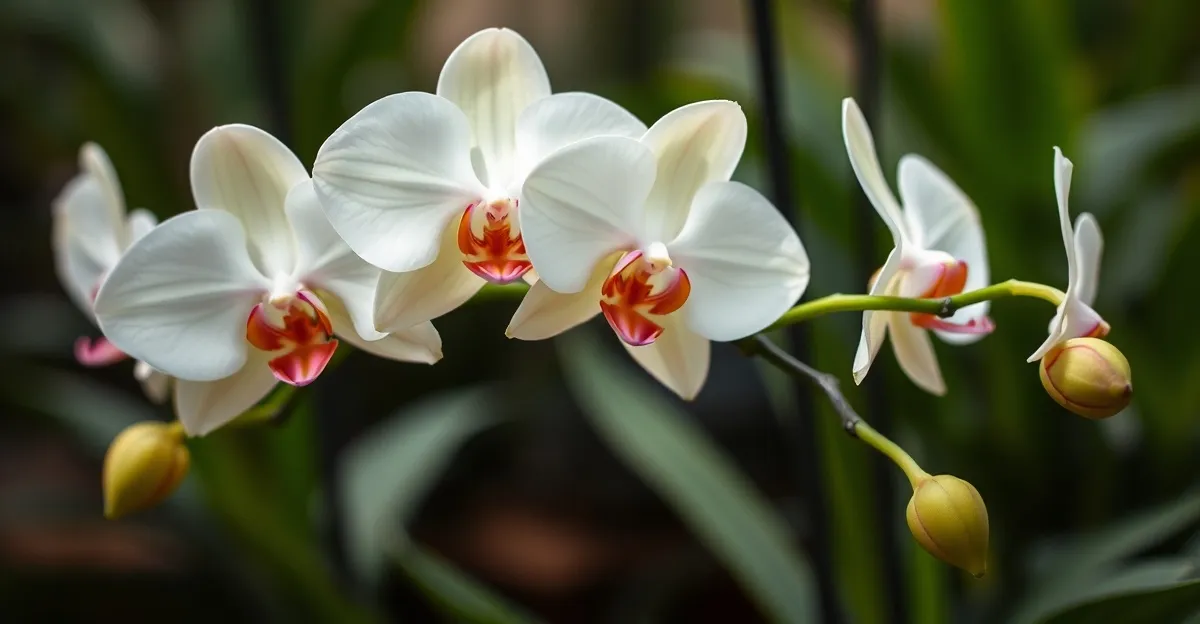
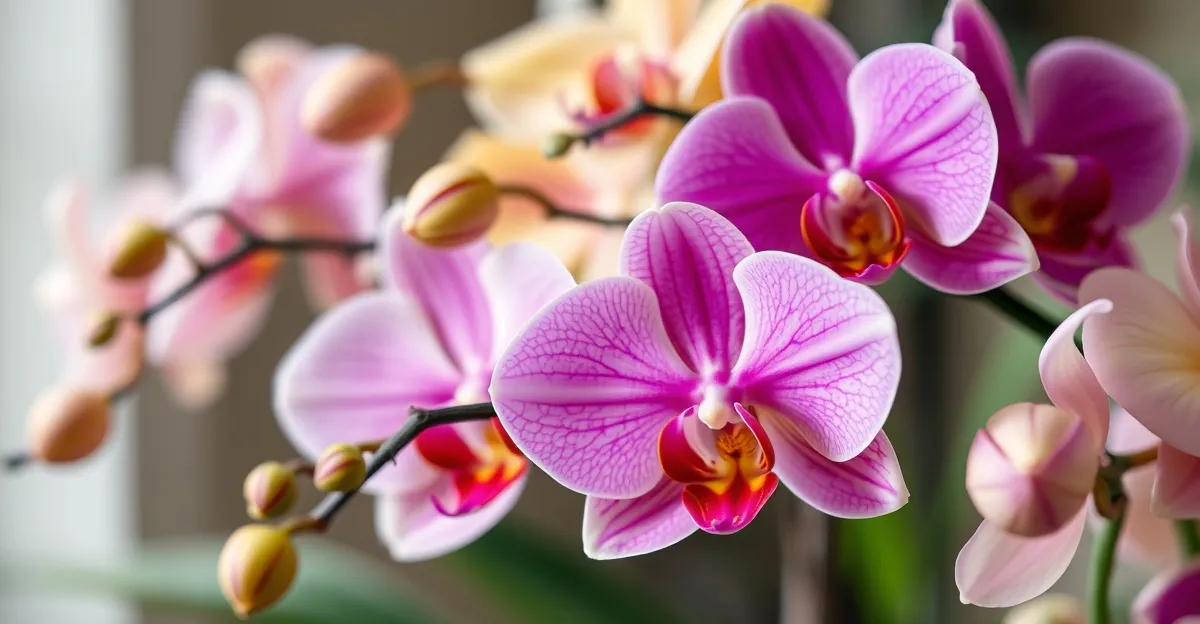
Phalaenopsis orchids — the moth orchid, with its large, flat blooms in white, pink, purple, and combinations — thrive in:
- Bright indirect light (never direct tropical sun)
- Temperatures of 20–30°C
- High humidity (60–80% relative humidity)
- Good air circulation around roots
Bali's lowland conditions provide the temperature and humidity naturally. The light and air circulation are what you need to manage actively.
Light Requirements
Place phalaenopsis in a bright room away from direct sun. A north or east-facing windowsill, or a spot well back from a south-facing window, is ideal. The test: if you can comfortably hold your hand in the light for a minute without it feeling warm, it's appropriate for phalaenopsis. If it's uncomfortably warm, it's too much sun.
Outdoors: a covered terrace with filtered light (through shade cloth, roof, or the dappled light under trees) works well. Direct afternoon sun will burn the leaves.
Signs of too much light: yellowing leaves, brownish patches on leaf surfaces. Signs of too little light: very dark green leaves (the plant is producing extra chlorophyll to catch sparse light), reluctance to bloom.
Watering in Bali's Climate
This is where most orchid killers go wrong — and in Bali, the failure mode is different from colder climates.
In a European home, orchids often fail from overwatering in cold, slow-drying conditions. In Bali's warmth, a pot can dry out surprisingly fast, particularly in air-conditioned rooms where the air is dry. The challenge is irregular drying: the surface of the medium may appear dry while the interior is still moist, or vice versa.
The correct approach:
- Feel the roots through the clear plastic growing pot. Healthy roots are green-white when moist; they turn silvery when the plant needs water.
- Alternatively, lift the pot — a heavy pot is still moist; a light pot needs water.
- Water thoroughly: place the plant in a sink and water generously until it flows freely from the drainage holes.
- Allow to drain completely — never leave phalaenopsis sitting in standing water, even in humid Bali.
- In Bali's warmth, this cycle typically runs every 7–10 days indoors.
Never mist phalaenopsis leaves directly — water sitting in the crown (the central rosette) causes rot. If humidity seems low (in a heavily air-conditioned room), place the pot on a shallow tray filled with pebbles and water, so the plant benefits from evaporation without sitting in water.
Fertilising
During active growth (when new leaves are emerging), feed with a balanced liquid orchid fertiliser diluted to half strength once a month. In Bali's year-round growing conditions, this can continue through most of the year — phalaenopsis don't have a true dormant season here.
After the bloom spike finishes, continue feeding to support the development of the next flower spike. Don't over-fertilise; too much fertiliser is as harmful as too little.
Repotting
Phalaenopsis should be repotted every 1.5–2 years, or when the bark/sphagnum moss growing medium has broken down significantly. Use a well-draining orchid medium (bark, perlite, or specialised orchid mix — available at plant nurseries in Denpasar). The pot should allow roots to spread with some room; tight pots stress the plant.
Repot just after the current bloom cycle finishes, before new root growth begins.
Getting a Phalaenopsis to Rebloom
One of the most common questions: how do I get my orchid to flower again? In many Northern countries, this requires a temperature drop in autumn. In Bali, the approach is:
- Move the plant to a slightly cooler location for 4–6 weeks (an air-conditioned room or the cooler part of the house)
- Maintain watering and fertilising
- When a new spike (flower stalk) begins to emerge, move back to your preferred growing location
Alternatively, phalaenopsis in Bali often rebloom naturally if the plant is healthy — the year-round tropical conditions include enough natural temperature variation that reblooming happens without dramatic intervention.
Dendrobium Orchids: The Cut Flower and Garden Orchid
Dendrobiums are the workhorses of Bali's orchid world. They grow along roadsides, in gardens, and on trees. They're used in temple offerings, in cut flower arrangements, and as potted garden plants. Their care is simpler than phalaenopsis because they're genuinely adapted to Bali's conditions.
Cut Dendrobium Stem Care
Cut dendrobium stems in arrangements last 2–4 weeks with basic care — far longer than most cut flowers in Bali's heat.
- Get stems into water immediately on arrival
- Trim stems at a 45-degree angle (like all cut flowers)
- Change vase water every 2–3 days
- Keep away from direct sun
- Misting the blooms lightly helps in very dry air-conditioned spaces
If individual florets along the stem drop (normal as the stem ages), the remaining florets stay fresh for longer. Remove dropped florets from the water to prevent bacterial growth.
Potted Dendrobium Care
Potted dendrobiums are one of the easiest orchids to maintain in Bali's outdoor conditions.
Light: They prefer bright light with some direct sun — more sun-tolerant than phalaenopsis. Morning sun, afternoon shade is ideal. Full tropical afternoon sun can be too intense.
Watering: Water when the medium is dry. Dendrobiums are more drought-tolerant than phalaenopsis. In the wet season, outdoor plants may not need supplemental watering at all. In the dry season, water every 3–5 days.
Fertilising: Monthly feeding with a balanced fertiliser during the growing season encourages flowering. After the season's canes mature, reduce or stop fertiliser to allow rest before the next bloom cycle.
Blooming: Dendrobiums bloom at the nodes along their canes. After blooming, keikis (baby plants) may emerge from the nodes — these can be detached and potted separately once they have 2–3 roots of their own.
Vanda Orchids: If You Have a Sunny Terrace
Vanda orchids grow beautifully in Bali's outdoor conditions, often suspended in baskets without any growing medium at all. Their thick, aerial roots dangle freely in the air and absorb moisture from the atmosphere.
Vandas need:
- Bright light, including some direct sun
- Frequent misting or watering (daily in the dry season — their exposed roots dry quickly)
- High humidity — Bali's climate suits them perfectly
- Fertiliser every two weeks during growth
If you have a bright terrace or garden and want an impressive blooming orchid that thrives with relatively simple care, a vanda is a wonderful choice for Bali living.

The team
your florists
weekly subscription · Bali
We write about flowers because we love them. We deliver them because someone should — properly, weekly, across Bali.
— heyflowerPay once for 3, 6, or 12 months, no auto-renewal.
Common Orchid Problems in Bali
Root Rot
The most common killer of potted phalaenopsis in Bali. Overwatering combined with poor drainage creates anaerobic conditions in the root zone that cause rot.
Prevention: Only water when roots show signs of drying; ensure excellent drainage; use free-draining orchid medium; never leave in standing water.
Treatment if caught early: Remove the plant from its pot, trim all black or mushy roots with clean scissors, dust with a mild antifungal (cinnamon powder works), allow to dry for an hour, repot in fresh medium.
Fungal Issues
Bali's humidity encourages fungal problems, particularly during the wet season.
Symptoms: Black spots on leaves, rotting at the crown, fuzzy mould on growing medium.
Prevention: Good air circulation; avoid getting water on leaves and crown; use well-draining medium; reduce watering frequency in the wet season.
Treatment: Remove affected parts, apply a systemic fungicide labelled for orchids if available, improve ventilation.
Mealy Bugs and Scale
Small white cottony clusters (mealy bugs) or flat brown discs (scale) on leaves, roots, or pseudobulbs. Both suck plant sap and weaken orchids.
Treatment: Rub affected areas with a cotton swab dipped in rubbing alcohol. For heavier infestations, a neem oil spray (diluted) works well and is widely available in Bali. Isolate affected plants from others.
Best occasions to gift a orchid bouquet covers gifting orchids in Bali if you want more on the orchid-as-gift angle alongside this care knowledge.
Frequently Asked Questions
Why do orchid leaves turn yellow in Bali?
Several possible causes: too much direct sun (most common), overwatering leading to root problems, or natural aging of older leaves. A single yellow leaf at the base of the plant is usually normal aging. Multiple yellowing leaves suggest a care issue — check the roots for rot and the light level.
Can I grow orchids outdoors in Bali without a greenhouse?
Yes, and in fact Bali's outdoor conditions are excellent for many orchid varieties. Dendrobiums and vandas do especially well outdoors. Phalaenopsis can be grown outdoors on a covered terrace with filtered light — avoid direct sun and exposure to heavy rain (which can waterlog the pot).
How do I know if my orchid is healthy?
Healthy signs: firm, green leaves; green-white roots when moist, silvery when dry; new leaf and root growth appearing; regular bloom cycles. Unhealthy signs: yellowing, limp, or blackened leaves; brown or mushy roots; no new growth over many months; persistent pest infestations.
My orchid finished blooming — should I cut the flower spike?
It depends. On a phalaenopsis, if the spike is still green after blooming, leave it — a secondary spike may emerge from a node on the existing spike. If the spike yellows and dies back, cut it cleanly at the base. On a dendrobium, old canes produce keikis and future blooms — leave them unless they're clearly dead.
Where can I buy quality orchid plants in Bali?
Plant nurseries around Denpasar and on the road toward Bedugul/Singaraja carry dendrobium and phalaenopsis plants. The Bedugul Botanical Garden area also has nurseries with wider variety. Many florists in Canggu and Seminyak carry potted phalaenopsis. For unusual varieties, specialist orchid sellers are found at the main flower market in Denpasar.
Orchids that keep giving for months, not days. heyflower.co delivers fresh orchid arrangements and potted plants to Canggu, Berawa, Seminyak, Pererenan, and Kerobokan — find the right orchid for your space and lifestyle.
More on Orchid