Orchid in Balinese Ceremonies: Traditional Uses in Bali
How orchids feature in Balinese Hindu ceremonies — from temple offerings to cremation rites and Galungan celebrations. A florist's perspective on sacred florals.
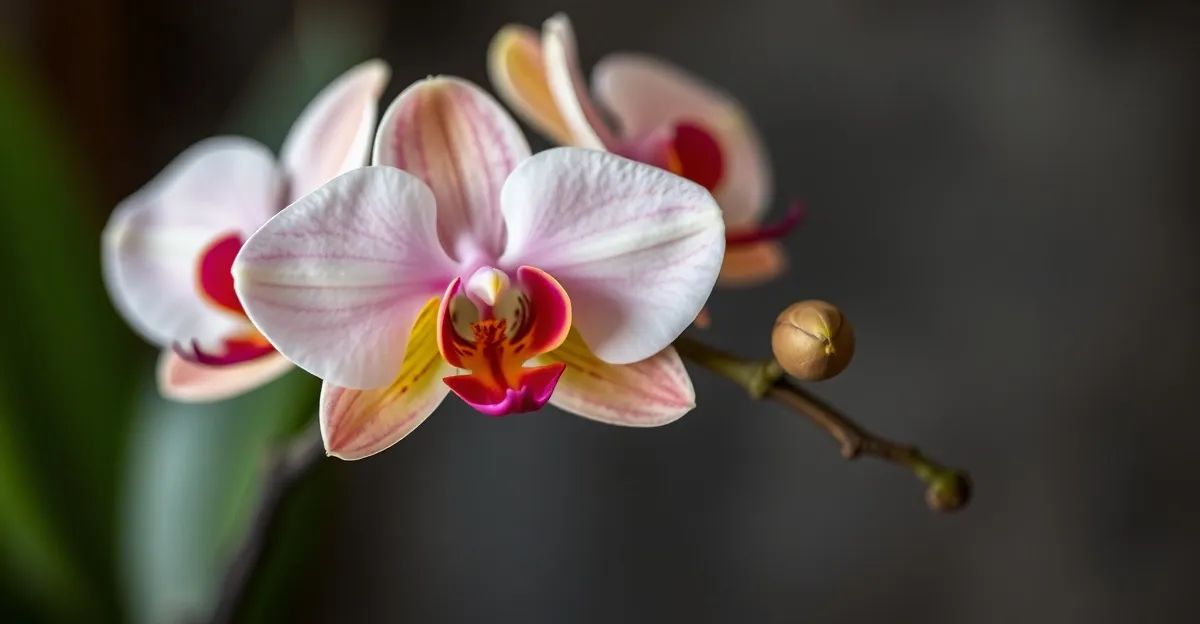
Walk through almost any village in Bali on a ceremony day and flowers are everywhere. Not as decoration — as devotion. The distinction matters. In Balinese Hindu tradition, flowers are among the most direct offerings a person can make to the divine, and the act of arranging and presenting them is itself a form of prayer.
Orchids occupy an interesting position in this tradition. They're not the ancient ceremonial staple that frangipani or marigold represents — those flowers have millennia of embedded practice behind them. Orchids have entered ceremonial use more fluidly over time, drawn in partly by their local abundance and partly by their visual beauty, which makes them natural choices for elaborate offerings. Understanding how they're used — and where they fit — gives real depth to how you think about orchids in Bali.
The Language of Balinese Ceremonial Flowers
Before talking about orchids specifically, it helps to understand how flowers function in Balinese ceremonial life in general. In Balinese Hinduism, different flowers carry associations with different deities, directions, and cosmic principles.
The five colors of Balinese ceremonial symbolism — white (east, Iswara), red (south, Brahma), yellow (west, Mahadeva), black/dark blue (north, Wisnu), and multicolor at the center (Siwa) — appear in offerings through the choice of flowers and other materials. White frangipani for purity and Iswara. Red hibiscus for Brahma. Marigold's golden yellow for Mahadeva.
Orchids, in a sense, can fulfill any of these color roles. A white orchid can stand in for the white symbolic position. A yellow Dendrobium can represent the western directional association. This flexibility — the same flower serving different ceremonial purposes depending on its color — is part of why orchids have been absorbed so naturally into Balinese ceremonial practice.
Canang Sari: Daily Offerings
Canang sari are the small woven palm-leaf trays placed as daily offerings at temples, doorways, shrines, and significant points throughout the day. They're one of the most visible expressions of Balinese Hindu devotion — you'll see them everywhere from a luxury villa to a roadside warung.
Traditional canang sari use specific small flowers arranged by direction and color. Frangipani, marigold, and various small blooms including sepatu (hibiscus) are the classic choices. Individual orchid petals — particularly small ones from spray varieties — can appear in canang sari, but full orchid blooms are less typical in daily offerings.
In more elaborate ceremonial contexts, however, orchids definitely appear. Larger temple offerings — banten or sesajen — can incorporate full orchid stems as part of the flower arrangement component of the offering. The aesthetic principle of abundance (the offering should be generous and beautiful) makes orchids, with their showy blooms, appropriate for these more elaborate expressions.
Galungan and Kuningan: The Victory Festival
Galungan, the celebration of dharma's triumph over adharma in Balinese belief, is one of the island's most significant ceremonial periods. It occurs every 210 days on the Balinese Pawukon calendar. The streets fill with penjor — the tall bamboo poles decorated with woven coconut leaf and flowers that lean gracefully over the road.
During Galungan week and the following Kuningan celebration, temple and home decorations are at their most elaborate. Flower garlands, elaborate shrines, and decorative arrangements at compound entrances are common. This is where orchids — particularly white and yellow Dendrobium — appear prominently in the floral decorations that adorn household shrines and temple gates.
The orchid's ability to hold for multiple days in Bali's heat (considerably better than more delicate ceremonial flowers) makes it particularly practical for the extended Galungan-Kuningan period, which spans ten days between the two observances.
For gift-giving during Galungan, orchid arrangements are genuinely welcome — the celebratory context suits abundant, beautiful flowers. Our Galungan flower subscription ideas offers specific guidance for this period.
Ngaben: Cremation Ceremonies
Ngaben — the Balinese cremation ceremony — is one of the most elaborate and visually remarkable ceremonies in the world. Unlike Western funeral traditions, ngaben is not primarily a mourning event. It's a celebration of the soul's release, a community gathering that can last days and involve hundreds of people.
The offerings, decorations, and regalia used in ngaben are extraordinary in their scale and intricacy. Flowers feature prominently throughout — on the bade (the funeral tower), on offerings, on the cremation sarcophagus, in the procession.
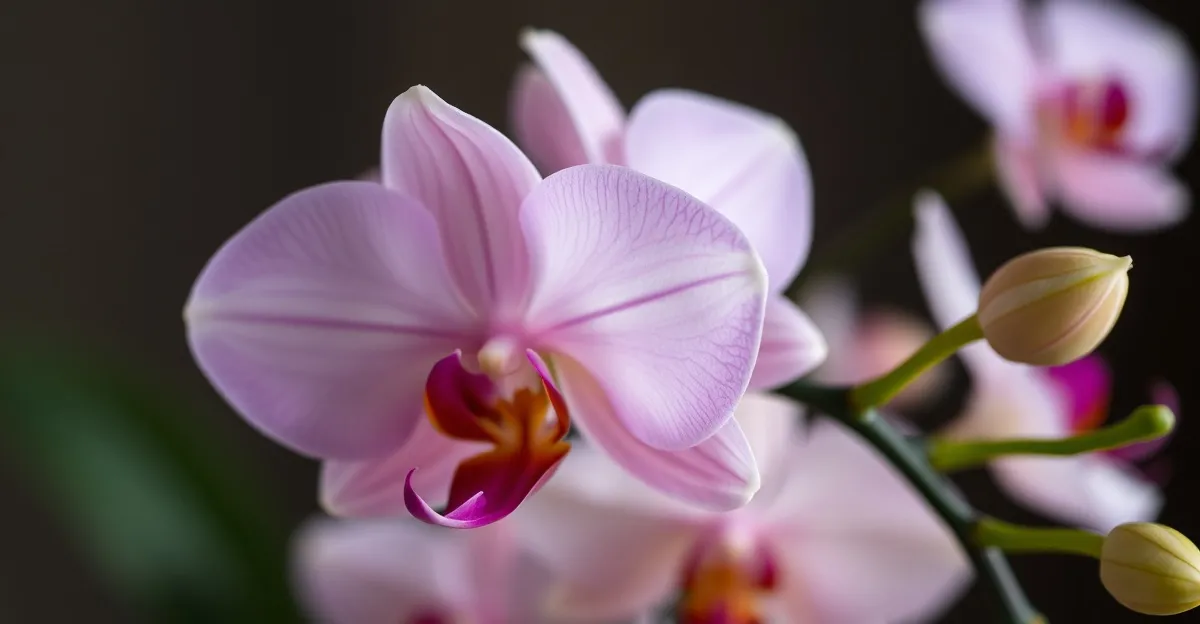
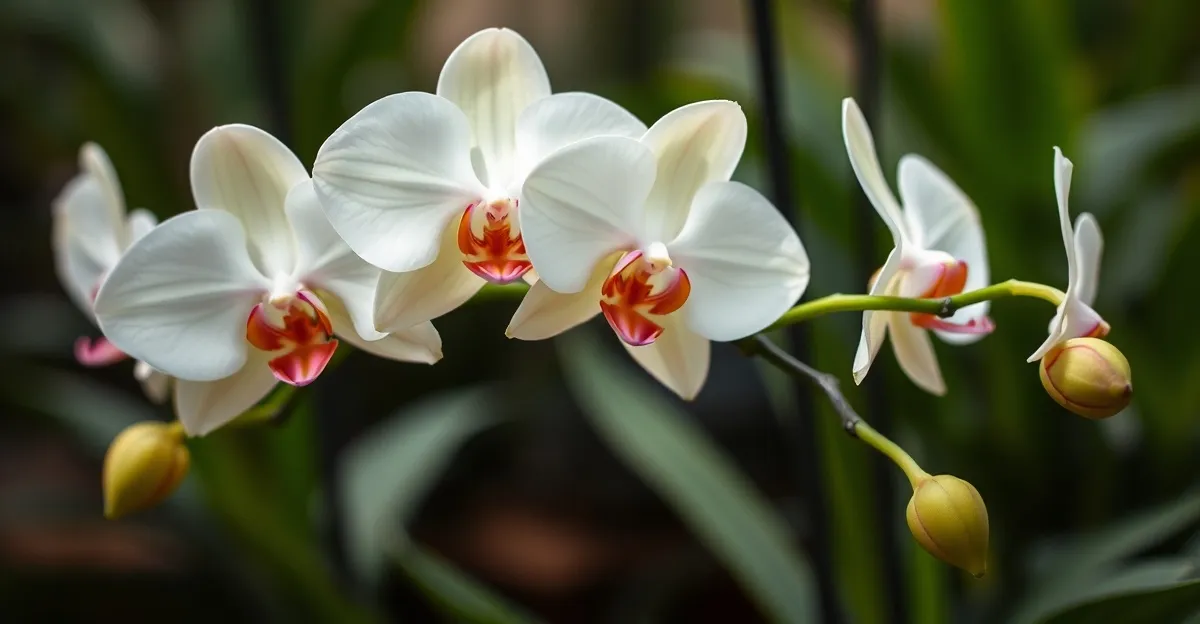
White flowers are traditional and most appropriate for ngaben — they carry the symbolism of purity, spiritual passage, and the association with Iswara and the east. White orchids, particularly white Dendrobium and white Phalaenopsis, are used in ngaben offerings and arrangements. Their durability over the course of a long ceremony is a practical advantage.
If you're bringing flowers as a visitor or guest at a ngaben, white orchids or white frangipani are the most appropriate choices. Bright, mixed colors in this context can feel tonally off, even though ngaben is a joyful occasion — the white palette reflects the spiritual dimension of the ceremony rather than the social celebration.
Odalan: Temple Anniversary Ceremonies
Odalan — temple anniversary ceremonies — are held every 210 days (Balinese Pawukon year) at each of Bali's thousands of temples. They're community events centered on honoring the temple's deity and celebrating the temple's founding. The scale ranges from small neighborhood ceremonies to elaborate regional events at major temples like Pura Besakih, Pura Ulun Danu, or Pura Tanah Lot.
Temple decorations during odalan are elaborate. The kori agung (main gate), the shrines, the ceremonial spaces are all decorated with flowers and woven offerings. Orchids are common in the larger odalan decorations — their long stems and showy blooms suit the scale of formal temple floral arrangements.
As a visitor attending an odalan (which is generally welcomed at most temples, though dress and behavior expectations should be observed), you may notice the flower stalls near the temple entrance selling specifically orchids alongside the more traditional ceremonial flowers. This market presence reflects orchids' genuine integration into modern Balinese ceremonial practice.

The team
your florists
weekly subscription · Bali
We write about flowers because we love them. We deliver them because someone should — properly, weekly, across Bali.
— heyflowerPay once for 3, 6, or 12 months, no auto-renewal.
Melukat: Purification Ceremonies
Melukat is a Balinese purification ritual — a cleansing of negative energies from a person or space. It's conducted by a pemangku (temple priest) and may take place at a water temple, a spring, or a private household. Offerings are a central part of the melukat process.
Flowers for melukat offerings traditionally lean toward white and pure-toned flowers — the ceremony is about purification, and white remains the color of purity in Balinese symbolism. White orchids can appear in melukat offerings, though the specific composition is directed by the pemangku.
Orchid Garlands: Decorative and Ceremonial Use
Beyond individual offerings, orchids appear in the garlands (urutan) used to decorate temple shrines, household altars, and the entrances to significant spaces. Traditional garlands often mix frangipani, marigold, and small orchid blooms — the combination of fragrance (frangipani) and visual abundance (orchid, marigold) creates an offering that engages both the senses and the aesthetic principles of Balinese ceremonial art.
Making these garlands is itself a devotional practice — the time and skill invested in stringing each bloom represents the maker's dedication. Many Balinese women learn garland-making as children, and the ability to create beautiful ceremonial garlands is considered a form of spiritual competence.
Frequently Asked Questions
Can a non-Balinese person participate in making ceremonial orchid offerings?
Yes, with appropriate guidance and respect. Many temples welcome visitors to observe, and cultural experiences involving the making of canang sari or simple offerings are available throughout Bali. Always follow guidance from local Balinese hosts about what's appropriate.
Are specific orchid varieties considered more sacred than others?
There's no formal religious hierarchy of orchid varieties. What matters is color, freshness, and intention. White varieties carry the strongest ceremonial significance due to their association with purity and divine qualities. Locally grown orchids are generally preferred over imported ones — the connection to Bali's own landscape is meaningful.
What should I do if I want to give flowers to a Balinese family during a ceremony?
White flowers — orchids, frangipani, or white tropical blooms — in a simple, respectful arrangement are always appropriate. Ask someone from the family whether a gift of flowers is welcome before assuming; Balinese generosity means the answer will almost always be yes, but asking is itself a form of respect.
Do orchids appear in the penjor decorations during Galungan?
The penjor structure itself is primarily made of coconut palm, bamboo, and specific ritual plants. Fresh flowers including orchids are sometimes added to the decorative elements at the base or woven into the hanging elements, though frangipani and other traditional flowers are more typical in the penjor structure itself.
Are there Balinese orchid varieties with specific ceremonial significance?
Phalaenopsis amabilis — the white moon orchid, Indonesia's national flower — grows wild in Bali's forests and is considered particularly beautiful and pure. Wild collection is protected by law, but cultivated varieties share the same reverence. For ceremonial use, the meaning comes primarily from color and freshness rather than specific species.
Orchids are woven through Bali's ceremonial life as deeply as they're woven through its landscape. At heyflower.co, we source orchids from local Balinese farms and arrange them with genuine care. Explore our collections and weekly subscription options at heyflower.co, delivering to Canggu, Berawa, Pererenan, Seminyak, and Kerobokan.
More on Orchid