Natural pest control for tropical flowers
Bali's tropical climate creates perfect conditions for flower pests. Learn safe, natural methods to protect your blooms without harsh chemicals.
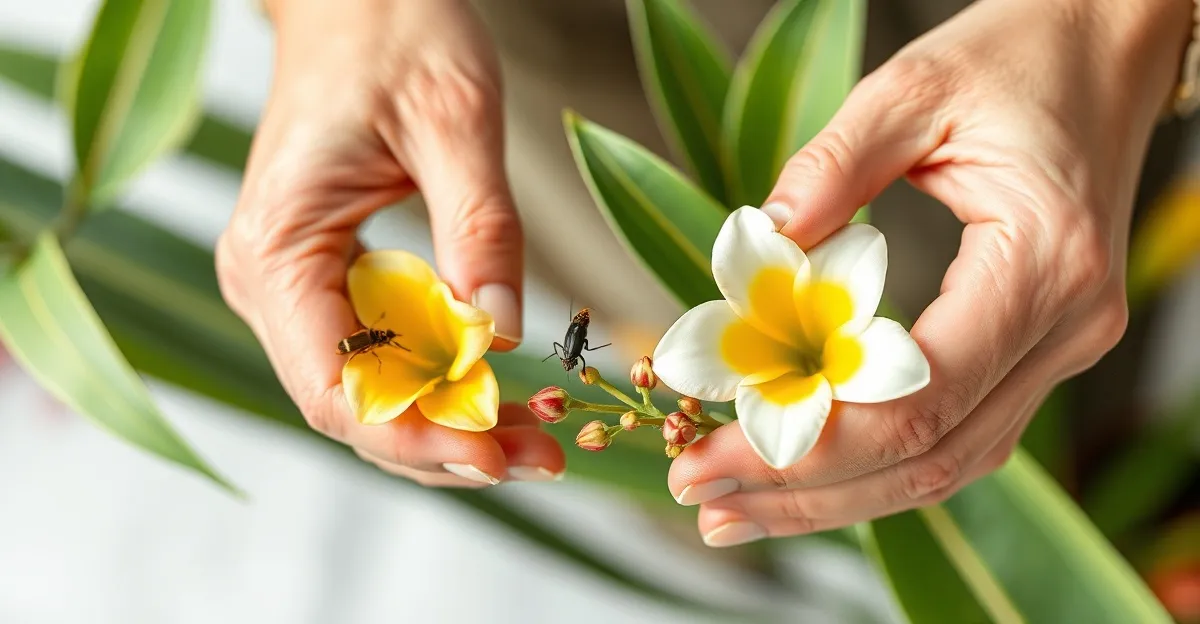
Bali's climate is wonderful for growing flowers, but that same warmth and humidity that makes the island so lush also creates ideal conditions for the pests that like to eat them. If you grow flowers at home — in a garden in Ubud, on a villa balcony in Seminyak, or in pots on a Canggu terrace — you've probably dealt with aphids, mealybugs, spider mites, or whiteflies at some point.
The good news is that for most common flower pests in Bali, you don't need commercial pesticides. Natural methods work well, are cheaper, and don't risk harming the pollinators that keep your garden alive. Here's what actually works.
Know your enemy: common flower pests in Bali
Before treating any pest problem, it helps to identify what you're actually dealing with. Different pests respond to different treatments.
Aphids are tiny, soft-bodied insects — often green, black, or white — that cluster on new growth, flower buds, and the undersides of leaves. They suck sap and excrete a sticky substance called honeydew that can cause sooty mold. Aphids reproduce extremely fast in warm conditions.
Mealybugs look like small cotton wool clusters tucked into leaf axils and stem joints. They're common on roses, anthuriums, and ornamental plants. Like aphids, they suck sap and produce honeydew.
Spider mites are nearly invisible to the naked eye — you notice them first by the fine webbing they create between leaves and stems. They thrive in hot, dry conditions (more common in the dry season from June to September in Bali) and cause leaves to yellow and take on a stippled, dusty appearance.
Whiteflies flutter up in a cloud when you disturb a plant. They look like tiny white moths and target a wide range of plants. In Bali, they're particularly common on ornamental plants kept near rice fields or agricultural land.
Caterpillars and grasshoppers leave ragged holes in petals and leaves. Less of a subtle pest — you'll see the damage and often the culprit.
Soapy water spray: the universal first response
A simple soap spray handles aphids, mealybugs, whiteflies, and mites effectively when applied consistently. Mix one to two teaspoons of dish soap (the liquid kind from any Indomaret) in a litre of water, put it in a spray bottle, and apply directly to affected plants, covering both surfaces of leaves.
The soap works by suffocating the insects and disrupting their cell membranes. It doesn't leave toxic residue, breaks down quickly in the environment, and is safe for pollinators once dry.
Apply in the early morning or late afternoon — never in peak Bali midday heat, because wet leaves plus intense sun can cause burning. Repeat every two to three days for two weeks to break the pest breeding cycle.
The caveat: don't use dish soap with added fragrances or antibacterial agents, and don't make the solution stronger than two teaspoons per litre. Stronger concentrations can damage plant tissue.
Neem oil: the most effective natural pesticide
Neem oil is pressed from the seeds of the neem tree (which grows abundantly across Bali — you'll see them lining roads in Denpasar and in many traditional compounds). It contains a compound called azadirachtin that disrupts the reproduction and feeding of a huge range of insects without being toxic to birds, mammals, or beneficial insects like bees and dragonflies.
For a spray, combine two teaspoons of neem oil with one teaspoon of dish soap (as an emulsifier) in a litre of warm water. Shake well and apply thoroughly to all plant surfaces. It's effective against all the pests listed above and also has antifungal properties, which matters in Bali's humidity.
Neem oil has a pungent smell — like garlic and sulfur — that dissipates within a day. Apply every five to seven days as a preventive measure and every three days when dealing with an active infestation.
Neem oil is available at agricultural supply shops (toko pertanian) across Bali, or online through Tokopedia or Shopee. Prices are around Rp 20,000–50,000 for enough concentrate to last several months.
Garlic spray for prevention
A garlic spray is a good preventive treatment for keeping aphids and caterpillars away from plants that aren't yet infested. Blend 10–15 cloves of garlic with 500ml of water, let it steep overnight, strain through cloth, and dilute with another 500ml of water before spraying.
The allicin in garlic is a natural insect repellent. It doesn't kill on contact like soap or neem oil, but it makes the plant an unpleasant environment for pests to settle on. Apply once a week as a preventive measure rather than a cure.
Physical controls: the underrated approach
For caterpillars and grasshoppers, hand-picking is genuinely effective. Check plants in the morning when insects are slower, remove any you find, and dispose of them. It's time-consuming for large gardens but very effective for balcony or small courtyard plantings.
For aphids, a strong jet of water from a hose or spray bottle can physically dislodge them from stems and buds. Do this consistently over several days and populations can collapse. Aphids are poor at reattaching and getting back to food sources, so mechanical removal is more effective than it sounds.
Copper tape around pot rims deters slugs and snails — common in rainy-season Bali — from climbing up and damaging low-growing flowers and ground cover plants.

The team
your florists
weekly subscription · Bali
We write about flowers because we love them. We deliver them because someone should — properly, weekly, across Bali.
— heyflowerPay once for 3, 6, or 12 months, no auto-renewal.
Work with Bali's natural predators
Bali has a healthy population of natural pest predators: ladybugs (kumbang kacang), lacewings, praying mantises, and spiders all eat aphids, mealybugs, and other flower pests. Any approach that avoids chemical spraying helps maintain these populations in your garden.
You can also plant companions that attract beneficial insects: basil, marigolds, and lemongrass planted near flowering plants invite predatory insects and some research suggests they deter aphids and whiteflies through scent alone. Marigolds in particular are widely used this way in gardens across Asia and are easy to grow in Bali.
For more on choosing flowers that thrive in Bali conditions despite these challenges, see our guide on 14 flowers that handle Bali humidity like champs.
When natural methods aren't enough
If an infestation is severe — plant heavily infested, soil possibly contaminated, multiple cycles of treatment not working — it may be time for a commercial insecticide. If you go this route, look for products labeled as pyrethrin-based, which are derived from chrysanthemum flowers and break down quickly in the environment. They're significantly less persistent than synthetic alternatives.
For particularly bad mealybug problems, a systemic insecticide (absorbed through the roots) may be necessary. Talk to a trusted toko pertanian — most of the agricultural supply shops in Denpasar or Gianyar have staff who can advise on what's appropriate for ornamental flowering plants.
FAQ
Why do my flowers keep getting aphids even after treatment? Aphids can travel from nearby plants. Check surrounding vegetation — if neighbors or nearby trees have aphid populations, your garden will keep getting reinfested. Consistent weekly treatment is more effective than occasional intensive spraying.
Can I use cooking oils instead of neem oil? Vegetable or coconut oil can substitute in a soapy water spray but they aren't as effective as neem and can clog leaf pores if applied too heavily. Neem oil is worth sourcing properly.
Do pests affect cut flowers in vases? Some pests — aphids in particular — can be on flowers when you bring them inside. Check newly delivered or bought bouquets before putting them in a vase, especially around buds and leaf joints. Rinse stems under cool water if you spot any.
Is Bali's rainy season worse for pests? It depends on the pest. Spider mites prefer the dry season; aphids, mealybugs, and fungal problems (though not strictly pests) tend to peak in the wet season when humidity is high. Different management approaches apply to each season.
Are there any flowers that naturally resist pests? Some flowers contain compounds that deter pests: marigolds, lavender, and chrysanthemums are natural repellents. In Bali's climate, marigolds are the easiest of these to grow and they work well as companion plants.
Beautiful, healthy flowers — delivered fresh
Growing flowers at home in Bali is rewarding but requires effort. For a simpler way to keep your home filled with fresh, healthy blooms, explore our weekly flower subscription and get handpicked arrangements delivered to your door every week.



