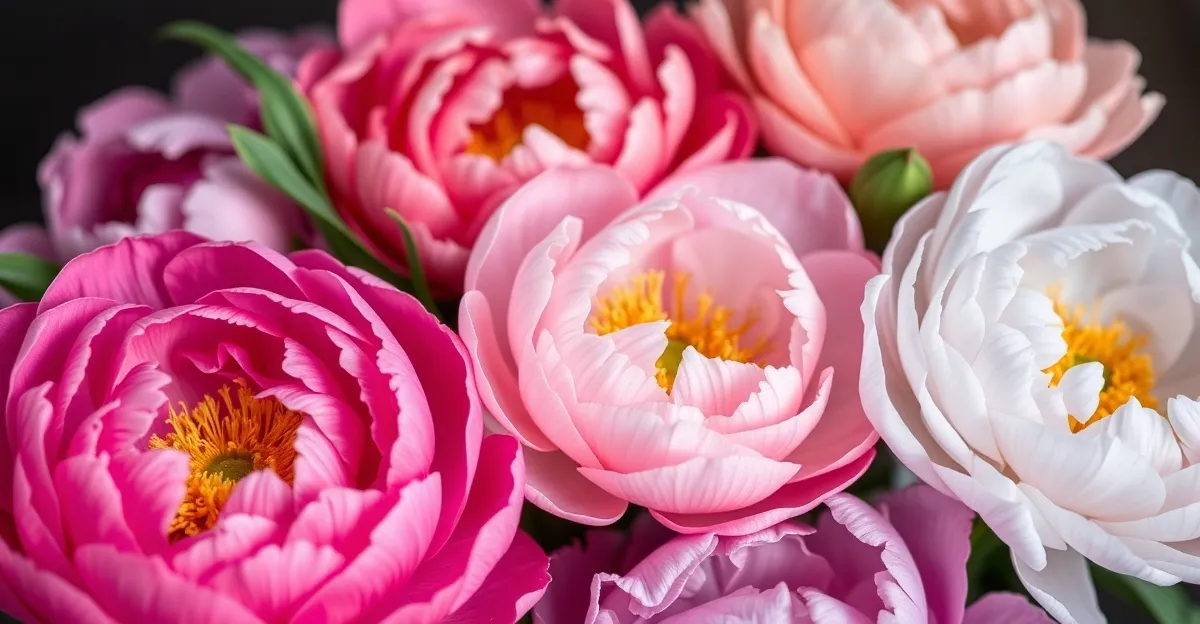
How to preserve a peony bouquet after the event
Wedding over? Don't let your peony bouquet disappear. Here are the best ways to preserve peonies in Bali's tropical climate.
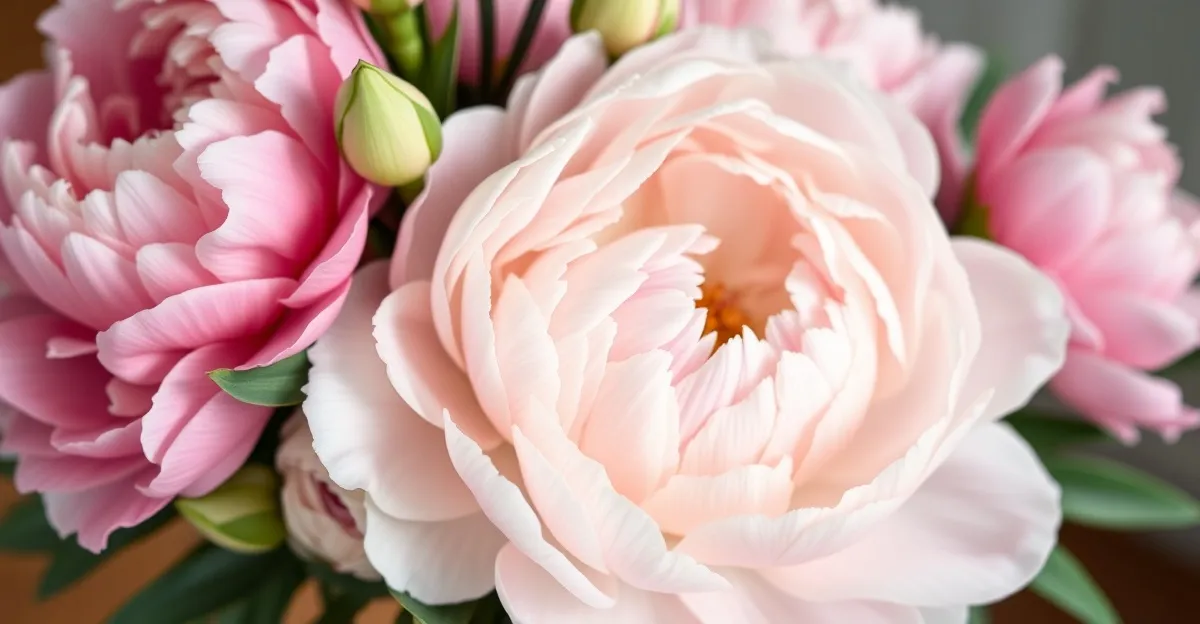
The ceremony is over, the dinner is winding down, and you're back at your villa with a peony bouquet that cost more than most meals in Bali and looked extraordinary all day. What happens to it now? For most people, the answer is: it sits in a vase for a few days and then gets composted. But there are better options — and in Bali's tropical climate, you need to move quickly if you want any of them to work.
Peony preservation in the tropics is harder than it would be in a temperate climate, but it's absolutely possible. The humidity and heat that age fresh peonies so fast also affect certain preservation methods. This guide gives you realistic options, ranked by how well they actually work in Bali, and walks through exactly how to execute each one.
The window you have: act within 24–48 hours
This is the most important thing to understand: preservation in the tropics is time-sensitive. If you want to press, dry, or otherwise preserve your bouquet, you need to start within 24 to 48 hours of the event. Peonies that have been in a warm, humid environment for three days will already be deteriorating in ways that make preservation much harder.
On the day after your event, make a decision. Choose a method, gather what you need, and start immediately. Don't wait until they look "a bit more wilted" — by then you've missed the window for the best results.
Method 1: Air drying (best for shape retention)
Air drying is the most widely used preservation method and works reasonably well for peonies, though Bali's humidity makes it trickier than in drier climates.
The process
- Remove all foliage from the stems. Leaves retain moisture and will rot before the petals dry.
- Tie stems together with string if preserving the whole bouquet, or separate into individual stems.
- Hang upside down in the driest space you can find. This is key in Bali — an air-conditioned room running continuously is far better than a naturally ventilated space. The AC reduces humidity and speeds drying.
- Leave for two to three weeks. In Bali's climate, check regularly for mould. Any stems showing dark patches or soft spots should be removed immediately.
- Once completely dry (stems feel rigid, petals are papery), they can be displayed in a vase without water.
What to expect
Dried peonies in Bali do shrink and darken. Pink peonies turn a dusty rose-mauve. White peonies go cream. The full, fluffy bloom collapses somewhat. The result is a more rustic, aged aesthetic than a perfect preserved bloom — but for many people, that has its own beauty.
The honest reality
Bali's humidity means air-dried peonies have a shorter display life than they would in a dry European home. Expect six to twelve months of good display before they become brittle and dusty rather than decorative. Keep them away from any moisture source, and never in a bathroom or outdoor area.
Method 2: Silica gel drying (best colour retention)
Silica gel drying gives significantly better results for colour and shape than air drying. The downside is that it requires materials that you need to source before you need them — it's hard to improvise.
What you need
- Silica gel crystals (available at craft stores and online in Bali; look for "flower drying silica gel")
- A lidded container large enough to hold the blooms
- A small brush for cleanup
The process
- Trim stems short — you're preserving individual blooms rather than stems with this method.
- Pour a 5cm layer of silica gel into the container.
- Place blooms face-up (for upright peonies) or face-down (for drooping peonies) gently in the silica.
- Carefully pour more silica gel over and around the petals, working slowly to maintain petal shape.
- Seal the container tightly.
- Check after three to four days. In Bali's heat, drying can happen faster than in temperate climates. The blooms are ready when petals feel papery but not brittle.
- Gently remove and brush away any residue with a soft brush.
What to expect
Silica-dried peonies retain their colour remarkably well — blush pink stays blush pink, coral stays coral. Shape is better preserved than air drying. The result feels more like the flower was frozen in time. These are stunning in shadow boxes, resin paperweights, or simply arranged in a bowl.
Method 3: Resin embedding (best for longevity)
Resin-embedded flowers are having a moment globally, and Bali has a growing craft scene that includes resin artists. For a truly lasting keepsake — something you can keep for decades — resin embedding is the gold standard.
Finding a resin artist in Bali
Rather than attempting this yourself (resin work requires practice, the right materials, and good ventilation), consider commissioning a local artist. There are resin craftspeople in Canggu and Seminyak who specialise in preserving wedding flowers. Look on Instagram with search terms like "Bali resin flowers" or "Bali epoxy art" — there's a real community doing beautiful work.
A commissioned resin piece — a paperweight, a clock, a tray — with your wedding peonies embedded in it costs roughly Rp 300,000–800,000 depending on complexity. That's a meaningful but not enormous investment for something you'll display for a lifetime.
What to expect
Resin captures flowers permanently. The colour and shape are very well preserved. The result is heavy, clear, and permanent. Resin pieces don't age or deteriorate in the way dried flowers do.
Method 4: Pressing (best for flat art and stationery)
Pressing peonies is challenging because of their three-dimensional structure — you're flattening a bloom that wants to be voluminous. But individual petals or partially opened buds press beautifully, and pressed peony petals can be extraordinarily lovely in frames, greeting cards, or botanical art.
The process for Bali
- Carefully dismantle the bloom, separating individual petals.
- Lay petals on absorbent paper (coffee filters work well; newspaper works in a pinch).
- Layer: paper, petals, paper, heavy book. Add more heavy books on top.
- Change the paper every 24 hours for the first three days — this is especially important in Bali's humidity, as moisture-saturated paper will cause petals to mould.
- After one week, check for dryness. Petals should be flat, paper-thin, and translucent.
Pressed petals can be framed, used in resin, included in candles, or incorporated into other crafts. They're delicate but beautiful.

The team
your florists
weekly subscription · Bali
We write about flowers because we love them. We deliver them because someone should — properly, weekly, across Bali.
— heyflowerPay once for 3, 6, or 12 months, no auto-renewal.
What to do if you missed the window
If your peonies have already passed their prime and you're reading this retrospectively, don't worry entirely. Even partly dried or browning blooms can be useful:
- Potpourri: Dried peony petals, even imperfect ones, hold fragrance and add visual interest to a bowl of mixed dried flowers. Add a few drops of rose or jasmine oil to refresh.
- Composting with intention: There's something genuinely lovely about composting your wedding flowers into Bali's rich volcanic soil. The same blooms that graced your ceremony nourish the garden. That's not nothing.
For future occasions — because life keeps giving you reasons to receive beautiful flowers — think about preservation before the event. A silica gel kit sitting in your cupboard means you're ready the next time a special bouquet arrives. And for regularly delivered fresh flowers that brighten your space without the preservation pressure, our subscription service at /#subscriptions is worth exploring.
Frequently Asked Questions
How long do preserved peonies last?
Air-dried peonies last six to twelve months in Bali's humidity before showing significant deterioration. Silica-dried peonies can last two to three years in ideal conditions (low humidity, no direct light). Resin-embedded peonies last indefinitely — decades, potentially.
Can I freeze-dry peonies in Bali?
Freeze-drying is the professional preservation method used by specialist florists in the US and Europe. It produces extraordinary results — flowers that look almost fresh for years. There are no commercial freeze-drying services for flowers in Bali that we're aware of, but it's worth asking at bridal florist shops as the industry grows.
Why do my air-dried peonies keep going mouldy?
Bali's humidity is the culprit. The solution is to dry in a fully air-conditioned room with the AC running continuously, not just during the day. A dehumidifier is even better. Any moisture in the drying environment will cause mould on petals that haven't fully dried.
Do peonies press well compared to other flowers?
Individual petals press beautifully. Whole peony blooms are challenging because of their depth — you can't fully flatten a large peony without distorting the petals significantly. The best approach for pressing is to dismantle blooms into individual petals, or to press partially-opened buds while they're still relatively flat.
Can I use my preserved peonies in a new arrangement?
Yes. Dried and silica-preserved peonies can be arranged with dried grasses, eucalyptus, and other dried botanical material. This is a lovely way to create a lasting display from your preserved blooms rather than simply putting a single stem in a vase. These arrangements are also extremely popular right now aesthetically — the dried, tonal, natural look is very much having a moment.
More on Peony