How to Preserve an Orchid Bouquet After the Event
Don't let your orchid bouquet fade away. Practical preservation methods for Bali's tropical climate, from drying techniques to pressing and resin casting.
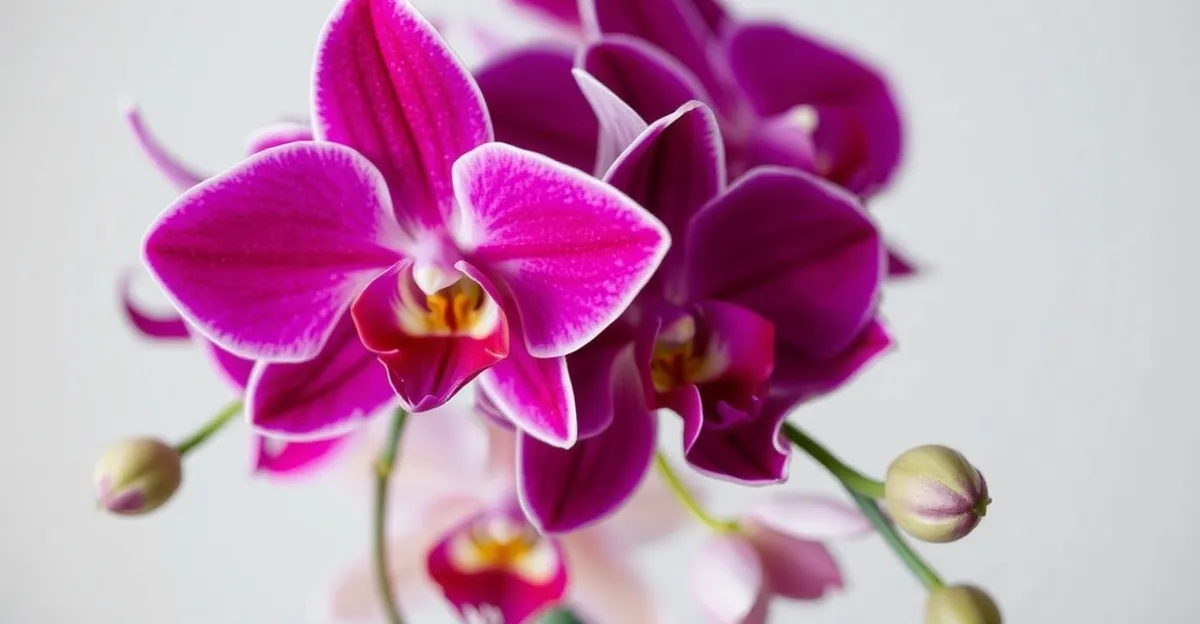
The day ends. The ceremony is over, the last guest has gone, and your orchid bouquet is sitting in a vase of hotel water looking, honestly, still quite beautiful. That moment — when you realize the flowers still have life in them but the event that called them into being is finished — is when most people either stick them in a new vase and watch them slowly fade, or wonder if there's something better to do.
There is. Orchids are among the more preservation-friendly flowers because their thick, waxy petals hold form better than roses or peonies after the event. In Bali's humid tropical climate, some methods work better than others. Here's what actually holds up — and what doesn't — in the tropics.
What You're Working With: Orchid Petal Biology
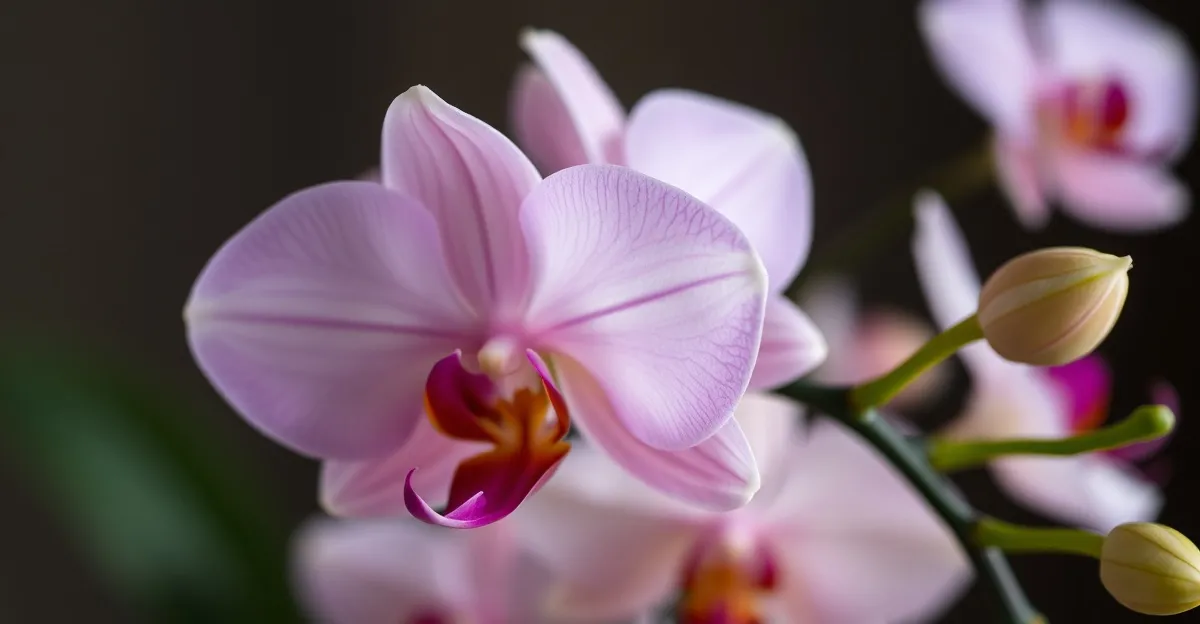
Before choosing a preservation method, it helps to understand what makes orchid petals different from other flowers. Orchid petals are thick, waxy, and have a much lower water content relative to their structural mass compared to, say, rose petals. This makes them:
- More resistant to bruising and physical damage
- Slower to decompose after cutting
- Better candidates for air-drying than soft-petalled flowers
- Reasonably good candidates for pressing, though the three-dimensional form is harder to capture
The waxy surface also means some pressing methods (which rely on paper absorbing moisture from the petal) work more slowly with orchids than with roses or frangipani.
Method One: Air Drying
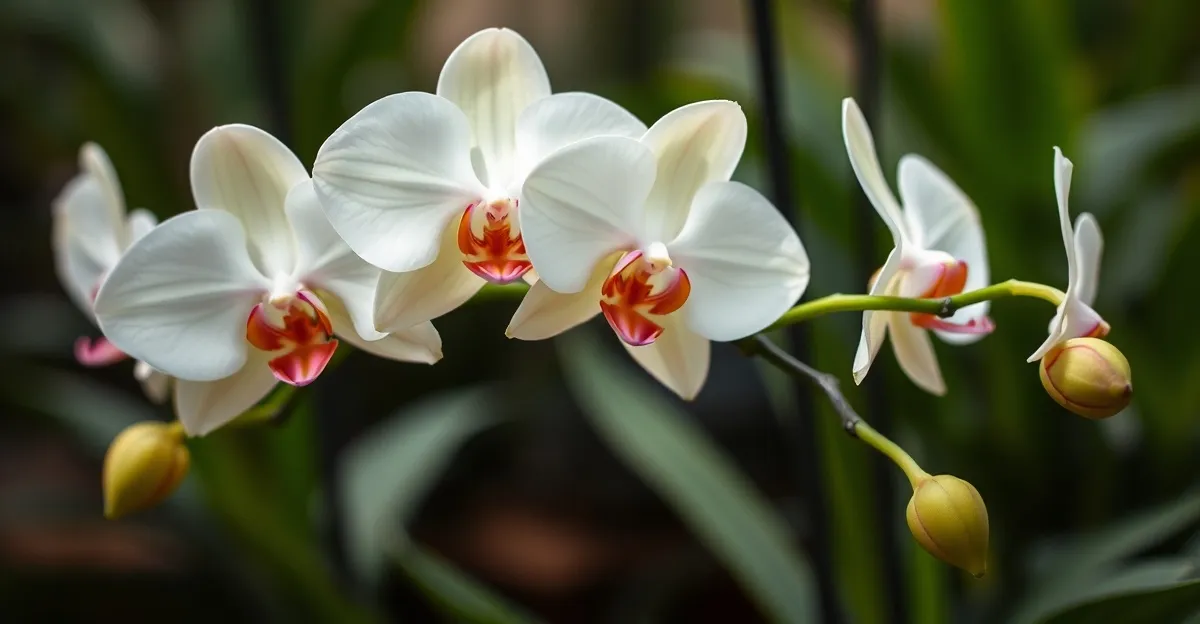
Air drying is the simplest preservation method and works adequately for Dendrobium spray orchids in the right conditions.
How to Do It
Remove individual stems from the bouquet as soon as possible after the event — ideally the same evening while they're still at peak form. Hang the stems upside down, individually, in a space with good air circulation, low humidity, and indirect light.
The Bali Problem
Here's where Bali's climate creates a specific challenge. Humidity — typically 70–90% relative humidity in Canggu and the coastal areas — is the enemy of air drying. High humidity slows moisture evaporation dramatically and creates conditions where mold can develop on the petals before they dry fully.
Solutions for tropical air drying:
- Use an air-conditioned room set to 18–22°C, which will also dehumidify the air
- Use a small dehumidifier in the drying space
- Leave a fan on low to increase air circulation
- Check daily for any sign of mold; remove affected stems immediately
In good conditions (cool, dry, airy), Dendrobium orchids can dry to a preserved form in seven to fourteen days. The result will be slightly shrunken and color-shifted — expect deeper, more muted tones rather than the fresh vibrant color — but structurally intact.
Phalaenopsis and Air Drying
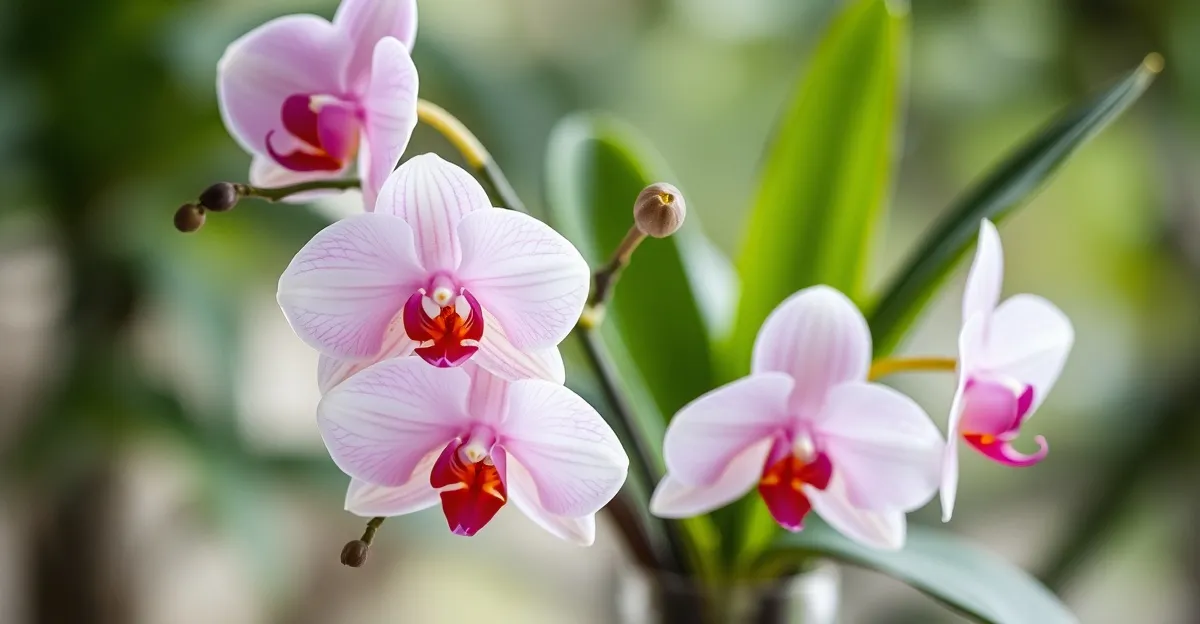
Phalaenopsis petals are larger and more three-dimensional. Air drying can work but results are less predictable. The blooms often dry unevenly, collapsing slightly in some areas. It's worth trying, but manage your expectations.
Method Two: Silica Gel Drying
Silica gel (available at craft stores and some pharmacies in Bali and Denpasar) is the most reliable method for preserving orchid blooms while maintaining their three-dimensional form and color. It works by absorbing moisture from the petals rapidly, faster than mold can take hold.
How to Do It
- Pour a 2–3 cm layer of silica gel crystals into a container with a tight-fitting lid
- Place individual orchid blooms face-up on the silica gel
- Slowly pour more silica gel around and over the blooms, covering completely
- Seal the container
- Leave for 3–7 days (check at day 3 to assess progress)
- Remove gently and brush off any residual crystals with a soft brush
Results in the Tropics
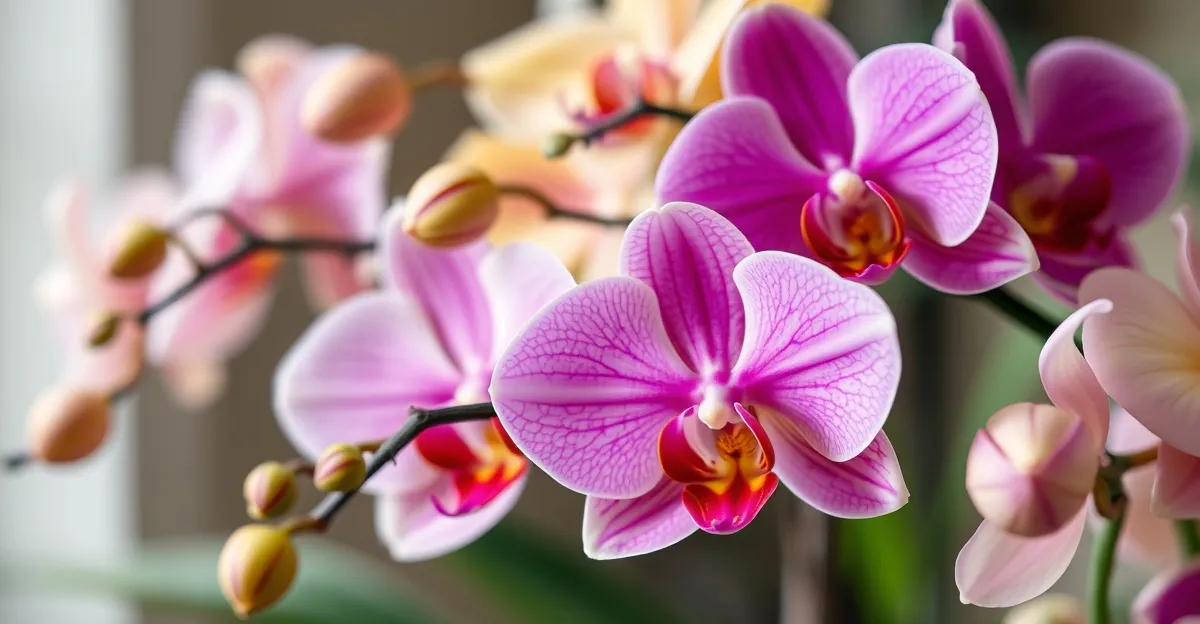
Silica gel drying overcomes most of Bali's humidity challenges because the sealed container protects blooms from ambient moisture. The results are significantly better than air drying — blooms retain more of their original form and color. White orchids tend to dry to a cream or ivory tone. Purple deepens slightly. Pink holds reasonably well.
Silica-dried orchid blooms can then be used in framed displays, resin casting, or shadow boxes.
Method Three: Pressing
Pressed orchid petals lose their three-dimensional form but become beautiful flat art pieces, ideal for framing or incorporating into stationery, gift tags, or art journals.
How to Do It
Separate individual petals from the bloom. Place between two sheets of absorbent paper (blotting paper works best; printer paper works in a pinch). Stack several books on top or use a flower press. Change the paper every two to three days to prevent mold in humid conditions.
In Bali's humidity, pressing takes longer than in cooler climates — expect two to three weeks rather than the one to two weeks typical in temperate climates. Adding silica gel packets to the flower press significantly speeds the process.
Bali-Specific Tip
The dried leaves and foliage from your arrangement (monstera, tropical greenery) often press beautifully alongside orchid petals, creating a composition that tells the story of a distinctly Balinese event.
Method Four: Resin Casting
Resin casting — encasing preserved flower blooms in clear epoxy resin — has become increasingly popular as a way to create permanent keepsakes from wedding and event flowers. Resin items can include jewelry (pendants, rings), paperweights, coasters, or art panels.
The Process
Resin casting requires pre-dried flowers (use silica gel first) to prevent the moisture from interfering with the resin cure. Epoxy resin is then poured in layers — usually two to four pours with curing time between — around the preserved bloom.
This is specialist work. In Bali, there are several artisan businesses (primarily in Ubud and Denpasar) that offer wedding flower resin casting as a service. Unless you have experience working with epoxy resin, it's worth using a professional for meaningful pieces.
Turnaround Time
If you're having resin pieces made from your wedding or event flowers, keep the flowers as fresh and intact as possible and deliver them to the artisan within forty-eight hours of the event. They'll do the drying and preparation themselves before casting.

The team
your florists
weekly subscription · Bali
We write about flowers because we love them. We deliver them because someone should — properly, weekly, across Bali.
— heyflowerPay once for 3, 6, or 12 months, no auto-renewal.
What to Do Immediately After the Event
The window immediately after your event is when your choices matter most:
- Remove the bouquet from any heat or direct sunlight
- Re-cut stems and place in fresh water in a cool, air-conditioned space
- Decide on your preservation method within twenty-four hours
- If using silica gel or resin casting, separate blooms before they decline
Don't wait three days thinking you'll preserve them when you have time — by then, the petals will have begun to break down and your preservation options will be limited.
For events where flowers are an integral part of the memory — weddings especially — making a preservation plan before the event is smarter than figuring it out afterward. You can read about how orchids work in wedding contexts in our guide on orchid in wedding bouquets.
Long-Term Storage of Preserved Orchids
Once preserved, orchid blooms need ongoing care to maintain their appearance:
- Keep away from direct sunlight, which will fade color over months and years
- In Bali's humidity, any dried flower display benefits from a sealed frame or case; open displays in humid rooms will gradually re-absorb moisture and soften
- Silica gel sachets placed near (or inside sealed cases with) dried flowers help maintain low local humidity
Even with perfect preservation, dried orchids will shift in color and some fragility develops over time. The goal isn't perfection forever — it's holding the essence of the moment for as long as possible.
Frequently Asked Questions
Can I freeze orchid blooms for preservation?
Freeze-drying (lyophilization) is used commercially to preserve flowers, but the home freezer doesn't produce the same results. Standard freezing damages orchid cells and produces unusable blooms when thawed. Unless you have access to commercial freeze-drying equipment, skip this method.
How long does silica gel preservation last?
Silica-dried orchid blooms, kept away from humidity and direct light, can last several years with their form reasonably intact. For long-term display, sealing the pieces behind glass or in resin significantly extends their lifespan.
Can I reuse silica gel?
Yes. Silica gel can be recharged by spreading the crystals on a baking tray and heating in an oven at 120°C for thirty minutes. This drives off the absorbed moisture and reactivates the drying capacity. Most silica gel varieties change color when saturated (from blue to pink, or from orange to green) so you can see when recharging is needed.
Are there professional flower preservation services in Bali?
Yes, particularly in Ubud and Denpasar, there are artisans who specialize in wedding flower preservation — primarily resin casting and professional pressing for framed pieces. Search for "flower preservation Bali" or ask your florist for referrals.
How do I transport my wedding bouquet from the venue to a preservation specialist?
Keep the bouquet stems in water for as long as possible, then wrap the cut ends in damp paper towel secured with foil for transport. Keep the arrangement in an air-conditioned vehicle. Deliver within twenty-four hours of the event for the best results.
At heyflower.co, we create arrangements worth preserving — built with fresh local orchids and designed to be beautiful at the event and after. Explore our flower collections and weekly subscription options at heyflower.co, delivering to Canggu, Berawa, Pererenan, Seminyak, and Kerobokan every Monday.
More on Orchid