How to Preserve a Heliconia Bouquet After the Event
Tips for preserving heliconia after a wedding, ceremony, or celebration in Bali—from extending fresh life to drying and long-term keepsake methods.
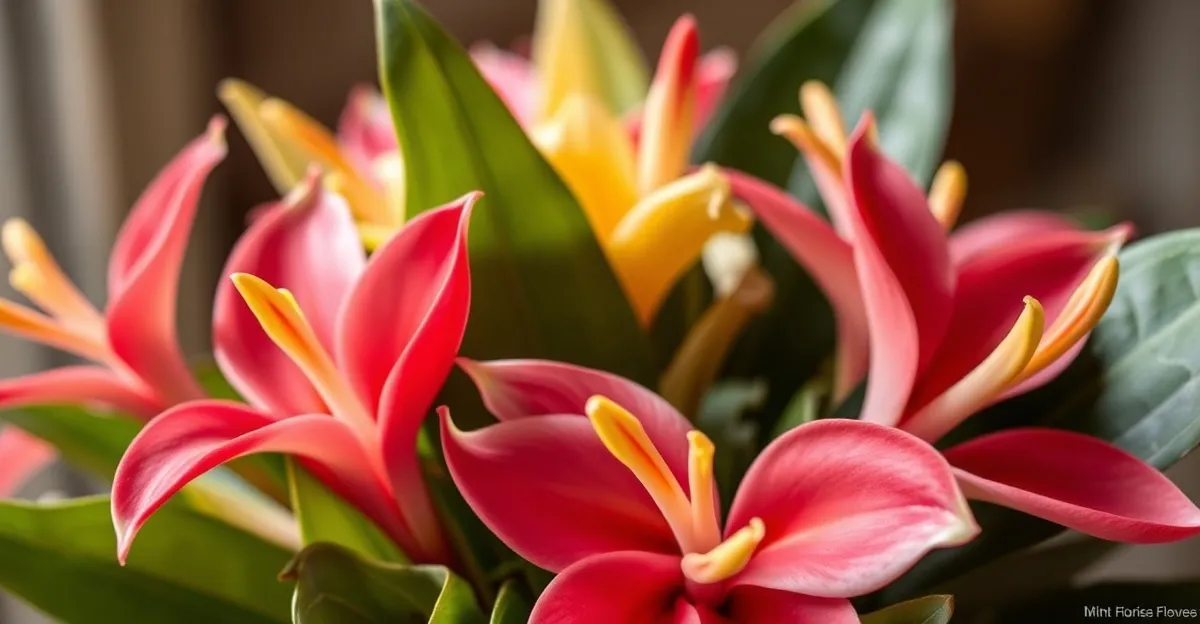
You have come home from a spectacular event—a Bali wedding, a villa birthday celebration, a sunset ceremony—and you have heliconia in your arms. These bold, architectural tropical flowers made the day feel like the island itself had dressed up for the occasion. Now you want to keep them.
Heliconia is one of the most preservation-friendly tropical flowers available in Bali. Its waxy bracts, robust structure, and relative lack of volatile aromatic compounds (compared to strongly scented flowers) make it well-suited to several preservation techniques. Whether your goal is maximum vase life post-event or a permanent dried keepsake, this guide covers your options in the context of Bali's tropical climate.
Maximising Fresh Life After the Event
The First Steps Home
The window immediately after an event is the most important for extending heliconia's fresh life. If the flowers were in water throughout the event, they should be in good shape. If they were part of a dry arrangement or display that was not watered for several hours, they may need some revival.
The first action on arriving home: recut the stems. Use sharp scissors or a floral knife, cutting at a 45-degree angle about two centimetres from the bottom of each stem. Do this under running water or while the stem is submerged in a sink of cool water—this prevents air bubbles entering the cut and blocking water uptake.
Place the recut stems immediately in a clean vase with fresh, cool water. Add flower food if you have it. Position the arrangement away from direct sunlight, direct air conditioning flow, and ripening fruit.
Rehydration for Stressed Stems
If your heliconia looks tired after a long event in Bali's heat—drooping, slightly limp—do not write it off. Try full submersion rehydration before giving up. Fill a bathtub, large sink, or storage container with cool water and submerge the entire heliconia—bracts, stems, and all—for one to two hours. The waxy bract surface can absorb water directly, and stems submerged in cool water will often recover from significant stress.
After the submersion period, recut the stems and place in a clean vase of fresh water. You may be surprised by how much life remains in what seemed like a spent arrangement.
Post-Event Vase Life Expectations
Fresh heliconia that has been well-maintained during an event and receives proper post-event care can last another seven to fourteen days in a vase. If the event was particularly long and hot, or if the flowers were not in water, expect closer to five to seven days. This is still exceptional performance compared to most cut flowers in tropical heat.
Change the water every day or every second day in Bali's climate. Recut the stems with each water change. Remove any individual bracts that show significant decline while leaving healthy bracts in place—a partially retired heliconia arrangement can look beautiful much longer than an all-or-nothing approach would suggest.
Drying Heliconia for Long-Term Display
Air Drying
Air drying is the simplest preservation method and produces decent results with heliconia. The waxy bract structure means it does not shatter or disintegrate when dried—it simply becomes papery and slightly muted in colour.
To air dry, hang stems upside down individually or in small bundles in a well-ventilated space away from direct sunlight. This is critical in Bali's climate: ventilation prevents mould, which is a genuine risk in Bali's high humidity. A ceiling fan running on low in a room with good airflow is ideal. Avoid closed cupboards or rooms without air movement.
Drying takes two to four weeks in Bali's humidity—longer than it would in a dry climate. You will know the drying is complete when the stems feel firm and rigid and the bracts feel papery throughout, not just at the edges.
Colour fading is inevitable with air drying. Deep reds become a warm brick or terracotta. Yellows fade to a warm gold or honey. Oranges become softer and more muted. The resulting tones have a beautiful, antique quality that works well in dried botanical displays.
Silica Gel Drying
For better colour retention than air drying, silica gel is the method of choice. Silica gel draws moisture out of plant tissue rapidly, leaving the structure intact with significantly less colour change than air drying allows.
The challenge with heliconia is scale—silica gel drying works best for individual bracts rather than entire multi-bract stems, unless you have a very large container. Separate individual bracts from the stem, then bury each one in silica gel crystals in a sealed container. Leave for five to seven days, then carefully brush away the gel with a soft paintbrush.
Silica-dried heliconia bracts retain much of their original colour and have a firm, natural feel rather than the papery quality of air-dried specimens. They can be re-assembled on wire stems or used in dry floral compositions, framed botanical displays, or shadow boxes.
You can find silica gel crystals in Bali at craft shops, some florists, and various online marketplaces that deliver to the island.
Glycerine Preservation
Glycerine preservation produces a different result from drying—rather than removing water and leaving the plant dry and rigid, glycerine replaces the water in plant tissue with glycerine solution, leaving the plant pliable, soft, and long-lasting. Glycerine-preserved heliconia bracts feel almost leather-like—flexible, smooth, and durable.
The process is simple: mix one part glycerine (available from pharmacies in Bali) with two parts warm water. Recut the heliconia stems and place in a tall container with the glycerine solution. Allow the plant to draw up the solution over two to three weeks. The bracts will darken slightly and develop a subtle sheen as the glycerine saturates the tissue.
Remove from the solution when the texture feels appropriately pliant throughout and the colour has shifted to the characteristic slightly deeper tone of glycerine preservation. Wipe off any surface residue and allow to air-dry for a day before displaying.
Glycerine-preserved heliconia is excellent for long-term display in Bali's humidity because it does not reabsorb moisture the way air-dried specimens can. The preserved bracts handle Bali's conditions significantly better than conventional dried flowers.
Pressing Heliconia Bracts
Individual heliconia bracts can be pressed flat and preserved in this two-dimensional form for use in botanical art projects, framed displays, or paper craft. The pressing process takes four to six weeks in a plant press or between the pages of heavy books, weighted down significantly.
In Bali's humidity, a standard book press may not be sufficient—the moisture in the air can prevent the bracts from drying fully, leading to discolouration and mould. A press with good airflow, or the use of moisture-absorbing paper changed regularly during the pressing process, is necessary to achieve clean results.
Pressed heliconia bracts have a beautiful, graphic quality in framed displays—their strong outline and vivid (if faded) colour creates botanical art with genuine visual power.

The team
your florists
weekly subscription · Bali
We write about flowers because we love them. We deliver them because someone should — properly, weekly, across Bali.
— heyflowerPay once for 3, 6, or 12 months, no auto-renewal.
Resin Casting for Permanent Preservation
For a truly permanent keepsake—particularly for a wedding bouquet or a significant event—resin casting encases a preserved (dried) heliconia bract in clear epoxy or polyester resin, creating an object that will last indefinitely and can be used as a decorative piece, paperweight, or framed art.
The key prerequisite is full drying of the heliconia bract before casting—trapped moisture causes cloudiness and bubbles in the resin. Silica gel drying is the best preparation for resin casting because it preserves colour while removing moisture efficiently.
Resin craft suppliers and artists in Bali can undertake custom casting projects if you are not confident attempting this yourself. The result is a spectacular, permanent keepsake that genuinely honours the event it commemorates.
For more on fresh heliconia care to extend the life of your arrangement before preservation becomes necessary, heliconia vase life in the tropics: how long do they last? covers day-by-day care in detail. For ideas on which occasions call for heliconia gifting in the first place, best occasions to gift a heliconia bouquet is a helpful companion read.
Frequently Asked Questions
Can heliconia be dried to make a permanent decoration?
Yes. Heliconia dries reasonably well using air drying, silica gel, or glycerine methods. Each produces a different result—air drying is simplest but most colour-fading; silica gel preserves colour better; glycerine produces a pliable, leather-like result that handles humidity well.
How do I dry heliconia in Bali's humidity without it going mouldy?
Good ventilation is the key to preventing mould during drying in Bali's humidity. Hang air-drying heliconia in rooms with active airflow (a fan helps), and ensure stems are not crowded together. Silica gel drying is inherently mould-resistant because it removes moisture rapidly.
What is the best preservation method for a wedding heliconia?
For a wedding keepsake, silica gel drying followed by resin casting produces the most impressive and permanent result. If resin casting feels too involved, silica gel drying of individual bracts for a framed botanical display is a beautiful alternative.
How long does glycerine preservation take for heliconia?
Two to three weeks for the glycerine solution to be fully absorbed by the heliconia tissue. The timing varies with stem thickness—check the texture of the bracts periodically and remove when they feel evenly pliant throughout.
Can I press heliconia bracts in a standard flower press?
Yes, individual bracts can be pressed in a standard flower press. In Bali's humidity, change the pressing paper regularly during the first week to prevent moisture retention and mould. Allow four to six weeks for complete pressing.
Fresh Heliconia, Beautifully Arranged
At heyflower.co, we deliver the freshest heliconia arrangements across Bali—perfect for events, celebrations, and regular home and villa displays. Start with the best quality and your preservation efforts will always be rewarded.
Explore our arrangements and subscribe for regular tropical flower deliveries at heyflower.co.
More on Heliconia