Heliconia Vase Life in the Tropics: How Long Do They Last?
How long does heliconia last as a cut flower in Bali's tropical heat? A florist's honest guide to vase life, care tips, and what affects longevity.
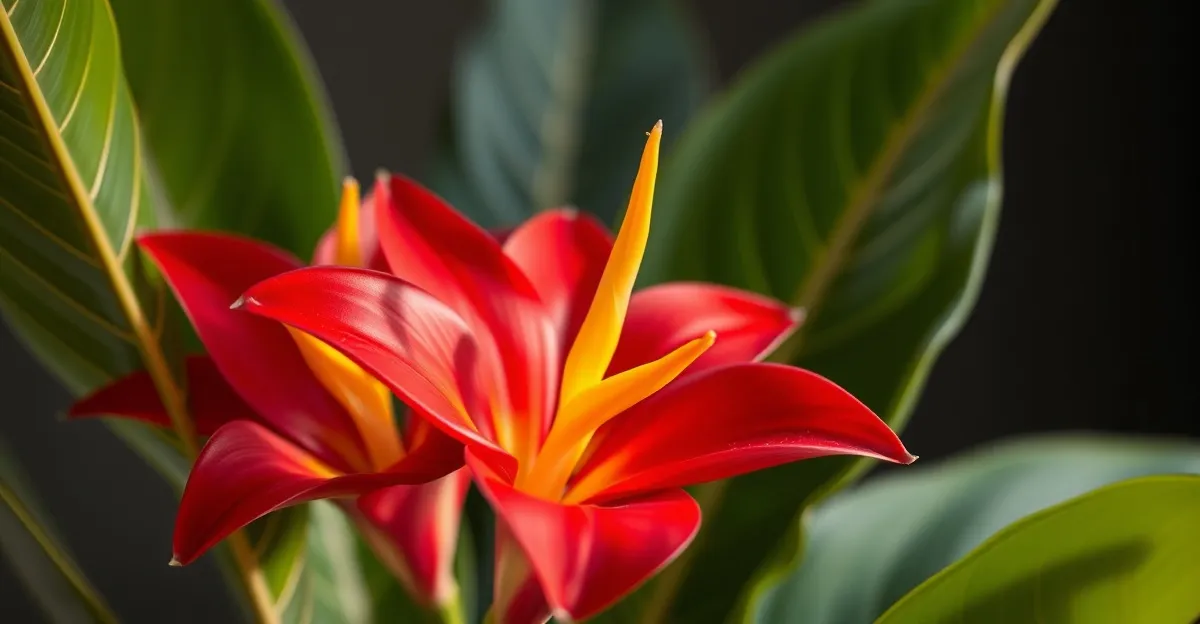
If you have ever ordered or received a heliconia bouquet in Bali and wondered how long you can realistically expect it to stay looking good, this guide is for you. The honest answer is: longer than almost any other flower you can order in a tropical climate, but only if you give it the right care.
Heliconia is one of those flowers that genuinely earns its reputation for durability. Its botanical structure—thick, waxy bracts rather than delicate petals—means it resists wilting and handles Bali's heat better than more fragile blooms. But there are specific practices that dramatically extend or shorten its vase life, and in Bali's climate those practices matter more than they would in a cooler environment.
What to Realistically Expect
Average Vase Life in Bali
Without any special care—just stems in water, wherever you happen to put them—cut heliconia in Bali's ambient heat (27°C to 33°C) will typically last five to eight days before showing significant decline. The bracts will gradually lose their brightness, the edges may begin to brown, and the stem will weaken.
With proper care—regular water changes, stem recutting, correct placement, and flower food—the same stems can last ten to sixteen days, and sometimes longer for particularly robust varieties. This makes heliconia one of the longest-lasting tropical cut flowers available in Bali, significantly outperforming roses (typically five to seven days in tropical heat), lilies (five to ten days), and most spray flowers.
Comparing Varieties
Not all heliconia varieties have the same vase life. General observations from our experience at heyflower.co:
Heliconia rostrata (hanging lobster claw): Exceptionally long-lasting—often twelve to sixteen days with good care. The pendant form and robust bract structure make it particularly durable.
Heliconia psittacorum (parrot's beak): Typically eight to twelve days. Smaller and lighter than the hanging varieties, it is still robust but slightly more sensitive to heat and water quality.
Heliconia bihai and large upright varieties: Variable, typically ten to fourteen days. The key factor is the freshness of the cut—well-conditioned stems from a quality source will significantly outperform older stems that have been in water for days before you receive them.
What Shortens Vase Life
The most common causes of premature heliconia decline in Bali:
- Stale water with high bacterial content (the number one factor in Bali's heat)
- Stems not recut after delivery—old cuts block water uptake
- Direct sunlight, which heats the water and fades the bracts
- Proximity to ripening tropical fruit (ethylene gas)
- Air conditioning blowing directly onto the arrangement
- Vase that is too small, causing the thick stems to crowd and the water to degrade faster
Day-by-Day: What to Expect
Days 1–3
Freshly delivered or newly arranged heliconia should look its best during this period. The bracts will be vivid and firm, the stems turgid, and the overall arrangement imposing. No special intervention needed beyond making sure the vase has clean water and the stems have been properly cut on delivery.
If you received the heliconia as a gift or event arrangement that spent any time in transit, the first step on arriving home should always be to recut the stems and place in a clean vase of fresh cool water. This prevents the inevitable water quality decline that happens during transport.
Days 4–7
By day four, even with good care, you may notice that the water in the vase is beginning to cloud. This is normal—bacteria are present in any vase water and multiply over time, especially in warmth. This is the most important window for a complete water change and stem recut.
The bracts should still look strong and vivid during this period. If you notice any browning at the very tips of the bracts, this is early ageing but does not indicate a problem. If you see significant browning, softening, or yellowing, check your water quality and placement.
Days 8–12
With good care, the arrangement should still look beautiful at this point, though you may notice the bracts beginning to soften slightly at the edges. The deep reds and oranges will have a slightly mellower tone—this is natural colour evolution rather than decline. Change the water again, recut the stems, and the arrangement will continue to perform.
Days 12 and Beyond
Well-maintained heliconia often continues to look impressive well into the second week. Individual bracts may show browning at the margins, but robust varieties can still hold their architectural structure and most of their colour. At this point, you may want to remove any individual bracts that have declined significantly while keeping the ones that still look good.
Specific Care for Bali's Climate
Water Temperature
In Bali's heat, use the coolest water you can comfortably manage for each water change. Room temperature water in Bali is already 26°C to 28°C—adding cold water from the refrigerator or a cool filtered source helps keep bacterial growth slightly slower and gives the stems a refreshing shock.
Some florists recommend briefly placing cut flower stems in hot (not boiling) water for thirty seconds before transferring to cool water. This can help with some stubborn stems that are not taking up water well, though it is not essential for well-conditioned heliconia.
The Stem Recut
Every water change should include a fresh cut on each stem. Use sharp scissors or a floral knife—blunt instruments crush the stem tissue and impair water uptake. Cut at a 45-degree angle approximately two centimetres from the bottom of the stem, creating a larger surface area for water absorption.
If you notice a stem beginning to decline faster than its companions, remove and inspect the cut end. If it is discoloured or soft, you may be dealing with bacterial infection at the base. Recut significantly higher—four to five centimetres—to move above the affected tissue.
Flower Food
Flower food (the small sachet that often comes with professional flower deliveries) contains three active components: a biocide to slow bacterial growth, sugar to fuel the flower's cellular processes, and an acidifier to improve water uptake. In Bali's heat, the biocide element is particularly valuable. Use it with each water change, following the concentration instructions on the packet.
If you do not have commercial flower food, a very small amount of bleach (a few drops per litre) can serve as a basic biocide, and a small amount of sugar (half a teaspoon per litre) provides some nutritional support. This is not as effective as purpose-made flower food, but it is better than plain water in Bali's heat.
To Refrigerate or Not
If you have a large enough refrigerator and need to store heliconia overnight—for an event the following day, for instance—overnight refrigeration can extend life significantly. Remove from the refrigerator an hour before display to allow the arrangement to adjust to ambient temperature. Do not refrigerate indefinitely—the cold can cause bract damage in some varieties if maintained for extended periods.

The team
your florists
weekly subscription · Bali
We write about flowers because we love them. We deliver them because someone should — properly, weekly, across Bali.
— heyflowerPay once for 3, 6, or 12 months, no auto-renewal.
When to Know It Is Time to Retire the Arrangement
Heliconia declines gracefully. Unlike some flowers that collapse suddenly and dramatically, heliconia typically softens and fades progressively. Signs that the arrangement has run its course:
- Bracts feel significantly soft and papery rather than firm and waxy
- More than half the bracts show significant browning
- The stem has become slimy at the cut end despite recent recutting
- The arrangement no longer holds its structural form
At this point, remove the spent heliconia and compost it. Bali's organic waste systems handle compostable flowers well.
For more on getting the most from tropical flowers in Bali's climate, how to care for heliconia in Bali's humid climate covers both garden and cut flower care in depth. And if you are considering fresh flower subscriptions to keep your space always looking beautiful, flower subscriptions for villa rentals in Jimbaran explores how regular deliveries work for villa settings specifically.
Frequently Asked Questions
How long do heliconia last in a vase in Bali?
With proper care, heliconia typically lasts ten to sixteen days in a vase in Bali's tropical climate. Without care, expect five to eight days before significant decline.
Does heliconia last longer than roses in tropical climates?
Yes, significantly. In Bali's heat, well-cared-for heliconia will typically last at least twice as long as roses, which are far more sensitive to heat and bacterial water degradation.
Should I change the water every day for heliconia in Bali?
In Bali's heat, changing the water every day or every second day is ideal. Bacterial growth in vase water is rapid in tropical temperatures, and regular changes are the single most effective thing you can do to extend vase life.
My heliconia arrived with brown bract tips—is this normal?
Some browning at the very tips of bracts can occur during transport and handling. If the browning is minimal and limited to the tips, this is cosmetic and does not indicate a sick flower. Recut the stems and give the arrangement fresh water—it should perform well from here.
Can I dry heliconia to preserve it after its vase life ends?
Yes, heliconia air dries reasonably well. Hang stems upside down in a well-ventilated space away from sunlight. In Bali's humidity, ensure very good ventilation to prevent mould. The dried bracts retain their shape but fade to a muted version of the original colour.
Keep Your Space Always Fresh With heyflower.co
At heyflower.co, we source heliconia at peak freshness from local Bali growers and deliver across the island with care. Every arrangement comes with care instructions so you get maximum vase life from your flowers.
Explore our tropical arrangements and subscribe for regular fresh deliveries at heyflower.co.
More on Heliconia