How to preserve a freesia bouquet after the event
Learn practical methods for preserving freesia bouquets in Bali's tropical climate — from air drying and pressing to silica gel drying for long-lasting keepsakes.
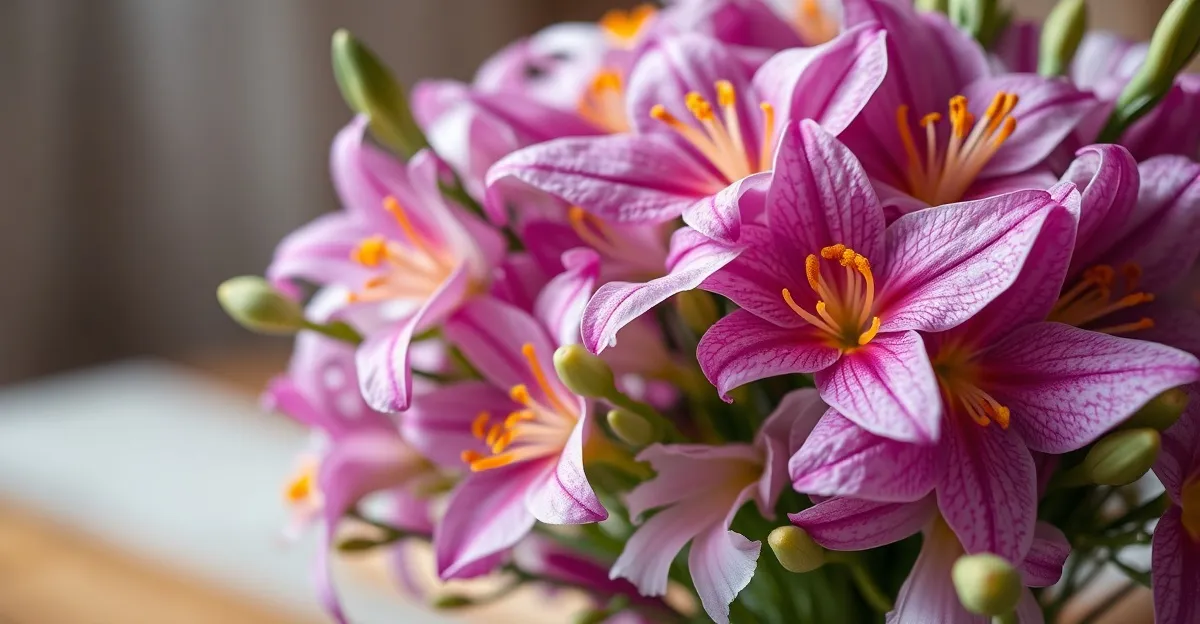
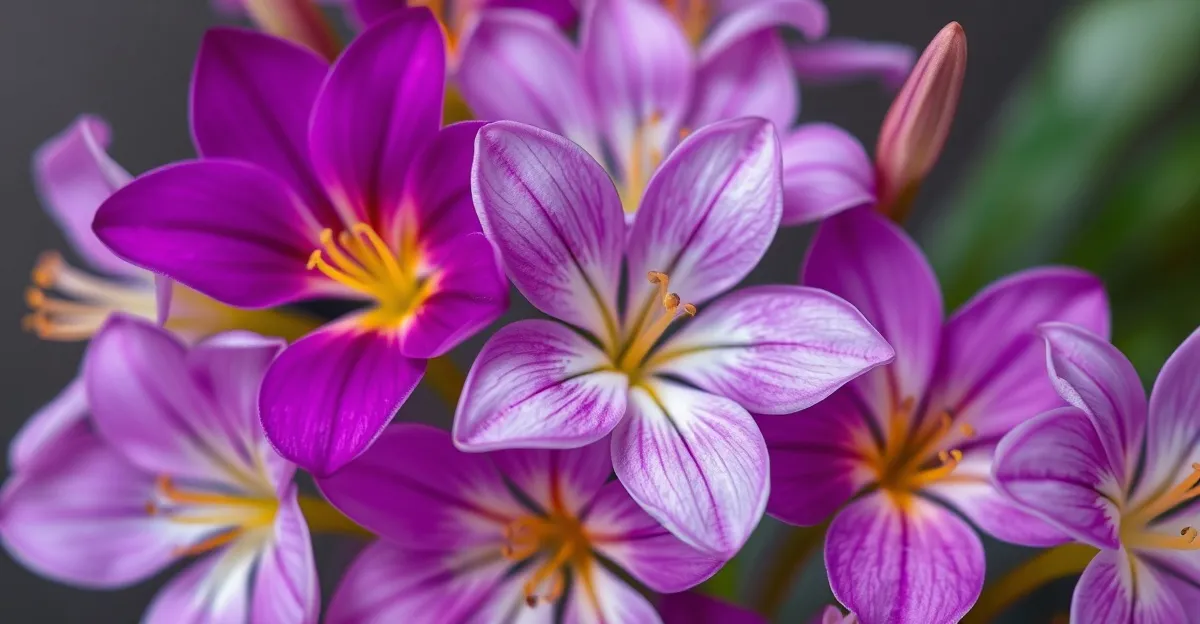
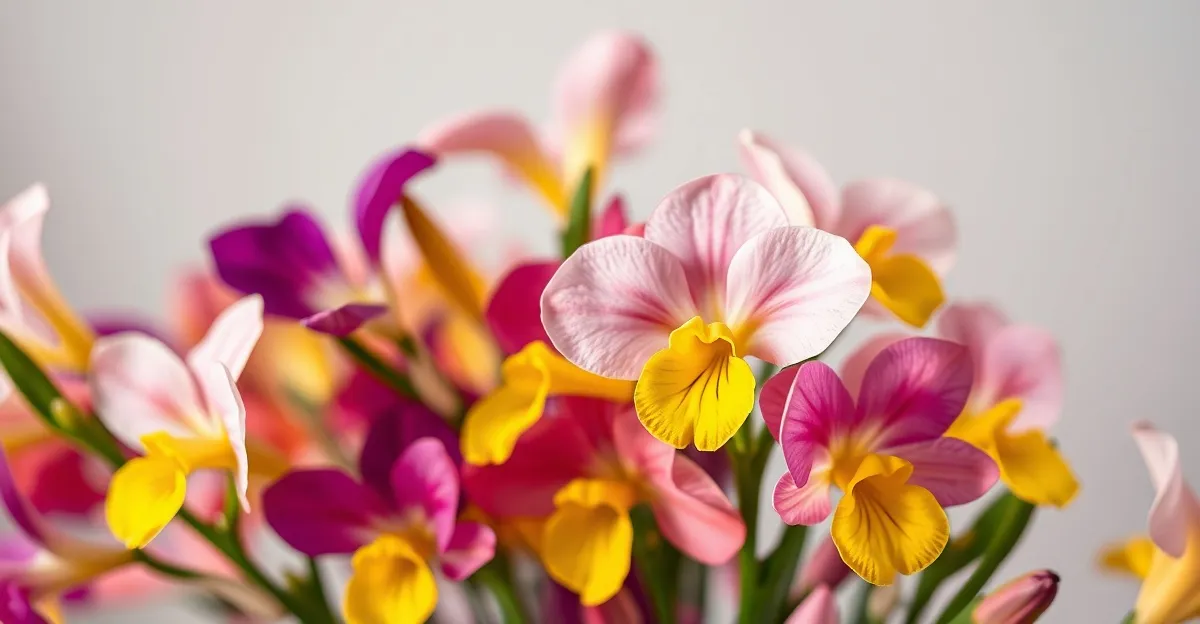
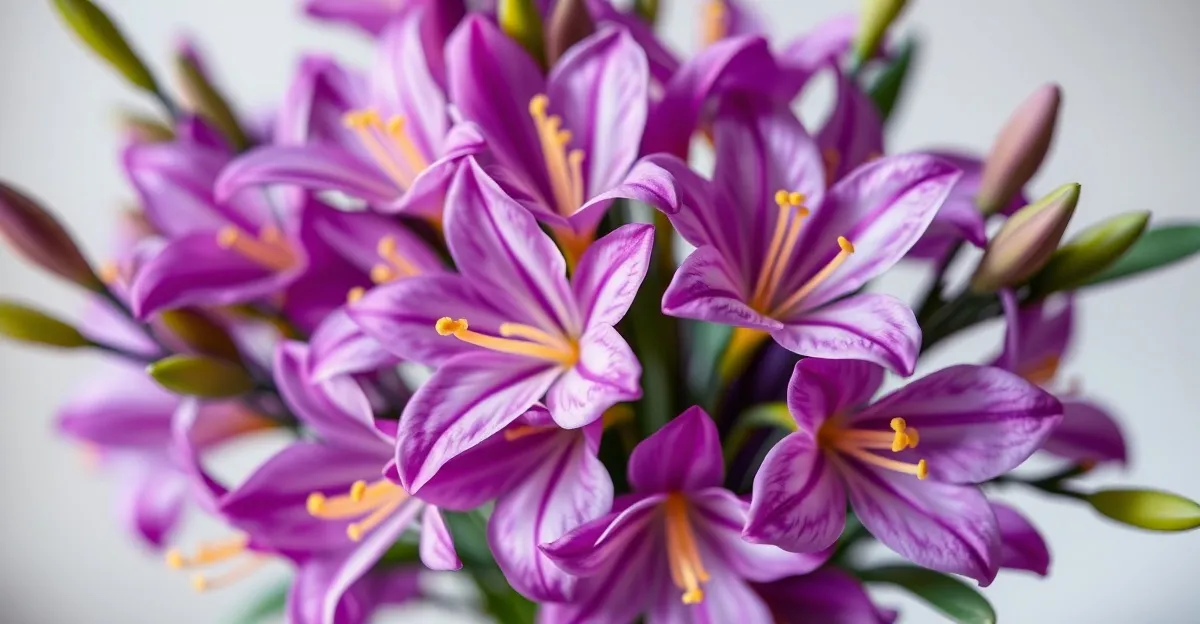
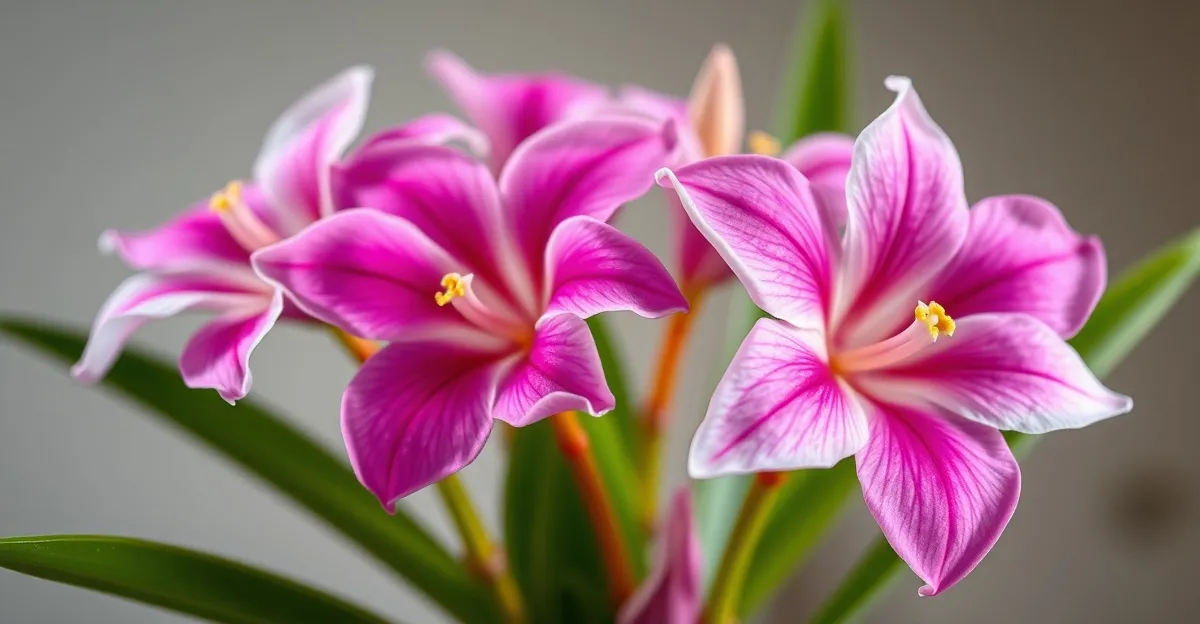
Freesias have a way of making events feel special. Their cascading buds, sequential blooming, and that unmistakable sweet-citrus scent turn a simple bouquet into something you want to hold onto. Whether it was a wedding arrangement from a villa in Canggu, a birthday gift delivered to your Seminyak apartment, or a bunch you picked up at Pasar Badung for your home, the question after the event is always the same: can I keep this?
The short answer is yes — though in Bali's climate, preservation takes a bit more care and intentionality than it might in cooler, drier places. Here is what works.
Understanding what you are working with
Before choosing a preservation method, it helps to understand freesia's physical characteristics. The flower head is tubular and relatively delicate. The stem holds moisture well — which is great for vase life but means drying takes longer and creates more risk of mold in humid conditions. The petals are thin and translucent, which preserves beautifully when pressed but can turn brown if dried too quickly or unevenly.
Bali's humidity is your main enemy here. On the coast — Kuta, Seminyak, Sanur — relative humidity typically runs 70–85% even in the dry season, and spikes higher during the wet months from November to March. This moisture in the air slows evaporation and encourages fungal growth in drying flowers. Every preservation method below accounts for this reality.
Method 1: Air drying (best for rustic keepsakes)
Air drying is the simplest method but in Bali's humidity it requires some modifications from the standard advice you might read elsewhere.
How to do it:
- Remove any stems that are already wilting or damaged.
- Strip leaves from the stems — leaves dry slowly and can trap moisture against the flower heads.
- Tie the stems together loosely with twine or a rubber band. Keep bunches small (3–5 stems) so air can circulate between flower heads.
- Hang upside down in your driest, most ventilated space. In a Bali villa or apartment, this means near a fan or in a room with good airflow, away from the kitchen (steam) and bathroom (humidity). A well-ventilated living area works better than an enclosed wardrobe.
- Check daily. If you see any signs of mold — fuzzy patches, a musty smell — remove affected stems immediately.
- In Bali's conditions, expect 2–3 weeks for complete drying rather than the 1–2 weeks often cited for drier climates.
Results: Air-dried freesias tend to shrink slightly and take on softer, muted tones — pale yellows become creamy, pinks become dusty. The sequential buds along the stem often dry at different rates, creating an interesting texture. The scent fades significantly. Good for dried arrangements and wreaths but fragile.
Method 2: Pressing (best for flat keepsakes and art)
Pressed freesias are stunning. The thin petals preserve their color well, especially white, yellow, and pale pink varieties. Pressed flowers can be framed, incorporated into resin pieces, or used to decorate greeting cards and journals.
How to do it:
- Choose flowers that are fully open but not overblown. Buds and partially-open flowers also press beautifully.
- Place flowers face-down on a sheet of absorbent paper — plain newsprint, blotting paper, or the pages of an old phone book all work. Avoid newspaper with ink that might transfer.
- Arrange the flowers without overlapping petals. For a stem with multiple buds, you may need to separate each flower from the stem and press them individually.
- Cover with another sheet of absorbent paper, then a flat, heavy object — books work well, or purpose-made flower presses.
- In Bali's humidity, change the paper every 2–3 days for the first week to prevent mold. This step is critical and is often the difference between success and a moldy failure.
- After 2–3 weeks, the flowers should be fully flat and papery.
Results: Beautifully flat, color-retaining flowers. White freesias can turn slightly cream over time, but the result is lovely. For creative ideas on using pressed flowers, see our article on epoxy ornaments with pressed Bali flowers.
Method 3: Silica gel drying (best for 3D form preservation)
Silica gel is a moisture-absorbing granular material available at most hardware stores in Bali (look in craft supply shops near Tiara Dewata in Denpasar, or order online). It preserves flowers in three dimensions — maintaining the shape of the flower head rather than flattening it. This is the best method for wedding bouquets where you want the arrangement to look like flowers, not pressed botanical specimens.
How to do it:
- Find an airtight container with a lid — a plastic container with a tight-fitting lid works perfectly.
- Pour a 2–3cm layer of silica gel crystals into the bottom.
- Place flowers face-up in the silica gel. For an arrangement, you can bury the stems vertically so the flower heads are supported.
- Carefully pour more silica gel around and over the flowers, supporting the petals as you go so they don't flatten or fold.
- Seal the container and leave for 3–7 days. The silica gel will absorb moisture from the petals.
- Remove flowers gently. Use a soft brush to remove any silica crystals caught in petals.
The Bali advantage: Silica gel actually works particularly well here because it is actively pulling moisture out of the flowers, counteracting the ambient humidity. This is the most reliable preservation method for Bali conditions.
Results: Flowers that look remarkably close to fresh, though slightly more fragile. Colors tend to be well-preserved. White freesias can have a papery sheen that is quite beautiful.
Method 4: Resin casting
If you want a permanent, displayable memento, casting flowers in clear epoxy resin is increasingly popular. This works especially well for individual freesia flowers or small sprigs rather than whole bouquets.
The process involves mixing two-part epoxy resin, pouring a base layer, placing dried or fresh flowers into the partially-set resin, then covering with another pour. The result is a clear, glass-like object that can be made into a paperweight, coaster, or framed panel.
Resin casting requires fully dried flowers first — fresh flowers introduced directly into resin will release moisture that creates bubbles and cloudiness. Use silica-gel-dried freesias for best results in resin work.
In Bali there are several craft studios in Ubud and Canggu that offer resin-pouring workshops if you want guidance.

The team
your florists
weekly subscription · Bali
We write about flowers because we love them. We deliver them because someone should — properly, weekly, across Bali.
— heyflowerPay once for 3, 6, or 12 months, no auto-renewal.
Timing: start preservation while flowers are fresh
This is the most important practical point: begin preservation before the flowers fully wilt. With all methods, you want to work with flowers that are still holding their structure. Flowers that have already collapsed, browned at the edges, or begun to smell fermented will not preserve successfully.
For a wedding or event bouquet, this often means making a decision on the day. If you are at a ceremony and want to preserve the flowers, set aside the stems you want to preserve early — ideally within 6 hours of the event ending. Flowers left in warm cars or warm rooms overnight in Bali deteriorate quickly.
Displaying your preserved freesias
Preserved freesias are delicate. In Bali's humidity, even fully dried flowers can re-absorb moisture from the air and become soft or moldy over time. Display strategies:
- Keep preserved arrangements away from the kitchen and bathroom.
- A room with air conditioning running regularly will be drier and better for display longevity.
- Consider placing a small silica gel packet near your display arrangement (hidden behind stems) to absorb ambient moisture.
- Avoid placing near windows where high-humidity outdoor air flows in.
For ongoing fresh flowers at home between special occasions, our weekly flower subscription is worth considering — it keeps your space looking cared-for without needing preservation work.
FAQ
Can I preserve freesias with hairspray? Hairspray can help set dried petals and reduce shedding, but it is not a preservation method on its own. Use it as a finishing coat after air-drying or silica-gel-drying to strengthen fragile dried petals.
Why are my dried freesias turning brown? Browning during drying usually indicates one of two things: the flowers were too far past their prime before preservation began, or drying happened too slowly (allowing enzymes to continue degrading the petals). In Bali's humidity, slow drying is a common issue — silica gel helps address this.
Can I freeze freesias instead of drying them? Freezing is not a standard flower preservation method and results are generally poor — ice crystals damage the cell structure of petals and you end up with limp, discolored flowers when thawed. Stick to drying methods.
How long do air-dried freesias last? In good conditions (low humidity, no direct sun), dried freesias can last 1–2 years. In Bali's humidity without active moisture management, expect 6–12 months before significant deterioration.
Does the freesia scent survive preservation? Some faint scent can survive air drying, particularly in the first few months. Silica gel preserves shape better but the scent fades more completely. Pressed flowers retain almost no scent. If you want the fragrance preserved as well as the visual memory, consider making a small sachet from dried petals.
Ready to bring fresh flowers to your Bali home or event? Explore our weekly flower subscription and get handpicked blooms delivered to your door every week.
More on Freesia