How to Preserve an Alstroemeria Bouquet After the Event
Keep your alstroemeria memories alive. Our Canggu florists explain the best methods for preserving alstroemeria bouquets after weddings, birthdays, and special occasions.
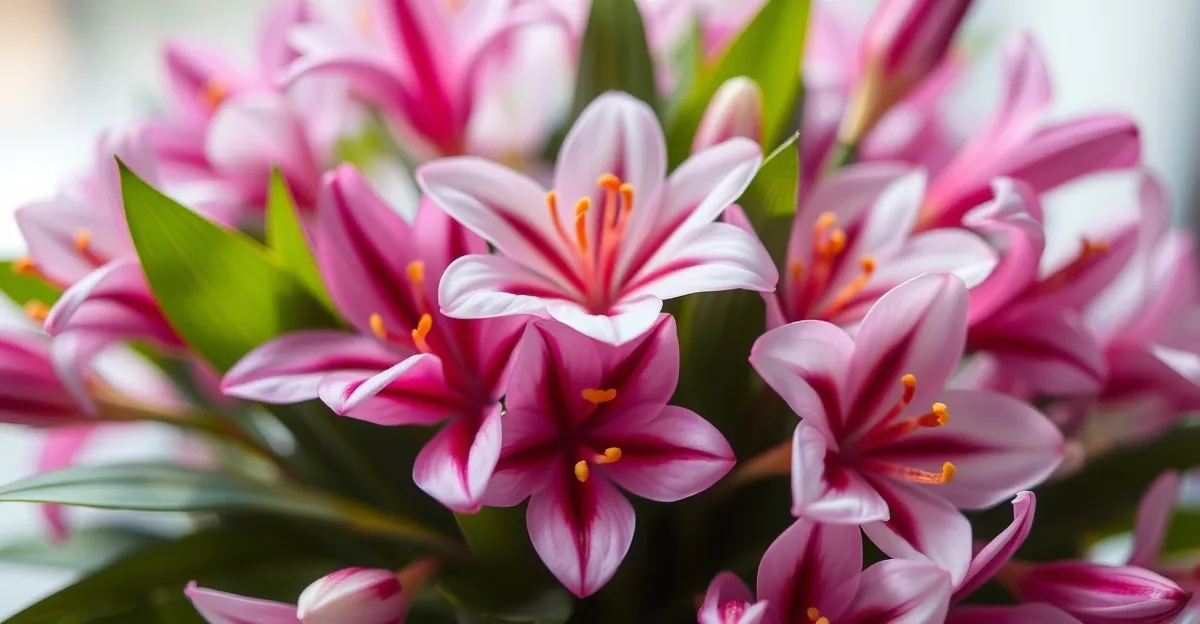
There are bouquets you want to hold onto long after the petals have dropped. A wedding bouquet, a special birthday arrangement, flowers from a farewell gathering in Bali that you cannot quite bring yourself to throw away. Alstroemeria, with its compact clusters and relatively sturdy petals, is one of the better flowers for preservation — not as simple as certain dry-friendly varieties, but manageable with the right approach. Here is what we recommend from years of florist experience in Canggu's tropical conditions.
Understanding What You Are Working With
Before choosing a preservation method, it helps to understand what makes alstroemeria tick as a physical object. Its petals have moderate moisture content — not as fleshy as succulents, not as delicate as sweet peas. The stems are hollow, which affects how they dry. The speckled inner markings on the petals are a pigment characteristic that holds reasonably well through drying processes.
Bali's tropical humidity is the main complication. High ambient moisture slows drying processes and can cause mould to develop before preservation is complete. Every method we recommend below accounts for this challenge.
Method One: Air Drying
Air drying is the simplest preservation method, but it requires adjustment for Bali's humid conditions.
The Standard Approach
Bundle three to five alstroemeria stems together loosely (avoid packing them tightly, which traps moisture). Hang them upside down in a dry, well-ventilated area — a covered outdoor area with a breeze, or an air-conditioned room. The upside-down position encourages the petals to dry in a natural, slightly upswept position rather than drooping.
The Bali Adjustment
In Bali's humid climate, standard air drying requires an air-conditioned environment. Hanging flowers in a humid, non-air-conditioned room almost always results in mould before drying is complete. Set the air conditioning to a moderate temperature — around 22°C — and ensure good air circulation around the stems. A small fan running on low speed nearby accelerates the process.
Timing
In good conditions, alstroemeria takes two to three weeks to fully air dry. Test dryness by gently touching the petals — they should feel papery and slightly crisp, with no flex or moisture. Incompletely dried flowers will continue to wilt after removal.
What to Expect
Air-dried alstroemeria will shrink and lighten in colour significantly. Vivid reds and oranges become rust tones; bright yellows become soft golden. The original shape is mostly retained, though petals curve and crimp. The result is beautiful in its own right — not the same as the fresh flower, but a genuine keepsake.
Method Two: Silica Gel Drying
Silica gel is the florist's preferred drying method for preserving colour and shape. It draws moisture out of petals far faster than air drying, which is especially important in humid climates.
What You Need
Silica gel crystals (available from craft stores and online in Indonesia), a sealable container large enough to hold your bouquet, and patience.
The Process
- Cut stems to a comfortable length — 10–15cm works well for display purposes.
- Pour a 2–3cm layer of silica gel into the container.
- Place alstroemeria heads facing upward on the gel layer.
- Gently spoon silica gel over and around the flowers until completely covered.
- Seal the container.
- Check after three to four days by gently removing one flower and testing for papery dryness.
Results
Silica gel preservation produces significantly better colour retention than air drying. Flowers emerge with a dry, slightly matte appearance that closely resembles their fresh colour. The petals may be slightly more fragile than air-dried specimens.
Reuse
Silica gel can be reused indefinitely. Blue indicator crystals that have absorbed moisture turn pink — simply bake them in an oven at 120°C for an hour to restore their drying capacity.
Method Three: Pressing
Pressing works differently from the three-dimensional methods above, producing a flat specimen rather than a retained form. It is perfect for incorporating into frames, cards, resin art, or botanical journals.
How to Press Alstroemeria
Individual florets (separated from the stem) press better than whole clusters. Place florets between sheets of absorbent paper — blotting paper is ideal, but multiple layers of newspaper work in a pinch. Place inside a heavy book or under a weighted board.
In Bali's humidity, change the paper layers every two days for the first week to prevent mould. After two to three weeks, the florets should be flat, dry, and papery.
Display Options for Pressed Alstroemeria
Pressed alstroemeria florets are beautiful in simple floating frames with white or cream mounting cards. They make lovely keepsakes from weddings, anniversaries, or significant moments. For a Bali-aesthetic approach, press alstroemeria alongside tropical leaves, frangipani, and other local botanicals for a composition that captures both the occasion and the place.
Method Four: Resin Embedding
Resin embedding creates a permanent, three-dimensional preservation that is increasingly popular for wedding flowers and significant keepsakes. The result is a glass-like block or shape containing the preserved flower — beautiful as a paperweight, a desk object, or a decorative piece.
Bali Considerations
Resin work requires good ventilation and careful temperature control. Bali's heat can affect resin curing, so working in an air-conditioned space and following manufacturer temperature guidelines is important. Several craft suppliers in Bali's Seminyak and Denpasar areas stock two-part epoxy resin suitable for flower embedding.
Professional Services
If resin work feels technical, several Bali-based artisans and craft studios offer professional flower preservation in resin as a service. This is worth considering for irreplaceable bouquets — a wedding bouquet, a significant gift — where you want certainty of result.
Method Five: Freezing (Not Recommended for Long-Term)
Flowers can be flash-frozen in some contexts, but for long-term preservation in Bali's climate, the freezer is not reliable. Power fluctuations that affect freezer temperature, and the humidity shock when frozen flowers are removed, make this method unsuitable for serious preservation.
What to Do Immediately After the Event
The preservation window matters. Flowers that are already declining cannot be well-preserved. For the best results:
- Begin preservation as soon as possible after the event — ideally the same day or the following morning.
- Keep the bouquet in fresh water until you are ready to begin.
- Remove any already-wilted or browned florets — only preserve the best specimens.
- Work in a cool, air-conditioned environment.
Displaying Your Preserved Alstroemeria
Once preserved, alstroemeria specimens need protection from humidity to remain in good condition. Display them in frames with sealed backs, inside glass cloches, or in sealed resin. Avoid open display in humid areas like bathrooms or covered outdoor spaces.
For villa or home interior display, the combination of pressed alstroemeria with a simple wooden or bamboo frame looks particularly beautiful against Bali's natural material interiors. Flower arrangement ideas for your bedroom has some ideas for how to incorporate botanical art elements into interior styling.

The team
your florists
weekly subscription · Bali
We write about flowers because we love them. We deliver them because someone should — properly, weekly, across Bali.
— heyflowerPay once for 3, 6, or 12 months, no auto-renewal.
Creative Uses for Preserved Alstroemeria in Bali Interiors
Preserved alstroemeria does not have to end up in a frame behind glass. Bali's rich craft and design culture offers a range of creative applications for preserved botanical material.
Botanical Candles
Embedding pressed alstroemeria petals in the outer wax layer of hand-poured candles creates beautiful, luminous objects. When the candle is lit, the petals glow from within. Bali has excellent beeswax and coconut wax available, and candle-making supplies are widely stocked in the craft districts of Denpasar and Seminyak.
Resin Jewelry and Objects
Small alstroemeria florets embedded in resin can be made into pendants, earrings, paperweights, or coasters. Resin jewelry-making is a growing craft in Bali, and the island's craft workshops occasionally offer classes. The flower becomes a wearable or functional object — a preserved memory you can actually use.
Greeting Cards
Pressed alstroemeria petals and leaves mounted on handmade paper or quality card stock create beautiful, personal greeting cards. Combine with a handwritten note and you have something genuinely special. A box of hand-pressed botanical cards made from flowers that arrived as a gift from someone meaningful has a quality that printed cards cannot approach.
Dried Flower Wreaths
Air-dried alstroemeria can be incorporated into small dried flower wreaths alongside other dried botanical material: banksia, dried tropical grasses, eucalyptus pods, and dried palm seed pods (readily available in Bali). These wreaths work beautifully in the natural material aesthetic that characterises much of Bali's interior design tradition.
Frequently Asked Questions
How long will preserved alstroemeria last?
Air-dried or silica-dried alstroemeria stored away from humidity and direct light can last several years. Resin-embedded flowers effectively last indefinitely, as the resin seals them from environmental exposure. Pressed specimens in sealed frames last many years.
Can I preserve a whole Bali wedding bouquet at once?
A whole bouquet is challenging because the interior flowers do not get sufficient air circulation for drying. We recommend separating the bouquet into individual stems or small clusters and drying them in batches, then reassembling or displaying as individual elements.
Will the colour of alstroemeria hold after drying?
Partially. Silica gel produces the best colour retention. Air drying produces warmer, slightly muted tones. Pressing flattens and slightly fades colours. All methods result in some change from the fresh state.
Is it possible to preserve alstroemeria that has already fully opened?
Yes, but flowers just past peak (fully open but not yet dropping) actually press and dry better than overblown specimens. Avoid flowers with browning petal edges or drooping petals.
What if mould appears during the drying process?
Remove affected flowers immediately and improve air circulation. In silica gel drying, ensure the container is sealed tightly to exclude humid air. In air drying, increase air conditioning airflow and replace the paper layers more frequently.
A preserved alstroemeria bouquet becomes something more than a keepsake — it is a held moment, a reminder of a celebration or a connection that mattered. At heyflower.co, we love helping flowers become memories. Browse our current arrangements at heyflower.co and let us help you start a collection worth keeping.
More on Alstroemeria