How to prepare a vase for a new bouquet
How to properly clean and prepare a vase for fresh flowers in Bali's tropical climate, where bacteria multiply faster and vase prep makes a real difference to flower longevity.
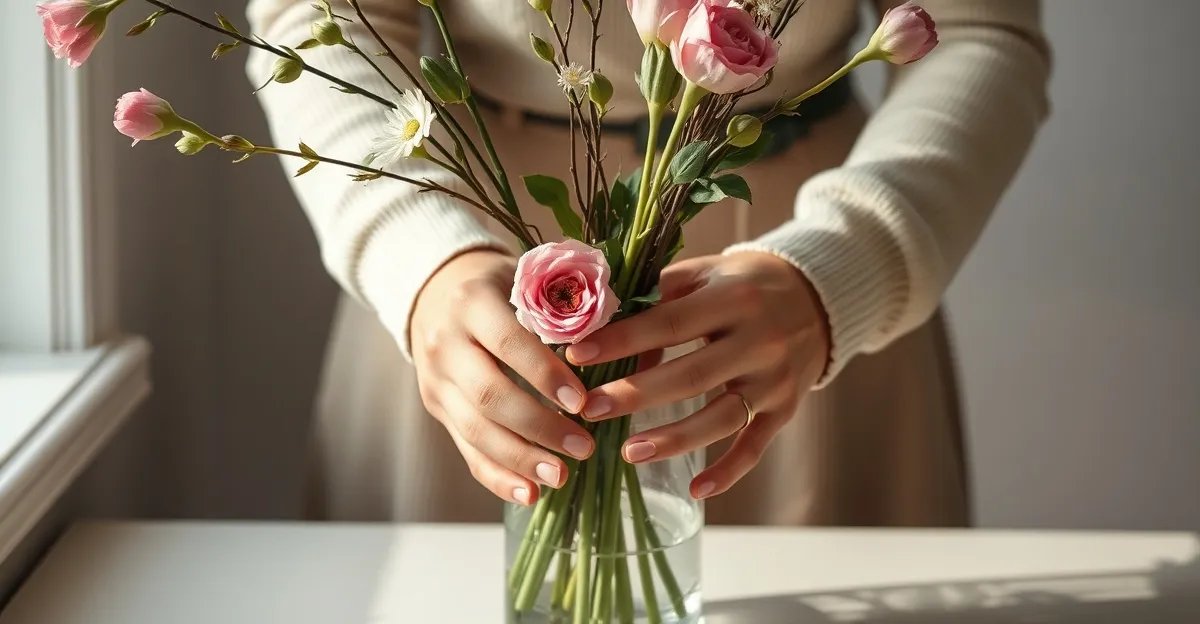
Most people rinse their vase with water, add fresh flowers, and wonder why the blooms decline faster than expected. In Bali's warm, humid climate, a poorly prepared vase is one of the biggest reasons cut flowers don't last as long as they should. Bacteria in the vase water travel up the stem and block the vascular tissue, preventing water from reaching the flower head. In our heat — often 28–32°C indoors without AC — that bacterial growth happens fast.
A properly prepared vase takes three minutes and makes a noticeable difference. Here's how to do it right.
Why vase preparation matters in tropical climates
In a temperate kitchen at 18°C, flower vase water stays relatively clean for several days. In a Bali kitchen at 30°C, the same water can be teeming with bacteria within 24 hours. These bacteria form a biofilm on the vase walls and in the water itself. When you put a fresh bouquet into a contaminated vase — even with clean water — the bacterial load is already high, and the stems begin to block quickly.
This is amplified if you're reusing a vase that previously held flowers and was only rinsed with cold water. Biofilm clings to glass, ceramic, and plastic surfaces and doesn't come off with a simple rinse.
A clean vase with properly conditioned water is the single most effective thing you can do to extend the life of a fresh bouquet.
Cleaning an old or used vase
Step 1: Rinse out any old water and debris. Remove any remaining plant material — stems, leaves, petals that have fallen in.
Step 2: Wash with hot soapy water and a bottle brush. Dish soap and hot water cut through the oily residue that bacteria feed on. A bottle brush lets you scrub the inside walls, particularly the narrow neck area that fingers can't reach. Don't skip the bottom of the vase — biofilm accumulates there.
Step 3: Sanitise with a bleach solution. Mix a small amount of household bleach with water — roughly 10 ml bleach per litre of water. Fill the vase with this solution, swirl, and let it sit for five minutes. This kills residual bacteria and breaks down biofilm that soap might miss. Rinse thoroughly with clean water afterward until you can no longer smell bleach.
Alternative to bleach: White vinegar works as a gentler sanitiser. Fill the vase with a solution of equal parts white vinegar and water, leave for ten minutes, then rinse. This is less effective than bleach but sufficient for vases that are cleaned regularly.
Step 4: Allow to air dry upside down. Damp vases stored right-side-up collect ambient bacteria from the air. Turn them upside down on a clean dish rack to drain completely before use.
Preparing the water
The water itself matters. A few things to consider in Bali:
Water temperature: Slightly cool water (around 20°C, if you can manage it) is better than warm tap water for most cut flowers. Cool water holds more dissolved oxygen, which helps the stem transport water upward. In Bali's heat, this means using a vase that isn't sitting in direct sun, and possibly adding a couple of ice cubes to cool the water initially.
Water source: Bali tap water varies in quality by area. In Seminyak, Canggu, and most tourist areas, tap water is generally adequate for flowers. If you're in an area where the water quality is questionable, use filtered or bottled water for vases, especially for premium or delicate flowers like roses.
Flower food sachets: If your bouquet came with a flower food sachet, use it. These sachets contain a biocide, acidifier, and sugar — a combination that creates the ideal vase environment. Dissolve the sachet in the recommended amount of water (usually stated on the packet) before adding flowers.
DIY flower food: If you don't have a sachet, a simple home recipe: one teaspoon of sugar, one teaspoon of white vinegar or a few drops of bleach, per litre of water. The sugar feeds the flower, the vinegar or bleach controls bacteria.
Vase size and water level
Match the vase size to the bouquet — stems should be supported and not crammed so tight they can't drink. A vase that's too small also concentrates bacteria and doesn't allow for adequate water volume.
For most bouquets, fill the vase two-thirds full with water. Some florists recommend only a few centimetres for certain flowers, but in Bali's heat, more water helps maintain stable temperature and water availability. Refill daily.
The leaves below the waterline are a major source of bacterial contamination. Remove any foliage that would sit below the water surface — this is one of the most important steps in the whole process. Decaying leaves in the water accelerate bacterial growth dramatically.

The team
your florists
weekly subscription · Bali
We write about flowers because we love them. We deliver them because someone should — properly, weekly, across Bali.
— heyflowerPay once for 3, 6, or 12 months, no auto-renewal.
Choosing the right vase for tropical conditions
Heavy glass vases that stay cool are better than thin glass or plastic in Bali's heat. The thermal mass of the glass keeps the water marginally cooler, which slows bacterial growth. Ceramic vases are also good.
Avoid metal vases unless they're specifically designed for flowers — some metals react with water and the acids in flower stems to create conditions unfavourable to the flowers. Copper and iron can be particularly problematic.
Clear glass vases allow you to see the water condition — when it clouds, it's time to change it. This visual cue is useful in our climate where changes happen faster.
For ideas on how different vase styles can complement your blooms and interior, see our guide on bouquets that look amazing in tropical wood vases.
The maintenance routine after setup
Even with a perfectly prepared vase, Bali's heat means you need to maintain it actively:
- Change the water every two days. Don't just top it up — empty, rinse, and refill.
- Re-cut stems at each water change. Even 1–2 cm cut at a 45-degree angle reopens blocked vascular tissue.
- Remove any dying flowers or petals before they foul the water.
- Keep the vase out of direct sun and away from heat sources (oven, direct light through windows).
FAQ
Do I really need to sanitise with bleach every time? For a vase that's used frequently and cleaned well after each use, a thorough hot soapy wash is sufficient. The bleach step is most important for vases that have been sitting unused for a while or that have visible residue or staining.
Can I use the same water for multiple days? In Bali's heat, the water quality degrades quickly. We recommend changing it every two days rather than trying to stretch it further, even if the water looks clear.
What if my vase has a narrow neck and I can't get a brush in? Use the bleach or vinegar solution soak method — fill the vase, let it sit, then rinse thoroughly. For stubborn residue, a long-handled bottle brush with a flexible tip is available at most kitchen supply stores in Denpasar.
Does the colour of the vase matter? A small factor. Dark vases keep the water marginally cooler by absorbing less heat than clear glass in a sunny room. But placement in a cool spot matters much more than vase colour.
Should I add ice cubes to the water? A few ice cubes at setup can bring the initial water temperature down, which helps. They'll melt quickly in Bali's heat and the benefit doesn't last long, but it's a nice touch for premium flowers on a hot day.
Ready to put a beautifully fresh bouquet in your perfectly prepared vase? Explore our weekly flower subscription and get handpicked blooms delivered to your door every week.



