How to match flowers to a gift recipient's style
The best flower gift feels personal, not generic. Learn how to read someone's aesthetic and match flowers to their style for a truly thoughtful gift in Bali.
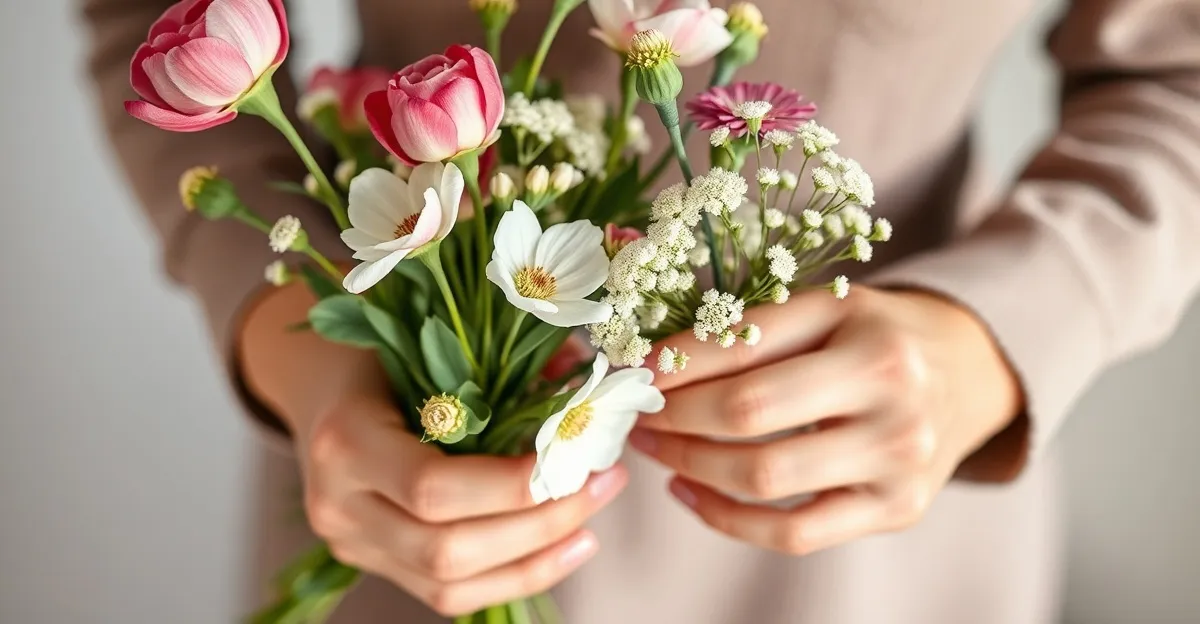
A bouquet of flowers given without any thought to the recipient's personality or taste is still a nice gesture — most people are genuinely pleased to receive flowers. But a bouquet that reflects who someone actually is, their home aesthetic, their color preferences, their relationship to nature — that lands differently. It's the difference between a polite gift and one that makes someone feel genuinely seen.
In Bali, where flowers are woven into the visual fabric of daily life in ways that go well beyond Western gift-giving traditions, choosing flowers thoughtfully is worth the small extra effort. Here's how to read the signals.
The home aesthetic test
The most reliable indicator of someone's flower preferences is the way their living space looks. People tend to extend their personal aesthetic consistently across their home, clothing, and the things they choose to surround themselves with.
Minimal and modern: Someone with a clean, white-walled villa with simple wooden furniture, no clutter, and a considered aesthetic will typically respond best to flowers that mirror that restraint. A single large stem — one dramatic anthurium, a striking bird of paradise, three perfect roses in a bud vase — makes a stronger statement for this person than a lush, maximal arrangement. Monochromatic palettes (all white, all cream, all dusty pink) resonate with a minimal aesthetic.
Maximalist and eclectic: A home full of color, collected objects, layered textiles, and global influences calls for flowers that can hold their own in that environment. Generous, mixed arrangements with rich color, multiple flower types, and interesting textural elements — tropical foliage, unusual seed pods, bold heliconia — suit this personality.
Traditional and warm: In Balinese and Javanese-influenced homes, or homes with a rustic, handcrafted quality, flowers in warm tones (terracotta, amber, rust, deep orange) often work well. Marigolds, sunflowers, warm roses, and tropical flowers in earth tones speak to this aesthetic without clashing.
Natural and earthy: Someone who values sustainability, local craftsmanship, and organic materials tends to respond well to arrangements that look gathered rather than designed — loose and natural, with wildflower-style mixes, herbs, foliage-heavy compositions, and locally available tropical blooms rather than imported varieties.
Reading clothing and color preferences
How someone dresses is another good signal. Color preferences in clothing often translate to color preferences in flowers, particularly for people who have developed a strong personal sense of style.
Someone who consistently wears muted, desaturated tones — dusty rose, sage green, warm beige — will likely prefer flowers in similar quiet palettes over bright primary colors. Offer pastel pinks, soft peaches, creamy whites, and dusty lavenders rather than vivid reds and yellows. See our guide on pastel flower bouquets: when to give them for color combinations in this family.
Someone who wears bold colors, prints, and statement pieces probably has a confident aesthetic that welcomes bright, unapologetic flower choices. Deep reds, cobalt blues (from agapanthus or delphinium if available), vivid oranges and yellows all suit this person.
Neutral dressers — lots of white, navy, khaki, grey — are harder to read from clothing alone. Fall back on the home aesthetic test, or when in doubt, choose a monochromatic white or cream arrangement, which works for virtually everyone.
Personality and occasion cues
Beyond visual preferences, the nature of the relationship and the occasion should influence your choice.
A close friend: You likely know their actual preferences better than any guide can tell you. Choose something that references a specific shared memory — the color of a place you both loved, a flower they mentioned once, something connected to a story between you.
A professional contact or colleague: Keep it elegant and not overly personal. White flowers with green foliage are universally appropriate in professional contexts. Avoid anything overly intimate or fragrant in a workplace setting.
A romantic partner: Ask yourself what they've responded to before. If they've pointed out a flower, mentioned liking a scent, or photographed a garden — those are your cues. Red roses are classic but generic. A bouquet that incorporates something they've specifically mentioned is infinitely more meaningful.
Someone you don't know well: Tropical flowers in mixed arrangements — the signature look of a Bali florist — work beautifully as a thoughtful but not overly personal gift. Anthuriums, tropical greenery, and a few roses feel appropriate for a wide range of people.
A Balinese host or family: Flowers given as a courtesy gift during a home visit should be bright and positive in color (avoid white flowers alone, which in Hindu Balinese culture can be associated with funerary contexts). Orange marigolds, yellow chrysanthemums, and mixed bright arrangements are warmly received.
Scent preferences
Fragrance is a strong personal preference that's easy to get wrong. Some people are sensitive to strong scents, find them overwhelming in enclosed spaces, or have genuine allergies to certain pollen types.
If you know the person well and know they love fragrant flowers, a bouquet of gardenias, fragrant roses, or frangipani is a meaningful sensory gift. If you're not certain about their scent sensitivity, choose flowers that are beautiful but not strongly fragrant — anthuriums, tropical foliage arrangements, or flowers with very light natural scent.
This is particularly relevant for hospital gifts, where strong fragrances can be problematic for patients and other visitors.

The team
your florists
weekly subscription · Bali
We write about flowers because we love them. We deliver them because someone should — properly, weekly, across Bali.
— heyflowerPay once for 3, 6, or 12 months, no auto-renewal.
Flower personality archetypes (with a light touch)
While it's easy to over-systematize personal style, a few rough archetypes can be helpful as starting points:
The minimalist: One to three perfect stems, architectural shapes, clean lines. Bird of paradise, anthurium, large tropical leaf.
The romantic: Lush, soft, feminine arrangements. Garden roses, peonies (when available), soft pink and cream palettes, soft filler blooms.
The nature lover: Natural-looking arrangements with foliage, herbs, wildflower-style mixes, organic shapes. Nothing too perfect or structured.
The bold personality: Large, dramatic arrangements in strong colors. Heliconias, bright tropicals, vivid color combinations without apology.
The traditionalist: Classic flowers in classic colors. A dozen roses, a mixed seasonal arrangement, nothing too avant-garde.
FAQ
What if I genuinely don't know the person's preference? Mixed arrangements in warm, neutral palettes — cream, peach, terracotta, soft orange — work for the widest range of people. Avoid very strong color contrasts and very strong fragrance. Add a card that makes the gesture personal regardless of the flowers.
Are there flowers I should avoid for certain people? White lilies and white flowers generally should be avoided for Balinese recipients if giving as a personal gift (they have funeral associations). For people with known allergies, ask your florist about low-pollen options — anthuriums and tropical blooms are generally good choices.
How do I match flowers to a specific room color scheme? Look for complementary colors: warm rooms (red, orange, yellow walls) work with similar warm flower tones or contrast nicely with whites and greens. Cool rooms (grey, blue, white walls) suit both neutral arrangements and pops of warm flower color.
What flowers should I give someone who "doesn't really like flowers"? This often means they don't like flowers they've received in the past — generically, without thoughtfulness. A single perfectly chosen stem in a bud vase, or a small succulent arrangement if they prefer plants to cut flowers, tends to convert these recipients.
Is there a Balinese cultural context for flower gifting I should know? Yes — see our guide on when not to gift lisianthus: cultural considerations for specific Bali flower gifting etiquette. The core principle is to prioritize bright, living colors and avoid all-white arrangements in traditional Balinese gift contexts.
Personal flower gifts for any occasion
The most thoughtful gift is one chosen with care. Explore our weekly flower subscription and give someone the gift of fresh, beautiful flowers every week — a recurring gesture that shows you're thinking of them.



