How to dry frangipani for keepsakes
Drying frangipani preserves their beauty and fragrance for months. Learn the best techniques for creating lasting keepsakes from Bali's most iconic flower.
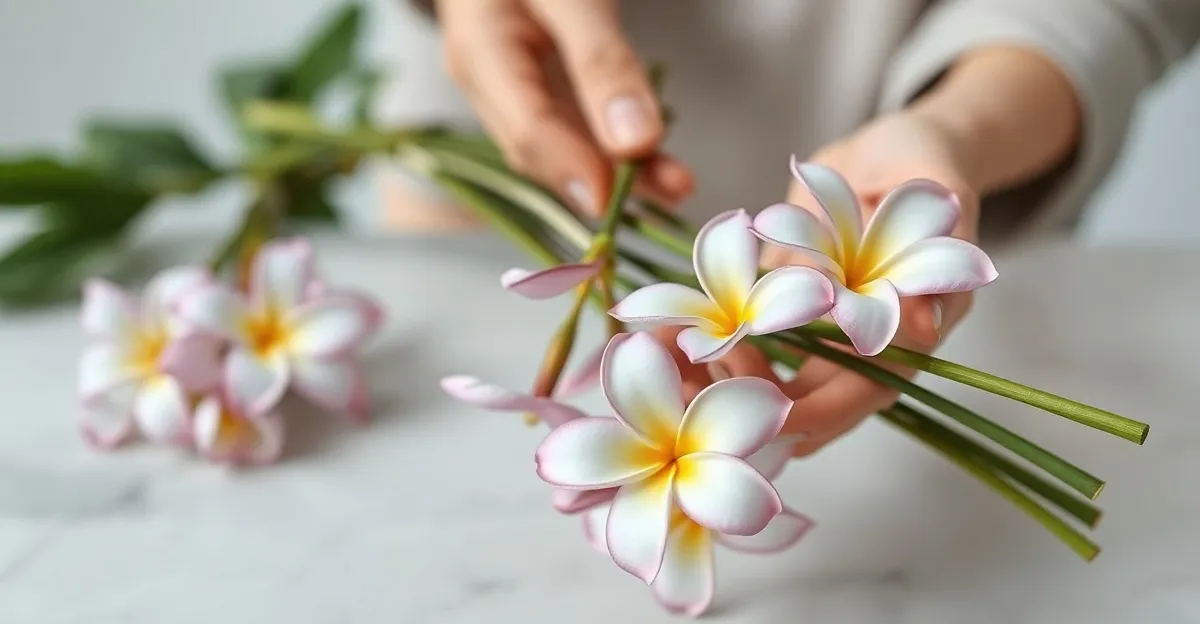
Frangipani — jepun in Balinese — is the flower most associated with this island. It lines temple paths in Ubud, floats in ceremonial bowls in Denpasar, and appears tucked behind ears of locals and visitors alike. When you find a particularly beautiful bloom, or want to preserve a memory from a ceremony, a wedding, or a meaningful moment in Bali, drying frangipani properly can capture that beauty for months or longer.
The catch: frangipani is a tropical flower with high water content and a delicate structure. Getting a dried frangipani that retains its shape, color, and some of its famous scent takes a bit more care than simply leaving it on a windowsill.
Why frangipani drying requires specific technique
Most tropical flowers are more water-dense than their temperate counterparts — this is how they survive the heat and intense sun of the island. Frangipani petals are thick and waxy compared to, say, a garden rose. That thickness is what gives them their sculptural beauty, but it also means they take longer to dry and are more prone to browning or collapsing if dried incorrectly.
Two risks in particular: if dried too slowly, frangipani petals retain enough moisture for mold to form, particularly in Bali's humidity. If dried too fast (such as in intense direct sun), the outer surface dries while the interior stays moist, causing the petal to buckle and lose its shape.
The goal is controlled, moderate drying — warm and dry but not scorching, and with some air circulation.
Method 1: Air drying (best for loose petals)
Air drying is the simplest method and works well for individual petals or small clusters rather than whole flowers with stems.
Pick frangipani in the morning, after any dew has dried but before the day's heat peaks. Choose flowers that are fully open but not yet showing any browning or bruising at the petal edges — those won't dry cleanly.
Lay petals in a single layer on a wire mesh rack or on clean cardboard with small holes poked in it for airflow. Place in a warm, dry spot with good ventilation — a room with a ceiling fan running, or a covered outdoor area that gets a breeze but not direct rain.
In Bali's humidity, even with good airflow, air drying takes two to three weeks. Check petals every few days and turn them gently. If any develop soft spots or a mold smell, remove them — they're too wet and will contaminate the rest.
Dried petals from this method make beautiful bowl fillers, additions to potpourri, and decorative elements in resin crafts or frames. They retain some fragrance for several months and sometimes longer if stored in a cool, dark spot.
Method 2: Silica gel drying (best for whole flowers)
Silica gel crystals — available from craft suppliers, toko bahan kimia (chemical supply shops) in Denpasar, or via Tokopedia — are the most effective way to dry whole frangipani flowers while preserving their three-dimensional shape.
Silica gel works by absorbing moisture rapidly from the flower as it surrounds it, creating a controlled drying environment that maintains petal shape.
Pour a layer of silica gel crystals into a sealed container or airtight tin. Place whole frangipani flowers face-up on the crystals. Gently pour more crystals over and around the flowers, covering them completely. Seal the container.
In Bali's climate, frangipani dried this way typically takes four to seven days. Some silica gel products contain indicator crystals that change color (usually pink to blue, or blue to pink depending on the type) when they've absorbed their capacity of moisture — this tells you when the flowers are done.
Remove carefully using a small brush to sweep away crystals from the petals. Handle the dried flowers gently — they're fragile.
Silica gel can be reused multiple times: spread it on a baking tray and heat in an oven at 120°C for one hour to drive off absorbed moisture. The indicator crystals return to their original color when ready to use again.
Method 3: Pressing (for flat keepsakes)
Pressing frangipani creates beautiful flat specimens ideal for framing, incorporating into handmade paper, or creating pressed flower art. Because frangipani petals are thicker than most flowers, pressing takes slightly longer and requires patience.
Place frangipani petals (not whole flowers with stems — the stem base is too thick to press evenly) between sheets of absorbent paper: coffee filter paper, watercolor paper, or tissue paper all work well. Place these between the pages of a heavy book, or between two flat boards weighted down with heavy objects.
In Bali, the humidity means this can take three to four weeks. Change the paper every three to four days for the first two weeks — as it absorbs moisture from the petals it becomes less effective. Use fresh dry paper each time.
For pressed frangipani keepsakes from Bali, see our guide on pressing tropical flowers: a beginner's guide for a full walkthrough of this process.

The team
your florists
weekly subscription · Bali
We write about flowers because we love them. We deliver them because someone should — properly, weekly, across Bali.
— heyflowerPay once for 3, 6, or 12 months, no auto-renewal.
Preserving the scent
Frangipani's scent is one of its most distinctive qualities — heady, sweet, and unmistakably Balinese. Unfortunately, most drying methods reduce the fragrance significantly because the aromatic compounds evaporate along with the moisture.
To preserve some scent in dried frangipani:
- Use silica gel rather than air drying — it's faster and traps more aromatic compounds
- Store dried flowers in a sealed container rather than an open bowl — this concentrates any remaining scent
- Add a few drops of frangipani essential oil (available in Ubud markets and most spa supply shops) to dried petals periodically to refresh the fragrance
- Keep dried frangipani away from direct sunlight and heat, which accelerates scent loss
Storing your dried frangipani
Store dried frangipani in a cool, dark location — a closed wooden box or a sealed glass jar in a cabinet rather than a decorative bowl on a sunny windowsill. In Bali's humidity, even dried flowers can reabsorb moisture and start to soften if stored in an open, humid environment.
Silica-dried whole flowers can be arranged in small frames (with a glass front to protect from humidity), shadow boxes, or under glass domes. These make genuinely beautiful keepsakes and are popular as souvenirs or gifts in some of the artisan shops in Ubud.
FAQ
Can I dry frangipani that has fallen from the tree naturally? Freshly fallen flowers can work if picked up immediately after they drop and showing no browning. Flowers that have been on the ground for hours will have started to break down and won't dry cleanly.
How long do dried frangipani petals retain their color? With silica drying and good storage (dark, dry, sealed), colors can last one to two years before fading noticeably. Air-dried petals fade faster, often within six months.
Can I use dried frangipani in candles or soap? Yes, though be aware the petals are fragile and will continue to brown slightly when embedded in hot wax. For candles, use petals as surface decoration rather than embedding them deep in the wax. For cold-process soap, pressed petals work better than whole dried flowers.
Is it possible to dry frangipani still on the stem? Frangipani branches are succulent and very water-dense. The stem will take weeks longer to dry than the flowers and may prevent the flowers from drying properly. It's generally better to separate flowers from stems for drying.
Do different frangipani colors dry differently? White frangipani tends to dry most reliably with good color retention. Yellow and pink varieties can fade to a softer tone. Deep red or bi-color varieties (less common in Bali) are more variable. Silica gel gives the best color retention for all varieties.
Bring fresh frangipani into your home regularly
Drying flowers is a way to preserve memories, but nothing replaces the beauty and scent of fresh blooms. Explore our weekly flower subscription and get handpicked tropical arrangements delivered to your door every week.



