How to compost flower waste in a Bali villa
Turn spent blooms into rich compost for your Bali villa garden. A practical guide to composting flower waste in the tropics, with tips for fast breakdown in Bali's heat.
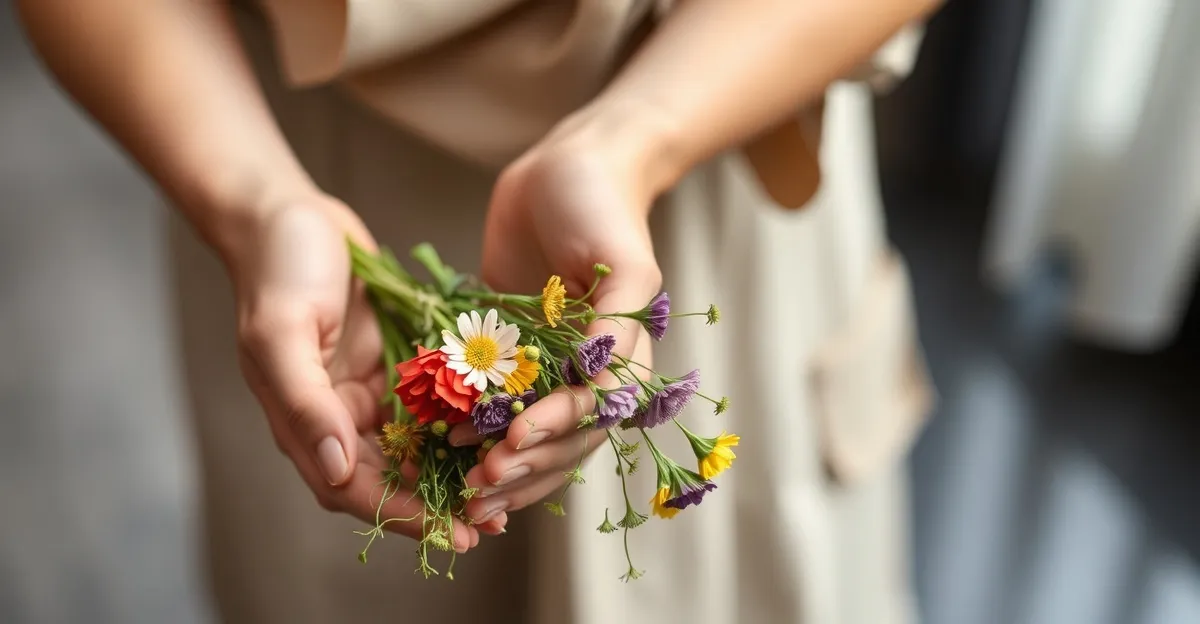
Living in Bali means you're surrounded by flowers — in your garden, on your offerings, in the arrangements you receive each week. That also means a steady stream of wilted petals, stems, and leaves making their way to the bin. Composting flower waste is one of the easiest wins for a more sustainable home, and Bali's tropical climate makes it unusually forgiving for beginners. The heat and humidity that shorten a vase life also speed up decomposition significantly.
This guide covers everything from setting up a simple compost corner to troubleshooting common issues specific to life in a Bali villa.
Why composting flower waste makes sense in Bali
Bali's soil, particularly in the southern areas around Canggu, Seminyak, and Ubud's valley floors, is volcanic and already reasonably fertile. But continuous planting, heavy rainfall during the wet season (November through March), and intense sun strip nutrients quickly. Compost made from organic flower waste returns nitrogen, potassium, and trace minerals to the soil.
In most countries, composting flower waste takes months. In Bali, a hot pile can break down spent blooms and soft stems in as little as three to four weeks. The key factors are the ambient temperature (30–35°C year-round), regular moisture from rain or manual watering, and the right mix of green and brown material.
There's also a cultural dimension. Balinese Hinduism views returning organic matter to the earth as a natural part of the cycle. Many local families maintain a small compost corner near their kitchen garden without thinking much about it — it's simply what you do.
Setting up your compost space
For a villa, a simple three-bin system or even a single enclosed bin works well. Open piles in Bali tend to attract stray cats and the occasional monitor lizard (biawak), so some kind of enclosure is worth the small investment.
Option 1: Bamboo enclosure. A local tukang (craftsman) can build a simple slatted bamboo bin for around IDR 200,000–400,000. Two or three compartments let you rotate batches while older material finishes breaking down. Bamboo breathes well, which aerobic composting needs.
Option 2: Plastic compost bin. Available at hardware stores in Denpasar's Teuku Umar area or at Ace Hardware in Kuta. These retain moisture well — sometimes too well in the wet season. Drill extra drainage holes in the base.
Option 3: Compost corner. If you have a back-of-garden spot with some shade, a simple heap between two walls works fine. Keep it away from outdoor seating — decomposing organic matter has a distinctive smell during active phases.
Aim for a pile at least 50cm wide and tall. Smaller piles don't generate enough internal heat to break down efficiently, even in Bali's climate.
What to add (and what to avoid)
Most flower waste from cut arrangements composts very easily:
Green material (nitrogen-rich):
- Fresh flower petals and heads
- Soft stems (roses, carnations, tropical flowers)
- Leaves stripped from stems
- Floral foam — but only the new biodegradable kind; traditional green floral foam is plastic-based and should not be composted
- Spent canang sari offerings (remove any plastic wrapping or small electric lights first)
Brown material (carbon-rich) to balance:
- Dried coconut husks (abundant in Bali)
- Shredded cardboard from flower packaging
- Dried banana leaves
- Rice straw
The general rule is two parts brown to one part green. Flower waste is mostly green, so you'll need to add brown material regularly to avoid a wet, smelly pile. Coconut husk works particularly well because it's coarse and creates air pockets.
Avoid:
- Flowers treated with ethylene-inhibiting chemicals or dyed flowers if you're uncertain about what was used
- Large woody stems (cut roses and tropical flower stems from thick-stemmed varieties) — chop these small or leave them out
- Any flower arrangements that include wire supports, non-biodegradable ribbon, or plastic picks
Managing compost in tropical conditions
Bali's climate does most of the work, but a few management habits keep things running smoothly.
Moisture: During the dry season (April through October), water your pile lightly every few days. During the wet season, cover the top loosely to prevent the pile becoming waterlogged. A saturated pile turns anaerobic, which means it starts to smell and breaks down far more slowly.
Turning: Turn the pile every one to two weeks with a garden fork. This aerates it and moves cooler outer material to the warm centre. In Bali's heat, you'll notice steam rising from a healthy pile when you turn it — a good sign that microbial activity is high.
Speed up with kitchen scraps: Coffee grounds (abundant if you have a villa espresso machine), vegetable offcuts, and fruit peels from your kitchen accelerate composting. Ask your housekeeper or gardener (tukang kebun) to keep a small collection container near the kitchen sink.
Pests: Rats and mice can be an issue near built-up areas like Seminyak or Kerobokan. Avoid adding anything cooked or oily. A bin with a solid base and snug-fitting lid prevents most issues.
Using your finished compost
After three to five weeks (wet season) or five to eight weeks (dry season), the bottom of your pile should contain dark, crumbly compost that smells of earth rather than decomposition. This is ready to use.
Mix it into your garden beds before planting, use it as a top dressing around established plants, or blend it with local soil to fill pots and planters around your villa. Tropical flowering plants — bougainvillea, plumeria, heliconia — respond especially well to compost-enriched soil.
If you receive flowers on a weekly subscription, you'll generate compost at a steady pace. A single vase-full of spent flowers adds roughly 200–400g of green material to your pile. Over a month, that's enough to maintain a continuously active pile with very little additional input.
Balinese marigolds (jempaka) are particularly good for compost — they break down fast and the rich orange pigment in the petals adds a burst of nutrients. If you're curious about which flowers grow well in Bali's climate generally, Can marigold grow in Bali? A florist's perspective covers the local growing conditions in detail.

The team
your florists
weekly subscription · Bali
We write about flowers because we love them. We deliver them because someone should — properly, weekly, across Bali.
— heyflowerPay once for 3, 6, or 12 months, no auto-renewal.
Composting canang sari offerings
One slightly unique aspect of flower waste in Bali is the canang sari — the small daily offerings placed at shrines, doorways, and on the ground around villa entrances. These contain flowers, palm leaf woven trays, rice, salt, and small amounts of food.
The organic components compost well. The challenge is the palm leaf tray (janur), which takes longer than petals to break down. Shred or fold them small before adding to your pile, or add them to a separate slower pile.
Remove any incense sticks (they're bamboo and ash — fine for compost in small amounts, but stick bases are slow). Also check for small plastic packaging sometimes tucked into commercial pre-made offerings — this needs to go to the rubbish collection.
Many villa owners in Ubud and Sanur who receive regular floral deliveries develop a nice rhythm: fresh flowers arrive Monday, spent flowers go to the compost the following Sunday, and canang sari flowers are composted daily. It keeps the villa looking fresh while returning everything organic to the garden.
For more ideas on keeping fresh blooms in your space regularly, flower arrangement ideas for your living room has practical styling tips that work in both villa and private home settings.
FAQ
Can I compost flowers that have been in water with flower food packets? Yes. The small sachet of flower food (typically containing a sugar, biocide, and acidifier) is diluted enough that it won't affect your compost negatively. The compounds break down quickly in an active pile.
How do I know when my compost is ready? It should look dark and crumbly, not identifiable as individual flowers or stems. It should smell earthy, not sour or rotten. The temperature of the pile (stick your hand in carefully) should be cool or slightly warm, not hot — hot means it's still actively breaking down.
My compost pile is attracting flies. What's wrong? Flies in Bali are a sign of exposed wet material. Bury fresh green additions under a layer of brown material (dried leaves, coconut husk). The flies are usually fruit flies or blow flies responding to exposed sugars in flower petals — covering the material eliminates the problem within a day or two.
Can I compost flowers from the offerings on Galungan day? Absolutely. Galungan and Kuningan generate a large volume of flower and leaf waste. This is exactly what your compost pile is designed for. The penjor bamboo structures are too large to compost easily, but the flowers, palm leaves, and woven offerings are ideal green and brown material.
Do I need special equipment to compost in an apartment or villa without a garden? A small worm bin (vermicomposting) works well in a limited space — even a balcony. Red wigglers eat flower waste efficiently and produce worm castings, one of the best natural fertilizers available. You can buy worm bins and starter worms from organic supply shops in Ubud and Denpasar.
Ready to bring fresh flowers to your Bali home or event? Explore our weekly flower subscription and get handpicked blooms delivered to your door every week.



