How to clean a flower vase properly
A dirty vase kills flowers faster than anything else. Here's how to properly clean glass, ceramic, and narrow-necked vases to protect your blooms in Bali.
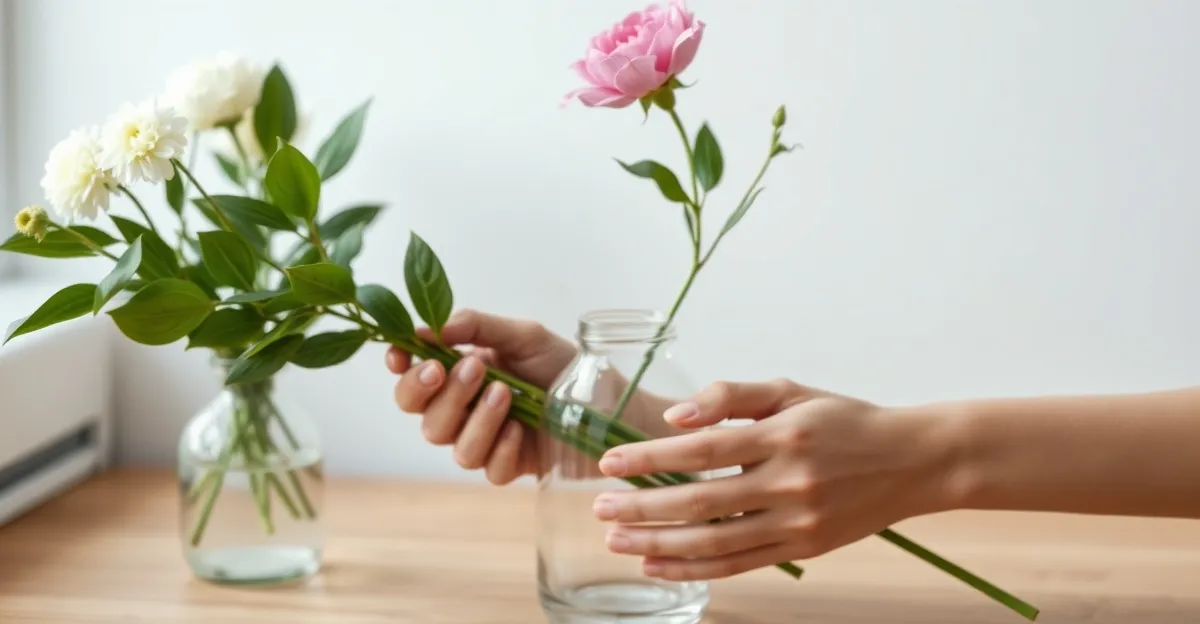
A clean vase seems like an obvious starting point. But it's one of the most commonly overlooked factors in flower care, especially for people who rinse and refill between arrangements without really cleaning the vessel itself.
After a bouquet finishes, what's left behind is more than just dirty water. You're dealing with bacterial biofilm on the walls, mineral deposits from the water, stem residue, and sometimes mold starting to form in the base. Put fresh flowers into that environment and you're cutting their lifespan in half before you've even started.
In Bali, where heat and humidity accelerate every biological process, a neglected vase can become genuinely unpleasant within a week. Here's how to clean any vase properly so your flowers have the best possible start.
Why vase cleaning matters so much
When cut flowers sit in water, bacteria multiply rapidly — particularly in Bali's warmth. Some of these bacteria form biofilm, a thin, sometimes slippery layer that adheres to the inside surfaces of the vase. You can often feel it if you run a wet finger along the inside wall.
Biofilm is resistant to a simple rinse. It doesn't wash away with water alone. Left in place, it means your "fresh" water for the next bouquet starts with a high bacterial baseline. Those bacteria travel up the stem through the water, blocking capillaries and cutting off hydration. The result is flowers that wilt in two or three days instead of the week or more they should last.
Mineral deposits — particularly relevant if you're using unfiltered tap water from some parts of Bali — build up over time as a white or grey scale on the interior. These aren't directly harmful to flowers, but they indicate the vase isn't truly clean and they make it harder to spot biofilm.
Standard cleaning for glass and ceramic vases
After each use, give vases a proper wash rather than just a rinse. The process:
Fill the vase with warm water and add a few drops of dish soap. Use a bottle brush or sponge on a stick to scrub the interior thoroughly, paying attention to the base and any indentations where residue collects. If the vase has a narrow neck that a brush can't reach, fill it with warm soapy water, cover the opening with your thumb, and shake vigorously.
Rinse several times until no soap smell remains. Soap residue can irritate cut stems, so this step matters.
Dry the vase completely before storing it. In Bali's humidity, a damp vase stored upside-down in a cupboard will grow mold within a few days. Stand vases upright in a well-ventilated spot, or dry them upside-down on a dish rack where air can circulate inside.
Deep cleaning for stubborn deposits and biofilm
If you notice sliminess that persists after a soap wash, or white mineral scale, the vase needs a deeper clean.
White vinegar method: Fill the vase with undiluted white vinegar (the same kind available from any Indomaret or supermarket across Bali). Let it sit for 30 minutes to an hour. The acidity dissolves mineral scale and kills most bacteria and biofilm. Swirl periodically, then scrub and rinse thoroughly.
Bleach method: Add one tablespoon of household bleach to a full vase of water. Let it soak for 20 minutes. This is the most effective biofilm killer and what professional florists use for periodic deep cleans. Rinse very thoroughly afterward — even a small bleach residue will harm your next bouquet.
Rice trick for narrow necks: For vases where you can't get a brush inside, add a tablespoon of uncooked rice with a small amount of dish soap and warm water. Cover the opening and shake. The rice acts as an abrasive and scrubs the interior surfaces you can't reach.
Caring for specific vase types
Terracotta and unglazed ceramic: These are porous and absorb water, which means they also absorb bacterial contamination more deeply than glass. After washing, a bleach soak is more important here than for glass. Let these vases dry for at least 24 hours before reuse — the porosity means they hold moisture longer.
Bamboo and rattan: Traditional Balinese homes often use bamboo vessels for flowers, and they require different care. Don't submerge bamboo in water for cleaning — the material will weaken. Wipe the interior with a cloth dampened with diluted vinegar, then dry thoroughly and quickly. Bamboo is best used with a plastic liner or waterproof insert rather than directly holding water.
Crystal and delicate glass: Skip the bleach. Use the vinegar method instead, and handle carefully. Avoid sudden temperature changes — filling a cold crystal vase with hot water can cause cracking.
How often to deep clean
For vases in regular use (changed weekly or more often), a soap wash after each bouquet is sufficient most of the time. Do a vinegar or bleach deep clean once a month.
For vases that haven't been used in a while, always do a full deep clean before putting fresh flowers in — storage doesn't sterilize the vase, it just gives any existing bacteria time to establish a more resilient colony.
If you're putting flowers out for a special occasion — a dinner party, a wedding at your villa, a ceremony — clean the vase the day before rather than hours before. This gives it time to dry completely and ensures there's no vinegar or bleach smell that might affect the flowers.
You can pair good vase hygiene with proper water change habits — our guide on when to change the water in your flower vase covers that in detail.

The team
your florists
weekly subscription · Bali
We write about flowers because we love them. We deliver them because someone should — properly, weekly, across Bali.
— heyflowerPay once for 3, 6, or 12 months, no auto-renewal.
Choosing vases that are easier to clean
If you're buying new vases and plan to keep fresh flowers regularly, glass with a wide opening is the easiest material to clean properly. Narrow-necked vases look beautiful but require more effort to clean thoroughly.
In Bali, local markets in Denpasar, the artisan shops in Ubud, and design stores in Seminyak carry a good range of simple glass vases. Thick-walled glass vases from the craft villages near Ubud are worth seeking out — they're locally made, affordable (often Rp 50,000–150,000), and easy to clean.
FAQ
Can I put vases in the dishwasher? Glass vases without decorative elements generally survive dishwashers. The high temperature does effectively sanitize the interior. However, Bali's water can leave water spots, and the dishwasher may not clean the inside of very narrow necks effectively.
How do I get rid of the green water stain that forms at the waterline? This is chlorophyll from stem residue combined with mineral deposits. White vinegar soaked for an hour removes it in most cases. For stubborn staining, a paste of baking soda and a little water scrubbed on with a sponge also works.
Should I dry vases upside down or right-side up? Right-side up in a ventilated spot is actually better — air circulates inside the vase. Upside-down on a rack works too, but placing a fresh vase face-down directly on a surface can trap moisture.
Is it okay to reuse the water from a previous bouquet? No. Reusing vase water carries over the entire bacterial population from the previous arrangement. Always start with fresh water.
How do I clean a vase with a very narrow opening? Combine the rice shake method with vinegar: add a tablespoon of dry rice, a splash of white vinegar, and a small amount of dish soap, then shake vigorously for two to three minutes. Follow with several rinses.
Fresh flowers deserve a clean home
The best way to make fresh flowers last is to give them the cleanest possible start. Explore our weekly flower subscription and get handpicked blooms delivered to your door every week — you'll have plenty of practice keeping those vases spotless.



