How to Care for Gardenia in Bali's Humid Climate
Gardenias are notoriously demanding, but Bali's tropical climate can actually work in your favour — if you know what to do. A florist's practical guide.
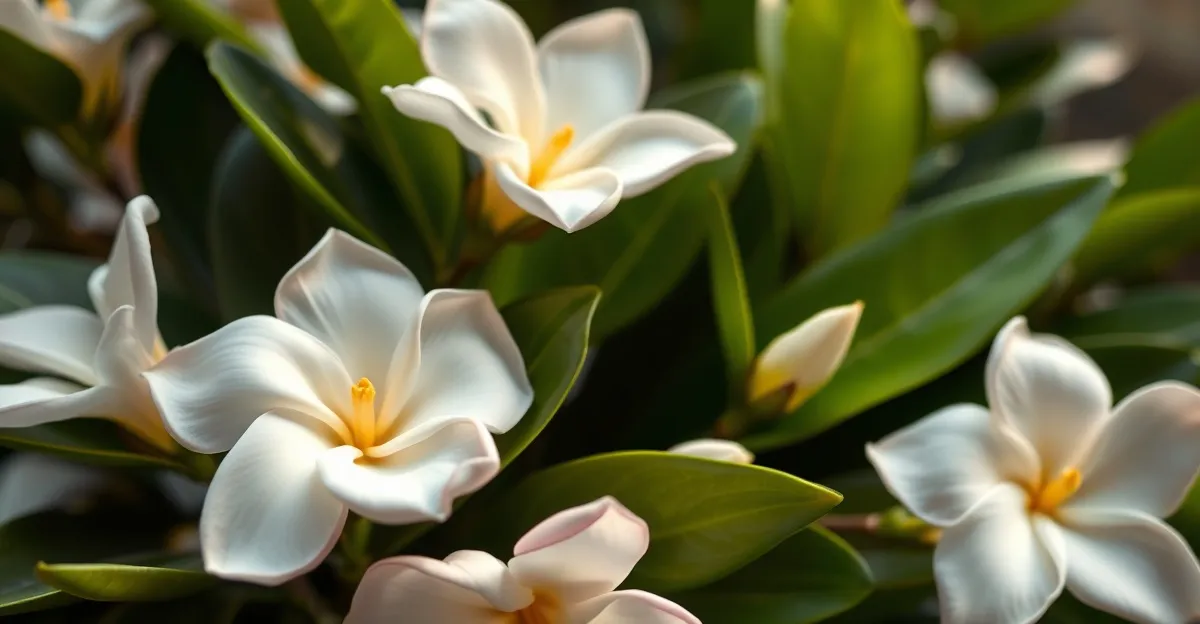
Gardenias have a reputation. Ask any gardener who has tried to grow them in a temperate climate and you will hear a mix of admiration and frustration: they are achingly beautiful, intensely fragrant, and capable of refusing to perform with almost theatrical stubbornness. Yellow leaves for no obvious reason. Buds dropping just before opening. Root rot from slightly imperfect drainage. The gardenia's demands are real.
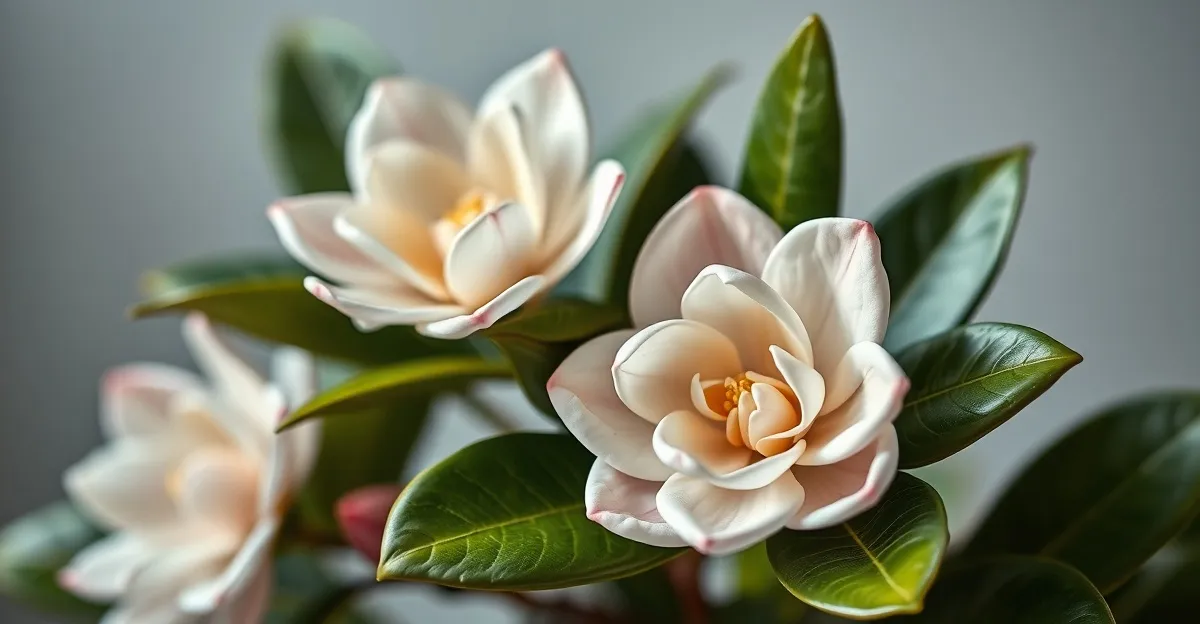
But here is the truth about growing gardenia in Bali: the tropical climate that makes many flowers more challenging to grow actually suits gardenia extremely well. Gardenias are native to tropical and subtropical Asia — to climates much more like Bali than like the temperate gardens where their reputation for difficulty was earned. In the right position with the right care, a Bali gardenia is a different proposition entirely from its temperate counterpart: more robust, more floriferous, and considerably less prone to the stress-induced sulking that makes temperate gardeners pull their hair out.
The key phrase is "the right position with the right care." Here is exactly what that means in Bali's specific conditions.
Understanding What Gardenia Needs in Bali's Climate
Gardenia's Native Environment
The most common ornamental gardenia (Gardenia jasminoides) originates in subtropical and tropical Asia — China, Japan, India, Vietnam, and throughout Southeast Asia. Its ancestral climate is warm, moderately humid, and characterised by distinct but not extreme seasonal variation. Bali's climate overlaps substantially with these origins, which is why gardenia grows and flowers here with considerably more ease than in temperate Europe or North America.
The caveat is Bali's wet season: the combination of very high humidity, persistent rain, and warmth during November–March creates conditions that push gardenia toward fungal disease and root rot if drainage and airflow are not properly managed.
The Three Non-Negotiables
Acid soil: Gardenias are acid-loving plants (they thrive with a soil pH of 5.0–6.5). Bali's volcanic soils are naturally somewhat acidic, which is good news — many locations will have suitable natural pH. However, if your gardenia is in a container with commercially mixed potting soil, check that the soil is acidic and supplement with sulfur or an acidifying fertiliser if needed. Yellowing leaves despite good overall care are often a sign of pH problems.
Good drainage: Root rot is the primary killer of gardenias in Bali's wet season. Gardenia roots need to access water and air alternately — constant wetness suffocates them. Ensure your container has excellent drainage holes, or for in-ground planting, choose a raised bed or sloping position.
Consistent moisture: Paradoxically, while gardenia cannot tolerate waterlogging, it also dislikes drying out between waterings. The ideal is consistently moist (not wet) soil. This is the balancing act that trips up many gardeners.
Choosing the Right Position
Light Requirements in Bali
Gardenia needs bright light to flower prolifically, but direct afternoon sun in Bali's coastal areas is very intense and can scorch the foliage. The ideal position is:
- Morning sun (direct, 3–4 hours) from an east or northeast-facing position
- Afternoon shade — filtered through other plants, eaves, or a shade cloth
This is quite different from full-sun recommendations in temperate climates, where the sun is less intense. In Canggu, Seminyak, or Kuta, the Bali afternoon sun on an exposed south or west-facing position is sufficient to stress even a healthy gardenia.
Airflow Matters
Good airflow around gardenia is essential in Bali's humidity — it reduces the moisture around foliage that encourages fungal disease and mealybugs. Position your plant where breezes can move through the leaves. Avoid tight corners and enclosed spaces.
Altitude and Temperature
Gardenia grows exceptionally well in Bali's upland areas — Ubud and particularly Bedugul/Munduk, where temperatures are a few degrees cooler and the air has a freshness that coastal Bali lacks. If you have a property in these areas, gardenia is an outstanding choice. At sea-level coastal locations, gardenia still performs well but benefits from the afternoon shade and airflow management described above.
Watering Strategy
The Consistent Moisture Principle
The goal with gardenia watering in Bali is to maintain consistent moisture in the root zone — never bone dry, never waterlogged. In practical terms:
Dry season (May–October): Water container gardenias every 1–2 days, checking soil moisture by pressing your finger 3 cm into the soil. Water when dry at that depth but not when still moist. For in-ground gardenias, water every 2–3 days or as needed.
Wet season (November–March): Natural rainfall typically provides sufficient moisture in many locations. Monitor rather than water on a fixed schedule. Move container gardenias under a covered area (deep eave or covered terrace) to allow control over root moisture. Wet-season overwatering is the most common gardenia mistake in Bali.
Water Quality
Gardenias are sensitive to fluoride and chlorine in water, which can cause tip burn on leaves. If you are in an area using municipal tap water with higher chemical treatment, using filtered water or allowing tap water to stand in an open container for 24 hours before watering helps reduce this issue. Collected rainwater is ideal.
Fertilising for Flowers
The Acidic Fertiliser Imperative
Regular fertilisation with an acid-formulated fertiliser is more important for gardenia in Bali than for almost any other garden plant. The soil's natural acidity, while good, can become depleted in a container over time as nutrients are used up. An iron chelate supplement (available at garden centres in Bali) alongside a balanced acidic fertiliser addresses both pH and nutrition simultaneously.
Timing and Frequency
- Apply an acidic liquid fertiliser (look for "for acid-loving plants" or "for camellia and gardenia") every 2–3 weeks during the growing season (March–October)
- Reduce to monthly during wet season peak
- Avoid fertilising a recently repotted plant for at least 6 weeks
Signs of fertiliser deficiency: yellowing leaves with green veins (classic iron chlorosis, indicating pH is too high) — treat with iron chelate. Pale, washed-out overall colour: general nitrogen deficiency — apply balanced acidic fertiliser.
Encouraging Flowers
A common frustration with gardenias is lush, healthy growth with very few or no flowers. This is usually one of three issues:
Insufficient light: Move to a brighter position with more direct morning sun. Gardenia needs at least 3–4 hours of direct light to flower reliably.
High nitrogen fertiliser: Too much nitrogen pushes vegetative growth at the expense of flowering. Switch to a low-nitrogen, higher phosphorus formula to encourage blooming.
Temperature inconsistency: Gardenias set buds in response to temperature cues. Bali's relatively consistent temperatures are generally fine, but placement near air conditioning outlets that create dramatic temperature swings can interrupt bud setting.

The team
your florists
weekly subscription · Bali
We write about flowers because we love them. We deliver them because someone should — properly, weekly, across Bali.
— heyflowerPay once for 3, 6, or 12 months, no auto-renewal.
Dealing with Common Problems
Yellow Leaves
The most common gardenia problem. Causes include:
- pH too high: Leaves yellow with green veins. Test soil pH and treat with sulfur or acidifying fertiliser.
- Overwatering: General yellowing, possibly with soft or brown roots. Improve drainage and reduce watering frequency.
- Underwatering: Leaves droop before yellowing. Increase watering frequency.
- Iron deficiency: New leaves yellow while old leaves stay green. Apply iron chelate.
Bud Drop
Buds forming but dropping before opening is usually caused by:
- Inconsistent watering (allowing soil to dry out between waterings)
- Air conditioning drafts
- Low humidity (paradoxically possible near AC units even in Bali)
- Ethylene from nearby ripening fruit
Sooty Mould
Black coating on leaves indicates a pest problem below — usually mealybugs or scale insects producing honeydew that feeds the mould. Treat the pest first (neem oil spray works well for both); once the pest is controlled the mould can be wiped off with a damp cloth.
Caring for Cut Gardenia Blooms
If you have received a gardenia arrangement from heyflower.co, or cut flowers from your own plant, here is how to maximise vase life in Bali's heat.
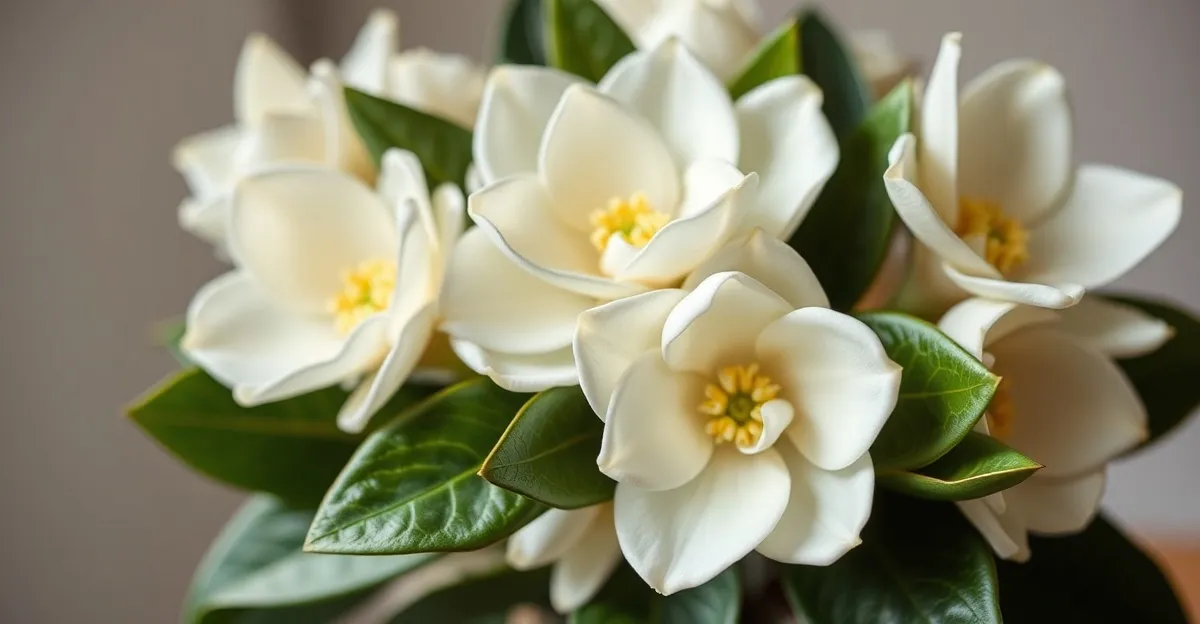
Handle gardenias minimally — the white petals bruise brown even from brief finger contact. Use gloves or handle by the stem only. Place in clean water immediately after cutting, with stems cut at a 45-degree angle. Remove all foliage below the waterline. Keep in a cool, bright spot away from direct sun, AC vents, and fruit bowls. Change water every two days and re-cut stems each time. Expect 3–5 days of peak beauty.
For more on another demanding but rewarding tropical bloom, how to care for jasmine in Bali's humid climate covers many parallel care considerations.
Frequently Asked Questions
Can I grow gardenia in a pot on a Bali terrace?
Yes, and it works very well with the right container setup. Use a pot with at least three drainage holes, a well-draining acidic mix, and position it in morning sun with afternoon shade. Elevate the pot on feet or a stand to improve drainage and airflow beneath. Water regularly and fertilise with an acid formulation every 2–3 weeks.
How big do gardenias grow in Bali?
In Bali's ideal climate, gardenias grow more vigorously than in temperate zones. An in-ground plant in a good position can reach 1.5–2 metres in height and width over several years. Container plants can be maintained at almost any size through pruning. There are also dwarf varieties — look for these at garden centres if you need a more compact plant.
Why do my gardenia flowers turn brown quickly?
Brown petals can result from several causes: too much direct sun on the blooms, physical contact (brown fingermarks), ethylene exposure, or natural aging. Gardenias have naturally white petals that bruise easily — this is a feature of the flower rather than a sign of poor health. Use clean, gentle tools when handling, keep away from fruit, and avoid strong afternoon sun on the blooms.
Do I need to prune my gardenia in Bali?
Light pruning after flowering encourages bushy growth and removes spent flower heads. In Bali's climate, gardenias can be pruned lightly at any time but do a more substantial structural prune in late October/early November at the start of the wet season. Never prune more than a third of the plant at once.
Is gardenia sold at Bali flower markets?
Yes, though it is less ubiquitous than jasmine or frangipani. The larger flower markets in Denpasar (Pasar Kumbasari) carry gardenia, particularly during peak growing periods. Specialist cut flower shops and florists including heyflower.co carry gardenia throughout the year.
Growing gardenia in Bali is genuinely rewarding once you understand the plant's specific requirements. Get the drainage right, give it morning sun, feed it with the right acidic formula, and it will reward you with extraordinary flowers and fragrance for years. If you would rather simply enjoy fresh gardenia regularly without the gardening, heyflower.co delivers beautiful arrangements directly to your door. Explore our flower subscriptions and make Bali's finest blooms a regular feature of your home.
More on Gardenia