How to Care for Frangipani in Bali's Humid Climate
Frangipani thrives in Bali — but even tropical plants need the right care. A practical guide for Canggu villa owners and expat gardeners.
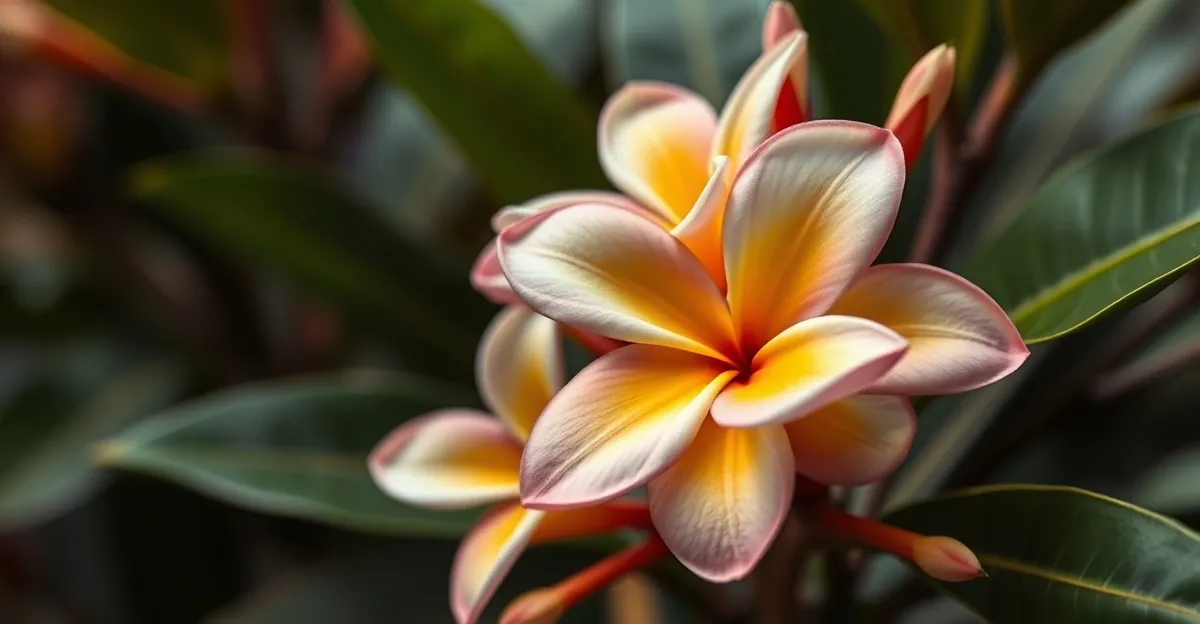
Frangipani in Bali looks effortless. The trees grow throughout villa gardens, along roadsides, in temple compounds, and on cliff edges above the sea. They produce flowers year-round with minimal intervention and seem to need nothing from anyone. This ease is largely real — frangipani is genuinely well-adapted to Bali's conditions. But "low maintenance" isn't the same as "no maintenance," and there are specific ways Bali's climate creates challenges even for this tough tropical tree.
Whether you're caring for an established frangipani in your villa garden, growing a potted specimen on a terrace, or trying to propagate new trees from cuttings, here's what actually matters in Bali's conditions.
Why Frangipani Loves Bali (Mostly)
Frangipani (Plumeria spp.) is a tropical Americas native that has been cultivated in Asia for centuries. Its preferences — warm temperatures, good drainage, long dry seasons followed by rain — are essentially a description of Bali's dry season. From May through September, Bali's reduced rainfall and lower humidity create near-ideal frangipani growing conditions.
The tree's deep root system allows it to access moisture well below the surface during dry periods. Its deciduous habit — dropping leaves during the dry season — is a water conservation strategy, not a sign of stress. Bare frangipani trees in July are healthy trees in dormancy, not dying ones. Flowers often appear on bare branches before the new season's leaves emerge, which produces the gorgeous leafless-tree-full-of-bloom effect that makes frangipani so visually distinctive.
The Challenge: Bali's Wet Season
From November through March, Bali receives its heaviest rainfall. The wet season brings not just more water but higher sustained humidity, less intense sunlight (due to cloud cover), and conditions that can challenge frangipani health.
Root Rot: The Primary Risk
Frangipani is highly susceptible to root rot (Phytophthora and similar pathogens) when roots sit in waterlogged soil for extended periods. In Bali's wet season, gardens without good drainage can become consistently saturated, and this is where even established frangipani trees show stress.
Signs of root rot:
- Yellowing leaves that fall prematurely
- Soft, darkened bark at the base of the trunk
- Wilting even when soil appears moist
- Musty odor near the root zone
Prevention:
- Plant frangipani in raised positions in the garden where water drains away naturally
- Amend the soil with coarse sand or gravel to improve drainage before planting
- For potted frangipani, use a pot with large drainage holes and a fast-draining medium (25% sand, 25% perlite, 50% standard potting mix)
- In gardens prone to flooding, plant on a slight mound 15–20 cm above the surrounding soil level
Frangipani Rust
Coleosporium plumeriae — frangipani rust — is a fungal disease that has spread to most tropical regions where frangipani grows, including Bali. It appears as bright yellow-orange powdery pustules on the undersides of leaves, with corresponding yellow spots on the upper surface.
Rust spreads via windborne spores and is more active during wet season's humid conditions. It rarely kills established trees but weakens them significantly and reduces flowering.
Treatment and management:
- Remove and destroy (don't compost) affected leaves
- Avoid overhead watering, which spreads spores
- Apply a copper-based fungicide spray during the early stages of infection
- Increase air circulation around the plant — dense planting that traps humidity worsens rust
For severe infestations, a systemic fungicide may be needed. Consult a local nursery in Tabanan or Bedugul for locally available products and advice on application rates.
Stem Rot in Young Cuttings
Propagating frangipani from cuttings is extremely common in Bali — it's how most villa gardens acquire new trees. The cutting process is simple, but stem rot in young cuttings during the wet season is a common failure point.
Cut from a healthy branch at a 45-degree angle with clean, sharp tools. Allow the cutting to dry and callous in a shaded spot for five to seven days before planting — this is essential. Fresh cut frangipani releases a milky latex sap; this needs to dry completely before the cutting can properly root without rotting.
During the wet season, callous cuttings indoors (under a covered terrace or inside) rather than outdoors where rain will keep the cut end moist.
Year-Round Care in Bali
Sunlight
Frangipani needs full sun — at least six hours of direct sunlight daily. In Bali, this is usually achievable except in heavily shaded garden areas. If your frangipani is producing fewer flowers than expected, inadequate sun is often the cause. Trees growing in partial shade flower less abundantly than those in open positions.
Watering
During the dry season, water established trees once or twice per week. They can handle less in mature specimens with deep roots. During the wet season, reduce or eliminate supplemental watering — natural rainfall is usually more than adequate.
For young trees (under two years) in pots, water when the soil is dry to 3–4 cm depth. In the wet season, ensure the pot drains completely after rain — standing water in saucers is enough to initiate root rot.
Fertilising
Frangipani is not a heavy feeder but responds well to fertiliser during the growing season. In Bali, the growing season is essentially year-round, with a slow period during dry season dormancy.
A balanced fertiliser (equal NPK ratios) applied monthly during the wet season's active growth phase encourages strong stems and abundant flowering. Too much nitrogen produces lush leafy growth at the expense of flowers. Phosphorus-heavy fertilisers (look for formulas like 10-30-10 or flowering boosters) promote flowering specifically.
Organic options work well: well-rotted compost worked into the soil around the drip line, or a diluted seaweed-based liquid fertiliser.
Pruning
Frangipani naturally branches at every flowering point — the branches fork where each bloom cluster was produced. Over years, this creates the distinctive candelabra shape. Pruning is rarely necessary for health purposes, though you can shape the tree for aesthetic reasons.
Pruning is best done at the start of the wet season, when growth is about to accelerate. Always use clean, sharp tools and seal major cuts with horticultural paint or even common household paint to prevent infection in the wet season.

The team
your florists
weekly subscription · Bali
We write about flowers because we love them. We deliver them because someone should — properly, weekly, across Bali.
— heyflowerPay once for 3, 6, or 12 months, no auto-renewal.
Growing Frangipani in Pots on Bali Terraces
Many Canggu villas and apartment terraces grow frangipani in large pots — it's a flexible option that allows the tree to be moved, arranged, and replaced. A few things matter specifically for pot culture in tropical conditions:
- Pot size: Frangipani roots expand significantly. A pot that's too small will be outgrown within a season in Bali's warmth. Start with a minimum 40-litre pot for a cutting and upgrade as roots become visible at drainage holes.
- Drainage: A pot on a terrace in the wet season can receive enormous volumes of rain. Large drainage holes are essential. Elevating pots slightly on feet allows water to drain fully.
- Weight: Mature potted frangipani in a large terracotta pot can be very heavy. Consider this if you need to move it.
For ideas on creating beautiful terrace arrangements using tropical flowers, our guide on flower arrangement ideas for your bedroom covers complementary styling principles.
Frequently Asked Questions
Why is my frangipani not flowering in Bali?
The most common reasons are insufficient sunlight, overwatering, or too much nitrogen fertiliser. Check that the tree gets at least six hours of direct sun. If it's growing lushly with many leaves but no flowers, pull back on nitrogen and try a phosphorus-rich flowering booster.
When does frangipani flower in Bali?
Unlike temperate-climate frangipani that flowers in a defined summer season, Bali's year-round warmth allows frangipani to flower almost continuously. Peak flowering is typically toward the end of the dry season (August-October) when the tree has had months of sun and is entering its most active phase.
How quickly does frangipani grow in Bali?
Fast, compared to temperate climates. A cutting planted in Bali's warm, humid conditions can grow 30–60 cm in its first year. An established tree can add 50+ cm per year in optimal conditions. The tropical warmth and soil richness of Bali accelerate frangipani growth considerably compared to, say, subtropical Australia.
Can I keep frangipani alive indoors in Bali?
Not easily. Frangipani needs direct sunlight that interior spaces rarely provide. A covered terrace with very bright indirect light might work for a small specimen, but for health and flowering, outdoor placement with direct sun is necessary.
How do I get the best scent from my frangipani?
Frangipani's fragrance is strongest in the morning and evening, when temperatures are cooler and the flower is less stressed. Well-watered, well-fertilised trees in full sun produce the most fragrant blooms. Flowers picked in the early morning and floated in water will maintain their scent indoors for a day.
At heyflower.co, we love frangipani for its irreplaceable Bali spirit. We incorporate it in arrangements and can help you source fresh blooms for your villa or event. Browse our collections and subscription options at heyflower.co, delivering to Canggu, Berawa, Pererenan, Seminyak, and Kerobokan.
More on Frangipani