When Not to Gift Frangipani: Cultural Considerations
Frangipani is beloved in Bali but carries cemetery associations in several Asian cultures. Know when and to whom this iconic flower may not be the right choice.
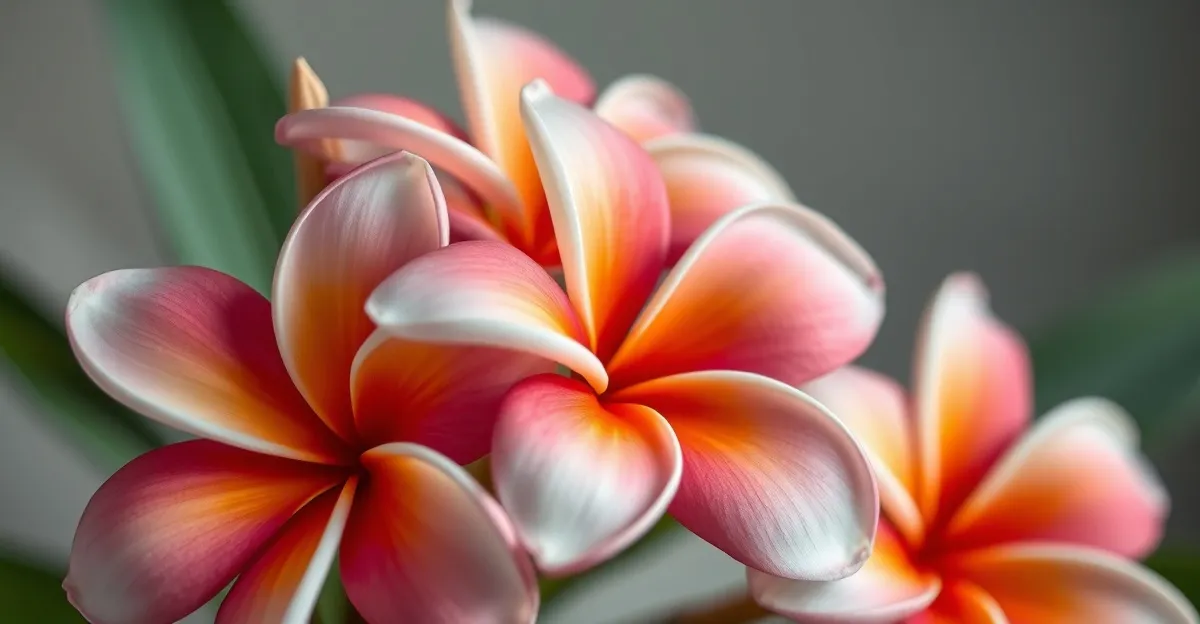
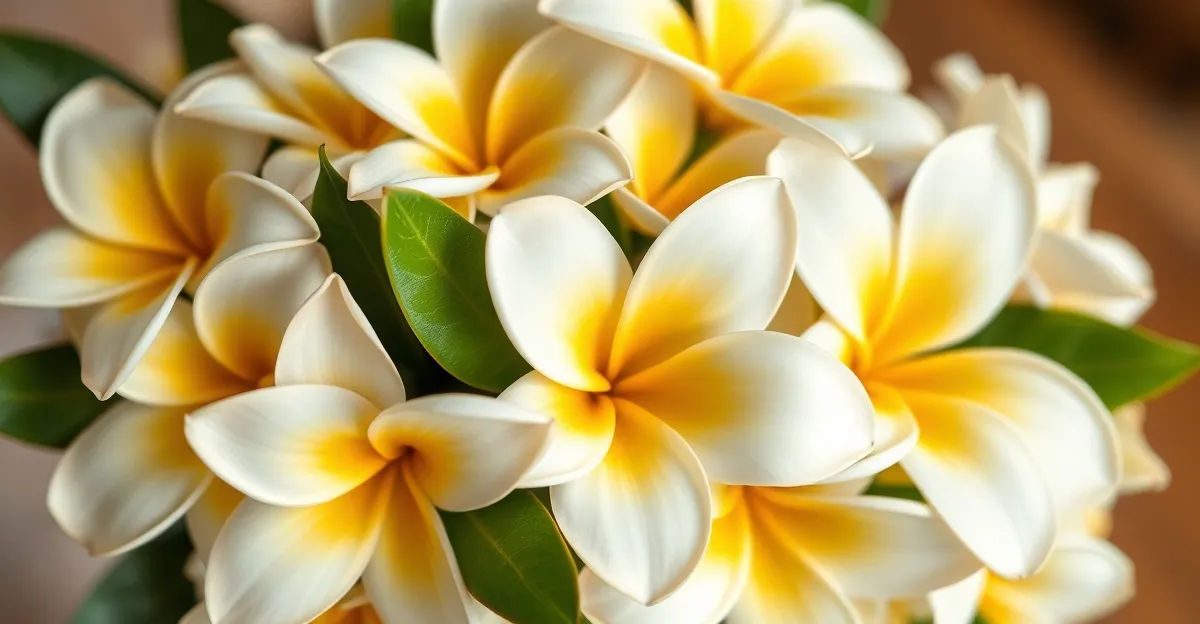
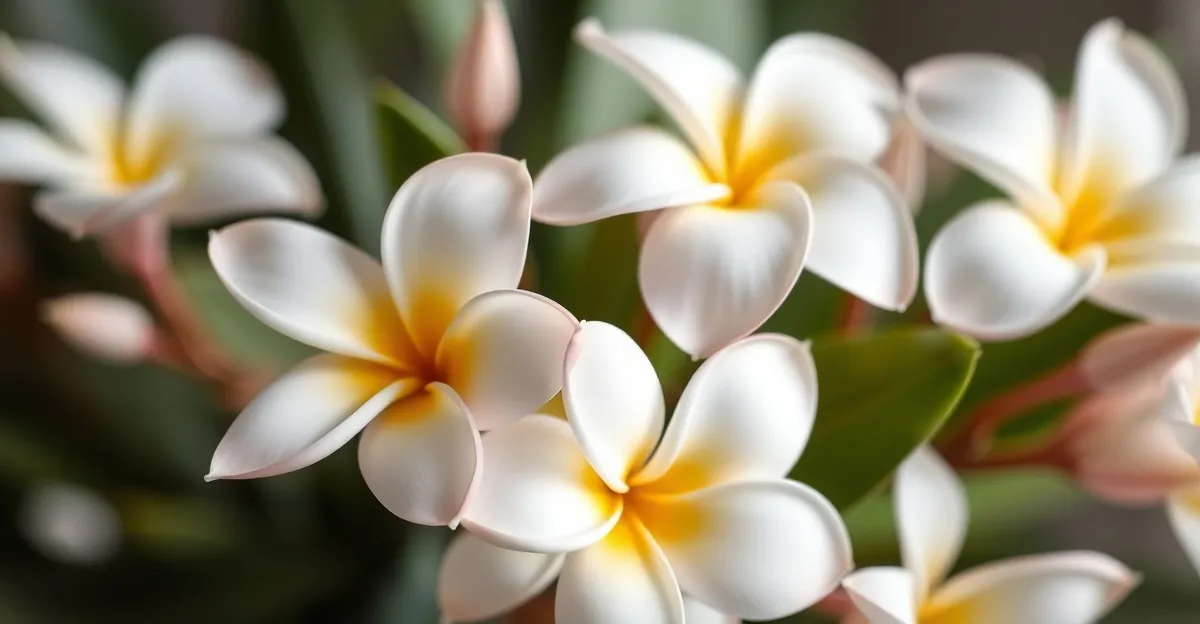
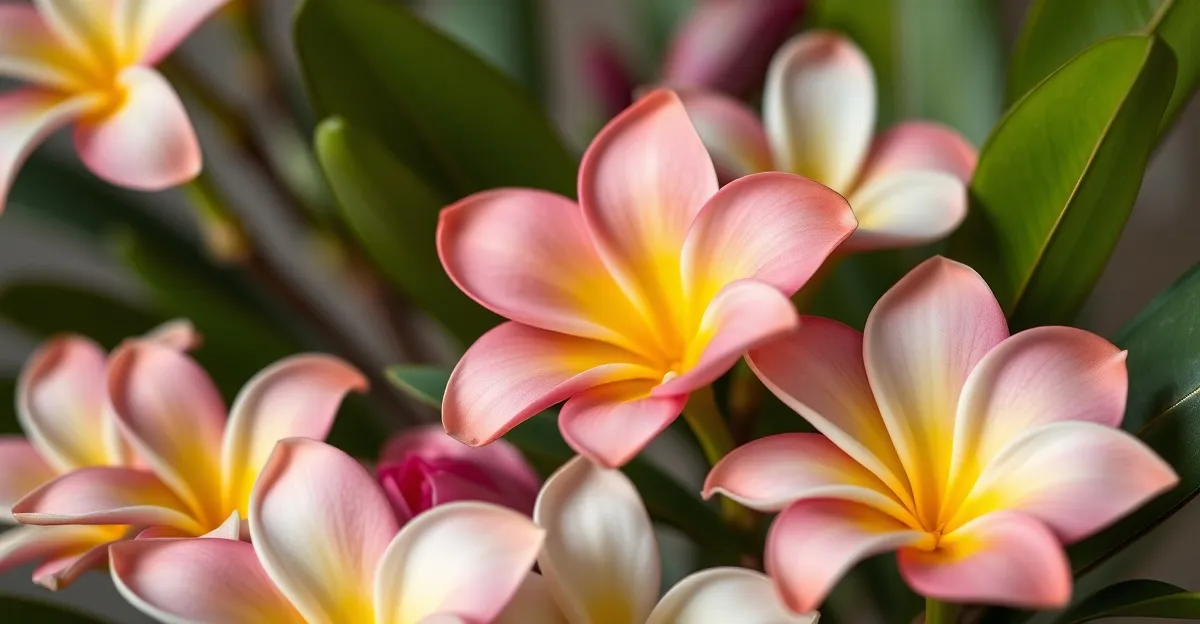
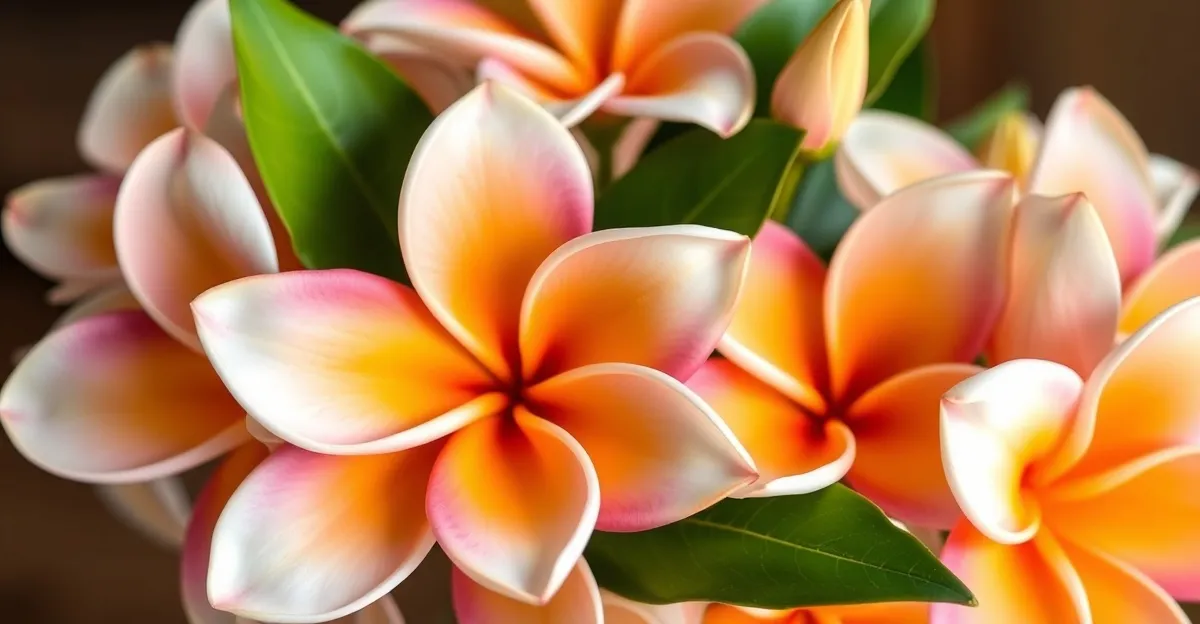
Frangipani is probably the most emotionally loaded flower in Bali for gifting purposes. No other flower simultaneously represents sacred ceremony, daily devotion, luxury spa culture, and — in certain cultural traditions — death and burial. Getting this flower right means understanding who you're giving to and what associations they carry.
Most of the time, frangipani is a beautiful, warm, and deeply appropriate gift in Bali. But the exceptions matter. This guide exists so that your frangipani gift lands the way you intend it to, rather than creating an awkward moment that neither party wants to acknowledge.
The Cemetery Association: Where It Comes From
Frangipani trees are planted extensively in cemeteries, cremation grounds, and places of the dead across much of Asia and tropical Southeast Asia. This is the root of the cultural sensitivity.
The botanical logic for planting frangipani in these spaces is practical: the trees require minimal maintenance, bloom reliably for years without care, and provide continuous fresh flowers for offerings to the deceased. In Bali's ngaben (cremation) grounds, frangipani is planted specifically for this continuous offering supply.
But here's the important distinction: in Balinese Hindu culture, the presence of frangipani in cremation grounds doesn't make it a "death flower" in a negative sense. Frangipani is associated with spiritual passage, devotion to the deceased, and the sacred quality of those spaces — not with death as something to be feared or avoided. The Balinese relationship with death is fundamentally different from the Western or Chinese relationship.
In Chinese tradition, however, that same cemetery association translates very differently.
Chinese Indonesian Cultural Context: High Sensitivity
Bali has a significant Chinese Indonesian population — families who have been on the island for generations, with deep roots in both Balinese and Chinese cultural traditions. For many Chinese Indonesian recipients, frangipani (kamboja — importantly, the Indonesian word for the flower is also the word for Cambodia, with its own associations, but more relevantly comes from a tradition of planting these trees at kamboja/Khmer temple gravesites) carries strong cemetery and death associations.
Giving frangipani to a Chinese Indonesian person for a celebration — a birthday, a housewarming, a business opening, a wedding — can create genuine discomfort. You're handing them what their cultural intuition registers as a funeral flower.
This doesn't mean all Chinese Indonesians in Bali feel this way. Many have been here long enough that Balinese cultural meanings have absorbed or modified Chinese ones. Some will receive frangipani entirely positively. Others will be privately uncomfortable without saying so. And some will be openly concerned.
When in doubt with Chinese Indonesian recipients: Choose orchids, roses, or tropical mixed arrangements instead. The gift will be received more cleanly. If you specifically want to give frangipani to a Chinese Indonesian friend you know well, you can absolutely do so — just don't assume the same reception you'd receive from a Balinese Hindu recipient.
Muslim Recipients from Other Indonesian Islands
Bali's population includes significant communities from Java, Lombok, and other Indonesian islands — many of them Muslim. Islamic tradition generally has fewer specific associations with particular flowers, and frangipani doesn't carry inherent negative associations in Islamic contexts.
However, some Muslim communities from Java or Lombok may have absorbed the broader Indonesian cultural sense of frangipani as associated with old graves and cemeteries (a perception shared across several Indonesian ethnic groups, not just Chinese Indonesians). Sensitivity varies by family and regional background.
For Muslim recipients you don't know well, a mixed tropical arrangement or orchid-based gift is a safer choice than frangipani alone, simply because it reduces any potential ambiguity.
Western Recipients: Generally No Issue
For Western recipients — expats and tourists in Bali from Europe, Australia, North America, or similar backgrounds — frangipani carries none of these cultural associations. They associate it with luxury, tropical beauty, and Bali's spa and resort culture. A frangipani gift for a Western recipient is almost always received positively and warmly.
The only exception is if the Western recipient has specifically learned about or internalized Asian cultural associations — some long-term Bali residents absorb local cultural knowledge and may navigate flower symbolism thoughtfully. But the default for Western recipients is: frangipani is delightful, give it freely.
Occasions in Any Culture Where Frangipani May Not Be the Right Flower
Beyond cultural background, there are certain occasions where frangipani's practical limitations make it a less than ideal choice regardless of recipient:
Corporate and formal professional gifts: Frangipani has an informal, sensory quality that can feel too casual for a business gift between people who don't know each other well. A more structured orchid or rose arrangement reads more professionally.
Gifts meant to last: Frangipani cut blooms last one to two days. For a gift where the lasting quality is part of the meaning — an anniversary that someone will remember for a week, a housewarming plant for a long-term home — choose something more durable.
Large, formal Western-style weddings: At a formal five-star resort wedding that's more European than Balinese in character, frangipani may feel tonally informal compared to roses, orchids, or lilies. Context shapes whether the flower feels right.
How to Navigate Uncertainty
If you're unsure about a specific recipient's cultural background or relationship with frangipani, the simplest approach is to pair frangipani with other flowers rather than giving it alone. An arrangement that prominently features orchids or tropical blooms, with frangipani as an accent, is less likely to read as a "frangipani gift" and more likely to be received as a beautiful tropical arrangement.
You can also simply ask — especially if you have the kind of relationship with the recipient where a genuine conversation is natural. Most people are happy to share what they prefer in flowers when asked with authentic curiosity. "I was thinking of including frangipani — does that work for you?" is a question that demonstrates care rather than ignorance.
For more context on navigating flower gifting in Bali's multicultural landscape, our guide to frangipani meaning and symbolism provides the full picture of what this flower means across traditions.

The team
your florists
weekly subscription · Bali
We write about flowers because we love them. We deliver them because someone should — properly, weekly, across Bali.
— heyflowerPay once for 3, 6, or 12 months, no auto-renewal.
Occasions When Frangipani Is Absolutely Appropriate
To balance this guide appropriately: the vast majority of gifting occasions in Bali call for frangipani and it will be warmly received. Among Balinese Hindu recipients, there's almost no wrong occasion for it. For wellness events, spa experiences, welcome gifts, farewell gifts, and table decorations for tropical villa dinners, frangipani is perfect across all cultural groups.
The nuances described in this guide exist at the edges of gifting practice — they're worth knowing so you can navigate them, not so you can be intimidated out of ever giving frangipani. Give it freely and joyfully — just give it with the right person and moment in mind.
For more gifting ideas that celebrate Bali's floral culture, our romantic flower delivery for dinners in Berawa guide has occasion-specific ideas.
Frequently Asked Questions
Is it ever appropriate to give frangipani to a Chinese Indonesian family?
Yes, in the right contexts. For sympathy and funeral-adjacent occasions, actually, frangipani may be appropriate — the cemetery associations align. For celebrations, use your judgment based on how well you know the family and their specific cultural relationship with the flower. When uncertain, opt for orchids.
Can I include frangipani in a Chinese New Year arrangement?
It's better not to. For Chinese New Year in Bali, opt for flowers with explicitly positive associations: yellow orchids, orange blooms, red roses, or mixed tropical arrangements with warm, celebratory colors. Our guide to the best flowers for Chinese New Year in Bali has specific recommendations.
What should I give a Balinese Hindu friend for their birthday if not frangipani?
Frangipani is fine for Balinese Hindu recipients on birthdays — there's no cultural issue. If you want something that lasts longer than frangipani's one-to-two-day window, add orchids or tropical blooms to the arrangement. But don't avoid frangipani for Balinese recipients out of general concern — the cultural sensitivity is specific to Chinese Indonesian contexts.
Do Japanese tourists in Bali have cultural associations with frangipani?
Generally no — frangipani doesn't carry specific cultural weight in Japanese tradition. Japanese recipients typically receive it as a beautiful tropical flower without the cemetery associations found in some other Asian traditions.
How do I give frangipani respectfully during Nyepi?
Nyepi (Day of Silence) involves a complete halt to activity on the island. No deliveries, no movement, no noise. Don't plan flower gifts for Nyepi itself — the days before and after are fine, but the day itself is observed island-wide. Plan your gifting timing to work around Nyepi each year.
Giving flowers well means understanding both the flower and the person receiving it. At heyflower.co, we help you navigate Bali's rich cultural landscape so your gift always lands right. Explore our collections at heyflower.co, serving Canggu, Berawa, Pererenan, Seminyak, and Kerobokan with Monday deliveries.
More on Frangipani