Gardenia Vase Life in the Tropics: How Long Do They Last?
How long does a gardenia actually last in Bali's heat? Our florists share honest answers, care steps, and tips to maximise every gardenia arrangement.
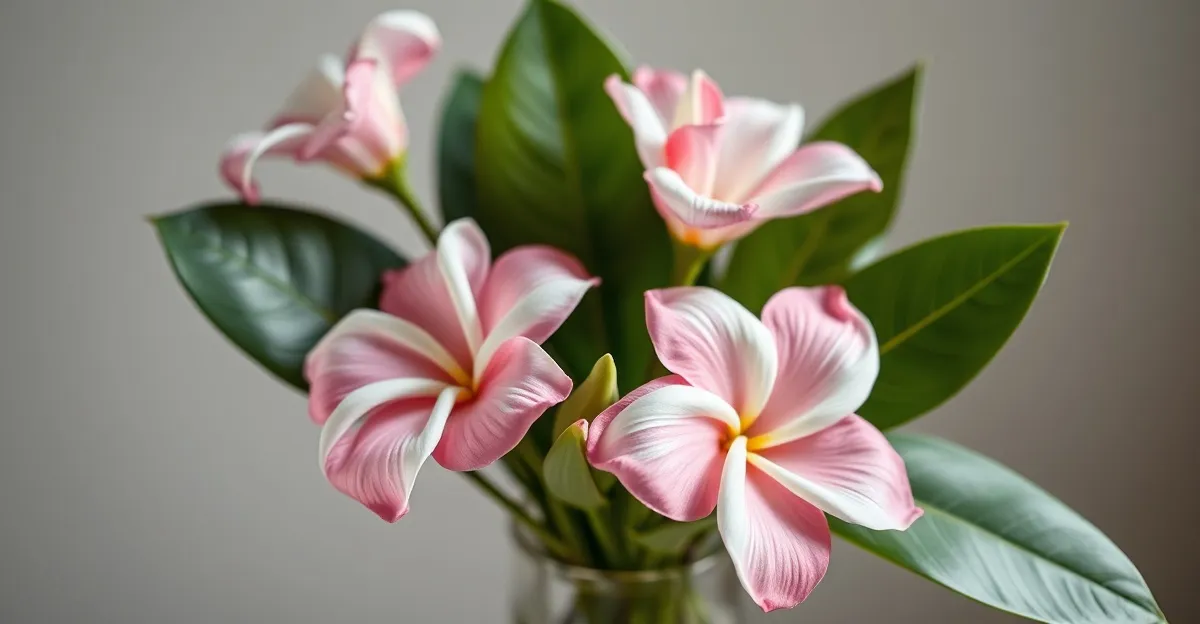
Gardenia has a reputation for being demanding in the vase — and in Bali's tropical climate, that reputation requires some honest examination. The combination of intense heat, high humidity, and the gardenia's natural petal sensitivity creates conditions that work against long vase life. But with the right approach, you can significantly extend how long your gardenia arrangement remains beautiful, and ensure you enjoy the extraordinary fragrance throughout.
This guide gives you the honest picture: realistic vase life expectations for Bali, the science of why gardenia is challenging in the tropics, and practical step-by-step care that actually makes a difference.
Realistic Vase Life Expectations in Bali
Let's start with the honest numbers before the encouraging care tips.
Gardenia jasminoides in optimal Bali care conditions: 3–5 days of peak beauty. The fragrance is strongest in the first 2–3 days. Petals will begin to show slight creamy-yellow toning after day 3, which some consider beautiful (the colour change is natural and gradual). Petals will show brown bruising or edge browning at day 4–5 in most conditions.
Without good care in Bali's heat: 1–2 days before visible degradation, particularly if placed in direct sun, near a ceiling fan, or in a room above 30°C without air conditioning.
With excellent care and a cool environment: Up to 6–7 days before the arrangement looks genuinely spent, though fragrance peaks much earlier.
For context: in cooler climates (15–20°C), gardenia can last 7–10 days with basic care. Bali's heat compresses this window significantly, which is why the care steps below matter so much.
Why Gardenia Is Particularly Challenging in the Tropics
Heat Accelerates Cellular Breakdown
Cut flowers lose water through their petals (transpiration) and take up water through their stems. In heat, both processes accelerate dramatically. If the stem cannot take up water as fast as the petals are losing it, the flower wilts, then browns. In Bali's ambient temperature of 28–33°C, this imbalance develops faster than in temperate climates.
Bacterial Growth in Vase Water
Bacteria multiply much faster in warm water than in cool. In a warm Bali room, vase water can become significantly bacterially contaminated within 24 hours — and the bacterial toxins produced block the stem's water-conducting vessels, effectively cutting off the flower's water supply from below. This is why water changes are so critical in the tropics.
Gardenia Petal Sensitivity
Gardenia petals have unusually high levels of a compound called linalool, which contributes to their extraordinary fragrance but also means the petals are sensitive to oxidation — particularly when combined with heat stress. Oxidation turns the white petals brown, and heat accelerates this dramatically. A gardenia that might develop a graceful, gradual creaminess over several days in a temperate climate can brown unevenly and rapidly in Bali's heat.
Ethylene Sensitivity
Gardenia is particularly sensitive to ethylene gas, a natural plant hormone produced by ripening fruit, other aging flowers, and exhaust fumes. Ethylene accelerates petal drop, browning, and overall aging. In a typical Bali home or villa with plentiful fresh tropical fruit, ethylene exposure is a real factor in shortened gardenia vase life.
Step-by-Step Care for Maximum Vase Life in Bali
On Receiving Your Gardenia
-
Handle only by the stems — never touch the petals with bare hands. The natural oils on human skin cause rapid brown bruising on gardenia petals. Use gloves if you need to handle the flowers during arrangement.
-
Recut stems immediately, cutting at a 45-degree angle to maximise water uptake surface. Use sharp, clean secateurs or scissors — a crushing cut (from blunt tools) restricts water movement.
-
Use a clean vase with fresh, room-temperature water. Residual bacteria from previous use will immediately compromise your new flowers.
-
Remove all foliage below the waterline — submerged leaves decompose rapidly and dramatically accelerate bacterial growth in the water.
-
Add a floral preservative sachet if provided. If not available, a home substitute works: half a teaspoon of sugar, a few drops of bleach, and a teaspoon of apple cider vinegar per litre of water. The sugar feeds the flower, the bleach and vinegar slow bacterial growth.
Choosing the Right Location
Temperature: The single most impactful variable is ambient temperature. A room at 22–24°C (comfortably air-conditioned) versus a room at 30–32°C without AC can mean the difference between 5 days and 2 days of vase life. If you have air conditioning, use it — not ice cold, but cool.
Light: Bright indirect light is ideal. Direct sun — particularly Bali's intense afternoon sun through a window — is one of the fastest ways to destroy a gardenia arrangement. The UV intensity and the direct heat both accelerate browning dramatically.
Airflow: Avoid ceiling fans running directly over the arrangement (too much desiccation) and sealed, still air (encourages mould and bacteria). Gentle natural airflow or a fan pointing away from the arrangement is ideal.
Away from fruit: Keep gardenias — and indeed all cut flowers — well away from the fruit bowl. The bowl of tropical fruit typical in a Bali home or villa is a significant ethylene source. A separate room from the kitchen fruit display is ideal.
Ongoing Care
Water changes: Change the vase water every day in Bali's heat, or at maximum every second day. Each time, recut the stems by 1–2 cm. This single habit — daily fresh water with a stem re-cut — can add 2–3 full days to your gardenia's vase life.
Watch for bruising: If you notice brown finger marks appearing on petals, increase your vigilance about handling. If the vase is in a position where people reach past it (a dining table, a walkway), consider moving it to a less trafficked spot.
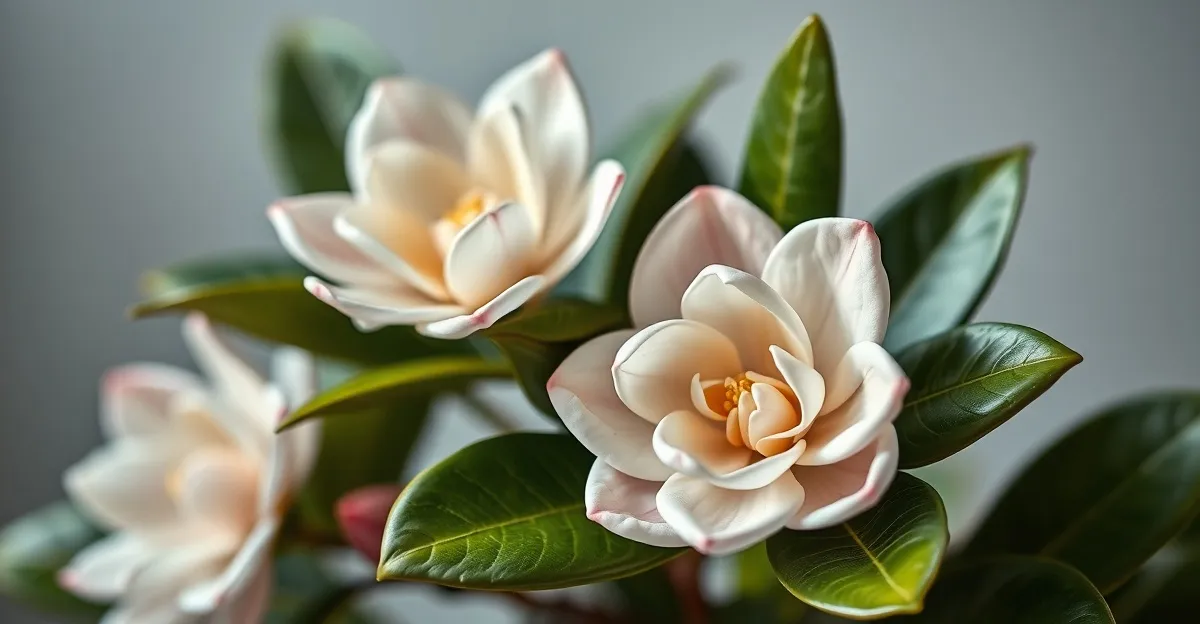
Natural colour change: Gardenia petals naturally transition from white to cream to ivory over their lifespan. This is not deterioration — it is the flower aging gracefully. The change is most visible when comparing fresh blooms with 3–4 day old blooms. Many people find the ivory-cream toning of mature gardenia petals extremely beautiful rather than disappointing.
The Stages of a Gardenia Arrangement
Understanding how a gardenia arrangement evolves helps you enjoy each stage rather than feeling disappointed when the first stage passes.
Days 1–2: Peak Beauty
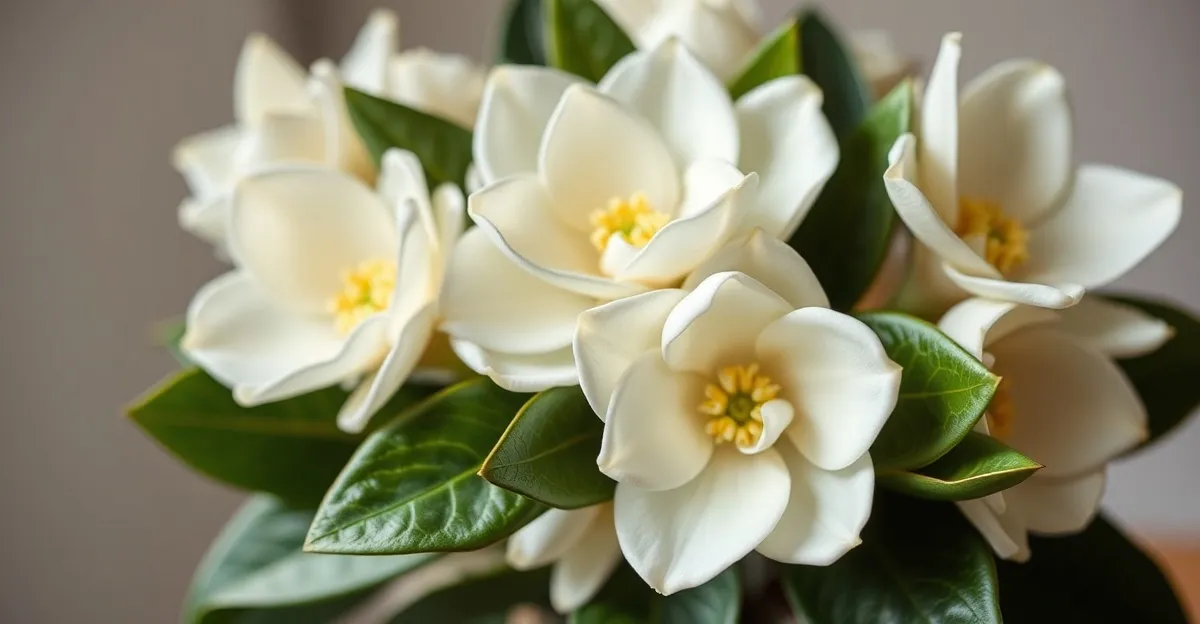
The arrangement is at its most visually striking: petals are brightest white, fully opened, and at their most geometric. Fragrance is at maximum intensity. This is the window to position the arrangement where you will appreciate it most — at the dining table for a special dinner, at the bedside for the first few mornings.
Days 3–4: The Transition
Petals begin their gradual shift toward cream. Some outer petals may show slight browning at edges. Fragrance has reduced from peak but is still noticeable and pleasant — particularly in the morning or evening when temperatures shift. Remove any individual petals that have browned significantly, but leave flowers that are still largely intact.
Days 5–7: Graceful Aging
Petals are now clearly cream or ivory — still beautiful in a different way. Fragrance is gentle rather than pervasive. This is when many people choose to add fresh supporting flowers (roses, orchids) to the arrangement to extend its useful life, while the gardenia quietly ages in the centre.

The team
your florists
weekly subscription · Bali
We write about flowers because we love them. We deliver them because someone should — properly, weekly, across Bali.
— heyflowerPay once for 3, 6, or 12 months, no auto-renewal.
Creative Ways to Extend the Gardenia Experience
Floating in a bowl: Individual gardenia blooms that have passed their vase-arrangement peak can be floated in a shallow bowl of water — a beautiful presentation that lasts a further day or two and releases fragrance gently into the room.
Scenting small spaces: A gardenia bloom in a small sealed space — a linen closet, a drawer, the glove compartment of a car — releases its fragrance into that enclosed space and can retain its scent even after the visual peak has passed.
Dried petals: Air-dried or silica-dried gardenia petals retain a gentle fragrance for weeks and make beautiful additions to sachets and potpourri.
Frequently Asked Questions
Why did my gardenia brown so quickly in Bali?
The most common causes are: a room that was too hot and sunny (direct sun is particularly damaging), touching the petals during arrangement or display, proximity to ripening fruit producing ethylene, vase water not changed frequently enough. Any one of these factors can shorten vase life significantly in Bali's heat.
Can I keep gardenia fresh for a special event by refrigerating it the night before?
Briefly, but very carefully. Standard refrigerator temperatures (4°C) are too cold for gardenia and will damage the petals with extended exposure. If you need to cool flowers before an event, keep them in the coolest room of the house (air-conditioned to 20–22°C) rather than in a refrigerator. A specialist floral cooler set to 8–10°C works well but is unlikely to be available in a home setting.
My gardenias are turning cream after two days — is something wrong?
No. The transition from pure white to cream is a natural aging process in gardenia petals, caused by the oxidation of compounds that contribute to the flower's extraordinary fragrance. It is the flower aging gracefully rather than deteriorating. Many people find the cream tone beautiful.
Does the vase shape affect how long gardenia lasts?
Yes. A narrow-mouthed vase that holds stems upright without pressing the flowers together is ideal. Wide-mouthed bowls that allow flowers to fall against each other lead to more petal-to-petal contact and bruising. A medium vase with enough width to allow each stem to stand without pressing against neighbours is the best practical choice.
Should I spray water on gardenia petals to keep them fresh?
A very light misting of the petals — enough to create a faint film of moisture without soaking — can help in extreme heat. However, heavy misting in Bali's humid conditions encourages mould and brown spotting on the petals. If you mist, do so in the morning and ensure the mist evaporates before the heat of the day builds.
Gardenia in Bali asks you to be present — to appreciate its peak rather than expecting it to perform indefinitely. The extraordinary fragrance and beauty of those first two to three days justify every bit of the care they require. At heyflower.co, we ensure that every gardenia arrangement leaves us at peak freshness, giving you the best possible start to your arrangement's vase life. For regular deliveries of freshly arranged Bali flowers, explore our flower subscriptions at heyflower.co and never be without extraordinary blooms. For more on caring for gardenia as a plant, how to care for gardenia in Bali's humid climate covers the full growing picture.
More on Gardenia