Frangipani in Balinese Ceremonies: Traditional Uses in Bali
Frangipani is the backbone of Balinese ceremonial florals. A deep look at how this iconic flower is used in daily offerings, cremations, temple festivals, and more.
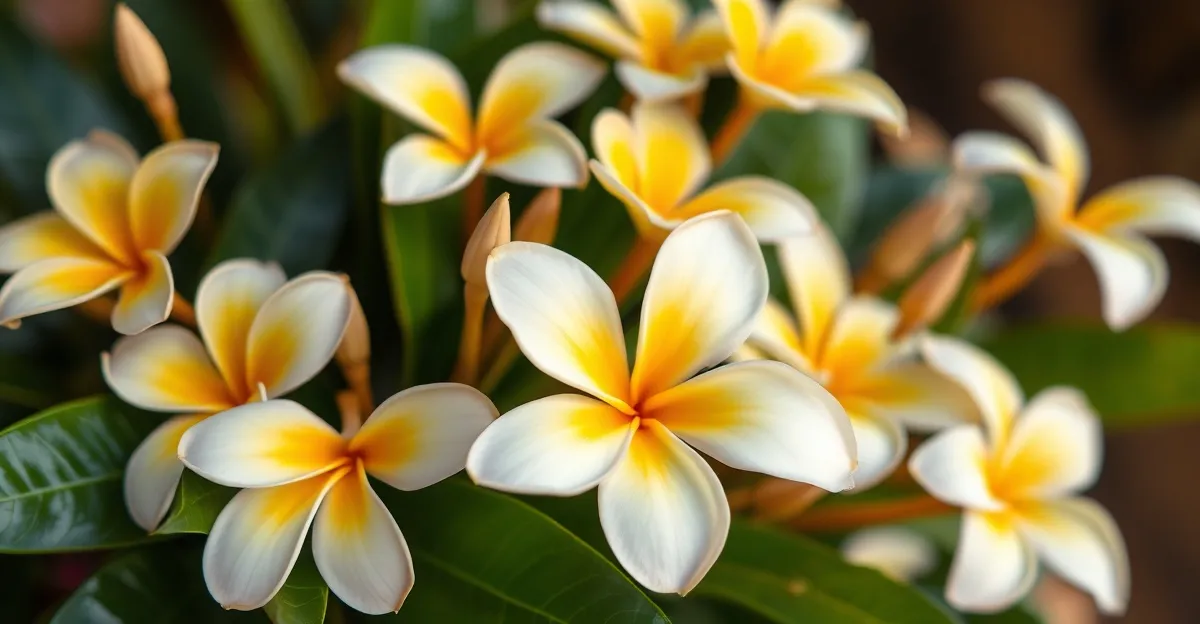
If you spend any time in Bali paying attention to the floral world around you, frangipani becomes inescapable in a specific way. Not just visually or aromatically — though both of those things are true — but functionally. Frangipani is doing work in Bali. It's not decorative background; it's sacred material, actively used in the daily religious and ceremonial life of the island's Balinese Hindu majority.
Understanding how frangipani functions in ceremony gives you a completely different relationship to the flower. It's no longer just "the spa flower" or "the tropical pretty thing in your hair." It's a connection point between the visible world and the sacred one, placed fresh each day by millions of Balinese people across millions of households and temples in an act of devotion that has been going on for centuries.
The Foundation: What Flowers Mean in Balinese Hinduism
Before understanding frangipani's specific role, it helps to understand the function of flowers in Balinese Hindu cosmology more broadly.
In Balinese belief, flowers are among the most direct offerings a person can make to the divine. They're offered because they are beautiful — and beauty, in Balinese tradition, is itself a spiritual quality. Offering something beautiful is offering part of the world's divine essence back to its source.
The Bhagavad Gita, a foundational text of Hinduism, contains the verse: "If one offers Me with devotion a leaf, a flower, a fruit or even water, I will accept it." This text is taken seriously in Balinese practice — the flower is not symbolic of something else; it is the offering. Its beauty, its freshness, its fragrance are the substance of the gift.
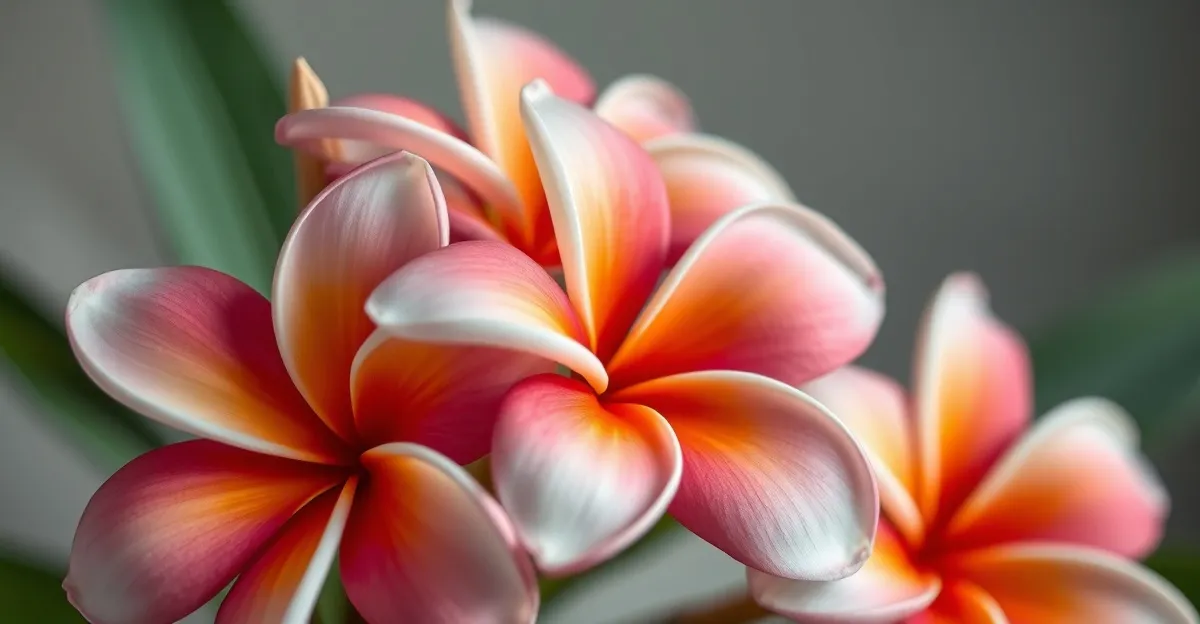
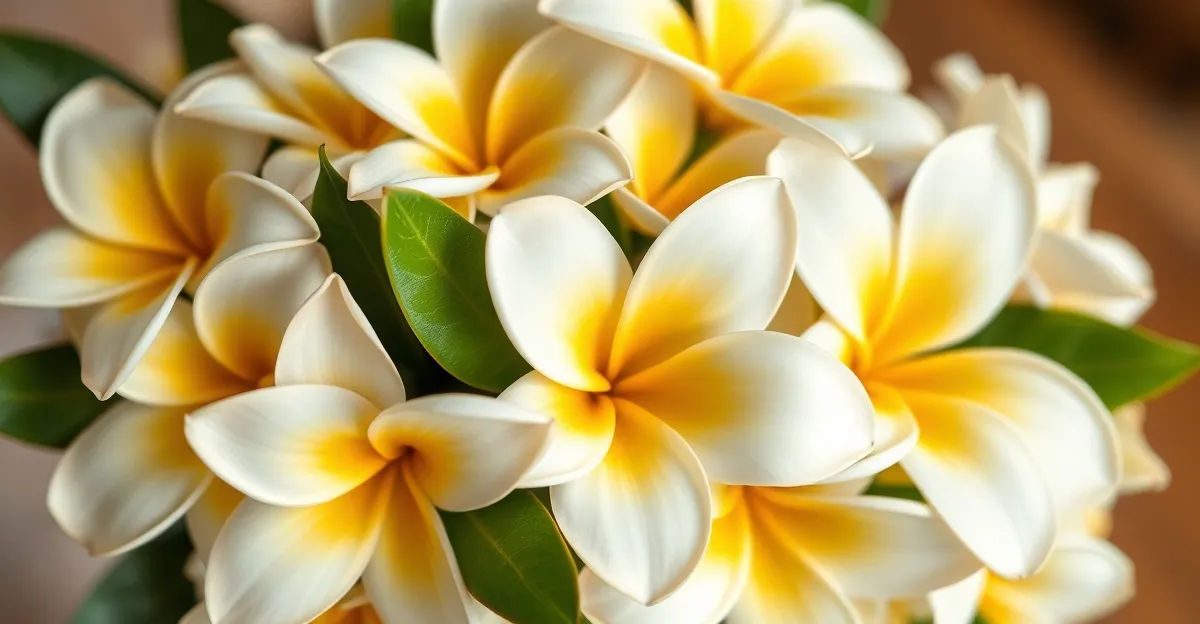
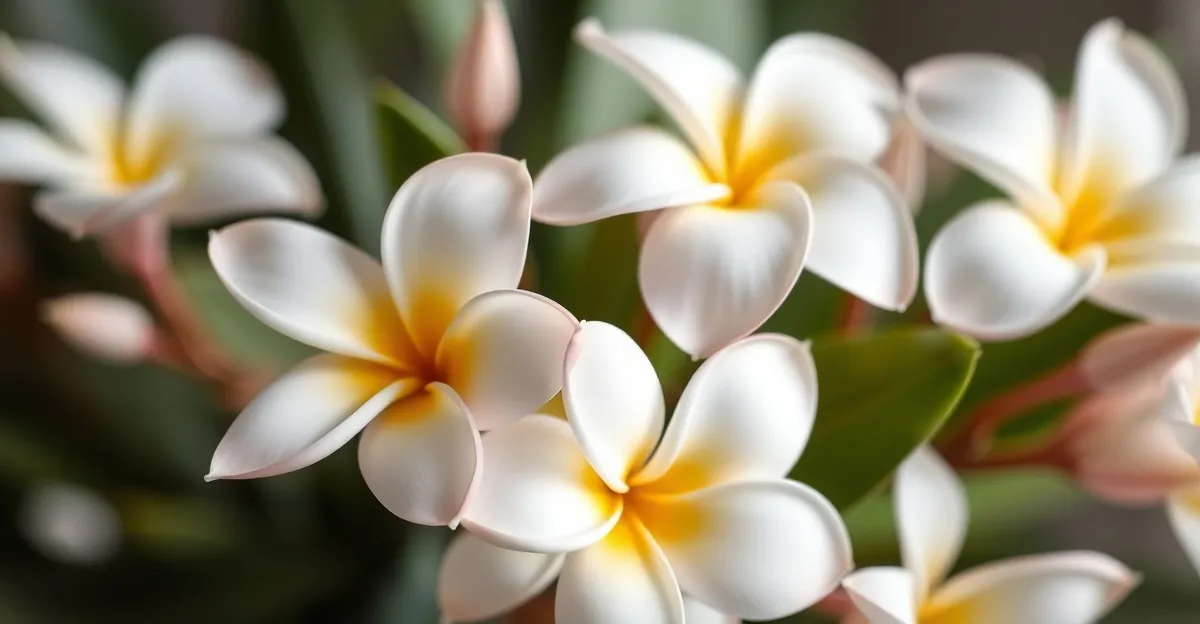
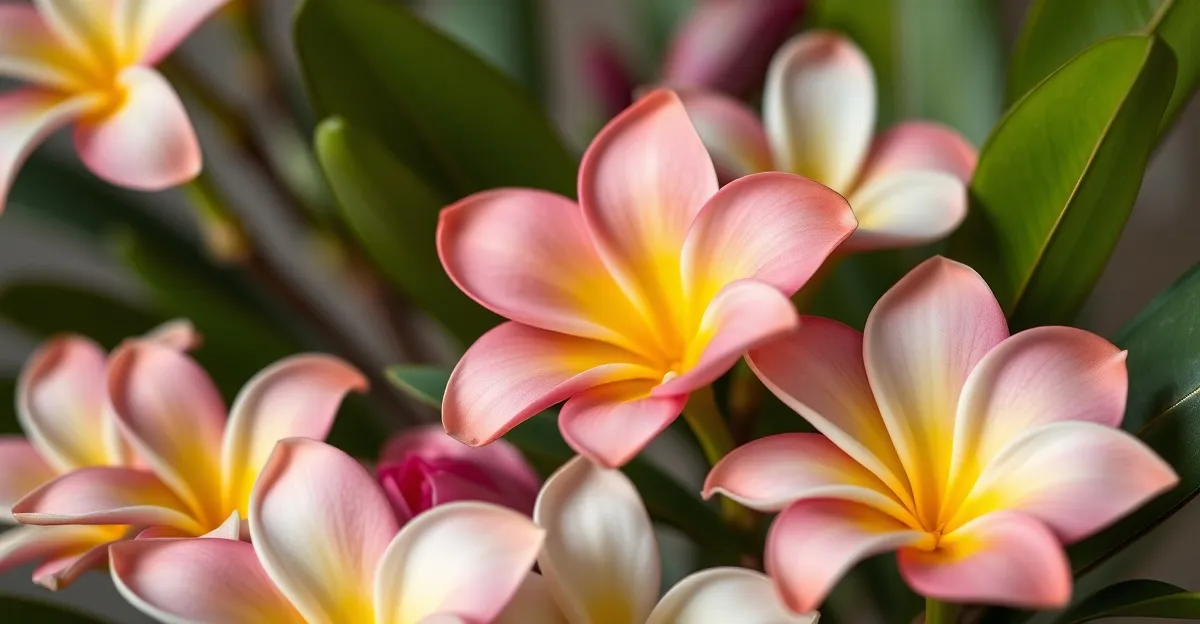
Frangipani — beautiful, fragrant, generously flowering, and symbolically white (the color of purity and divine presence in Balinese Hindu color symbolism) — is perhaps the most perfect embodiment of what a flower offering should be.
Canang Sari: The Daily Offering
The most visible ceremonial use of frangipani in Bali is in canang sari — the small, palm-leaf tray offerings placed daily throughout the island. You'll see them at temple gates, on spirit shrines, at shop entrances, on the steps of homes, on the hoods of motorcycles and trucks. They're everywhere, placed fresh each morning (sometimes multiple times daily) as a constant renewing of devotion.
The specific composition of canang sari is not arbitrary. Different flowers are placed in different sections of the tray corresponding to different directions and their associated divine manifestations:
- East: White flowers — associated with Iswara
- South: Red flowers — associated with Brahma
- West: Yellow flowers — associated with Mahadewa
- North: Blue or black flowers — associated with Wisnu
- Center: Mixed colors — associated with Siwa
White frangipani is among the most traditional and most commonly used flowers for the east position — the direction of purification and divine radiance. Its white color and sweet fragrance make it the ideal candidate for this most spiritually significant direction in the offering.
On any given morning across Bali, millions of frangipani blooms are being harvested — from villa gardens, from trees in temple compounds, from garden walks — and placed into canang sari. The demand for fresh white frangipani blooms in Bali's daily offering cycle is enormous, which is why frangipani trees are planted so widely and why they represent a significant portion of what's sold at morning flower markets.
Pejati and Major Household Offerings
While canang sari is the daily minimal offering, Balinese household religious life includes many more elaborate offerings for significant occasions — illness, pregnancy, childbirth, coming-of-age ceremonies, and countless other life transitions all generate specific offering requirements.
Pejati — a medium-complexity offering used for many household ceremonies — always includes a flower component. White frangipani is standard in pejati alongside other flowers, woven and arranged by the women of the household or purchased pre-assembled from specialists at the market.
The creation of these elaborate offerings is itself considered devotional practice. The time invested in making something beautiful for the divine is part of the offering. Many Balinese women spend hours each day in this work, and the skill and artistry involved is genuinely extraordinary — the offerings that appear at major temples during festival periods are elaborate three-dimensional flower sculptures that require significant expertise to construct.
Galungan and Kuningan
Galungan — the celebration of dharma's triumph, occurring every 210 days on the Pawukon calendar — is among Bali's most significant ceremonial periods. During the ten days between Galungan and the closing Kuningan celebration, the island transforms. Penjor (tall bamboo poles decorated with coconut leaves and flowers) line every street. Households make their most elaborate offerings of the ritual cycle. Temple compounds are cleaned, repainted, and decorated.
Frangipani is prominent throughout this period. Temple decorations and shrine arrangements incorporate abundant white frangipani alongside marigold, tropical foliage, and other flowers. The visual abundance of Galungan — the streets, the shrines, the household altars — draws heavily on frangipani for both its white color and its generous, reliable blooming.
For people living in Bali or visiting during Galungan, the increase in frangipani fragrance in the air is noticeable. The flower markets are busier, the trees are being harvested more intensively, and the island seems to breathe frangipani more deeply than usual.
Ngaben: Cremation Ceremony
The Balinese cremation ceremony (ngaben) is one of the most elaborate and visually remarkable ceremonies in the world. Unlike the Western association of death with grief and restraint, ngaben is a joyful celebration of the soul's release — a community gathering with music, procession, elaborate sculptural offerings, and a genuine festive atmosphere alongside the solemnity.
Frangipani is essential to ngaben. The flower is:
- Used in the offerings presented throughout the cremation process
- Woven into the garlands and decorations adorning the bade (the tall cremation tower used in procession)
- Strewn at key moments of the ceremony
- Planted at cremation grounds for ongoing offering supply
The white color carries the specific ceremonial significance here: white is associated with the east, with Iswara, with purity — and with the quality of spiritual readiness for transition. For the deceased soul, white frangipani signals the opening toward the next stage of existence.
For the living community participating, the flower's presence maintains the sensory and aesthetic language of Balinese ceremony throughout the process — ensuring that even in the most significant transition, beauty and devotion remain present.
Temple Ceremonies and Odalan
Each of Bali's thousands of temples celebrates its own odalan — temple anniversary festival — every 210 days. These are community events specific to the temple and its associated neighborhood or family group. During odalan, the temple is decorated elaborately, major offerings are prepared, and the community gathers for days of ceremony, prayer, and celebration.
Temple decorations during odalan draw heavily on frangipani. The kori agung (main temple gate) is often adorned with flower garlands incorporating abundant frangipani. Shrine decorations and offering towers feature fresh white blooms. The temple compound's frangipani trees are harvested intensively in the days before the event.

The team
your florists
weekly subscription · Bali
We write about flowers because we love them. We deliver them because someone should — properly, weekly, across Bali.
— heyflowerPay once for 3, 6, or 12 months, no auto-renewal.
Hair Flowers: Personal Ceremonial Adornment
In Balinese ceremony dress, wearing a fresh flower in the hair is standard for women. A single white frangipani bloom tucked above the ear or into the hair is perhaps the most iconic image of Balinese femininity — reproduced in paintings, photographs, and cultural representations worldwide.
This is not purely decorative. The flower in the hair is part of ceremonial dress — it signals that the wearer is in a state of ceremonial engagement, dressed to enter sacred space or participate in sacred activity. It's both personal adornment and statement of spiritual intention.
For more background on the role of these flowers in Bali's ritual landscape, our guide to frangipani meaning and symbolism provides the full picture of what the flower communicates across contexts.
Frequently Asked Questions
Can a non-Balinese person make canang sari offerings?
Making offerings is a devotional act in Balinese Hinduism, and non-Hindus participating should do so with appropriate reverence and ideally under guidance from a Balinese host. Many cultural experiences in Bali teach canang sari making to visitors, and participation with genuine respect is generally welcomed. Placing offerings at shrines and temples as a non-Hindu visitor requires more care — follow your Balinese host's guidance.
Why is there always frangipani at Balinese hotels and villas?
The prevalence of frangipani in hospitality settings reflects the flower's status as Bali's ceremonial and cultural emblem. Hospitality providers in Bali learned early that frangipani blooms in rooms, floating in water features, and in floral arrangements communicate "authentic Bali" to visitors in an immediate, sensory way. The commercial use of frangipani builds on but is distinct from its ceremonial significance.
How much frangipani is used in a major Balinese ceremony?
For a significant ngaben or major odalan, the flower requirements can be extraordinary — hundreds to thousands of blooms over multiple ceremony days. A significant family ceremony might require continuous harvesting from multiple frangipani trees combined with purchases from the market. The scale reflects the importance Balinese ceremony places on material abundance as a form of respect and devotion.
Are there specific prayers or intentions associated with offering frangipani?
Yes, though the specific prayers vary by ceremony, family tradition, and the priest's guidance. The act of placing frangipani in a canang sari is accompanied by a personal prayer or mantra — the devotional intention of the giver is understood to be part of the offering. The flower without the prayer is less complete; the prayer without the flower loses some of its material form.
How does frangipani use change between dry and wet seasons in Bali?
Frangipani availability is higher in the dry season (May-September), when the tree flowers most prolifically. During the wet season, availability can decrease somewhat as the tree enters partial dormancy. The ceremonial demand, however, is year-round — which is why frangipani trees are planted so extensively across Bali, ensuring supply continuity.
Frangipani is more than beautiful in Bali — it's active, essential, and alive with meaning. At heyflower.co, we honor that tradition in the arrangements we create. Explore our collections and weekly subscription options at heyflower.co, delivering to Canggu, Berawa, Pererenan, Seminyak, and Kerobokan every Monday.
More on Frangipani