Can snapdragon grow in Bali? A florist's perspective
Snapdragons prefer cool climates, but can they grow in Bali's tropical heat? A florist's honest assessment of what's possible, where, and at what cost of effort.
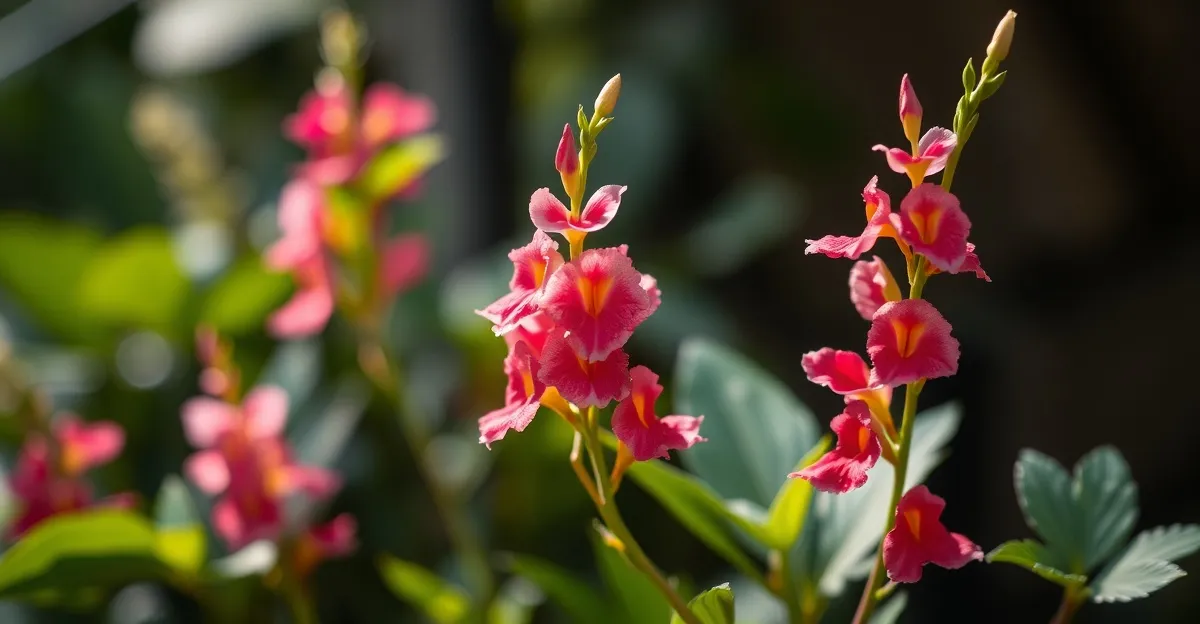
Snapdragons have a reputation as a cool-season flower. They thrive in temperate spring gardens, they are planted in autumn in Mediterranean climates, and their natural growing season is firmly oriented toward the cooler months of the year. So when someone in Bali's tropical heat asks whether snapdragons can grow here — the honest answer requires some nuance.
Short answer: yes, but with significant caveats, location dependency, and a willingness to work against the local climate rather than with it.
What snapdragons actually need
Antirrhinum majus — the common snapdragon — is native to the Mediterranean region and parts of North Africa. Its natural conditions:
- Temperature: Optimal growth between 15–21°C. Will grow at up to 25°C, struggles above 28°C, and growth essentially stops above 32°C.
- Humidity: Moderate. High humidity increases fungal disease susceptibility.
- Soil: Well-drained, moderately fertile. Does not tolerate waterlogged roots.
- Light: Full sun (in cooler climates), partial shade (to reduce heat stress in warmer conditions).
- Frost: Can handle light frost but not hard freezes.
Bali's coastal lowlands average 27–32°C with 70–85% humidity year-round. By the checklist above, this is at or above every stress threshold for snapdragons. In Kuta, Seminyak, Canggu, and Sanur, growing snapdragons is fighting the climate every step of the way.
Where snapdragons can actually grow in Bali
Elevation changes everything. Bali's geography drops from sea level to the highlands around Bedugul (1,200m) and Kintamani (1,500m) within 40–60km of the coast. At these elevations:
- Temperatures: 17–24°C — well within the snapdragon's preferred range
- Humidity: Still significant but moderated by altitude
- Nights: Can drop to 15–18°C, providing the cool nights that help snapdragons flower
In the Bedugul highlands — the area around Danau Beratan lake, Candikuning market, and the surrounding agricultural zones — snapdragons can and do grow. You will occasionally see them at the Candikuning flower market and at farms in the area that grow mixed cut flowers for Denpasar's markets.
In Munduk at around 900m and the areas around Kintamani, snapdragons are also feasible, though they perform less consistently than at Bedugul's higher elevation.
Growing snapdragons at lower elevations: is it possible?
For the majority of Bali's residents and visitors who live in the lowland coastal areas, growing snapdragons is a challenging proposition that requires specific strategies.
Timing: Plant during the coolest period of Bali's year — roughly June through September, when temperatures drop slightly and the dry season reduces humidity. This is still warmer than ideal for snapdragons, but it represents the best window.
Location within your garden: Choose a spot with morning sun (cooler) and afternoon shade (avoiding peak heat). East-facing garden beds get morning light without afternoon heat. Avoid west-facing spots that bake in the afternoon.
Soil preparation: Sandy, well-drained soil is essential. Bali's coastal soils can be heavy and retain moisture — amend with coarse sand and perlite to improve drainage. Raised beds work well.
Watering: Regular but not excessive. Snapdragons dislike both drought and waterlogged roots. In the dry season, water in the early morning so soil moisture evaporates before nighttime when fungal conditions are highest.
Variety selection: Look for heat-tolerant snapdragon varieties — these have been specifically bred for warmer growing conditions. Seed suppliers in Indonesia and online international retailers carry heat-tolerant lines. Standard varieties grown from seeds purchased at a garden center will struggle more than specifically bred heat-tolerant cultivars.
Realistic outcome: At lower elevations in Bali, snapdragons planted with these considerations might produce flowers for 6–10 weeks before the combination of heat and humidity causes them to decline. You are unlikely to get the 3–4 month season that temperate growers enjoy. But 6–10 weeks of fresh snapdragons from your own garden is a genuine achievement and provides regular cutting material.
Fungal problems: the main enemy in Bali
The most common problem when growing snapdragons in Bali's humidity is fungal disease — specifically Puccinia antirrhini (snapdragon rust), which appears as orange-brown pustules on the underside of leaves, and Botrytis cinerea (grey mold), which attacks spent flowers and damaged tissue in humid conditions.
Prevention strategies:
- Ensure excellent air circulation around plants — do not crowd
- Water at the base (drip irrigation or careful hand watering), not from overhead
- Remove spent flower heads promptly — these become fungal entry points
- Apply a copper-based fungicide preventively if you notice early signs
- Remove heavily infected plants entirely to prevent spread
In the wet season (November–March), fungal pressure becomes severe even with prevention. Most lowland Bali gardeners who grow snapdragons either focus on the dry season or accept a rotation cycle where they grow snapdragons, let them run their course, and replant after the wet season.
Where snapdragons come from when you buy them in Bali
Cut snapdragons sold at flower markets in Denpasar or supplied by Bali florists come from one of two sources:
Java highlands: The areas around Malang and Batu in East Java have cool highland conditions suitable for quality snapdragon cultivation. These farms supply the Java-Bali flower distribution network. A bunch of snapdragons at Pasar Badung was almost certainly grown there.
International import: Some specialty flower imports come through Jakarta's air freight network — Netherlands, Ecuador, or Kenya production. These are rarer and more expensive in Bali's retail market.
Very little cut snapdragon production happens in Bali itself due to the climate constraints. The local highlands around Bedugul supply some flowers but in smaller quantities than Java.

The team
your florists
weekly subscription · Bali
We write about flowers because we love them. We deliver them because someone should — properly, weekly, across Bali.
— heyflowerPay once for 3, 6, or 12 months, no auto-renewal.
The economics of snapdragon cultivation in Bali
For someone considering whether to grow snapdragons commercially in Bali's highlands — for example, a landowner in the Bedugul area — the economics work differently than for home gardening.
The Bedugul area already has an established cut flower industry and the infrastructure to support it. Snapdragons as a commercial crop in this context are feasible but require consistent management, post-harvest infrastructure (cool storage if possible, packaging, reliable transport to Denpasar), and market relationships. The competition from Java imports keeps prices relatively constrained — you need significant volume and quality consistency to build a viable business.
For home gardeners in the highlands wanting to supply their own cut flowers, the economics are irrelevant — the value is in the enjoyment and the quality of home-grown flowers.
The practical choice for most Bali residents
For most people living in Bali who love snapdragons: buying from a florist or delivery service is more practical than growing them. The climate makes home cultivation genuinely difficult unless you are in the highlands or have specific conditions that approximate cooler temperatures.
If you want fresh snapdragons reliably available for home display — without the climate battle — a regular flower delivery is the more consistent solution. Our weekly flower subscription includes seasonal availability of snapdragons alongside other beautiful cut flowers.
For those who do want to attempt growing: the dry season window (June–September), a east-facing shaded spot, heat-tolerant varieties, and excellent drainage give you the best chance of success.
FAQ
Can I grow snapdragons from seed in Bali? Yes, with appropriate timing (dry season, cooler months) and conditions (well-drained soil, afternoon shade in lowland areas, or highland elevation). Use heat-tolerant varieties and start seeds in the coolest room of your house or in a shaded nursery setup.
Why do my snapdragons wilt in the afternoon in Bali? Afternoon wilt is normal heat stress in tropical conditions. If plants recover by evening, they are managing. If they do not recover overnight, they need more shade, more consistent watering, or are simply past their viable growing window for the season.
Are there local Balinese snapdragon varieties adapted to the heat? No. Snapdragons are not native to Bali and have no long cultivation history here that would produce locally adapted varieties. The heat-tolerant varieties available are commercial breeding products, not local adaptations.
Where can I buy snapdragon seedlings or seeds in Bali? Nurseries in the Denpasar area and around Gianyar sometimes carry snapdragon seedlings, particularly during the dry season. For seeds, online Indonesian retailers or the Candikuning market area are better sources.
Do snapdragons attract Bali's garden pests? Aphids are common on snapdragons anywhere — they are attracted to the tender growing tips. In Bali, caterpillars and various chewing insects can also be problematic. Inspect regularly and treat with neem oil spray (available at organic nurseries in Ubud and Canggu) for a low-impact solution.
Ready to bring fresh flowers to your Bali home or event? Explore our weekly flower subscription and get handpicked blooms delivered to your door every week.
More on Snapdragon