Can bougainvillea grow in Bali? A florist's perspective
The short answer is a resounding yes — but here's everything you need to know about growing stunning bougainvillea in Bali, from a local florist.
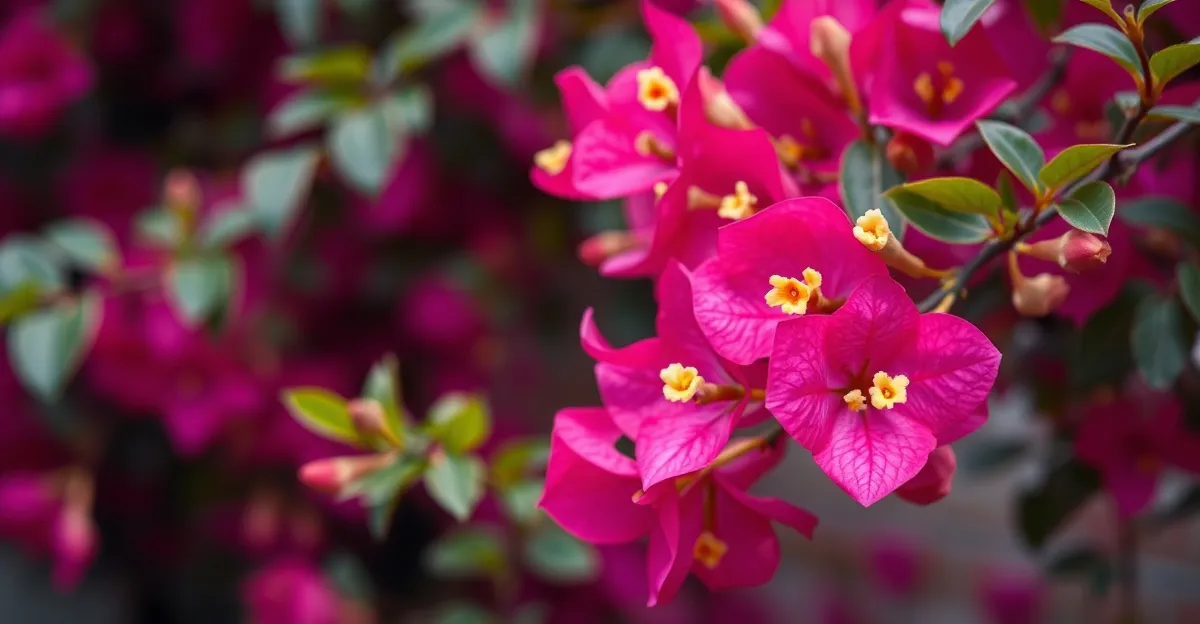
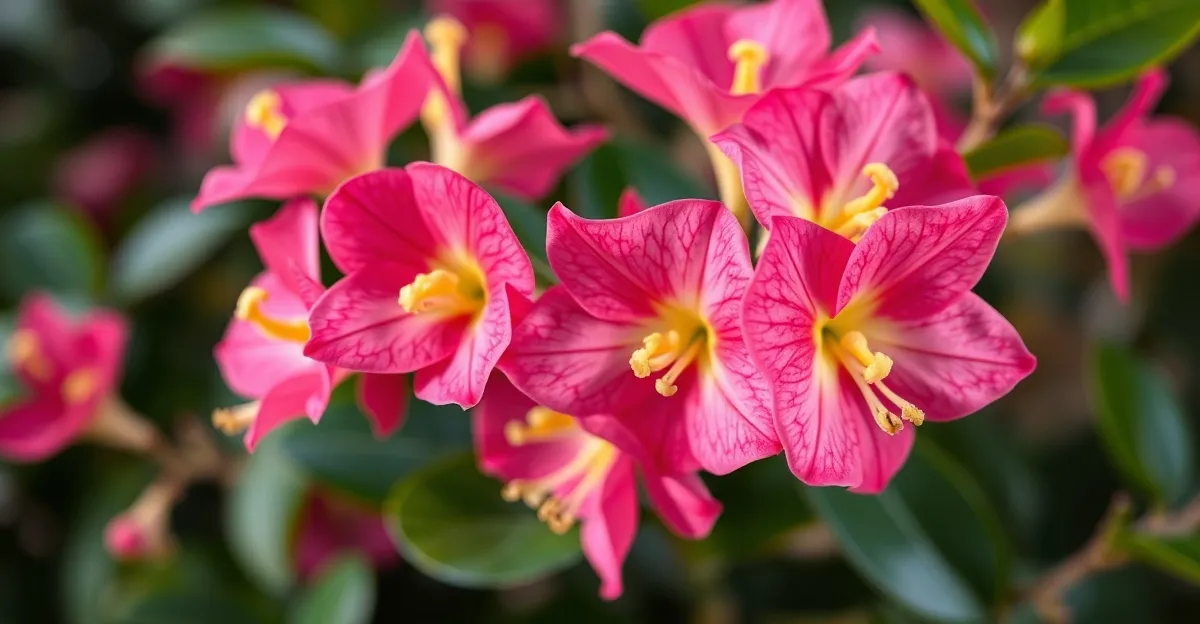
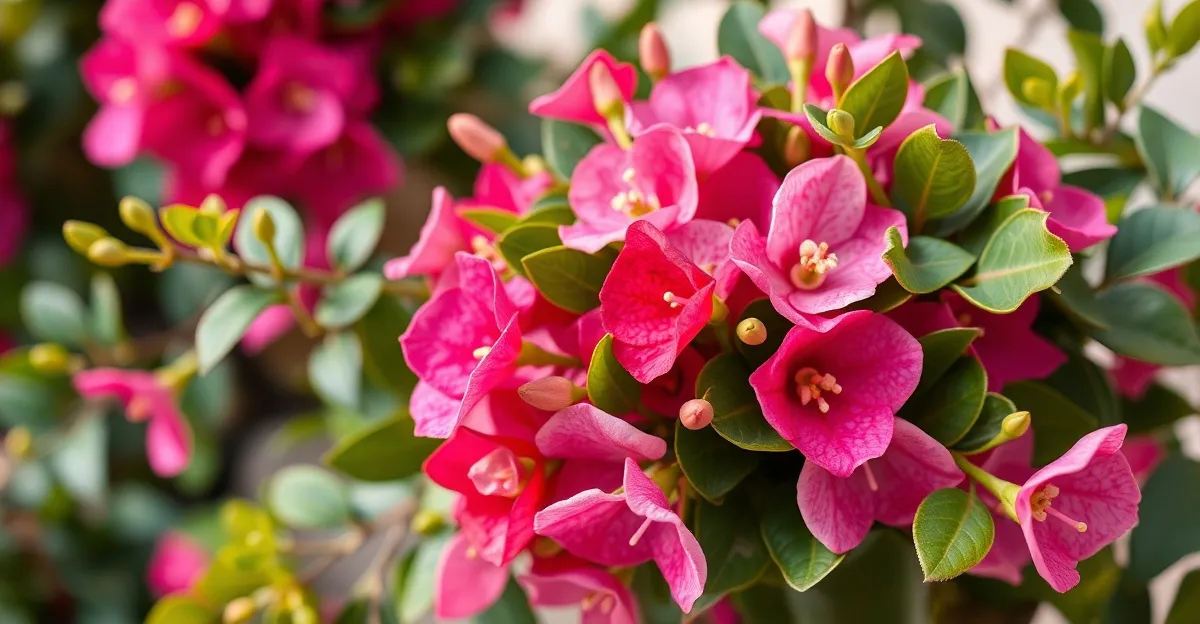
If you've spent more than five minutes in Bali, you've already answered this question with your own eyes. Bougainvillea doesn't just grow here — it absolutely flourishes. It covers walls in Seminyak, cascades over the gates of Ubud guesthouses, frames the entrances of Canggu villas, and explodes over clifftop restaurants in Uluwatu. In the right conditions, it's one of the most spectacular plants on this island.
The florist's perspective adds some nuance to "yes": which varieties do best, where on the island they thrive most, how to manage them for consistent flowering, and what the challenges actually look like. This guide covers the real practical picture of bougainvillea in Bali — from the first-time home gardener to the villa manager wanting reliable year-round colour.
Why Bougainvillea Thrives in Bali
Bougainvillea (Bougainvillea spectabilis and related species) is native to coastal Brazil — a climate remarkably similar to Bali in important respects. Both have warm temperatures year-round, seasonal variation in rainfall, and the kind of bright, intense tropical sunlight that temperate flowers can only dream of.
The conditions that make bougainvillea spectacular in Bali:
Year-round warmth: Bougainvillea stops growing below about 10°C. Bali never approaches that temperature. The plant remains in active growth year-round, which means more flowering cycles than would be possible in temperate climates.
Intense tropical sunlight: Bougainvillea flowers most prolifically in the most intense sun. Bali's location close to the equator provides exactly this — eight to ten hours of intense direct sun is available in most parts of the island.
Dry season trigger: Bougainvillea flowers most spectacularly when subjected to mild drought stress — a reduction in watering that signals the plant to shift from vegetative growth to flowering. Bali's dry season (roughly April to October) provides this trigger naturally for outdoor plantings.
Fast-draining volcanic soils: Much of Bali's soil has good natural drainage, particularly in sloped areas and locations closer to the volcanic highlands. Bougainvillea's primary soil requirement is drainage.
Where in Bali Bougainvillea Grows Best
Southern Lowlands
The coastal areas of southern Bali — Canggu, Seminyak, Kuta, Jimbaran, Nusa Dua, Uluwatu — provide near-ideal conditions for bougainvillea in the dry season. The combination of full sun, warm temperatures, good drainage in sandy coastal soils, and the dry season moisture stress produces extraordinary flowering.
During Bali's dry season, the southern coast sees bougainvillea at its absolute best: cascading walls of magenta, coral, and white that are among the most visually striking sights on the island.
Nusa Penida and Nusa Lembongan
These islands just off Bali's southeastern coast have an even drier climate than mainland Bali. Bougainvillea here grows with particular vigour, the perpetual drought stress producing intense, year-round flowering. Some of the most magnificent bougainvillea specimens in the region are found on Nusa Penida's dramatic limestone landscapes.
Kintamani and Highlands
At elevation, bougainvillea still grows but less spectacularly. The cooler temperatures reduce flowering frequency and intensity. The highland areas around Kintamani and Bedugul see bougainvillea growing in gardens, but without the cascading abundance of the lowland specimens.
Ubud
Ubud's slightly higher elevation and significant wet season rainfall means bougainvillea can struggle more with wet feet during the rainy months. That said, well-drained garden beds produce excellent bougainvillea in Ubud — the key is soil preparation.
Choosing Varieties for Bali
Many bougainvillea varieties grow well in Bali, and the distinctions between them matter for gardeners wanting specific colours or growth habits.
Bougainvillea spectabilis
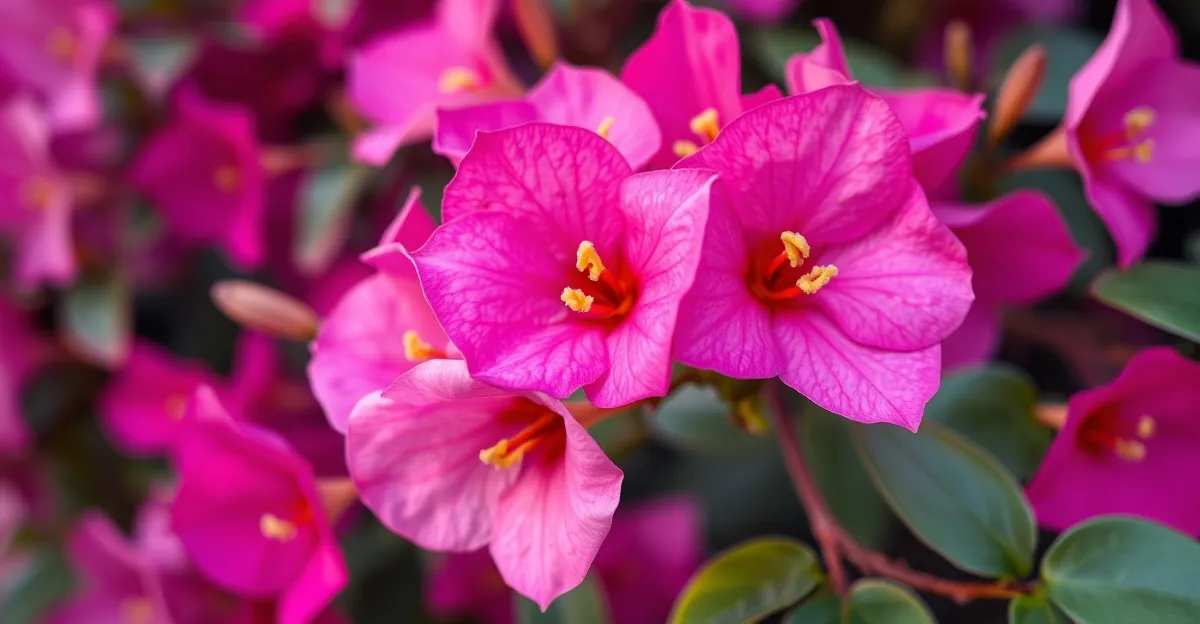
The most common variety growing across Bali. Large, vigorous climber with deep magenta-purple bracts. Highly thorny. Grows to ten metres or more if left unconstrained. This is the bougainvillea that covers the walls of Bali's most iconic villas.
Bougainvillea glabra
Slightly smaller than spectabilis, with less thorny stems and a variety of available colours including magenta, white, and pink. Often used for container cultivation and more manageable garden situations.
Bougainvillea 'Barbara Karst'
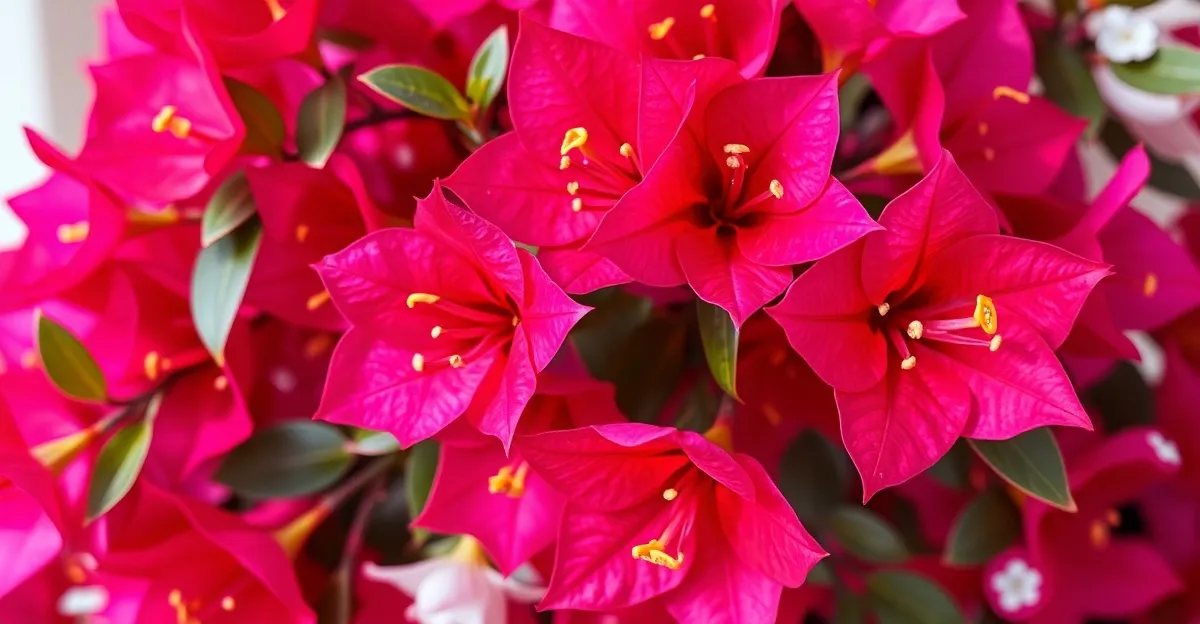
One of the most popular cultivated varieties worldwide, producing vivid red-magenta bracts in profusion. Vigorous, relatively fast-growing, and performs well in Bali's lowland conditions.
Bougainvillea 'San Diego Red'
Produces true red bracts — one of the redder cultivars available. Good for gardeners specifically wanting red rather than magenta-pink.
Dwarf Varieties
Several dwarf bougainvillea cultivars grow to only one to two metres and are ideal for container cultivation and smaller garden spaces. These are increasingly available from Bali nurseries.
Practical Growing Guide for Bali Gardens
Soil and Planting
Prepare a planting area with good drainage as the top priority. In clay-heavy or poorly drained soils, raise the bed or incorporate coarse sand and perlite. Most Bali garden soils are adequate for bougainvillea with minimal amendment.
Plant bougainvillea without disturbing the root ball — it's sensitive to root disturbance during establishment. Water well at planting, then reduce watering gradually over the first four to six weeks as the plant establishes.
Support Structure
Even the most vigorous bougainvillea needs initial support and training. Install wires, trellis, or wire mesh against your wall or fence before planting, and train young stems onto the structure using soft ties. As the plant grows and hooks itself with its curved thorns, it becomes self-supporting — but the early training determines the growth direction.
Watering
The key rule in Bali: water less than you think you should. Established bougainvillea in Bali's dry season needs watering about once per week — allowing the soil to dry well between waterings. In the wet season, natural rainfall is usually sufficient; focus on ensuring drainage rather than providing water.
Overwatering is the primary mistake Bali gardeners make with bougainvillea. If the plant is producing lush green growth but few bracts, overwatering is usually the cause.
Fertilising
During flowering periods, use a fertiliser high in phosphorus and potassium with lower nitrogen. Apply every four to six weeks. Avoid high-nitrogen fertilisers, which encourage leafy growth at the expense of flowering.
Pruning
Prune bougainvillea after each flowering cycle — cut back the spent flowering branches by one-third to one-half. This triggers new growth and the next flowering cycle. An annual harder prune (cutting more severely to control overall size) keeps the plant vigorous and manageable.
Wear thick gloves. Always.

The team
your florists
weekly subscription · Bali
We write about flowers because we love them. We deliver them because someone should — properly, weekly, across Bali.
— heyflowerPay once for 3, 6, or 12 months, no auto-renewal.
Managing Bougainvillea Through Bali's Wet Season
The wet season (roughly November to March) presents the main management challenge for Bali bougainvillea. The combination of heavy sustained rainfall and warm temperatures promotes several issues:
Excessive vegetative growth: The abundant water triggers lush green growth at the expense of flowering. After the wet season, prune hard to reset the plant and trigger the dry-season flowering cycle.
Fungal disease: Sustained humidity promotes fungal infections, particularly on older stem sections. Ensure good air circulation, remove any dead or diseased wood promptly, and apply a preventive copper-based fungicide if needed.
Root rot: The main danger for container-grown or poorly drained bougainvillea. Ensure excellent drainage is maintained and reduce or eliminate watering during heavy rainfall periods.
Bougainvillea and Bali's Villa Culture
For the many people managing villas, guesthouses, and boutique accommodations in Bali, bougainvillea is more than a garden plant — it's a hospitality asset. A well-maintained bougainvillea trained over a gate or along a wall creates an immediate visual impression of warmth and care that guests feel before they've even walked through the door.
If you manage a Bali property and want consistent flower beauty both indoors and out, our flower subscriptions for villa rentals in Jimbaran service pairs well with the natural bougainvillea displays your garden already provides.
Frequently Asked Questions
Can bougainvillea grow in a Bali apartment with a balcony?
Yes, in a container, with enough direct sun. Dwarf varieties work best for balcony cultivation. You need a position that gets at least six hours of direct sun. A well-draining pot mix and careful watering (leaning toward dry) are essential.
How fast does bougainvillea grow in Bali?
Remarkably fast in ideal conditions. A young plant in full sun with appropriate watering and fertilising can grow one to two metres in its first year. Established vines in Bali's lowlands can extend three metres or more per year, which is why regular pruning is important.
Can I take cuttings from existing Bali bougainvillea to propagate new plants?
Yes. Bougainvillea propagates readily from semi-hardwood stem cuttings taken in the dry season. Take 15–20 cm cuttings with at least two or three nodes, remove lower leaves, dip the cut end in rooting hormone powder (available from Bali garden shops), and place in a sandy, well-draining rooting medium. Roots typically form within four to six weeks.
What pests affect bougainvillea in Bali?
Scale insects and mealybugs are the most common issues. Both are manageable with neem oil spray or systemic insecticide. Aphids can affect new growth — a strong jet of water or insecticidal soap handles these. Bougainvillea is generally quite pest-resistant compared to many ornamental plants.
Why isn't my Bali bougainvillea flowering?
The most common causes: insufficient sunlight (needs six-plus hours of direct sun), overwatering (drought stress triggers flowering), too much nitrogen fertiliser (promotes leaves over bracts), or insufficient pruning (unpruned plants flower only at stem tips).
Your Bali Flower Journey
Whether you're growing your own bougainvillea wall or simply appreciating this extraordinary plant wherever it appears across the island, bougainvillea is one of the reasons Bali looks the way it does. It's generous, vivid, and deeply rooted in the visual identity of this place.
At heyflower.co, we work with bougainvillea as part of our Canggu flower work throughout the year. For beautiful flower arrangements delivered regularly to your door, explore our subscription service at heyflower.co/#subscriptions. And for more on Bali's tropical plant world, see our piece on can heliconia grow in Bali.
More on Bougainvillea